

Americas
July - December 2024
Key trends in the second half of 2024 included improvements in Access to Justice. However, setbacks in Rights and the Rule of Law were notable. Three countries held elections: Uruguay and the United States saw party turnover, while the elections in Venezuela have been widely characterized as fraudulent.
Areas to watch in early 2025 include measures in some countries to weaken checks on government and stifle criticism. The arrival of a new administration in the United State of America will also be a key focus.
Emerging patterns

What are some important thematic trends that have emerged over the last 6 months?
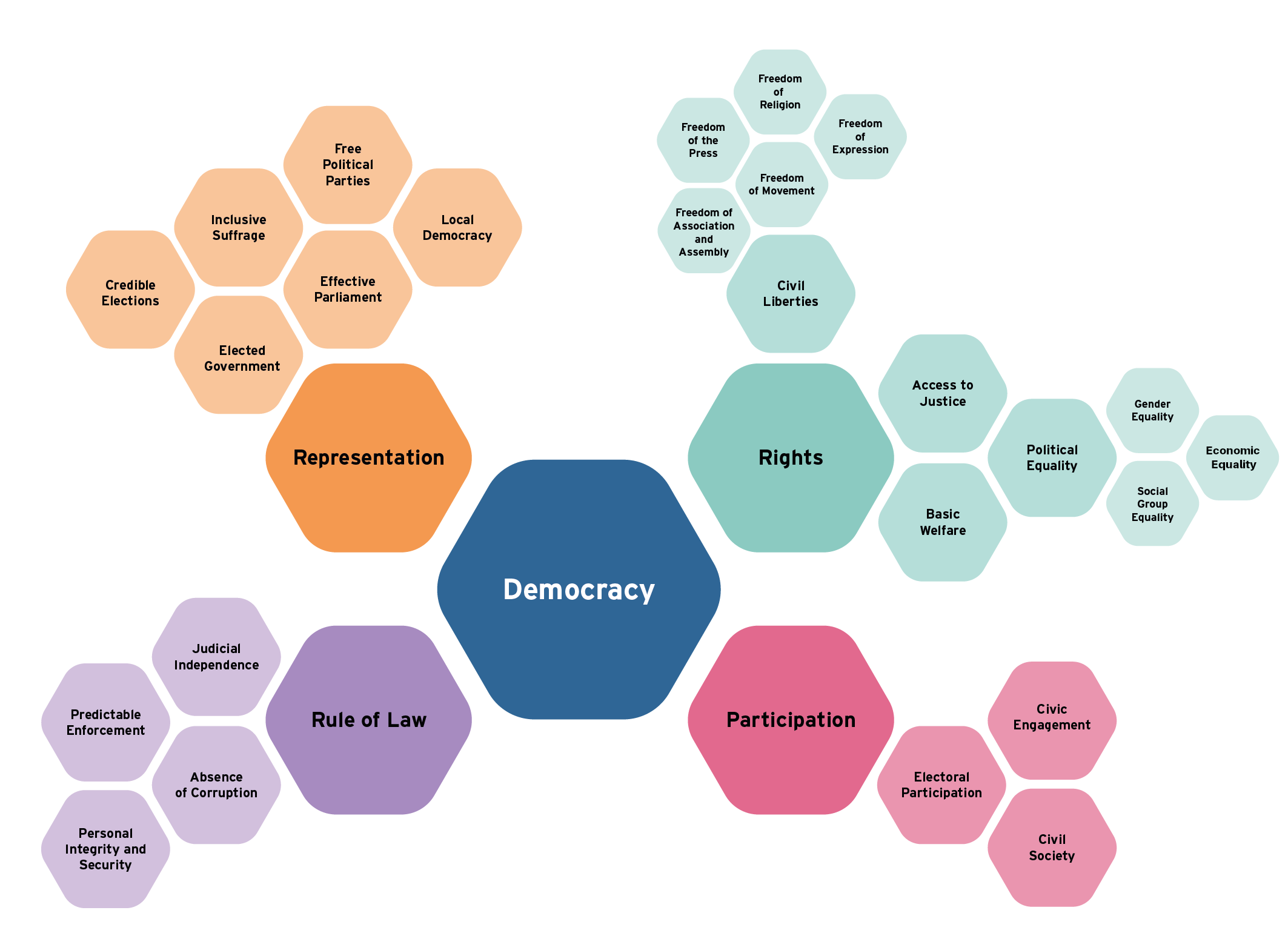
Representation
The establishment of a Provisional Electoral Council in Haiti was a potentially positive step toward elections in a context of sustained breakdown in institutions. However, changes in the membership of the Transitional Presidential Council lessened stability amidst the security crisis marked by severe gang violence and a devastating humanitarian situation.
Elsewhere, events affecting Representation were mixed. In Bolivia, the Legislature was able to come to a decision to set a date for overdue judicial elections, following a year-long standstill, enabling the partial replacement of judicial office-holders in December. In Canada, a Conservative party filibuster of an own motion related to a question of privilege halted the business of the House of Commons. In Argentina, parliamentary oversight of executive power has waned with the approval of the “Ley Bases”, that granted the president special powers to legislate by decree on certain matters, allowing him to bypass ordinary congressional procedures.
Rights
Improvements in Access to Justice have been encouraging, though the region experienced some setbacks as well. Brazil improved access to truth and transitional justice by restoring the Special Commission on Political Deaths and Disappearances, and recognizing previously unacknowledged groups as victims of the military dictatorship. A conviction in the murder of prominent councilwoman Marielle Franco, and an agreement with the mining company responsible for a catastrophic dam breach in 2015 that resulted in deaths, displacements and environmental damage to ensure reparations to victims, are further signals of progress. In Canada, a Supreme Court ruling that ordered compensation for longstanding underpayments of treaty-obligated annuities to Anishinaabe First Nations was a step towards accountability for violations of Indigenous rights. Rulings by domestic and international courts have also reaffirmed states’ responsibility to ensure the rights of Indigenous and ethnic minorities in Colombia and Ecuador.
In Peru, notable developments include a UN treaty body’s recommendation that the government make reparations for forced sterilizations that particularly impacted rural and Indigenous women in the 1990s. However, tensions have emerged in the country between the courts and parliament regarding how to address historic crimes, with a judge disapplying a statute of limitations recently approved by Congress due to its incompatibility with Peruvian and international law.
Another setback for Access to Justice took place in Mexico, where a ‘constitutional supremacy’ amendment banned any judicial review of constitutional changes, limiting people’s ability to defend their rights in courts.
Weakened Freedom of Expression has been a recent feature in some countries such as Argentina, where changes to legislation have imposed burdensome requirements for information access requests, and Mexico, where Congress passed constitutional amendments to abolish autonomous bodies, including a freedom of information watchdog. Freedom of Expression further deteriorated in Venezuela, where legislation to criminalize support of international sanctions was passed, and in Nicaragua, a country where vague legislation was enacted to criminalize critical speech in social media.
Finally, immigration policy has tightened in the Dominican Republic and in Chile, with a detrimental effect on Social Group Equality. However, the latter government has also announced that it is studying a plan to regularize undocumented immigrants.
Rule of Law
The weakening of accountability and checks on government was a notable trend in this period. In the United States, a Supreme Court ruling that former presidents enjoy broad immunity has diluted equality in legal accountability. In Mexico, despite experts’ warnings of its negative impact to judicial independence, the entry into force of a controversial reform to the judiciary that will introduce popular elections for all judgeships, has upended the justice system.
Personal Integrity and Security remains a challenge. In the United States, now-President Donald Trump was the target of two attempted assassinations. In Bolivia, former president Evo Morales was involved in a violent encounter in which his vehicle was attacked with gunfire. A longstanding, broader downturn in security has led some leaders to enact harsher measures to combat crime and gang violence, as has been the case recently in Panama, Chile and Trinidad and Tobago.
Participation
In the second half of the 2024 election super-cycle, three countries went to the polls: Venezuela, Uruguay and the United States. The average voter turnout was approximately 70.8 per cent (Uruguay has compulsory voting). In the United States and Uruguay, where legislative elections took place, the average female representation in the lower house slightly improved. Both the US and Uruguayan elections resulted in party turnover. The election in Venezuela was decried for its lack of transparency and credibility, with some domestic and international observers describing it as fraudulent. Some countries and stakeholders have recognized the opposition candidate, Edmundo Gonzalez Urrutia, as the elected president.
The repression of anti-Maduro protests, the closure of 1500 NGOs and the upcoming constitutional amendments that sanction ‘treason’ with the deprivation of nationality in Nicaragua, and the introduction of excessive and burdensome controls on NGOs in Paraguay are further examples of shrinking civic space in the region.
What is important to watch over the next six months?
It will be important to watch the steps taken in Haiti towards holding long-overdue elections. In Trinidad and Tobago a constitutional reform process is underway that could impact key institutions; similarly, Jamaica’s constitutional reform process has the potential to encourage ‘decolonial constitutionalism’ elsewhere in the subregion.
Civil liberties will also be key to assessing the state of democracy in the region. In Argentina, the creation of a new AI unit to ‘predict future crimes’ has raised concerns for its impacts on the rights of the accused. In the United States, a draft anti-terror bill that could strip non-profits from their tax-exempt status, without all necessary due process guarantees, could have a significant impact on freedom of expression and impact participation because of its potential to damage the reputation and funding of CSOs unjustly accused of supporting terrorism.
Measures to safeguard the justice system from external influence and ensure procedural transparency will be key for Rule of Law in the region. A recent corruption scandal in Chile revealed vulnerabilities through which powerful actors have abused the judicial system, bringing attention to the need to strengthen transparency in the appointment of judges. Further, measures to guarantee transparency throughout the new judicial electoral processes in Mexico will be key to protecting judicial independence.
Elections will be held in February in Ecuador, and later in the year in Chile, Bolivia, Honduras, Jamaica and Guyana.
What we are reading
Margaret Satterthwaite, the UN’s Special Rapporteur on the independence of judges and lawyers, recently issued a report on ‘Safeguarding the independence of judicial systems in the face of contemporary challenges to democracy’. The report lays out how certain governments and politicians target judicial independence and institutions, delving into the techniques used to weaken judicial independence, such as exercising undue influence, direct interference or attacks (including derogatory rhetoric), or even the capturing of judicial institutions.
Given recent developments in the region, where several leaders have enacted legislation or adopted measures targeting judicial independence, the report is a timely reading. It also presents key recommendations, including on building resilience, appointment processes, and engagement with communities. Measures to investigate threats, violence and acts of coercion or influence against judges and other actors of the justice system are further recommended to curb growing efforts against judicial independence.
Factors of Democratic Performance
Scores represent regional averages in 2024.
*Data represents an average of the entire region
Number of events reported
See the most frequently impacted categories of democratic performance over the last six months
Northern America
Caribbean
Central America
South America
Most impacted factors of democracy
| Predictable Enforcement |
|
18x |
| Political Equality |
|
14x |
| Civil Liberties |
|
13x |
Critical Events
- Ecuador - December 2024 | Constitutional Court issues landmark ruling for victims of modern slavery
- Brazil - November 2024 | Former President Bolsonaro and allies formally accused of plotting a coup
- Bolivia - October 2024 | Evo Morales accuses government of assassination attempt
- Mexico - September 2024 | Judicial reform ushers in new era of popularly elected judges
- Brazil - August 2024 | Social media platform X is blocked in Brazil
- Peru - July 2024 | Congress passes statute of limitations on crimes against humanity
Specially Tagged Events
Democracy Notes



Archive
See past regional pages or use the archive to design a customized search to find exactly what you are looking for.

Europe
July - December 2024

In the second half of the 2024 Global Election Super-Cycle year, electoral dynamics took center stage, with concerns around foreign interference and disinformation posing challenges to public trust. Amid these challenges, there were notable examples of resilience, with Moldova standing out as a positive example. Issues like the cost of living and migration continued to shape election campaigns and influence voter preferences. In some instances, governments responded with restrictive policies. As the new European Commission began its mandate with priorities including security, sustainability, democracy, and social fairness, the path to achieving these goals remains to be seen.
Emerging patterns
What are some important thematic trends that have emerged over the last 6 months?
Representation
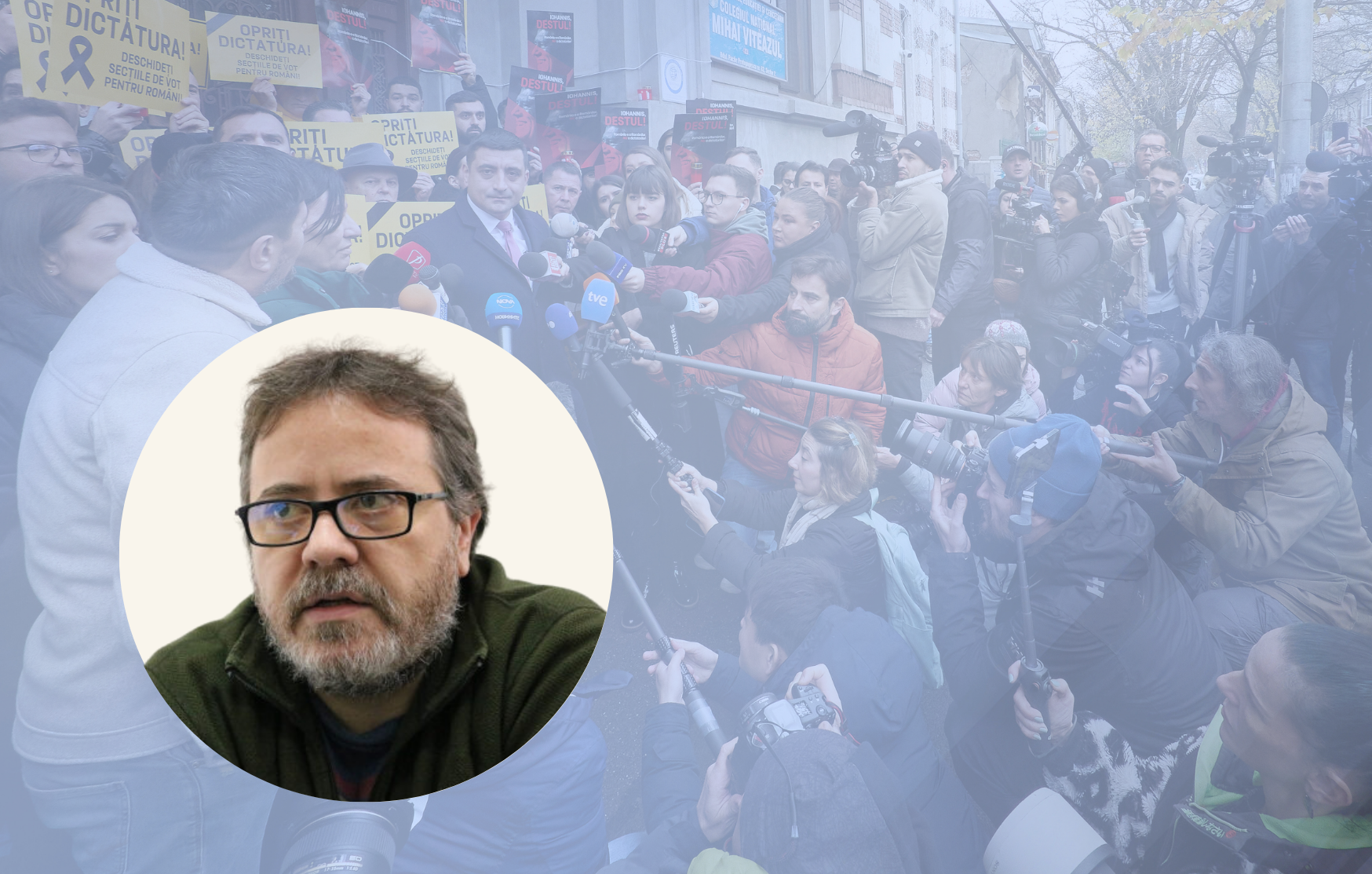
Concerns around the impact of foreign interference on the credibility of electoral processes were dominant, threatening trust in democratic institutions. Georgia’s President claimed the official results of the parliamentary elections were illegitimate, branding the election a Russian “special operation.” Moldova's government has accused Russia of using vote buying, disinformation and security threats to influence a narrow vote in a referendum on enshrining EU accession in the country’s Constitution. A shock result in Romania’s presidential election sparked an investigation by the European Commission into the role of TikTok, amid claims by Romanian security officials of cyberattacks and Russian attempts to influence the country’s social cohesion. .
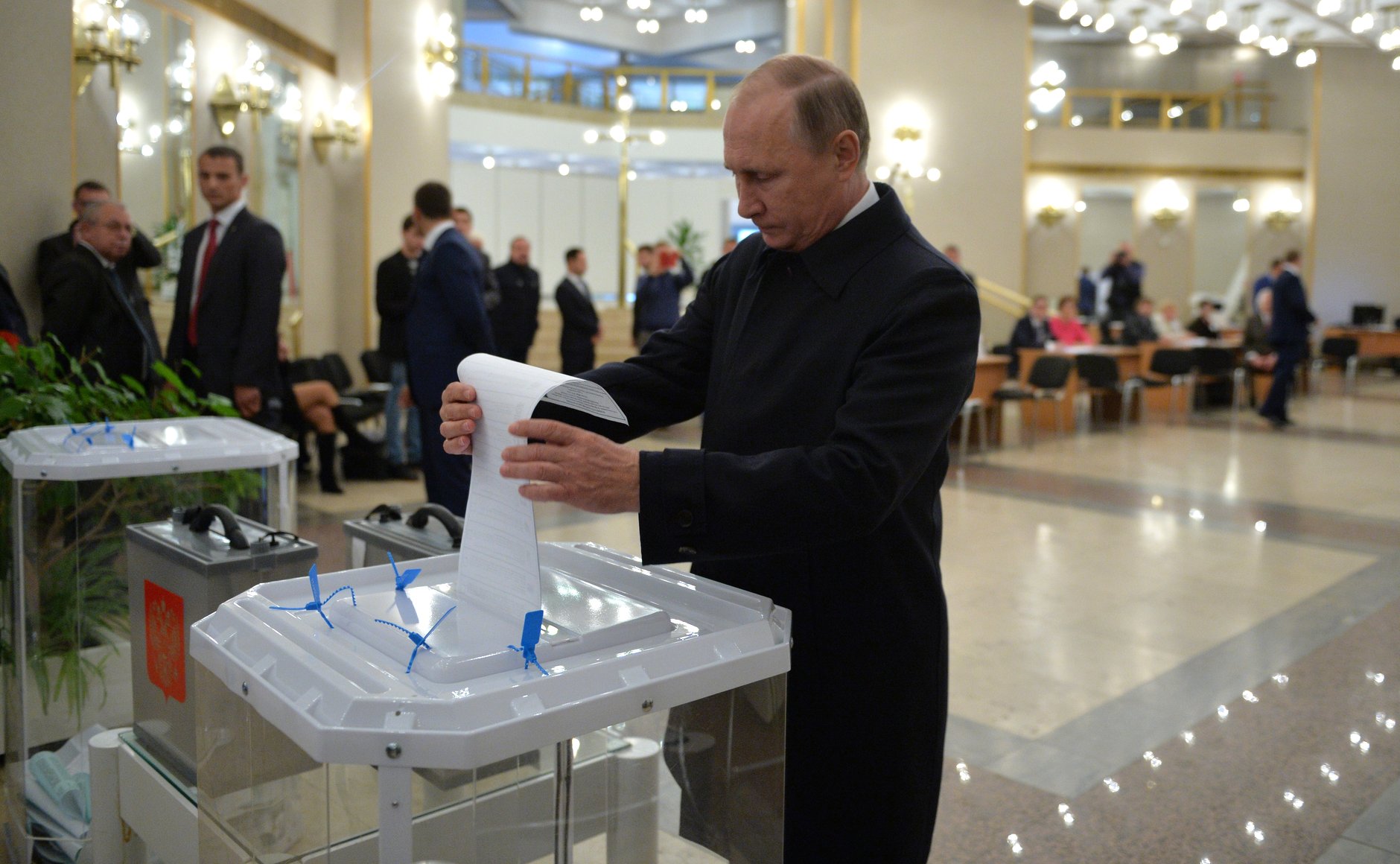
There were 13 national elections in Europe over the past six months. Voter turnout was particularly notable in France’s parliamentary elections, where it increased to 66.6 per cent, up from 46.2 per cent in the 2022 elections, reflecting energy injected by a new generation of politicians, as well as by the prospect of the far-right coming to power. As Bulgaria held its seventh parliamentary election since 2021, and its second this year, voter turnout hovered around 38.9 per cent—a persistently low figure observers attributed to widespread distrust in the political leadership. Women’s representation in the legislature improved the most in the United Kingdom, from 34.8 per cent to 40.5 per cent.
Rights
The category of Rights was by far the most impacted in Europe over the past six months. Negative developments outweighed positive ones, especially concerning Civil Liberties and Social Group Equality, as governments struggled to balance security concerns with respect for rights.
Freedom of Association and Assembly
Slovakia restricted the right to assembly as part of its “Lex Assassination,” which the ruling coalition claimed aims to enhance security following the assassination attempt on Prime Minister Robert Fico. A security bill pending in Italy’s Parliament would criminalise peaceful protests such as road blockades, punishable with up to two years in prison. Events like these could stifle dissent and create a chilling environment for those who advocate for change.
Freedom of Expression and Freedom of the Press
Moldovan security services suspended access to several websites, justifying these restrictions with reference to national security and foreign interference. There were also cases of restrictions on access to the Internet and social media platforms, often with little transparency around its justifications. Türkiye imposed a ban on Instagram without an official explanation or a court order. Russia blocked access to the messaging app Discord, following earlier bans on YouTube (subsequently restored in November) and Signal. In Albania, the Prime Minister announced a one-year ban on TikTok, after the platform was used to incite the murder of a 14-year-old boy.
Political Equality
There has been limited progress in the second half of the year with regard to political equality, particularly gender equality and LGBTQIA+ rights, aside from encouraging cases such as new guidelines aiming to ease abortion procedures in Poland and record women’s representation in ministerial roles in Armenia.
In terms of LGBTQIA+ rights, a ruling by the European Court of Justice found that Romania violated the rights of a British-Romanian citizen when authorities failed to recognize a change to their legal gender effected in the UK, setting an important precedent. The Constitutional Court in Lithuania annulled parts of a law that restricted the spread of LGBTQIA+ content for minors. However, a broad range of LGBTQIA+ rights were restricted, including in Bulgaria and in Georgia. Italy criminalised pursuing surrogacy abroad, particularly affecting LGBTQIA+ communities, who are already excluded from adoption and other infertility treatments.
Social Group Equality
Issues of inequality were clear in the lack of protection for vulnerable populations, including migrants and asylum seekers. In Italy, the death of a migrant farm worker exposed the exploitation of immigrant labour. In Poland, the government decriminalised the use of weapons in border management. In Portugal, a police officer fatally shot a man, originally from Cabo Verde, leading thousands to protest police violence, particularly against people of African descent. Riots targeting migrants and ethnic minorities erupted in the United Kingdom following disinformation about the identity of the perpetrator of a knife attack at a children’s dance class. This was also an issue in lower-performing contexts, including in Russia, where Central Asians were targeted, and in Türkiye where Syrians faced hostility. Discrimination and violence against marginalized groups risks further deepening inequalities and divisions, limiting equal participation in political and civic life.
Yet courts have acted as valuable accountability mechanisms. A landmark ruling by the Irish High Court found the government failed to meet asylum seekers’ basic needs, amid issues with homelessness and rising hostility against asylum seekers. The European Court of Human Rights ruled that Cyprus violated human rights when it intercepted two Syrian migrants at sea and immediately returned them to Lebanon. Italy’s government and judiciary were embroiled in a dispute over a deal to set up migration detention centres in Albania—the outcome could influence not only these two countries but also the approach to migrant policies in other countries that have expressed interest in this model.
Rule of Law
In several countries, key anti-corruption institutions were weakened, threatening to enable impunity, diminishing trust in institutions and reducing accountability. In Slovakia, the Constitutional Court upheld controversial parts of penal code reform, including the abolition of the Special Prosecutor’s Office, which handled cases of organized crime, corruption and extremism, and the government also disbanded the National Crime Agency, tasked with investigating corruption. The Supreme Court in Cyprus ruled in favour of the dismissal of the Auditor-General, leading thousands of people to protest corruption. In Ukraine, the Prosecutor General resigned following revelations that dozens of prosecutors and other civil servants were falsely classified as “disabled” to avoid military conscription.
However, there were also promising cases, including in Poland, where the former ruling party, Law and Justice (PiS) was held accountable for campaign financing violation, and in Albania, where organized crime and high-level corruption are taking a hit.
Participation
The most impacted factor of Participation has been Civil Society, with negative impacts seen particularly in low-performing countries. Azerbaijan saw an escalating crackdown on civil society in the run-up to both its September parliamentary election and the United Nations Climate Change Conference (which it hosted). For the first time since the early 2000s, more than 300 political prisoners are Azerbaijani human rights activists. Russian legislation now classifies any Russian entity founded or funded by a foreign government as an “undesirable organization.”
Most positive developments have impacted Civic Engagement, from mass protests against lithium-mining in Serbia to demonstrations in Georgia after the government decided to pause the country’s EU accession.
What is important to watch over the next 6 months?
It will be crucial to closely monitor how governments’ migration policies impact Freedom of Movement and a range of other rights, including in Germany, Finland, and Poland. Additionally, attention should be paid to Italy’s deal with Albania on outsourced detention facilities, and its proposed security bill, which could create up to 20 new offenses, including passive resistance, and expand surveillance in prisons and detention centers. In terms of hopeful signals, the progress of a bill introduced in Poland that would provide for the legal recognition of same-sex partnerships should be followed closely, as this marks a significant step given the restrictions on the LGBTQIA+ community under the previous government.
With regard to Rule of Law, anti-corruption efforts in the Western Balkans, especially in Albania and North Macedonia where top political figures are under investigation for corruption, deserve careful scrutiny.
As for Representation, the final decision of Bosnia and Herzegovina’s Constitutional Court on new laws creating a parallel electoral system in Republika Srpska will be a key development to track.
What we are reading
We are reflecting on “left-behindness,” a term applied to places shaped by differential impacts of globalization and technological change, including economic decline, de-industrialisation, ageing populations, poverty, and limited access to government services. Recent research from the London School of Economics and the European Commission links rising political discontent— marked by low citizen engagement, Euro-scepticism, and anti-system sentiments—to economic stagnation, challenging narratives focused primarily on cultural shifts or identity politics. While justified on public safety grounds and for fighting segregation, as Selma Hedlund argues, Denmark’s policy of forcibly relocating residents from low-income, predominantly immigrant neighbourhoods risks further entrenching grievances by undermining trust in government, while raising questions about belonging and national identity.
These readings offer food for thought on how governments can design anti-segregation and security policies that promote genuine inclusion, address disparities, and avoid alienating marginalized groups.
Factors of Democratic Performance
Scores represent regional averages in 2024.
*Data represents an average of the entire region
Number of events reported
See the most frequently impacted categories of democratic performance over the last six months
North/Western Europe
Southern Europe
Central Europe
Eastern Europe
Most impacted factors of democracy
| Political Equality |
|
37x |
| Civil Liberties |
|
29x |
| Predictable Enforcement |
|
14x |
Critical Events
- Georgia - December 2024 | New president sworn in amid protests and controversy
- Romania - November 2024 | Constitutional Court annuls presidential election
- Georgia - October 2024 | Georgia holds legislative elections under new electoral system
- Georgia - September 2024 | Parliament approves controversial bill restricting LGBTQIA+ rights
- Bulgaria - August 2024 | Parliament approves amendment banning LGBTQIA+ “propaganda” in schools
- Slovakia - July 2024 | Parliament approves “Lex Assassination” restricting right to assembly
Specially Tagged Events
Democracy Notes


Archive
See past regional pages or use the archive to design a customized search to find exactly what you are looking for.




Africa and Western Asia
July - December 2024
During the second half of 2024, key trends in Africa and West Asia included armed conflict, attacks on opposition parties, new media restrictions and protests. Sixteen national elections took place during this period.
Looking ahead, it will be important to continue to monitor the region’s many armed conflicts, as well as the peace processes in Gaza and Lebanon. Also worth watching are the political transitions in countries such as South Sudan, Chad, Gabon, Libya and Syria and rights-restricting bills in Iraq, Burkina Faso and Zimbabwe. Finally, the elections scheduled for the first half of 2025 in Togo, Gabon, Comoros and Burundi all warrant attention.
Emerging patterns
What are some important thematic trends that have emerged over the last 6 months?
Representation
Restrictions on political party freedoms remained one of the starkest trends during the second half of 2024. Of these, attacks on the personal integrity and security of opposition members and supporters were the most widely reported, including in Eswatini, Mozambique, Tanzania, Uganda and Zimbabwe.
Blanket bans on political parties continued to be a live issue, with Guinea dissolving and suspending over one hundred parties. There were, however, positive developments in Mali, where the junta lifted a suspension on political parties and associations, and in Gabon, where proposals for a similar measure were omitted from the country’s new constitution.
Rights
Armed conflicts in Africa and West Asia continued to negatively impact rights. Intensified fighting in Palestine and Sudan left millions without access to basic necessities.
In Palestine, freedom of the press was undermined by the Israeli military’s shuttering of the Ramallah offices of Al Jazeera, one of the few international media outlets reporting from Gaza. Media freedoms have also been curtailed in Tanzania, where a major newspaper publisher was suspended, in Chad and Cameroon, which imposed stringent new reporting restrictions, and in Burkina Faso, where several journalists disappeared in a spate of suspected state abductions. Concerns were further raised by the launch of a joint media platform by Burkina Faso, Mali and Niger, where the juntas are attempting to strengthen state-controlled information and counter critical international reporting.
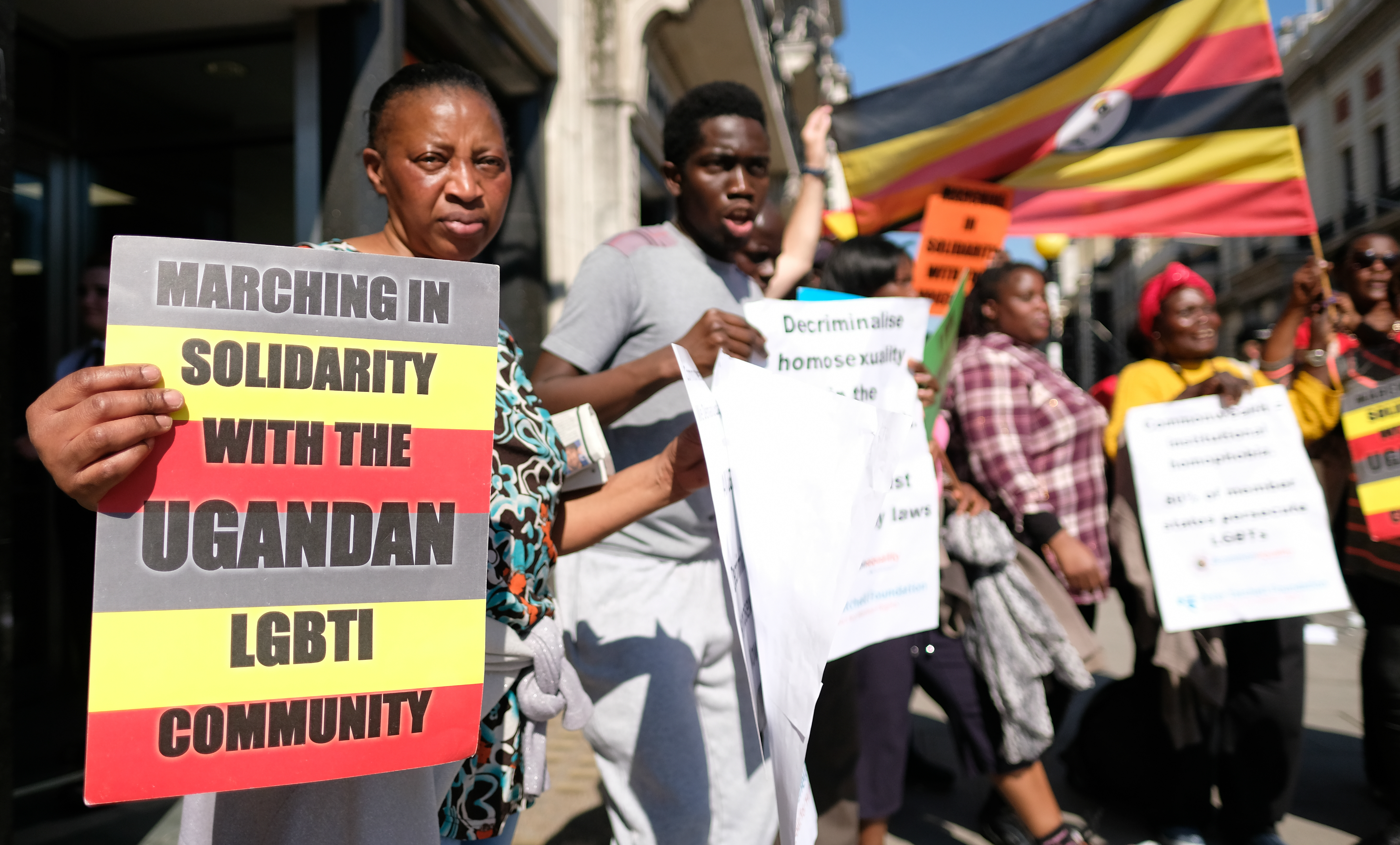
Another area of concern is LGBTQIA+ rights, with draft legislation in Mali and Burkina Faso poised to criminalize homosexuality and a growth in anti-LGBTQIA+ rhetoric and violence in Côte d’Ivoire.
There have been several positive developments concerning access to justice for historical crimes. In Guinea and Uganda, convictions for crimes against humanity were secured in domestic courts for atrocities committed by former Guinean President Moussa Dadis Camara and rebel commander Thomas Kwoyelo, respectively. ECOWAS approved the establishment of a Special Tribunal for The Gambia to prosecute crimes committed under former President Yahya Jammeh’s rule and, in Zimbabwe, President Mnangagwa launched community hearings over the ‘Gukurahundi’ massacres carried out by the country’s military in the 1980s.
Rule of Law
Armed conflict and insecurity have had a major impact on the rule of law, particularly personal integrity and security. In the Middle East, the spillover of the Gaza war to the West Bank and Lebanon has significantly increased the number of civilian casualties and led to several political assassinations, including that of Hezbollah Secretary-General Hassan Nasrallah. Civilian casualties also spiked in Sudan, with attacks carried out on displacement camps, villages and markets. Mali, Burkina Faso and Oman suffered major terrorist attacks on civilian targets in the second half of 2024. Reports of alleged torture in Israel and Lesotho, a country suffering from escalating gang violence, reflect the challenges of protecting human rights in contexts of conflict and insecurity.
Judicial independence also faced setbacks. These included allegations of undue executive interference in the courts in Burkina Faso, following the junta’s forced conscription of several magistrates, and in Zambia, where President Hakainde Hichilema dismissed three Constitutional Court judges who had previously ruled against him. Questions were also raised in Tunisia when, ahead of the country’s presidential election, the electoral commission repeatedly refused to comply with the Administrative Court’s order to reinstate three opposition candidates, and then again when the Court was subsequently stripped of its electoral dispute jurisdiction.
Participation
There were 16 national elections in Africa and Western Asia in the second half of the 2024 election supercycle – six presidential and ten parliamentary. The average voter turnout was 60.3 per cent. Tunisia’s presidential election saw a particularly low turnout of 28.8 per cent, but a majority of countries recorded higher participation, with Namibia reaching a two-decades high. In the countries that held parliamentary elections, average female representation in parliament increased from 27.5 to 28.9 per cent and Namibia’s Netumbo Nandi-Ndaitwah was the only female president elected in the region (the first in Namibia’s history). Incumbent governments lost elections in Mauritius, Ghana and Botswana, which experienced its first transition of power since independence in 1966. Elections were postponed in South Sudan, Cameroon and Guinea-Bissau.
Beyond elections, civic engagement through protest remained significant. Kenya’s youth-led protests inspired similar mobilizations in other parts of Africa, most notably in Nigeria, where tens of thousands took to the streets across the country to demonstrate against rising costs of living. Elsewhere major protests erupted over a range of issues including elections (Mozambique, Ghana, Syria), illegal mining (Ghana), the abduction of activists (Guinea) and the assassination of the Hamas leader, Ismail Haniyeh (Palestine). Yet, in many contexts, protesters have had to contend with repressive policing, that in extreme instances, such as in Mozambique, Nigeria and Kenya left many dead, injured and forcibly disappeared. Civic space also shrank through restrictive legislation curtailing civil liberties, such as in that enacted in Angola, while in Ethiopia, 1,500 civil society organizations were shut down for failing to meet stringent reporting requirements.
What is important to watch over the next 6 months?
Looking ahead, the impact of ongoing armed conflicts on Rights and Rule of Law will remain important to monitor. African countries to watch in this regard include, the Democratic Republic of the Congo, Mozambique, Somalia, Ethiopia (particularly the ongoing insurgencies in Amhara and Oromia regions), as well as many parts of the conflict-affected Sahel region, especially Sudan, where experts warn of an acute risk of further ethnic killings and genocide. In West Asia, monitoring the fragile ceasefire agreement between Israel and Hamas as well as the ceasefire agreement between Israel and Hezbollah in Lebanon will be key.
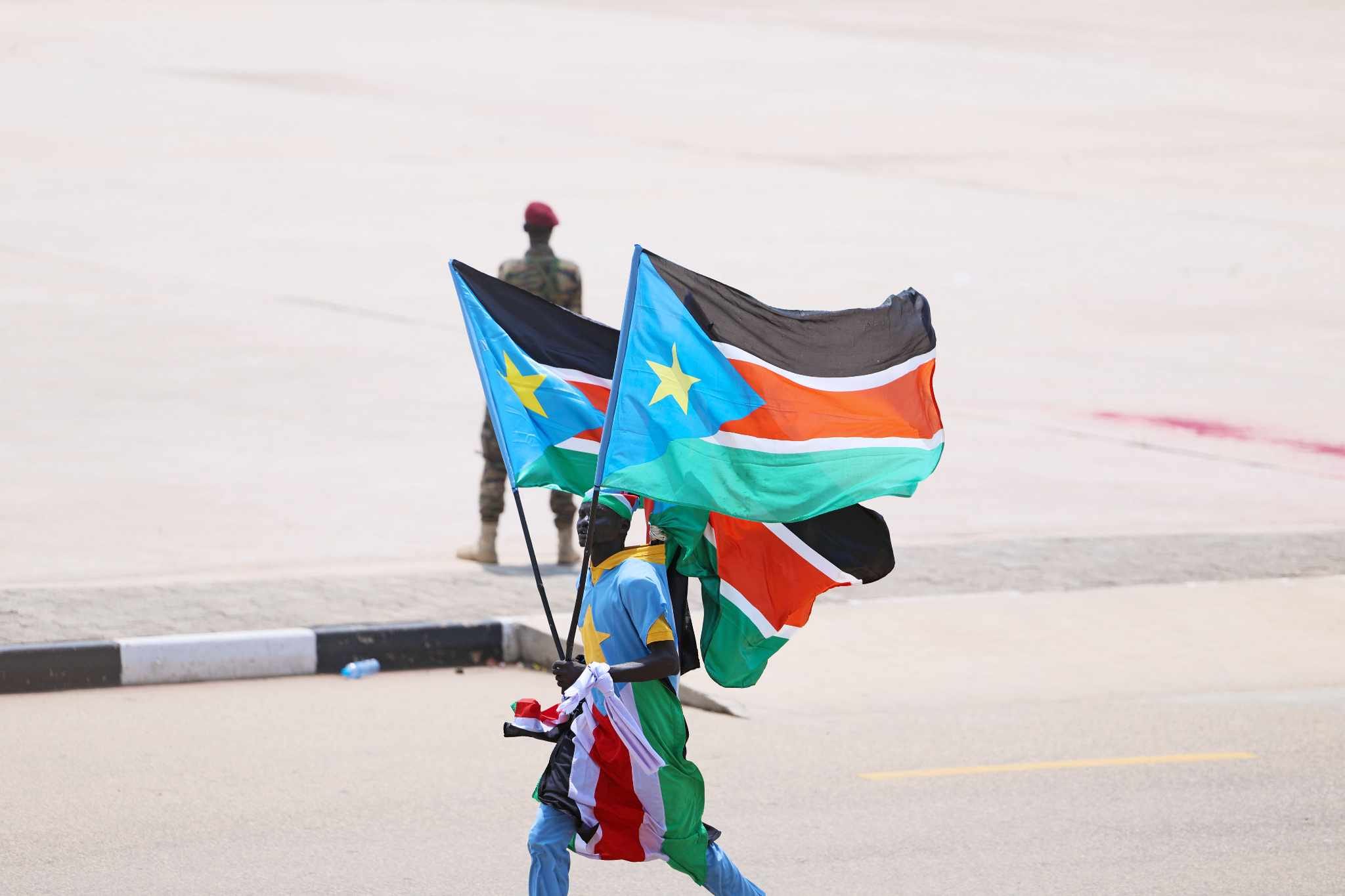
The second half of 2024 further highlighted the precariousness of democratic transitions in the region, which should continue to be monitored. The latest postponement of South Sudan’s elections pushes its first post-independence elections to 2026. Chad’s parliamentary elections continued its transition from military rule, but new media restrictions and attacks on political parties have raised concerns about its trajectory. Elsewhere in Central Africa, Gabon is also transitioning from military rule, with elections due in 2025, following approval of its new in November. In Libya, the completion of the first phase of municipal elections in November marked progress towards long-delayed general elections and the establishment of a unified national government. The trajectory of Syria’s political transition following the fall of Bashar al-Assad’s authoritarian regime, also bears watching.
In the legislative arena, a draft law in Burkina Faso threatens to restrict the rights of the LGBTQIA+ community, and there are fears that amendments to Iraq’s family law that will give a central role to religious doctrines will undermine Gender Equality (proposed changes to Moroccan family law offer a positive counterpoint). Also of concern are renewed efforts in Zimbabwe to enact legislation that would significantly extend executive powers over civil society organizations.
During the first half of 2025, national elections will be held in Togo, Gabon, Comoros and Burundi .
What we are reading
Zeinab Badawi's An African History of Africa (2024) offers a transformative narrative of the continent’s past by centering African voices and traditions. Through extensive engagement with local historians and storytellers, Badawi challenges colonial frameworks and emphasizes Africa's rich legacy. By reclaiming and validating African historical narratives, the book fosters a sense of identity and pride essential for democratic engagement. Recognizing and integrating these perspectives can lead to more inclusive governance structures that respect and represent the continent's diverse populations. The work also prompts reflection on the role of historical understanding in shaping democratic futures. It raises questions about how decolonized histories can be incorporated into educational systems to cultivate informed citizens and how such narratives can address present inequalities, thereby strengthening democracies across the region.
Making Sense of the Arab State (2024) is an edited volume by Steven Heydemann and Marc Lynch, and a pivotal resource for anyone interested in exploring governance, state dynamics, and the prospects for democracy in Western Asia and North Africa. The essays are written by leading experts and challenge the conventional portrayal of Arab states as inherently weak by Western standards. Instead, it highlights the resilience and adaptability of these regimes, focusing on how authoritarian governance persists amid intense economic and social pressures, particularly following the 2011 uprisings. The book shifts the analytical lens from deficiencies to the mechanisms underpinning regime survival, exploring how regimes effectively employ coercion, sectarianism, and non-state governance to consolidate power. By rethinking state capacity and regime resilience, it provides a nuanced understanding of the structural and institutional strategies that sustain authoritarian rule. This perspective is indispensable for those seeking to understand the trajectories of governance in the region and its democratic prospects.
African Insights 2024: Democracy at risk – the people’s perspective (2024) is the inaugural flagship report of Afrobarometer, a pan-African research network and the pre-eminent collector of data on African perceptions of democracy, governance, the economy and society. Drawing on over a decade’s worth of data from 39 countries, the report comes to a number of key conclusions about African attitudes towards democracy. The first is that support for democracy remains reasonably strong. On average, two thirds of those it surveyed expressed a preference for democracy over any other system of government. It finds, however, that satisfaction with democracy is weaker - only 45 per cent of respondents thought their countries were mostly or completely democratic. Moreover, preference for democracy and satisfaction with how it is performing are both in decline. Interestingly, Afrobarometer’s analysis finds that while deepening dissatisfaction with democracy is strongly associated with perceived declines in political and socioeconomic performance, declining preference for democracy seems to be driven primarily by political factors, such as corruption in local government, poor quality elections and a lack of presidential accountability.
Factors of Democratic Performance
Scores represent regional averages in 2024.
*Data represents an average of the entire region
Number of events reported
See the most frequently impacted categories of democratic performance over the last six months
West Africa
Central Africa
East Africa
Southern Africa
North Africa
Western Asia
Most impacted factors of democracy
| Civil Liberties |
|
34x |
| Personal Integrity and Security |
|
34x |
| Political Equality |
|
19x |
Critical Events
- Syrian Arab Republic - December 2024 | Armed opposition forces overthrow al-Assad and form interim government
- Mozambique - November 2024 | Dozens killed as post-election violence escalates further
- Botswana - October 2024 | Ruling party defeated in general election, after 58 years in power
- Lebanon - September 2024 | Israel heavily intensifies deadly attacks across Lebanon
- Tanzania - August 2024 | Hundreds of opposition leaders arrested in the run-up to local elections
- Iran - July 2024 | Reformist Masoud Pezeshkian wins snap presidential election
Specially Tagged Events
Democracy Notes



Archive
See past regional pages or use the archive to design a customized search to find exactly what you are looking for.

Murithi Mutiga on Africa’s elections supercycle: Countering coups, electoral credibility and developments to watch
2024 is the year of the global elections supercycle. Seventy-three national elections are scheduled to be held before the end of the year, with 18 of these taking place in African countries.
Entrevista con la Dra. Dinorah Azpuru sobre el estado de la democracia en América Latina
Los Índices sobre el Estado Global de la Democracia de IDEA Internacional muestran poco crecimiento democrático en América Latina. En un periodo de cinco años, más países han experimentado retrocesos estadísticamente significativos en nuestras mediciones de la democracia, que el número de países con mejoras. IDEA Internacional entrevistó a la Dra.
Out of mind, out of sight - Freedom of the press and speech in South Caucasus and Türkiye
On the night of 21 August, Bahruz Samadov, an Azerbaijani doctoral candidate at Charles University in Prague, disappeared from the streets of Baku. He was not located until the following morning, when his family was able to confirm he had been arrested and charged with treason for having online contact with Armenians.
Interview with Dr. Dinorah Azpuru on the state of democracy in Latin America
The latest data from the Global State of Democracy Indices points to little democratic growth in Latin America. More countries are experiencing five-year statistically significant declines than are improving. International IDEA interviewed Dr. Dinorah Azpuru, Political Science Professor at Wichita State University (Kansas, United States), to obtain her point of view on what the latest data says.
Africa and Western Asia
January - June 2024

During the first half of 2024, key trends in Africa and Western Asia included armed conflict, attacks on opposition parties, and advances and declines in LGBTQIA+ and women’s rights. Ten national elections took place in the region during this period. The events have been organized below according to the category of democratic performance where they had the greatest impact.
Looking ahead, it will be important to continue to monitor armed conflict in places such as Gaza and Sudan, as well as a set of diverse governance issues in Palestine and Kuwait, youth-led protests in Kenya and complex transitions in countries such as Burkina Faso, Mali, Niger and Gabon that have experienced unconstitutional changes of government. Finally, it will be important to watch the twelve national elections scheduled to take place during the latter half of the year.
Emerging patterns
What are some important thematic trends that have emerged over the last 6 months?
Representation
One of the clearest trends to have emerged in the first six months of 2024 is that of attacks on opposition parties. Some of the most extreme examples include blanket bans on some political parties and coalitions imposed by the governments of Mali and Cameroon, respectively. The military regime in Gabon looks set to follow suit, after a national conference in April recommended the suspension of all political parties pending new regulations. The deaths of Bate Urgessa in Ethiopia and Yaya Dillo Djerou in Chad, both allegedly at the hands of state security forces, also highlighted the vulnerability of opposition politicians in these countries to physical attack. In Chad and in Zimbabwe, the courts have played a role in restricting political party freedom, with judiciaries controversially excluding opposition candidates from competing in key national elections and paving the way for incumbent wins.
Rights
The region also experienced several significant advances and declines in LGBTQIA+ and women’s rights in the first half of the year. The parliaments of Ghana and Iraq passed highly restrictive anti-LGBTQIA+ legislation that prescribe heavy prison sentences for same sex relations, being transgender and promoting homosexuality, thereby shrinking civic space for advocacy and support work. The constitutionality of the Ghanaian bill, which has not yet been signed into law, is being challenged in the country’s Supreme Court. In June, Namibia’s high court overturned two colonial-era laws criminalising same-sex conduct, ruling that they unfairly discriminated against gay men and were therefore unconstitutional. The case was brought by a prominent Namibian LGBTQIA+ activist. Attitudes towards homosexuality vary across Africa and tolerance levels in Namibia and the southern Africa region more broadly are amongst the highest on the continent.
Gender equality continued to be undermined in Iran, where the police assaulted women and girls in a violent new hijab enforcement campaign in April. There was a potential setback, too, in Somalia, where a constitutional amendment setting the ‘age of maturity’ at 15 is predicted to perpetuate high levels of child marriage, particularly for girls. In contrast, Sierra Leone’s parliament passed legislation outlawing this practice. Women’s political representation was given a boost in the Democratic Republic of Congo, when President Félix Tshisekedi appointed the country’s first female prime minister, Judith Suminwa Tuluka.
Rule of Law
The impact of armed conflicts on the rule of law and rights is another area of concern for the region. Warnings from UN experts that genocide is being committed in Gaza and that it may have been committed in Darfur and the massacre of over two hundred civilians by the army in Burkina Faso, underscore the gravity of the breaches of Personal Integrity and Security and the threats the conflicts pose to Social Group Equality. Freedom of Movement has also been significantly impacted, with large scale displacement a feature of the wars in Gaza and Sudan, as well as the Democratic Republic of Congo, the Cabo Delgado region of Mozambique, and the Amhara region of Ethiopia, where clashes between the government and ethnic militia have also prompted an extension of a state of emergency restricting people’s movement. The conflicts have also coincided with growing restrictions on Freedom of the Press, with operations or access to foreign media outlets suspended in Israel, Sudan and Burkina Faso. The repression of pro-Palestinian protests in Jordan highlighted how the effects of armed conflict on Civil Liberties are being felt beyond the borders of war-torn countries.
Participation
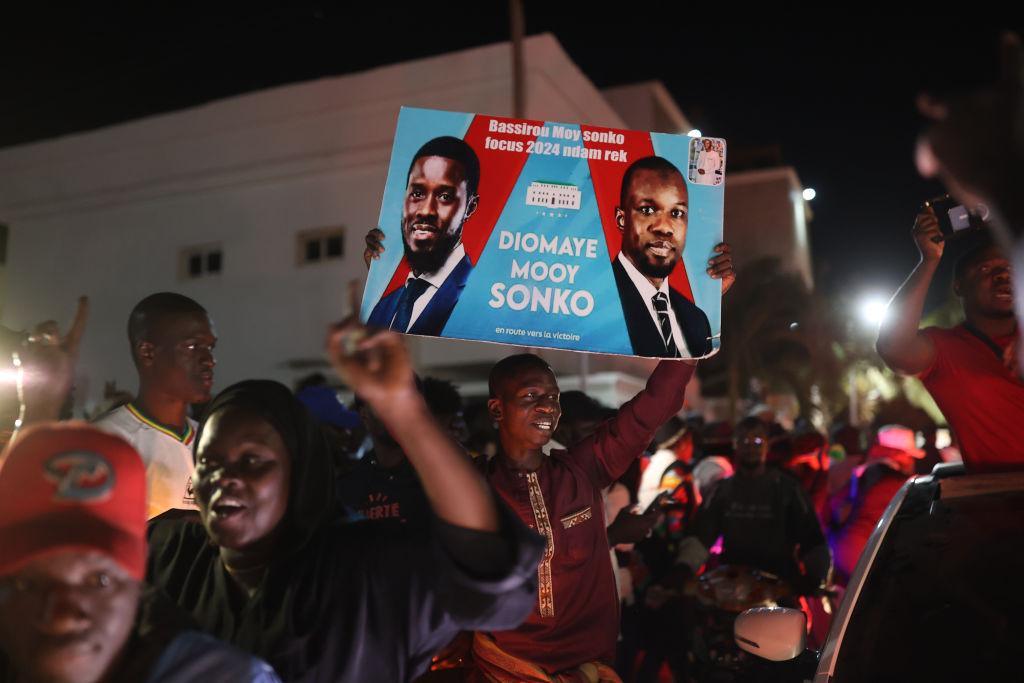
There were 10 national elections in Africa and Western Asia in the first half of the 2024 election supercycle, of which five were presidential and five parliamentary. The average voter turnout was 57.37 per cent. Turnout for Iran’s parliamentary elections and the first round of its Presidential election was particularly low (just 40 per cent in both), reflecting pervasive disenchantment with the country’s political system. In the countries that held parliamentary elections, average female representation declined from 18.46 to 16.97 per cent and none of the presidential elections returned a woman president -notwithstanding the appointment of new female prime minister in the Democratic Republic of the Congo. Only Senegal’s presidential election resulted in a transfer of power, with Bassirou Diomaye Faye of the African Patriots of Senegal for Work, Ethics and Fraternity succeeding Macky Sall of the Alliance for the Republic. The election was also notable for the resilience shown by Senegal’s courts, electoral commission and civil society, which ensured a peaceful transition amidst a constitutional crisis that threatened to destabilise its democracy. In South Africa’s general elections, the long-governing African National Congress party lost its absolute majority, resulting in the formation of the first national coalition government since 1994.
What is important to watch over the next 6 months?
Looking ahead, an important area to watch will be the continuing impact of the region’s armed conflicts on Rights and Rule of Law. Ongoing legal proceedings in the International Criminal Court and the International Court of Justice as well as investigations by UN experts are likely to shed light on the human rights violations that have taken place in Palestine, Israel and Sudan, as well as the risk of future abuses.
The conflict in Gaza has also raised questions about Palestine’s future governance, prompting renewed calls for democratic reforms to the Palestinian Authority. It is unclear whether such calls will be heeded, but it is likely that pressures for reform will grow once the conflict comes to an end. Governance issues are also live in Kuwait, where, in May, the Emir responded to prolonged parliamentary-executive deadlock by dissolving parliament and suspending parts of the constitution. In Kenya, the emergence of a youth-led protest movement pressing for governance reform has placed the government under pressure, particularly on issues such as corruption and police brutality. The potential impact of these protests on Civic Engagement, Absence of Corruption and Civil Liberties bears monitoring.
The first half of 2024 underlined the fragility of the democratic transitions in Africa’s coup-affected countries, with both Mali and Burkina Faso failing to honour commitments to hold transitional elections and extending the rule of their respective juntas. Revisions to the transitional charters of both countries and those recommended by Gabon’s national conference look set to further entrench the rule of these military governments, with particularly concerning consequences for Free Political Parties and Elected Government.
There are twelve national elections scheduled in the region for the second half of 2024, including presidential and parliamentary elections in South Sudan which, if held, will be the first in its post-independence history.
Expert Interview

Murithi Mutiga
International Crisis Group’s Program Director for Africa
Murithi Mutiga on Africa’s elections supercycle: Countering coups, electoral credibility and developments to watch
READ MOREFactors of Democratic Performance
Scores represent regional averages in 2024.
*Data represents an average of the entire region
Number of events reported
See the most frequently impacted categories of democratic performance over the last six months
West Africa
Central Africa
East Africa
Southern Africa
North Africa
Western Asia
Most impacted factors of democracy
| Personal Integrity and Security |
|
29x |
| Civil Liberties |
|
25x |
| Political Equality |
|
19x |
Critical Events
- Kenya - June 2024 | Dozens killed as police repress youth-led anti-tax protests
- Mali - April 2024 | Mali indefinitely suspends political parties and associations
- Israel - March 2024 | UN expert report finds ‘reasonable grounds’ genocide is being committed by Israel in Gaza
- Chad - February 2024 | Opposition politician killed by security forces
- Comoros - January 2024 | Riots, a curfew, and Internet shutdown after contested election
Specially Tagged Events
Democracy Notes
Archive
See past regional pages or use the archive to design a customized search to find exactly what you are looking for.
Spotlight on South-East Asia: the Abuse of State Resources in Elections
The abuse of state resources to influence the outcome of elections in favor of preferred candidates has resurfaced in Indonesia and the Philippines and now poses one of the biggest challenges to organizing clean and credible elections in the region.