Parliamentary election (TBC)
Status
Upcoming
Parliamentary elections are scheduled to take place in Cameroon in 2026.





Parliamentary elections are scheduled to take place in Cameroon in 2026.
A snap general election was held for the House of Representatives on 8 February 2026.
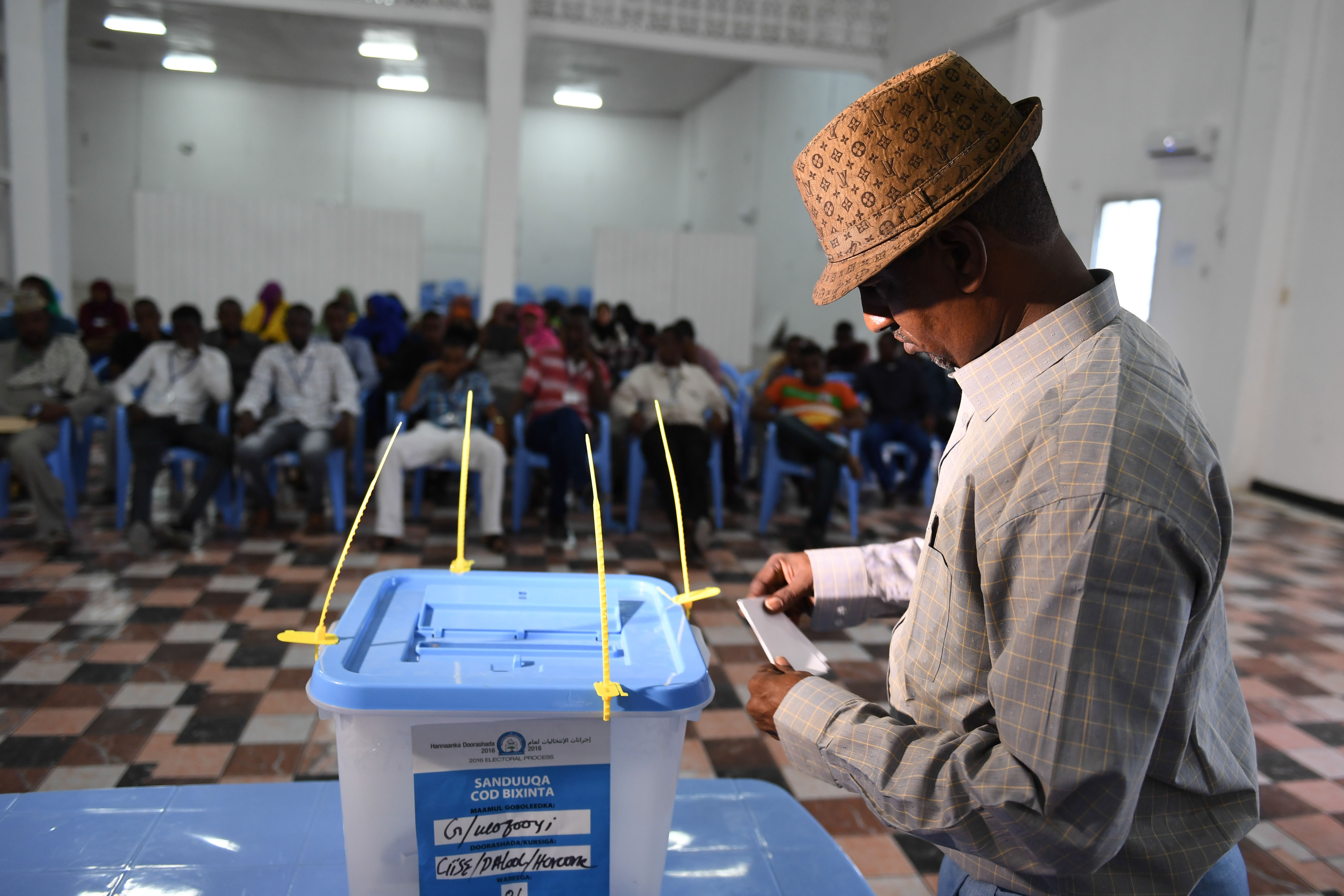
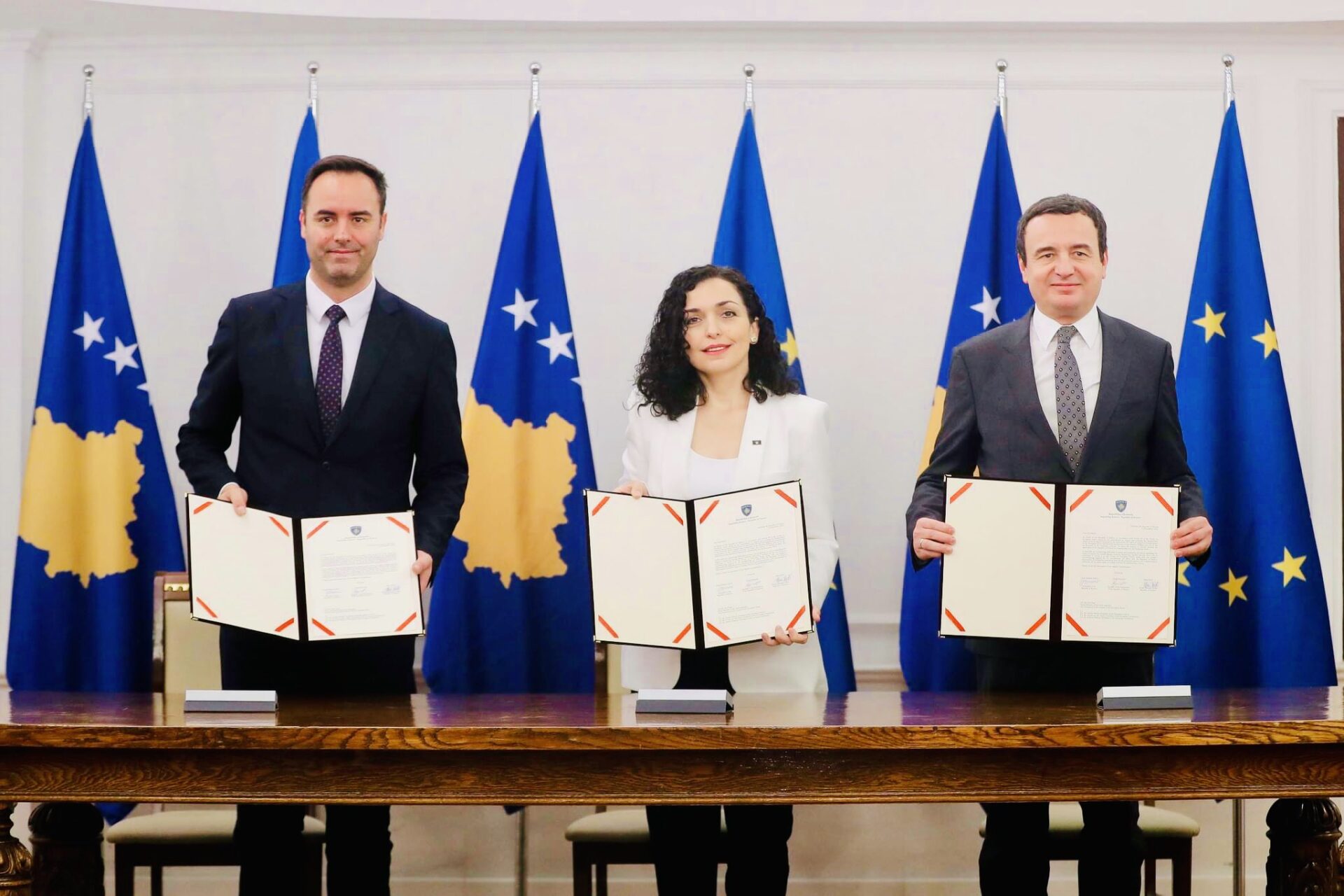
Prime Minister Albin Kurti’s Vetevendosje (VV) won the snap parliamentary elections held on 28 December, with 51.1 per cent of the vote and 57 of 120 seats, the strongest result by any party since the country’s independence. The Democratic Party of Kosovo (PDK) secured 20.2 per cent (22 seats) and the Democratic League of Kosovo (LDK) 13.2 per cent (15 seats). The Serbian List kept its nine reserved seats and the Freedom, Justice and Survival Party retained the remaining one reserved for the Serbian minority.
On 22 December, the Fray Bentos Court in Uruguay sentenced nine retired military officers to prison terms ranging from 11 to 15 years for crimes committed during the 1973-1985 military dictatorship. They were convicted of serious human rights violations, including arbitrary detentions and systematic torture, with the case highlighting the torture and death of Dr. Vladimir Roslik, the dictatorship's last known victim. The court classified these acts as crimes against humanity and issued a formal apology on behalf of the state to the victims and their families. This ruling marks a pivotal step toward addressing historical injustices and reaffirming the state's commitment to truth, justice, and reparation.
Sources: Infobae, TeleSur, El Popular, Sitios de Memoria Uruguay
On 28 December, a wave of protests erupted across Iran, marking one of the most serious episodes of unrest since the Woman, Life, Freedom protests in 2022-2023. The demonstrations began in Tehran’s Grand Bazaar, where shopkeepers closed their businesses in protest against soaring inflation and the collapse of the national currency. Although initially driven by economic grievances, the protests rapidly started to spread across the country, evolving into broader anti-government demonstrations with the participation of large sectors society, including students, workers and retirees. In the final days of the month, security forces responded using tear gas, beatings and carrying out mass arrests. The protests intensified as they continued into January 2026, with at least 6,000 people killed.
Sources: Associated Press (1), Middle East Eye, The Guardian, Iran International, International IDEA, Associated Press (2)
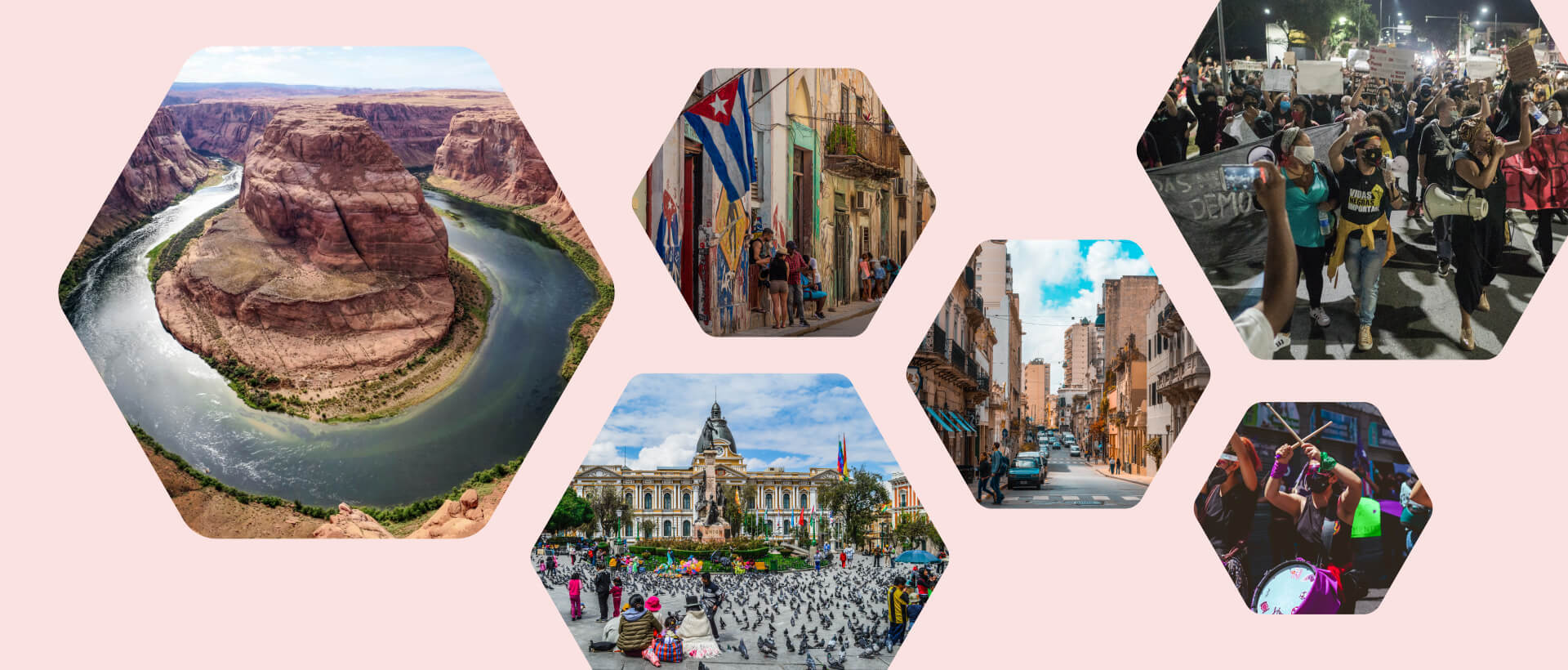
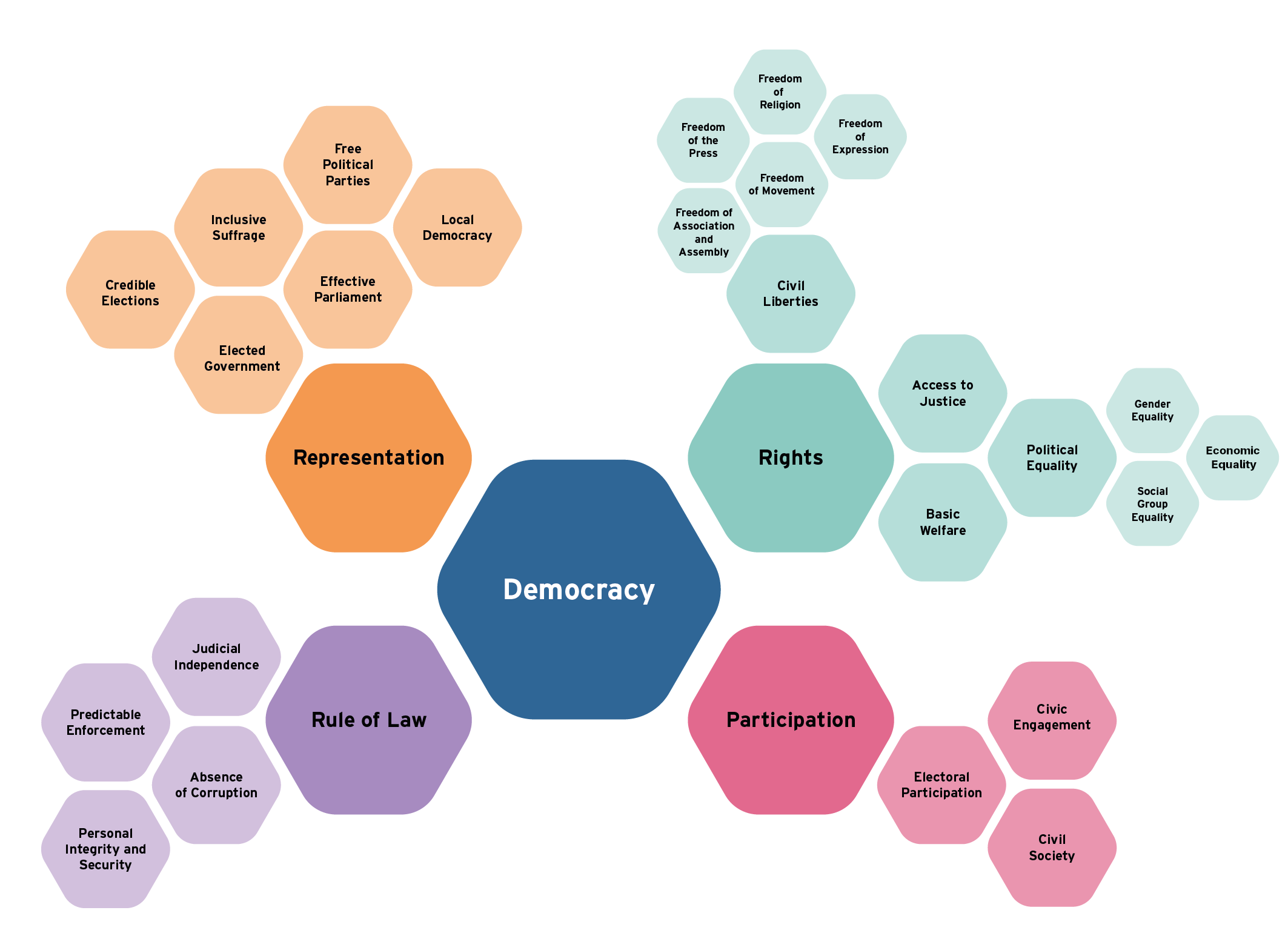
In the second half of 2025, executive overreach, expanded surveillance and selective enforcement resulted in democratic representation and rights declining across much of the region, with some of the sharpest setbacks in the United States. Even so, some countries made meaningful progress on rights protections, particularly by improving the conditions of social groups and advancing gender equality. Other pockets of progress were notable in anti-corruption efforts and accountability for historic crimes. Despite security conditions deteriorating in several countries, civic engagement and large-scale citizen mobilizations increased in others.

Representation
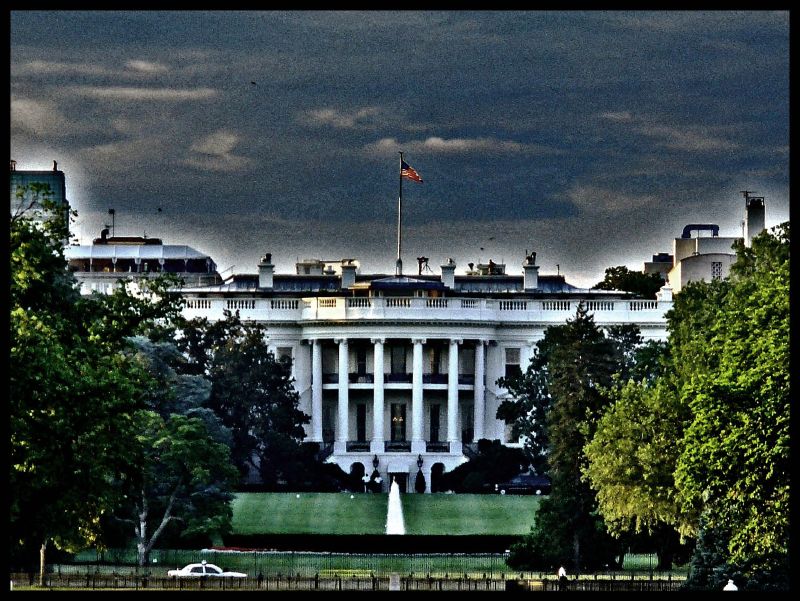
In the Representation category, insufficient checks on presidential power in the region weakened political pluralism and risked democratic stability. In El Salvador, the introduction of indefinite presidential re-election contributed to this decline, while the political crisis in Peru culminated in former president Dina Boluarte’s removal by Congress. In the United States, Congress’s weakened ability to check executive power was highlighted by continued strikes on alleged drug-smuggling boats despite lawmakers’ oversight concerns, an issue that escalated in January with the capture of Nicolas Maduro. The record-long U.S. government shutdown further illustrates declining congressional effectiveness, while deepening gerrymandering reflected a broader deterioration in political pluralism.
However, in a positive step for the political transition, Haiti launched a long awaited electoral calendar and adopted new electoral legislation, after having had no elected officials since January 2023. Paraguay also showed some positive developments with the introduction of reforms to the political campaign financing system that aim to improve transparency and oversight in the management of electoral funds.
Rights
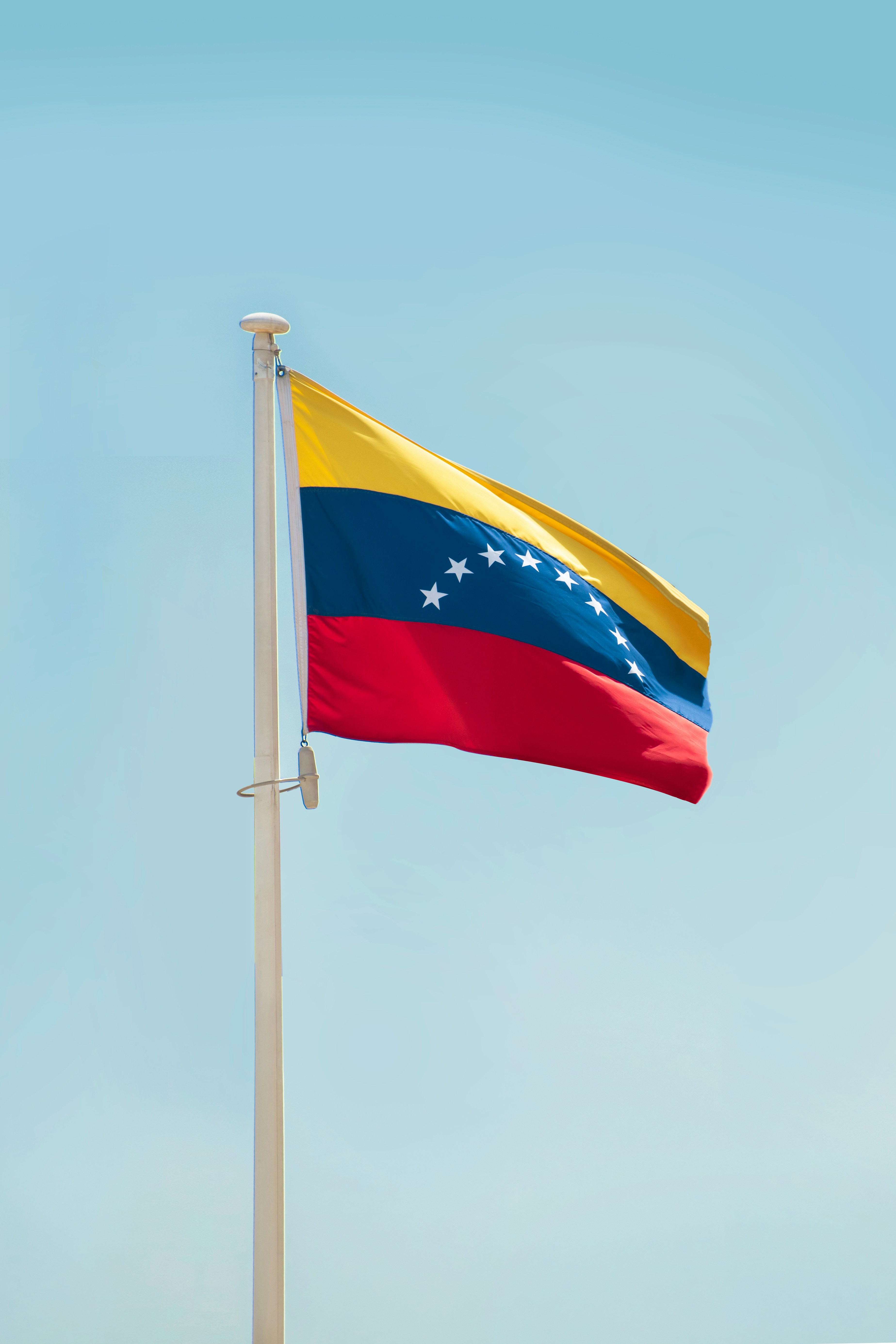
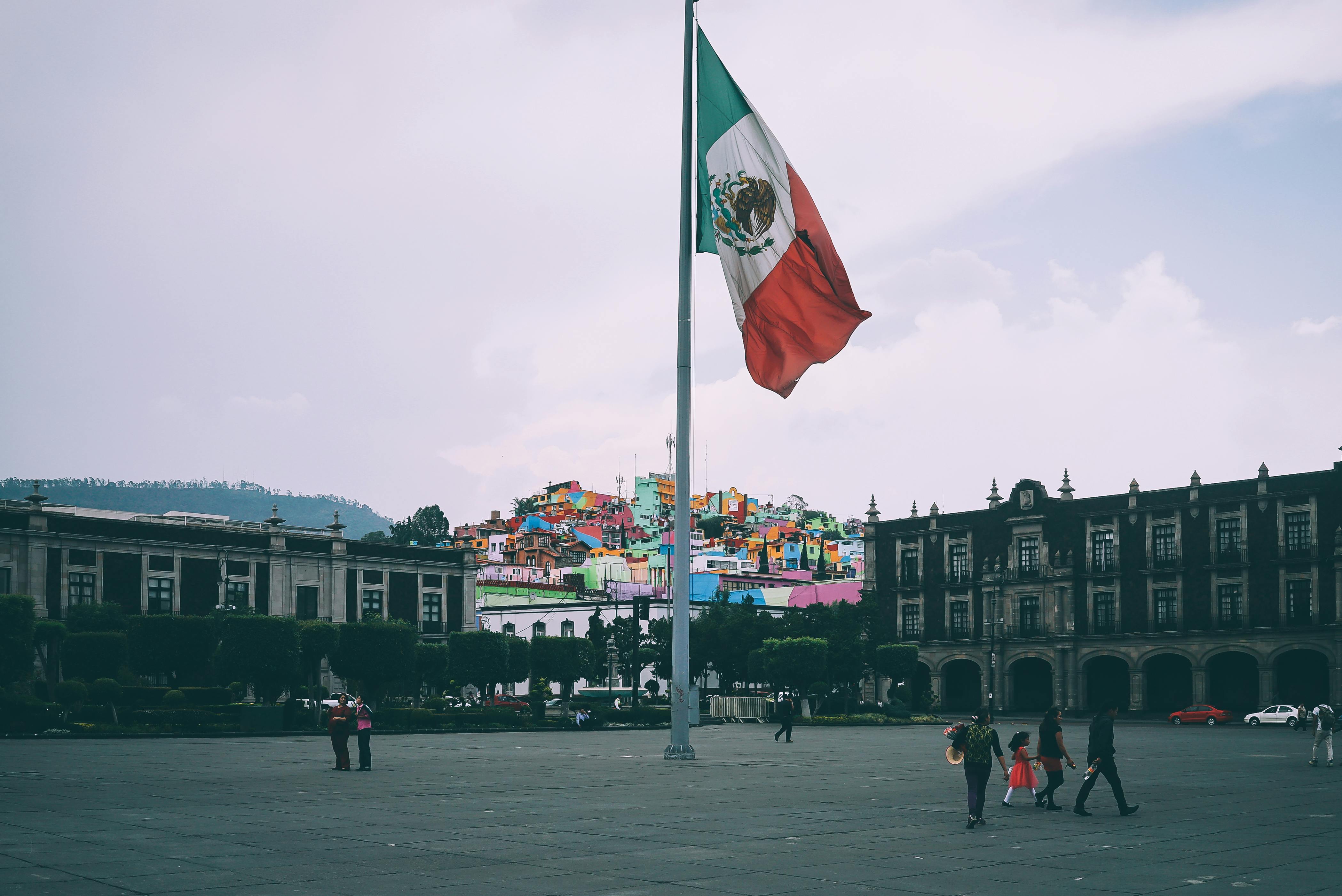
Constraints on free speech and press were a recurring concern in late 2025, especially in the United States, where restrictions followed the assassination of Charlie Kirk, including through FCC threats. Journalists’ access to Pentagon reporting was also controlled, while the Trump administration’s calls to arrest Democratic party lawmakers and its executive actions on ‘domestic terrorism’ further undermined free expression. Additional setbacks emerged in Mexico, with new telecoms and intelligence legislation, and in Venezuela, with expanded surveillance.
In contrast, the region saw positive developments in Political Equality and Access to Justice. Bolivia advanced women’s political representation and girls’ rights, and Mexico adopted a significant policy to combat sexual abuse. Brazil introduced protections for migrants and asylum seekers, while Argentina took steps to improve the rights of persons with disabilities.
Progress on accountability for historic crimes also continued. In Colombia, the Special Jurisdiction for Peace issued its first rulings, alongside high-profile convictions. Chile ordered the heirs of Augusto Pinochet to return misappropriated funds, and Uruguay secured a notable conviction for dictatorship-era crimes. However, Peru’s adoption of an amnesty bill benefiting individuals accused of human rights violations highlighted continuing obstacles to full accountability and access to justice.
Rule of Law
Negative developments in how the law is enforced and in the region’s security situation were the most notable at the end of 2025. Rising criminal violence contributed to deterioration in Personal Integrity and Security in Uruguay, where a prosecutor survived an assassination attempt. In Colombia, airstrikes on FARC dissident groups prompted human rights concerns. And in Ecuador, a wave of gang-related explosions disrupted several regions. In Brazil a police operation in two favelas became the deadliest in the country’s history, highlighting racial bias in policing.
In the United States the September assassination of Charlie Kirk further exacerbated an already volatile environment of political violence. Further, concerns grew over the politicization of the Justice Department, pressure on economic regulators, and the federal deployment and control of police and the National Guard units over local objections.
There were, however, some improvements in Absence of Corruption, including the convictions of former leaders in Peru and Colombia on corruption-related crimes.
Participation
The most notable developments in Participation were advances in Civic Engagement. In Peru, Paraguay, Mexico and the United States, citizens mobilized to demand government action. In Peru and Paraguay, ‘Gen-Z’ groups organized large demonstrations, a global trend for youth participation, though the excessive use of force in some cases raised concerns about protesters’ rights and safety. In the United States, the October ‘No Kings’ protest became one of the largest in the country’s history, drawing millions.
Elections
National elections were held in six countries: Bolivia (August, with a run-off in October), Guyana (September), Jamaica (September), Argentina (October), Chile (November), and Ecuador (November). Guyana’s leader was re-elected, and Jamaica’s ruling Labour Party also secured victory. Bolivia ended nearly 20 years of Movimiento Al Socialismo leadership, with the election of opposition candidate Rodrigo Paz, and Chile likewise elected opposition leader José Antonio Kast. In Argentina, the ruling coalition won the most seats in mid-term legislative elections. In Ecuador, voters overwhelmingly rejected President Daniel Noboa’s referendum proposals.
As the United States’ domestic and international actions contribute to regional destabilization, particularly in Venezuela its democratic trajectory will continue to be critical. The 3 January capture of Nicolás Maduro, and threats of force against other countries has unsettled the international order, raising serious concerns for the international rule of law. Domestically, Judicial Independence will be crucial as federal courts and the Supreme Court review challenges to the federal government. Monitoring Rights will also be essential amid increasingly severe immigration enforcement and tactics such as racial profiling erode Civil Liberties and threaten civic participation.
Across the region, the Rule of Law will be shaped by major corruption investigations in Argentina, Bolivia, Paraguay and the Dominican Republic, involving current or former leaders and national institutions. It will be important to monitor the influence of criminal groups in countries such as Ecuador and Guatemala, where rising violence has already prompted states of emergency.
In the Rights category, Civil Liberties will be key as Argentina takes a hardline approach on immigration and Venezuela continues to target the opposition.
In Participation, civic engagement will be essential for countering executive overreach, as will Gen-Z mobilizations. In the next six months, national elections will take place in Costa Rica, Colombia, and Peru. In August, Haiti will hold long awaited elections.
Scores represent regional averages in 2024.
*Data represents an average of the entire region
See the most frequently impacted categories of democratic performance over the last six months
| Predictable Enforcement |
|
16x |
| Absence of Corruption |
|
15x |
| Civil Liberties |
|
14x |
See past regional pages or use the archive to design a customized search to find exactly what you are looking for.
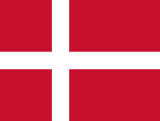
On 18 December, the Court of Justice of the European Union (CJEU) issued a preliminary ruling finding that Denmark’s Public Housing Law, known as the ‘ghetto law’ may amount to direct discrimination on the basis of ethnicity. Such preliminary rulings provide binding legal interpretation to national courts. The case was raised by residents who had been evicted from social housing based on criteria set out in the law and will now go to Denmark’s Eastern High Court. The law, introduced in 2018, aims to reduce the share of housing in designated ‘transformation areas’, defined in part by having more than 50 per cent residents who are ‘immigrants from non‑Western countries and their descendants’ over the past five years. Areas meeting these criteria face a series of measures, including mandatory reductions in public housing, demolition or sale of housing units and tougher criminal penalties for offences committed within the designated zones.
Sources: Regeringen, Social- og Boligministeriet, Reuters, Amnesty International, Court of Justice of the EU

On 14 December, two gunmen fatally shot 16 people at a Hanukkah celebration at Bondi Beach in Sydney. The shooting is Australia’s deadliest in nearly thirty years and follows an increase in antisemitic hate crimes. In response, the New South Wales Parliament passed the Terrorism and Other Legislation Amendment Bill 2025 on 24 December. The bill restricts certain types of gun use, imposes stricter licensing and vetting processes and proposes a gun buyback scheme where Australians can dispose of illegally-owned firearms. The bill also gives police the power to restrict public protests for up to three months following terrorist attacks and prohibits the display of symbols of prohibited terrorist organizations. Further hate speech rules are planned for 2026. While rights experts support the gun law reforms, they criticize the restrictions on protests and expression as disproportionate. Activists plan to challenge the anti-protest laws.
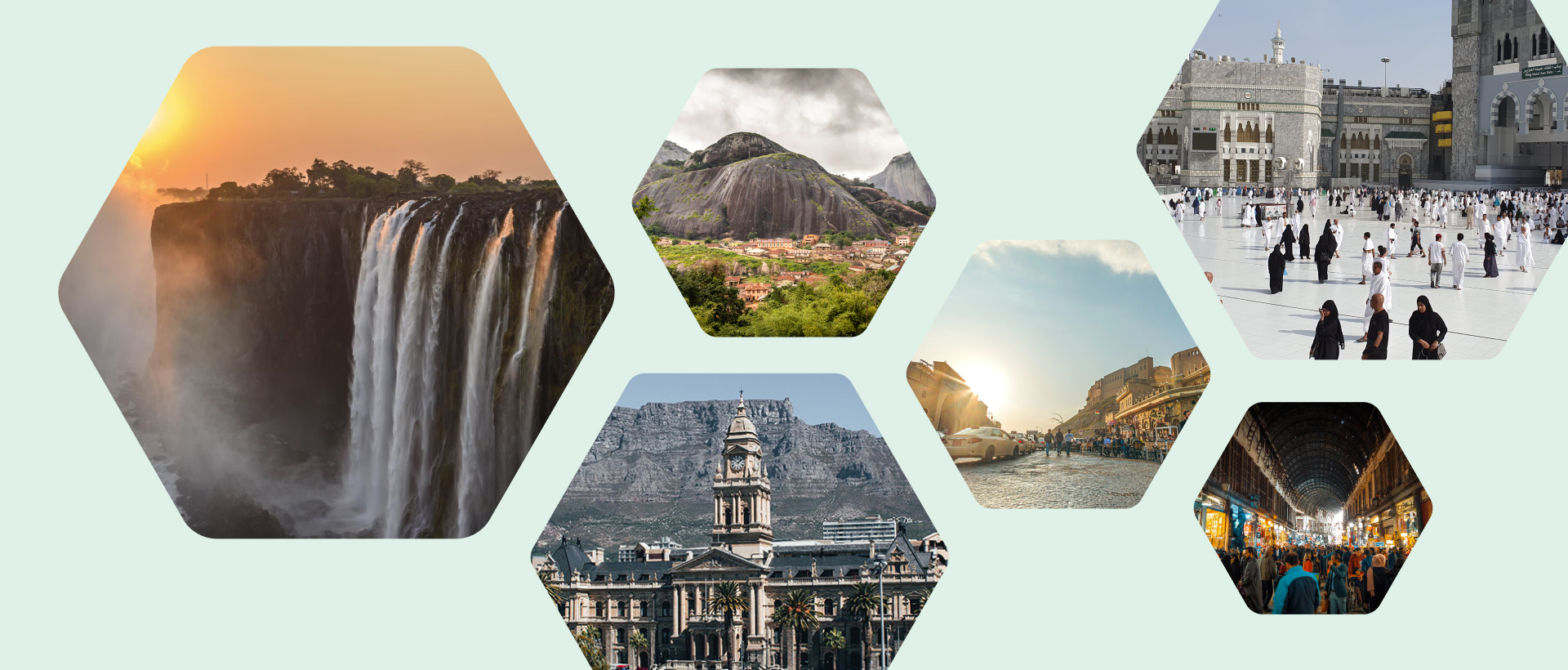
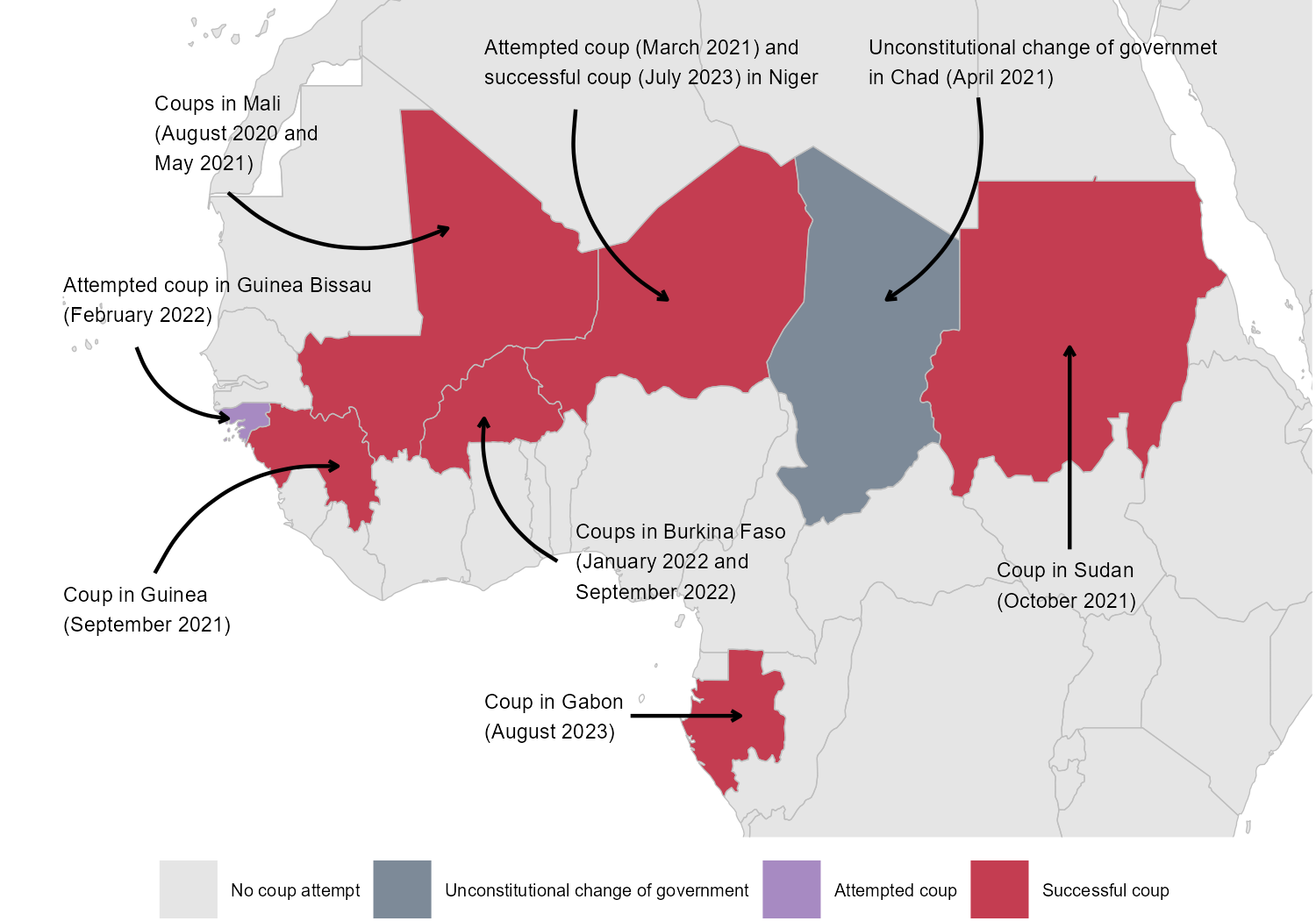
The trend of military interventions in African politics was further consolidated in the latter half of 2025, with two successful coups d'état in Madagascar and Guinea-Bissau and an attempted putsch in Benin. In parts of Africa and Western Asia, the use of lawfare continued to subvert democratic institutions, undermine pluralism and repress freedoms of expression and the press. The regions’ youth stood at the forefront of protests that drew attention to service delivery failures, perceived electoral fraud and economic inequality. There were 17 national elections during this period.
Restrictions on political party freedoms remained the most prominent trend. In the Democratic Republic of Congo (DRC) and Chad, criminal proceedings were used to target the leaders of major opposition parties, with former President Joseph Kabila (DRC) sentenced to death and Succès Masra (Chad) to 20 years in prison. Key opposition candidates were excluded from elections in Tanzania and Cameroon, and a High Court decision rendering presidential candidate Anicet-Georges Dologuélé stateless briefly looked set to do the same in the Central African Republic (CAR), before being reversed by the Constitutional Council. Party bans continued to be employed by some African governments, with three opposition parties suspended in Guinea and 12 in the DRC.
Elected Government was also an area of negative change, with coups d'état installing military juntas in Guinea-Bissau and Madagascar (nine African countries have now experienced military takeovers of government since 2020). A subsequent attempted coup d'état in Benin heightened concerns of further contagion. Also damaging have been constitutional changes that are set to consolidate dynastic systems in Chad and Djibouti by removing presidential term and age limits, respectively.
Events in the second half of 2025 underscored the precariousness of freedoms of expression and the press in Africa and Western Asia. These included a nationwide ban on WhatsApp calls in Sudan and a prolonged internet shutdown on the Equatoguinean island of Annobón. In Israel, the arrest of two military lawyers who had leaked a video showing Israeli soldiers abusing a Palestinian prisoner raised concerns about whistleblower protections. Elsewhere, perceived government critics were targeted in a variety of repressive actions, including physical attacks on their person and property (Zimbabwe), citizenship revocations (Chad), the closure of media outlets (Guinea-Bissau) and arrests and prosecutions under cybercrime and other restrictive legislation (Jordan, Mali, Niger).
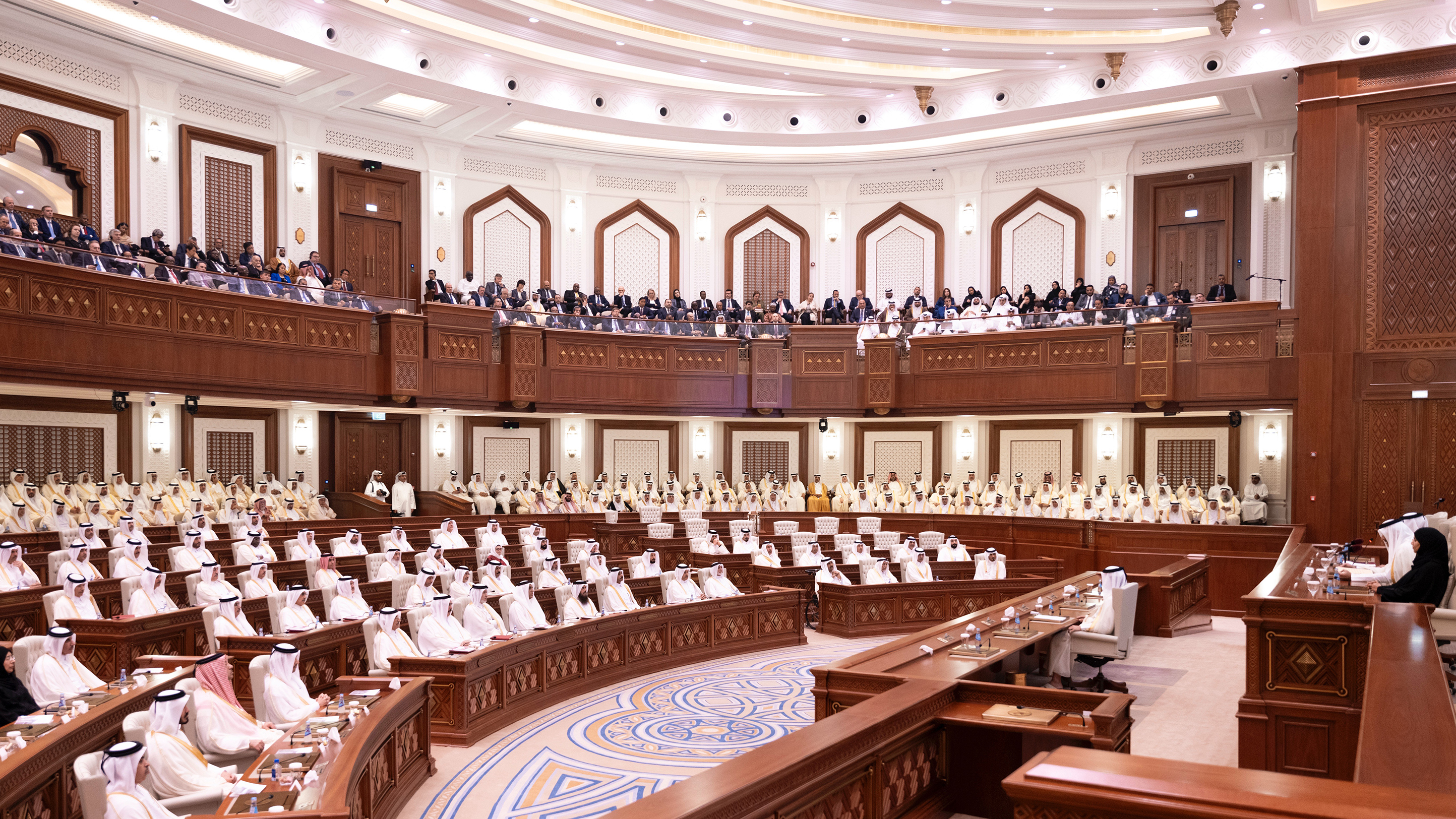
Social Group Equality performance in the regions was negatively impacted by conflict and insecurity, which continue to erode social cohesion. This was particularly extreme in Israel and Gaza, where a UN Commission of Inquiry concluded that Israel had committed genocide. It was also reflected in the Israeli Supreme Court’s finding that Palestinian prisoners held in Israeli prisons had been deprived of adequate nutrition and in discriminatory draft legislation that would exclusively impose mandatory death sentences on Palestinians in certain circumstances. There were positive developments too, however, with both Oman and Qatar enacting legislation strengthening disability rights.
Access to Justice has also been an area of positive change, with several countries taking steps to address historical injustices, including reopening inquests into the deaths of anti-Apartheid leaders (South Africa) and appointing new judges to investigate past political assassinations (Lebanon). Noteworthy, too, were the courts established by Cabo Verde to address persistent capacity shortfalls within its judicial system.
Personal Integrity and Security were negatively impacted by the regions’ armed conflicts, which have continued to kill people in large numbers (DRC, Palestine and Sudan), including via assassination (Yemen), and subject them to sexual violence (Sudan), abductions (Mali and Nigeria) and other harms. Yet violence was not restricted to conflict zones. In Tanzania, Zambia, Zimbabwe[BB6] and elsewhere, political actors were victims of coercion by state and non-state actors, including protesters, politicians and other members of political parties and civil society organisations.
Positively, the fight against corruption saw advances in the DRC and Gabon, where convictions were secured against senior political figures for large-scale graft, and in Lesotho and Senegal, where legal reforms strengthened their anti-corruption frameworks. However, the subsequent dissolution of Lesotho’s asset-recovery body, after it reported alleged government corruption, represented a notable setback.
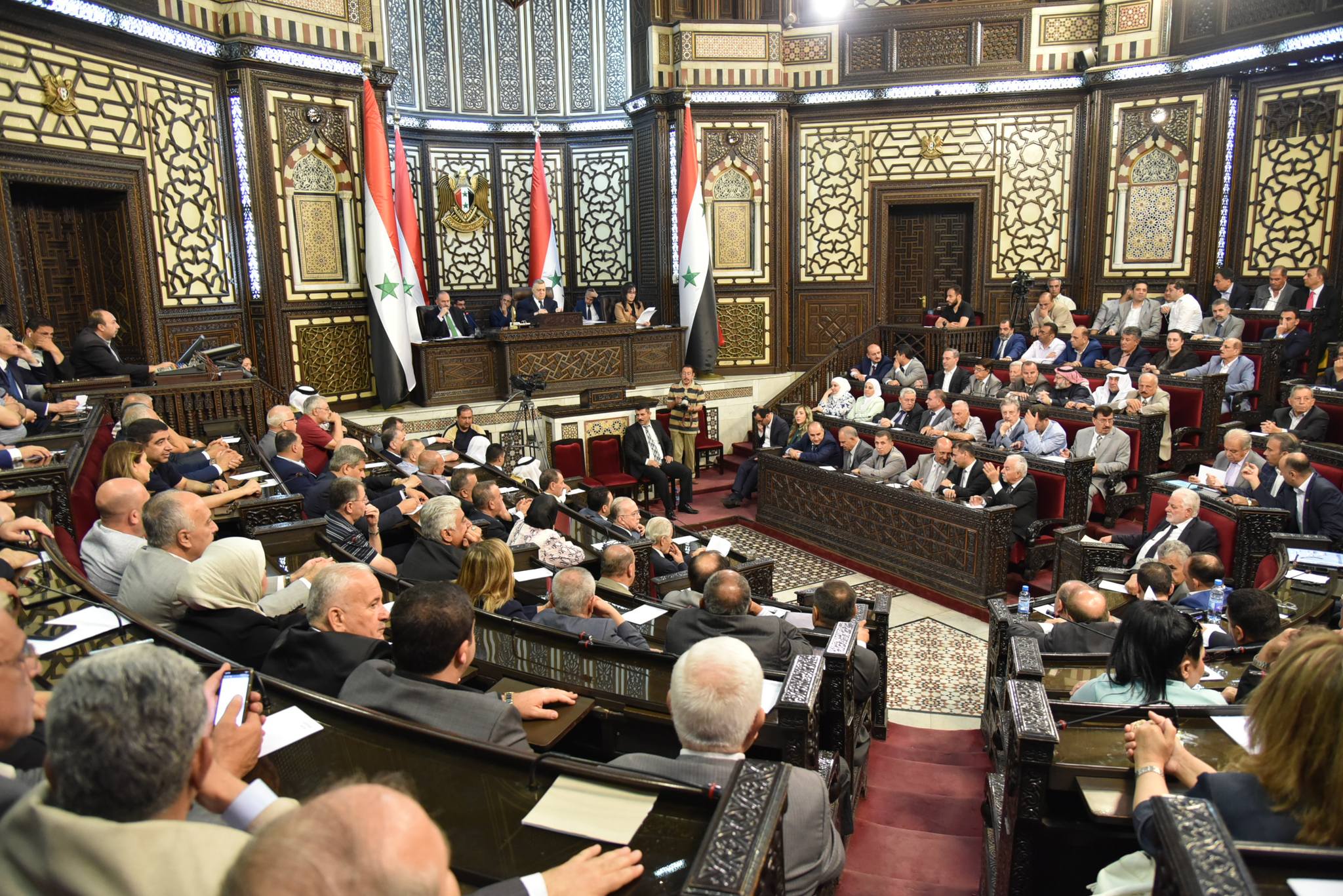
There were 17 national elections in Africa and Western Asia between July and December 2025 - seven presidential and ten legislative, including indirect elections in Gabon and Syria. The average voter turnout in the direct elections was 64.6 per cent. Egypt's Senate election saw a particularly low turnout of 17.1 per cent, whereas the CAR, Iraq and Malawi all experienced significant increases in voter participation.
Beyond elections, youth-led protest remained an important trend in Africa, with Gen Z movements mobilising in Madagascar and Morocco in response to service delivery failures. Youth were also at the forefront of demonstrations over the disputed elections in Tanzania and Cameroon, the cost of living in Iran and fuel price rises in Angola. Yet in each one of these instances, the protests were met with extreme police violence that left dozens (and in the cases of Tanzania and Iran, potentially thousands) of demonstrators dead, underscoring the threat that repressive policing poses to this form of civic engagement.
Looking ahead, the threat of further coups in Africa is unlikely to recede in 2026, nor are the dangers posed by the repressive regimes they tend to bring to power. In this regard, attention should be paid to the impact of the newly installed juntas in Guinea-Bissau and Madagascar, as well as the trajectories of Guinea and Gabon, whose recent transitional elections kept their coup leaders in office.
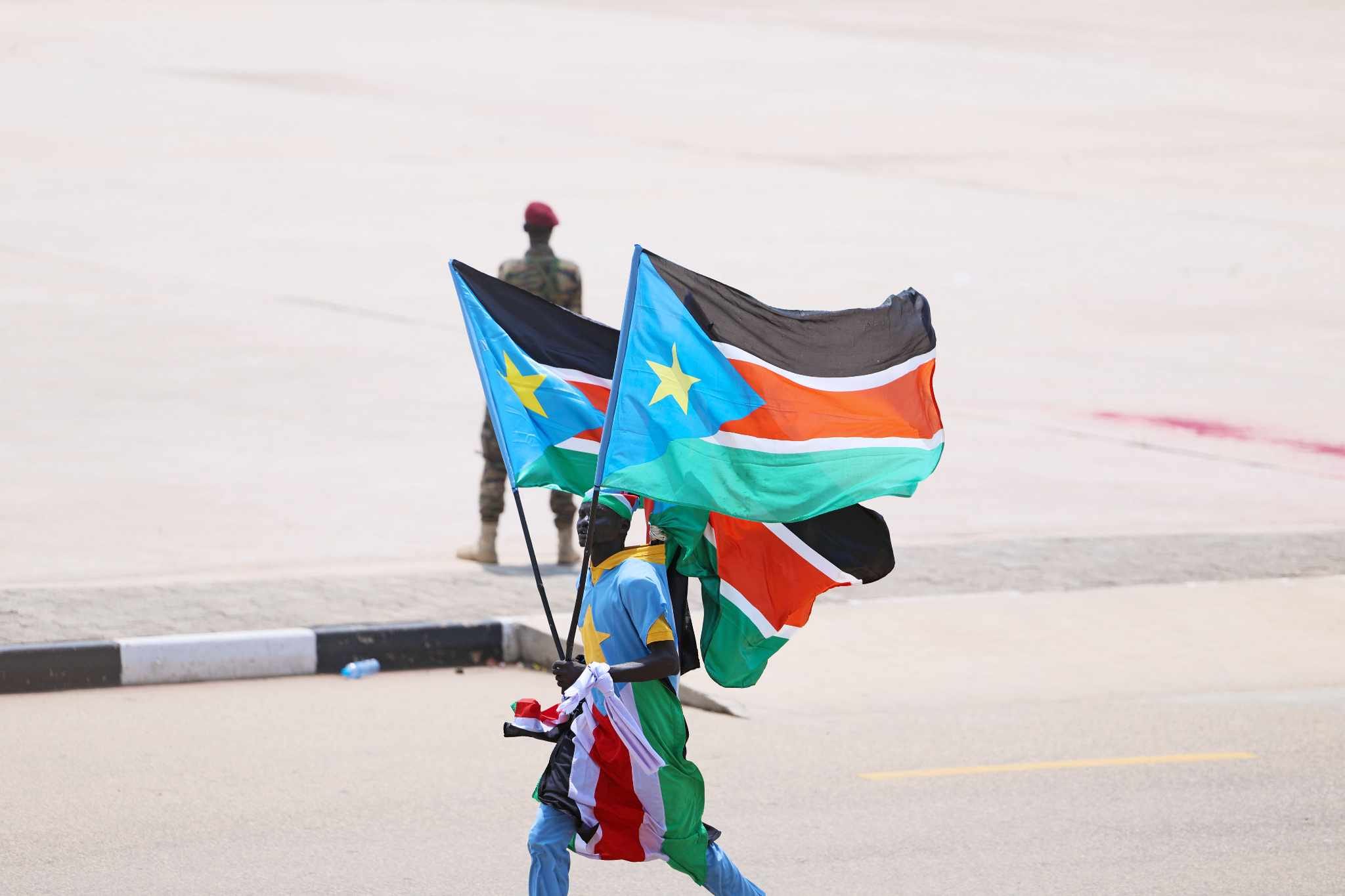
Armed conflict and insecurity are also set to shape democracy’s prospects in both Africa and Western Asia, particularly in Sudan, the DRC, Somalia, Mozambique, Yemen and Syria. Fragile peace deals in Palestine, South Sudan and Tigray should also be monitored.
Challenging economic conditions, demographic pressures and political exclusion mean that youth-led protest movements are likely to remain an important trend to watch, particularly the innovative ways in which young protesters are organising themselves and raising awareness of their causes.
Eighteen national elections are due to take place in 2026.
Scores represent regional averages in 2024.
*Data represents an average of the entire region
See the most frequently impacted categories of democratic performance over the last six months
| Personal Integrity and Security |
|
27x |
| Civil Liberties |
|
26x |
| Political Equality |
|
20x |
See past regional pages or use the archive to design a customized search to find exactly what you are looking for.

The past six months have been marked by dynamism in Europe. While progress has manifested in rising electoral participation, impactful civic mobilization, and notable progress in government transparency and press freedom, concerns remain. Moves to restrict political representation and the erosion of judicial institutions are particularly worrying.
Representation
Political representation showed divergent trends, with several countries recording high electoral engagement and gains in gender representation, while others introduced measures that narrowed political participation and access to the ballot.
Over the past six months, five national elections have taken place across Europe, in Ireland, Moldova, Norway, Kosovo and the Netherlands. While voter turnout rose in most of these contests, a particular milestone included the highest turnout seen in Norwegian parliamentary elections due to public frustration over rising living costs, public spending and economic inequalities. Other historic developments were seen in the Netherlands and Kosovo. In the former, the share of women in the Dutch legislature reached 43.3 per cent as a result of the October election, the highest since 1918. In Kosovo, the incumbent Vetëvendosje! party won a landslide victory in snap parliamentary elections held after months of political deadlock that had paralyzed the legislature, delayed reforms and disrupted some basic public services.
Georgia has experienced notable setbacks in political representation over this period, including new restrictions affecting Inclusive Suffrage and the operation of Free Political Parties. Parliament voted to abolish out-of-country voting, despite estimates that around 1.5 million Georgian citizens live abroad, compared with 3.7 million citizens within Georgia. Proponents of the measure argued that voters abroad are ‘vulnerable to external interference,’ while civil society groups contend that the government is motivated by its low popularity among the diaspora. Georgia’s Parliament also approved legislation granting the Constitutional Court the power to bar individuals associated with banned political parties from a wide range of political activities, including forming or joining parties, running as candidates, or holding public office.
Rights
Across Europe, rights protections followed a mixed trajectory. Notable progress in press freedom and freedom of expression ran counter to longer-term trends, as one in three European countries declined in Freedom of the Press between 2019 and 2024. Improved gender-based protections also coincided with new constraints on equality and bodily autonomy in several states.
Ukraine resumed regular, live television broadcasts of the Verkhovna Rada (Parliament) for the first time since Russia’s February 2022 full-scale invasion. In Bosnia and Herzegovina, the Constitutional Court annulled a defamation conviction against a journalist, affirming that satire and criticism of public officials are protected forms of expression. In Austria, the new Freedom of Information Act entered into force, obliging government authorities to make all ‘information of general interest’ (including policy studies, expert opinions, and contracts involving public authorities) electronically available to the public, while in Slovakia, the Constitutional Court blocked a law that would have challenged the independence of the Office for the Protection of Whistleblowers.
Alongside these developments, several countries introduced measures impacting gender equality and bodily autonomy, with notable progress made in strengthening legal protections against gender-based violence and sexual harm. In Italy, Parliament classified femicide as a crime punishable by life imprisonment. In France, lawmakers adopted a consent-based definition of rape, expanding criminal liability beyond cases of violence, threat, or coercion. However, Social Group Equality was challenged in Slovakia, where the Parliament passed a package of constitutional amendments that prohibit surrogacy, restrict adoption to married heterosexual couples, and define sex as strictly male or female as determined at birth.
Rule of Law
The rule of law—particularly Judicial Independence and Personal Integrity and Security—came under sustained pressure, as deep institutional weaknesses exposed vulnerabilities in judicial independence, integrity, and accountability mechanisms. In Bosnia and Herzegovina, judicial authority was contested as the Republika Srpska entity leadership initially rejected State Court rulings and the Central Electoral Commission’s decision to revoke the president’s mandate. President Milorad Dodik ultimately stepped down in September, with snap presidential elections held shortly afterwards. Meanwhile, public mistrust of the judiciary manifested in violence in Albania as a defendant opened fire in the courtroom, killing the presiding judge. In Moldova, where a wide range of indicators have been climbing in recent years, a judge stood firm in the face of death threats while overseeing the anti-corruption trial of a regional official.
Judicial institutions likewise faced deeper structural erosion in several cases. In Georgia, the Anti-Corruption Bureau, an institution originally established to strengthen transparency and combat corruption, was repurposed to exert political pressure on civil society through punitive audits before subsequently being abolished. In Bulgaria, a deadlock and dysfunction within judicial institutions has resulted in a prolonged vacancy in the Prosecutor General’s office, with the acting prosecutor continuing to serve because the Supreme Judicial Council was unable to appoint a successor, despite a Supreme Court of Cassation ruling that his mandate has expired. Institutional erosion extended beyond national institutions, as Russia withdrew from the European Convention on Torture, meaning international inspectors will no longer have access to its detention centers, threatening the severe degradation of conditions within its prison system.
Participation
Civic participation proved a powerful force in shaping political outcomes. In Latvia, large-scale mobilization stalled draft legislation to withdraw from the Istanbul Convention, the Council of Europe treaty aimed at preventing violence against women and domestic violence. In Ukraine, Parliament quickly repealed legislation subordinating key functions of anti-corruption bodies to the Prosecutor General, a move widely criticized for undermining their independence. The reversal followed the largest anti-government street protests since the full-scale Russian invasion began.
In Bulgaria, youth-driven anti-corruption protests led to the resignation of Prime Minister Rosen Zhelyaskov’s government in December, with more than 100,000 people gathering in Sofia alone.
At the same time, some governments have intensified efforts to restrict civil society operations. In Georgia, authorities froze the bank accounts of seven major civil society organizations in August as part of inspections launched after the entry into force of the Foreign Agent Registration Act, claiming--without evidence--that the organizations were engaged in ‘sabotage.’
The coming months are likely to test how European governments navigate the tension between security imperatives and fundamental rights, with several pending decisions carrying the potential to reshape legal standards and civic space. It will be important to closely monitor countries like Estonia, where the Supreme Court may set a precedent for how far security considerations can justify restrictions on religious autonomy. The United Kingdom also warrants close attention, as proposed public-order offences could test the proportionality of restrictions on peaceful protest.
Migration and the rights of asylum seekers also remain a key issue, as Spain, Italy, and Albania pursue externalized migration arrangements that have raised concerns over oversight, legal safeguards, and access to asylum. Moreover, in the Netherlands and Portugal, efforts to tighten immigration restrictions continue to face scrutiny by advisory bodies and courts, respectively.
Finally, efforts to strengthen protections for LGBTQIA+ individuals should be closely monitored, as a proposed ban on conversion therapy advances through the legislative process in the Netherlands.
Scores represent regional averages in 2024.
*Data represents an average of the entire region
See the most frequently impacted categories of democratic performance over the last six months
| Political Equality |
|
21x |
| Civil Liberties |
|
14x |
| Personal Integrity and Security |
|
13x |
See past regional pages or use the archive to design a customized search to find exactly what you are looking for.