

Africa and Western Asia
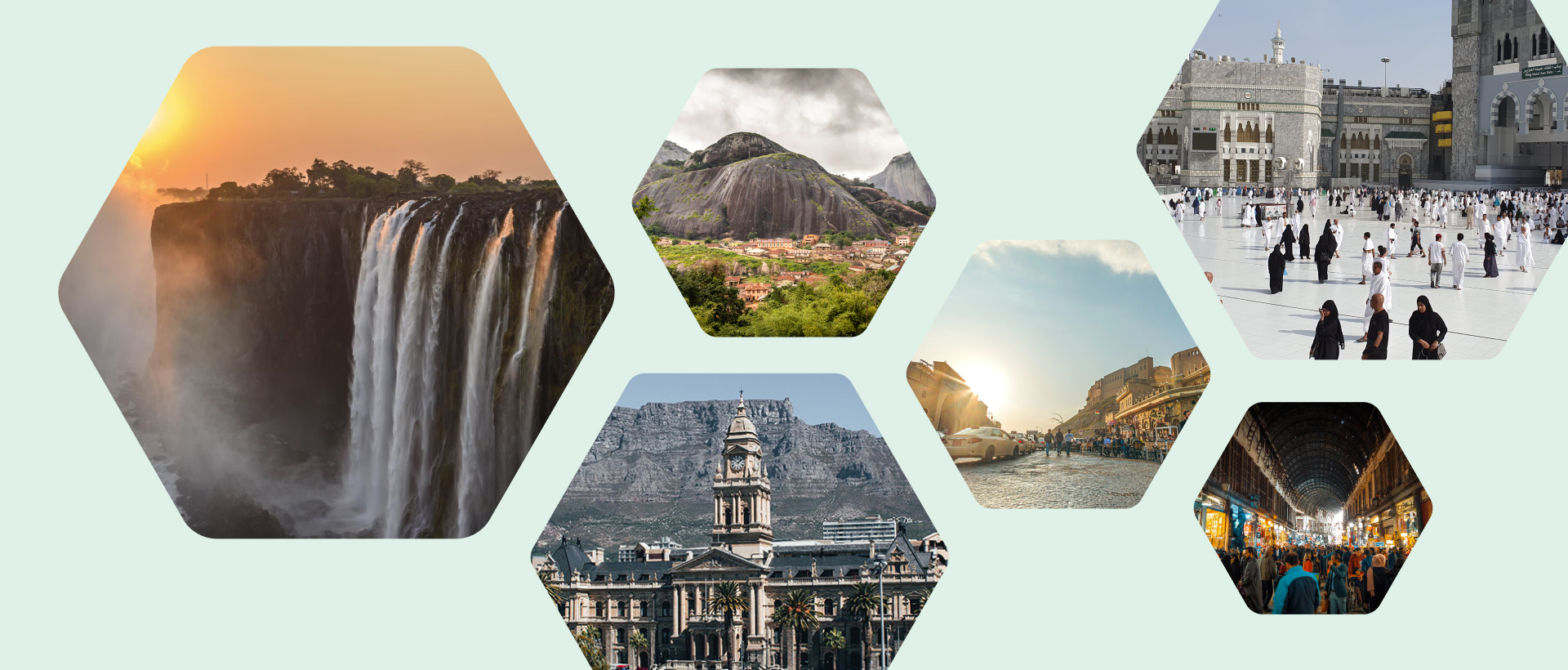
The trend of military interventions in African politics was further consolidated in the latter half of 2025, with two successful coups d'état in Madagascar and Guinea-Bissau and an attempted putsch in Benin. In parts of Africa and Western Asia, the use of lawfare continued to subvert democratic institutions, undermine pluralism and repress freedoms of expression and the press. The regions’ youth stood at the forefront of protests that drew attention to service delivery failures, perceived electoral fraud and economic inequality. There were 17 national elections during this period.
Emerging patterns

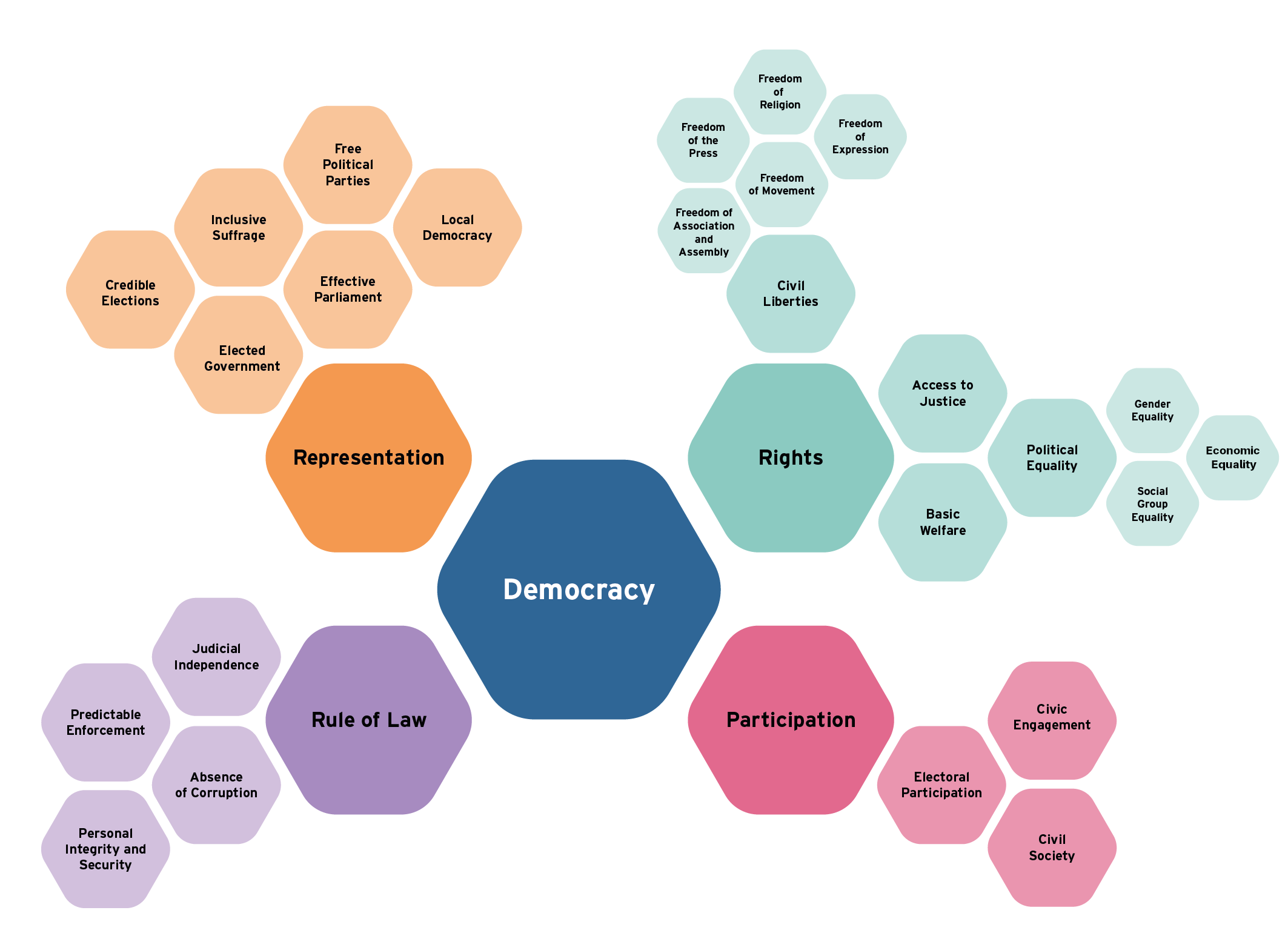
Representation
Restrictions on political party freedoms remained the most prominent trend. In the Democratic Republic of Congo (DRC) and Chad, criminal proceedings were used to target the leaders of major opposition parties, with former President Joseph Kabila (DRC) sentenced to death and Succès Masra (Chad) to 20 years in prison. Key opposition candidates were excluded from elections in Tanzania and Cameroon, and a High Court decision rendering presidential candidate Anicet-Georges Dologuélé stateless briefly looked set to do the same in the Central African Republic (CAR), before being reversed by the Constitutional Council. Party bans continued to be employed by some African governments, with three opposition parties suspended in Guinea and 12 in the DRC.
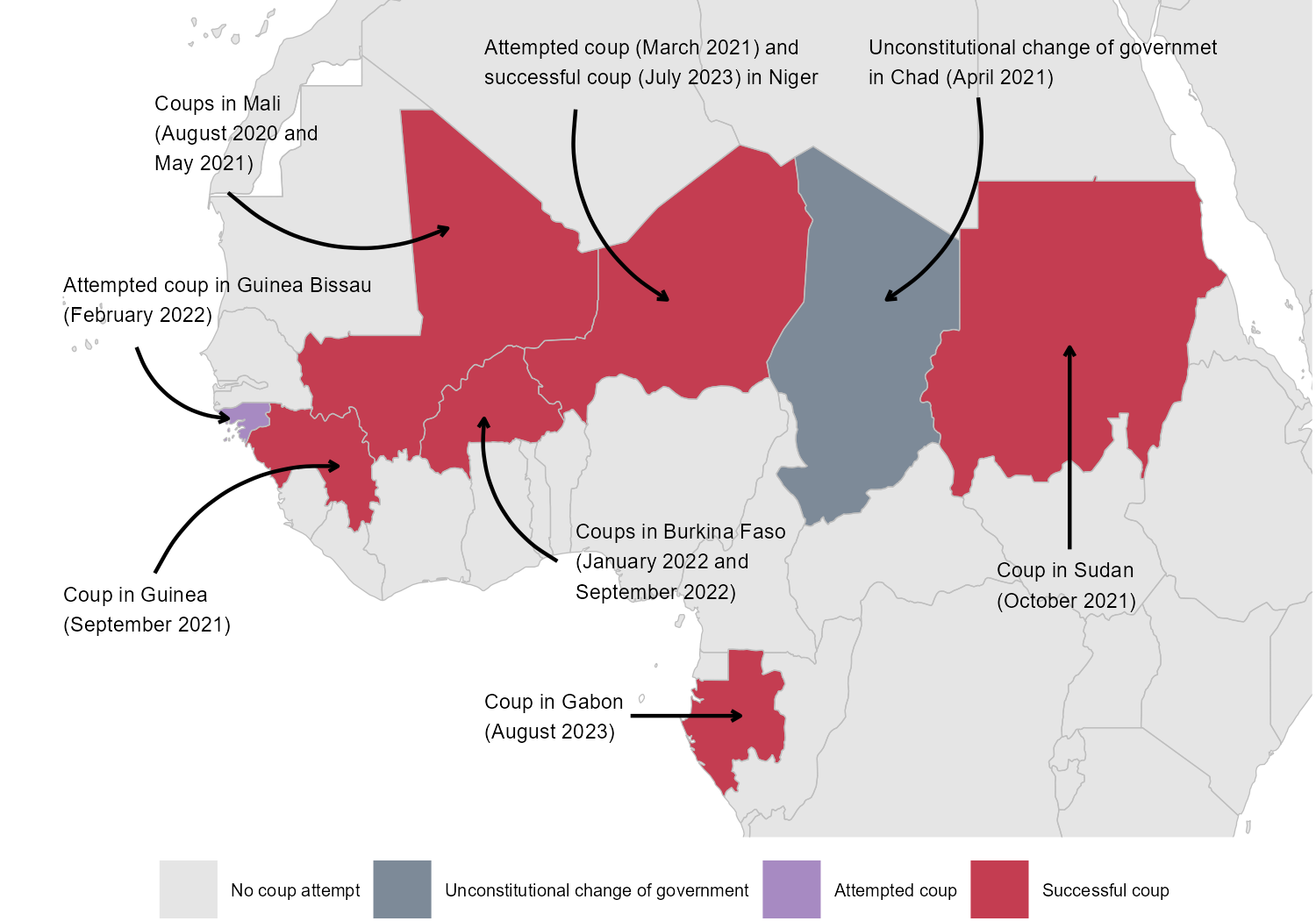
Elected Government was also an area of negative change, with coups d'état installing military juntas in Guinea-Bissau and Madagascar (nine African countries have now experienced military takeovers of government since 2020). A subsequent attempted coup d'état in Benin heightened concerns of further contagion. Also damaging have been constitutional changes that are set to consolidate dynastic systems in Chad and Djibouti by removing presidential term and age limits, respectively.
Rights
Events in the second half of 2025 underscored the precariousness of freedoms of expression and the press in Africa and Western Asia. These included a nationwide ban on WhatsApp calls in Sudan and a prolonged internet shutdown on the Equatoguinean island of Annobón. In Israel, the arrest of two military lawyers who had leaked a video showing Israeli soldiers abusing a Palestinian prisoner raised concerns about whistleblower protections. Elsewhere, perceived government critics were targeted in a variety of repressive actions, including physical attacks on their person and property (Zimbabwe), citizenship revocations (Chad), the closure of media outlets (Guinea-Bissau) and arrests and prosecutions under cybercrime and other restrictive legislation (Jordan, Mali, Niger).
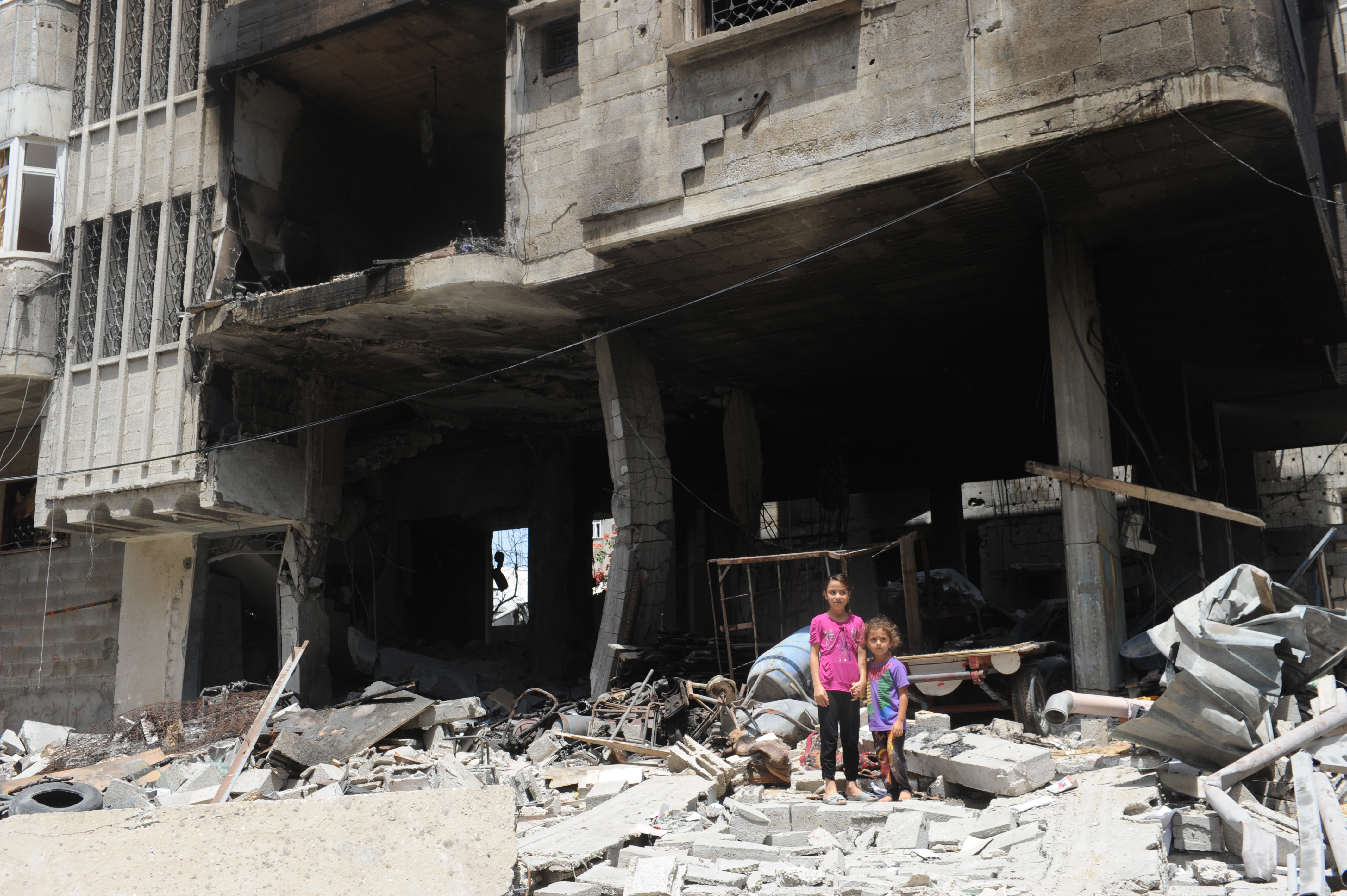
Social Group Equality performance in the regions was negatively impacted by conflict and insecurity, which continue to erode social cohesion. This was particularly extreme in Israel and Gaza, where a UN Commission of Inquiry concluded that Israel had committed genocide. It was also reflected in the Israeli Supreme Court’s finding that Palestinian prisoners held in Israeli prisons had been deprived of adequate nutrition and in discriminatory draft legislation that would exclusively impose mandatory death sentences on Palestinians in certain circumstances. There were positive developments too, however, with both Oman and Qatar enacting legislation strengthening disability rights.
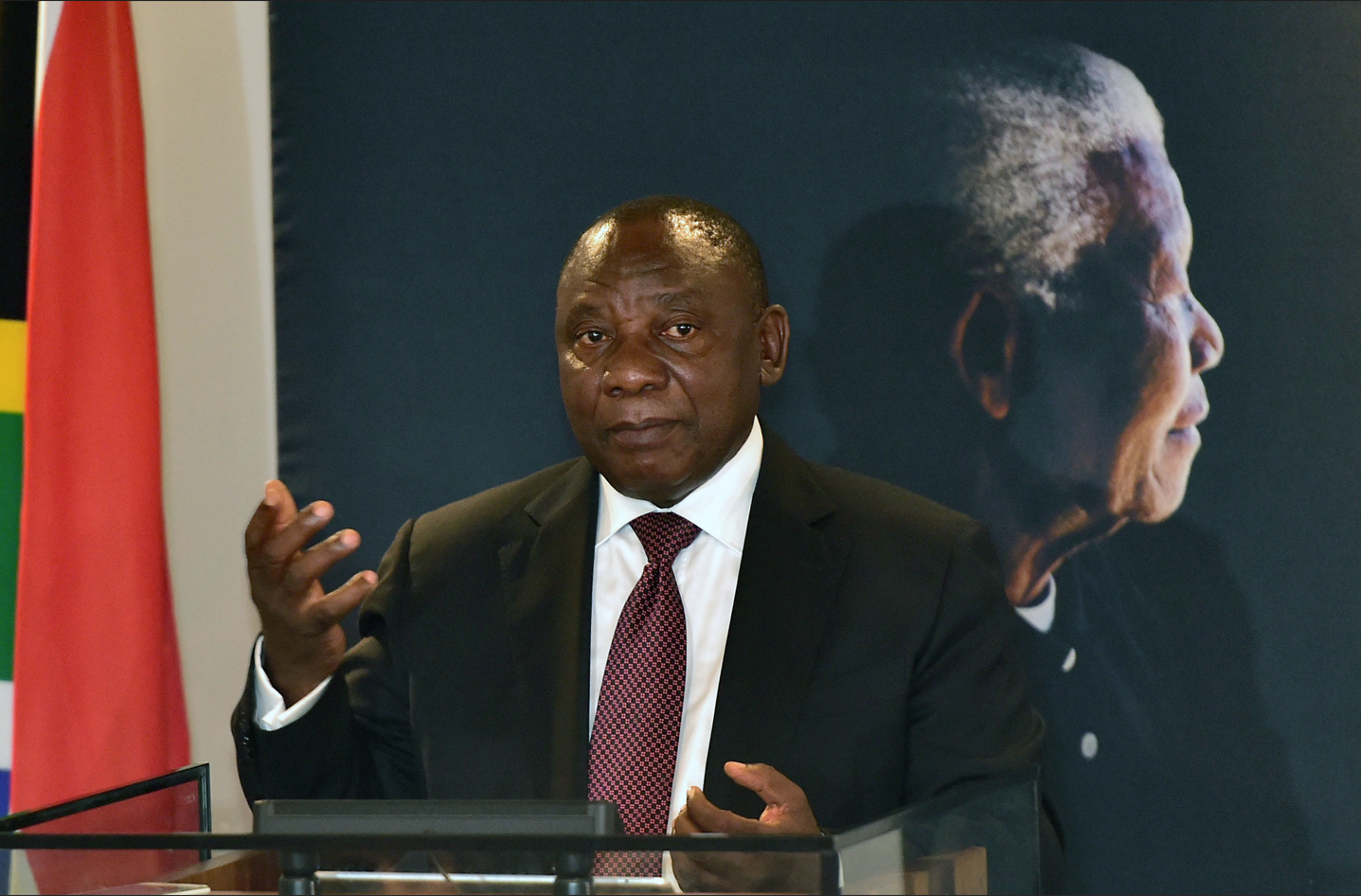
Access to Justice has also been an area of positive change, with several countries taking steps to address historical injustices, including reopening inquests into the deaths of anti-Apartheid leaders (South Africa) and appointing new judges to investigate past political assassinations (Lebanon). Noteworthy, too, were the courts established by Cabo Verde to address persistent capacity shortfalls within its judicial system.
Rule of Law
Personal Integrity and Security were negatively impacted by the regions’ armed conflicts, which have continued to kill people in large numbers (DRC, Palestine and Sudan), including via assassination (Yemen), and subject them to sexual violence (Sudan), abductions (Mali and Nigeria) and other harms. Yet violence was not restricted to conflict zones. In Tanzania, Zambia, Zimbabwe[BB6] and elsewhere, political actors were victims of coercion by state and non-state actors, including protesters, politicians and other members of political parties and civil society organisations.
Positively, the fight against corruption saw advances in the DRC and Gabon, where convictions were secured against senior political figures for large-scale graft, and in Lesotho and Senegal, where legal reforms strengthened their anti-corruption frameworks. However, the subsequent dissolution of Lesotho’s asset-recovery body, after it reported alleged government corruption, represented a notable setback.
Participation
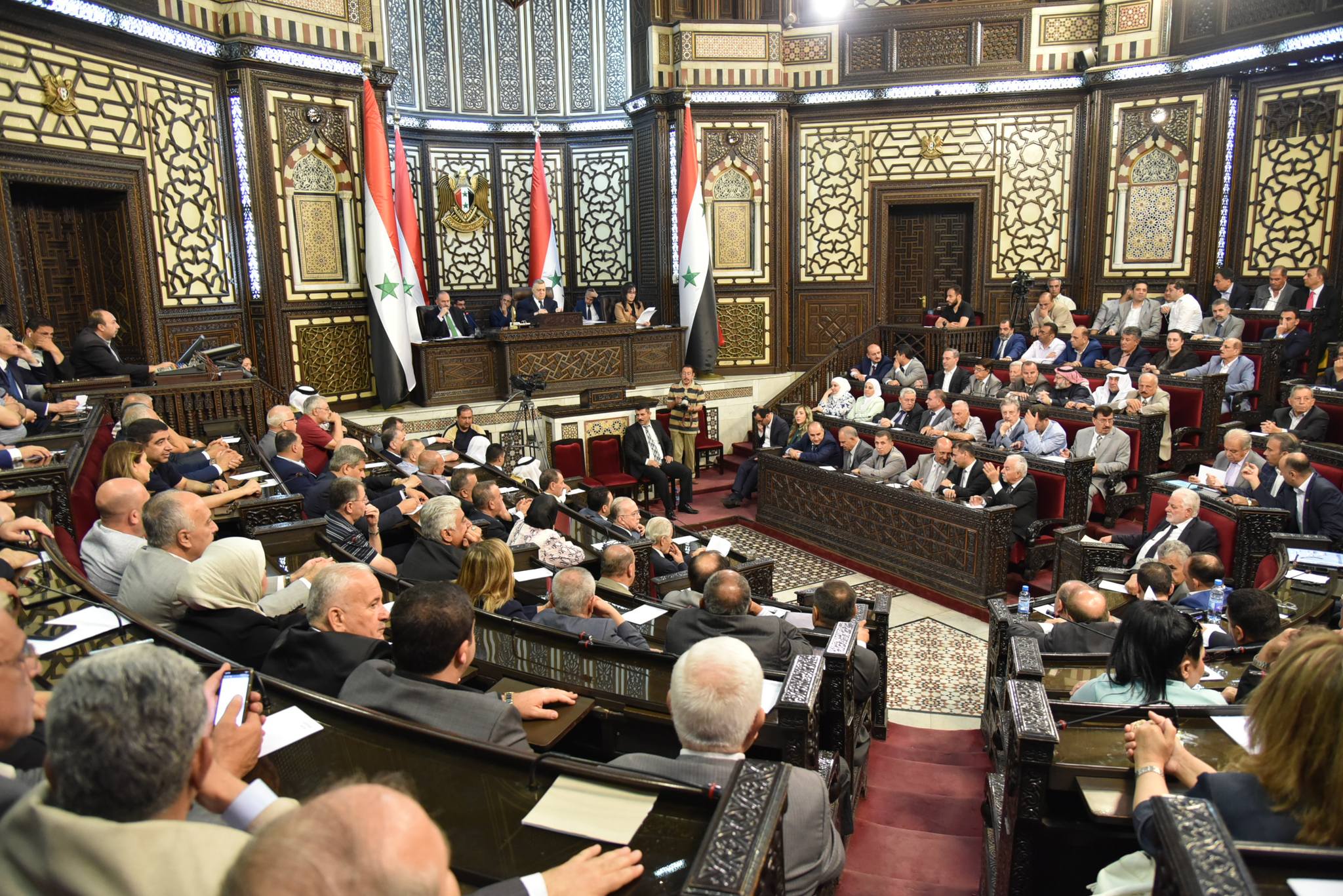
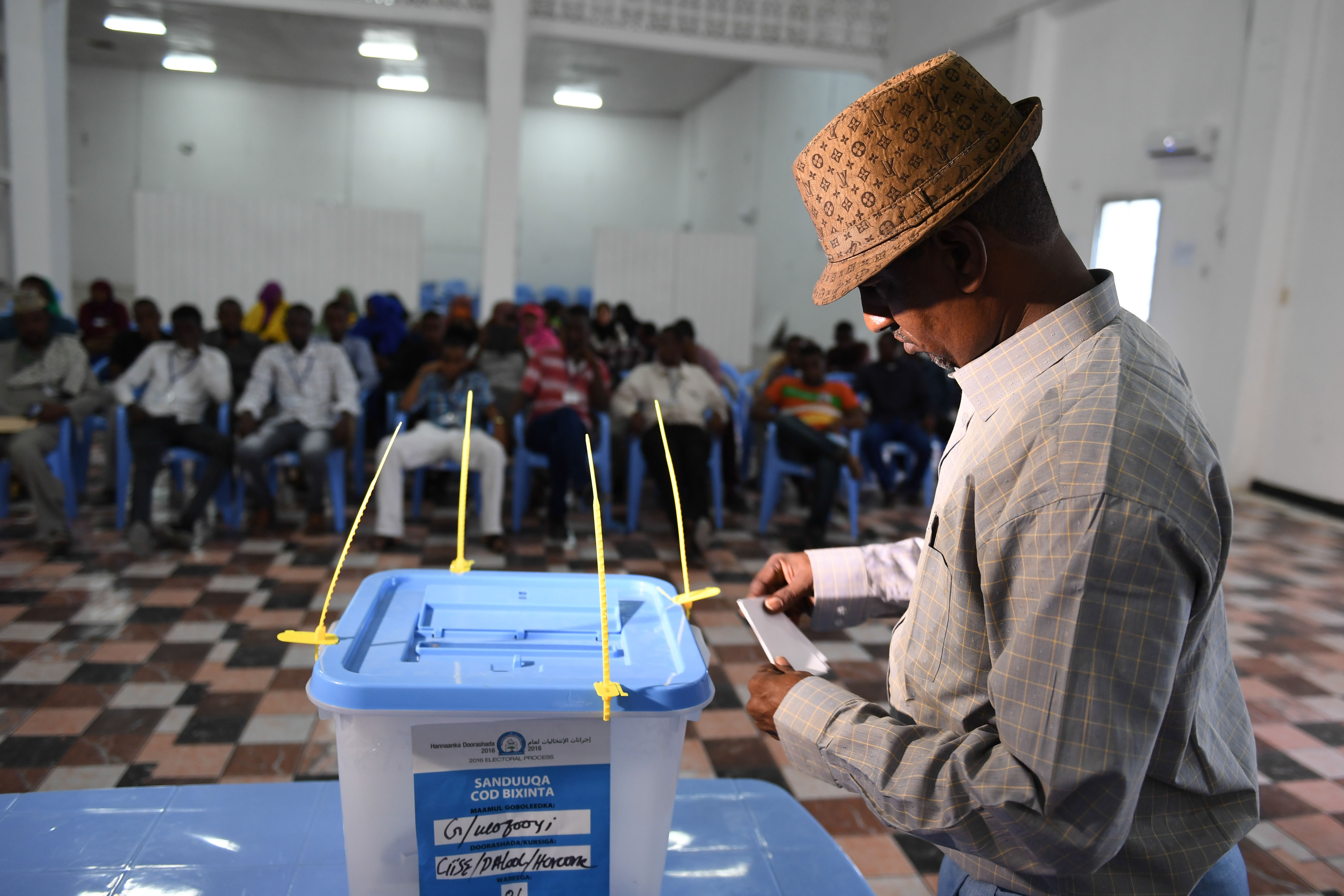
There were 17 national elections in Africa and Western Asia between July and December 2025 - seven presidential and ten legislative, including indirect elections in Gabon and Syria. The average voter turnout in the direct elections was 64.6 per cent. Egypt's Senate election saw a particularly low turnout of 17.1 per cent, whereas the CAR, Iraq and Malawi all experienced significant increases in voter participation.
Beyond elections, youth-led protest remained an important trend in Africa, with Gen Z movements mobilising in Madagascar and Morocco in response to service delivery failures. Youth were also at the forefront of demonstrations over the disputed elections in Tanzania and Cameroon, the cost of living in Iran and fuel price rises in Angola. Yet in each one of these instances, the protests were met with extreme police violence that left dozens (and in the cases of Tanzania and Iran, potentially thousands) of demonstrators dead, underscoring the threat that repressive policing poses to this form of civic engagement.
Looking ahead, the threat of further coups in Africa is unlikely to recede in 2026, nor are the dangers posed by the repressive regimes they tend to bring to power. In this regard, attention should be paid to the impact of the newly installed juntas in Guinea-Bissau and Madagascar, as well as the trajectories of Guinea and Gabon, whose recent transitional elections kept their coup leaders in office.
Armed conflict and insecurity are also set to shape democracy’s prospects in both Africa and Western Asia, particularly in Sudan, the DRC, Somalia, Mozambique, Yemen and Syria. Fragile peace deals in Palestine, South Sudan and Tigray should also be monitored.
Challenging economic conditions, demographic pressures and political exclusion mean that youth-led protest movements are likely to remain an important trend to watch, particularly the innovative ways in which young protesters are organising themselves and raising awareness of their causes.
Eighteen national elections are due to take place in 2026.
Factors of Democratic Performance
Scores represent regional averages in 2025.
*Data represents an average of the entire region
Number of events reported
See the most frequently impacted categories of democratic performance over the last six months
Most impacted factors of democracy
| Civil Liberties |
|
27x |
| Personal Integrity and Security |
|
27x |
| Political Equality |
|
20x |
- Iran - December 2025 | Economic crisis sparks nationwide anti-government protests
- Guinea-Bissau - November 2025 | Military officers seize power after disputed election
- Madagascar - October 2025 | Military takes power as President Rajoelina is impeached
- Morocco - September 2025 | Mass youth-led anti-government protests spread nationwide
- Yemen - August 2025 | Israel assassinates Houthi Prime Minister alongside cabinet members
- Syrian Arab Republic - July 2025 | Druze-Bedouin clashes in Sweida escalate with government and Israeli intervention
Democracy Notes

Archive
See past regional pages or use the archive to design a customized search to find exactly what you are looking for.