

Asia and the Pacific
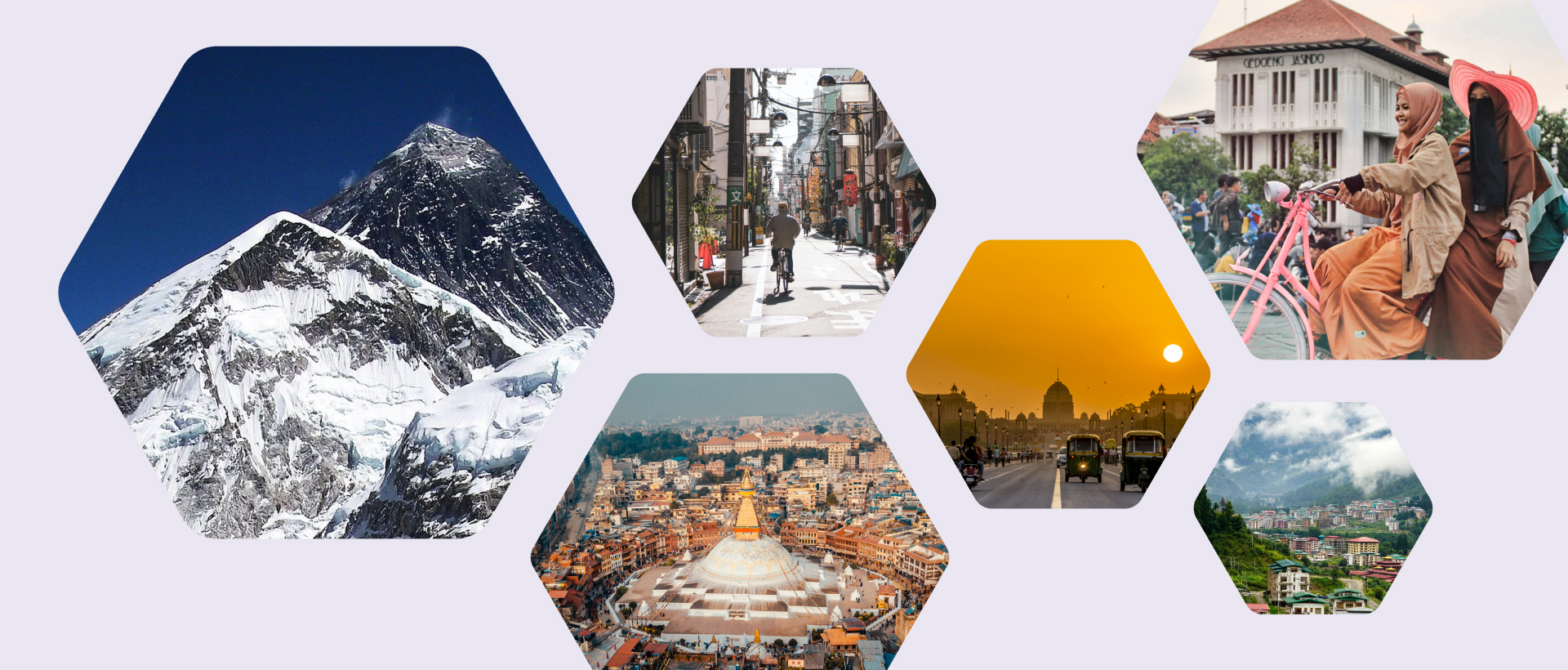
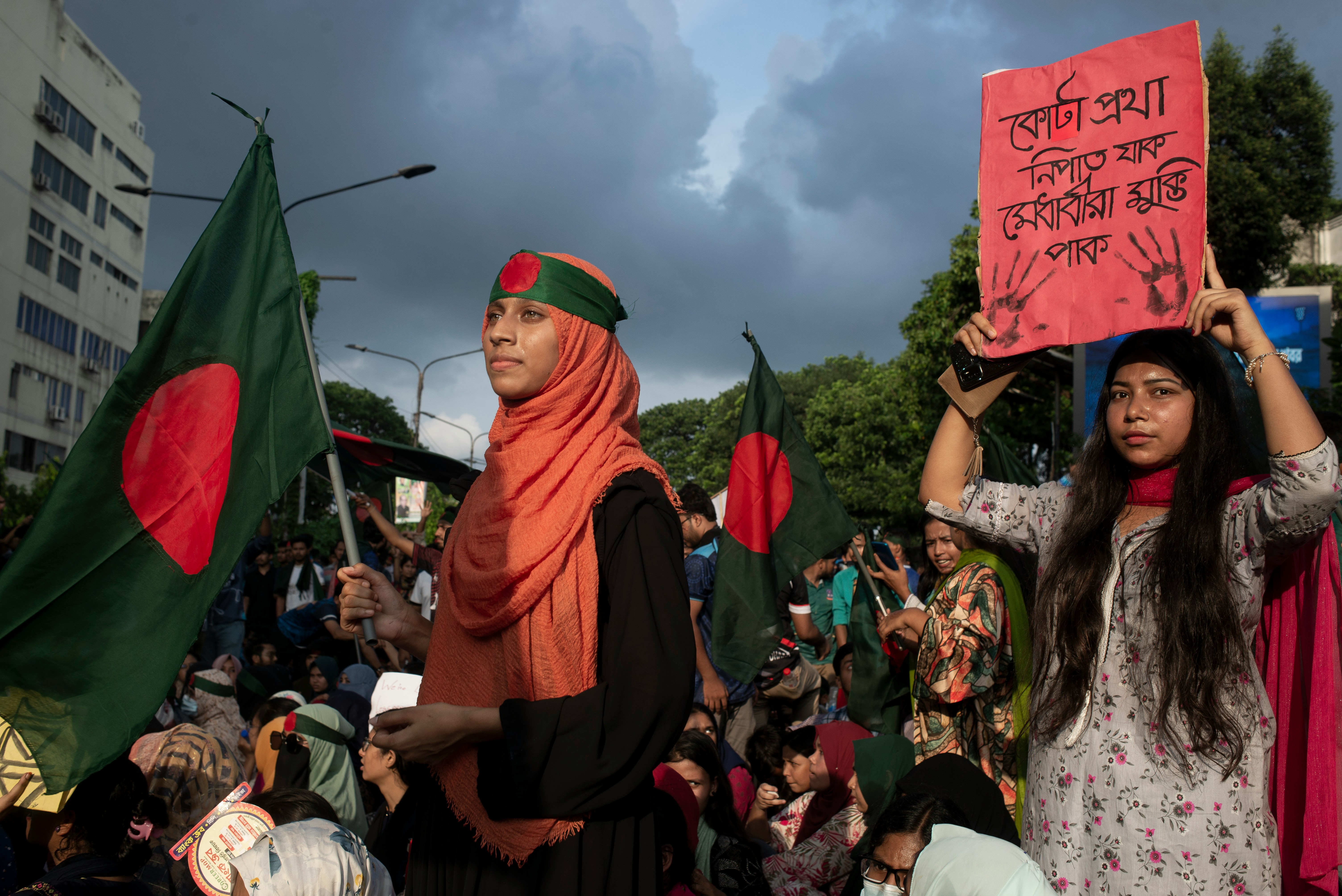
The second half of 2025 brought upheaval to Asia and the Pacific. This was particularly acute in South Asia, which witnessed the conviction of Bangladesh’s former prime minister Sheikh Hasina on charges of crimes against humanity, mounting threats to Pakistan’s judiciary, and large-scale protests across several countries. In September alone, youth-led protests erupted in Indonesia, India, the Philippines, Timor-Leste and Nepal – the latter of which ultimately toppled the government.
Emerging patterns

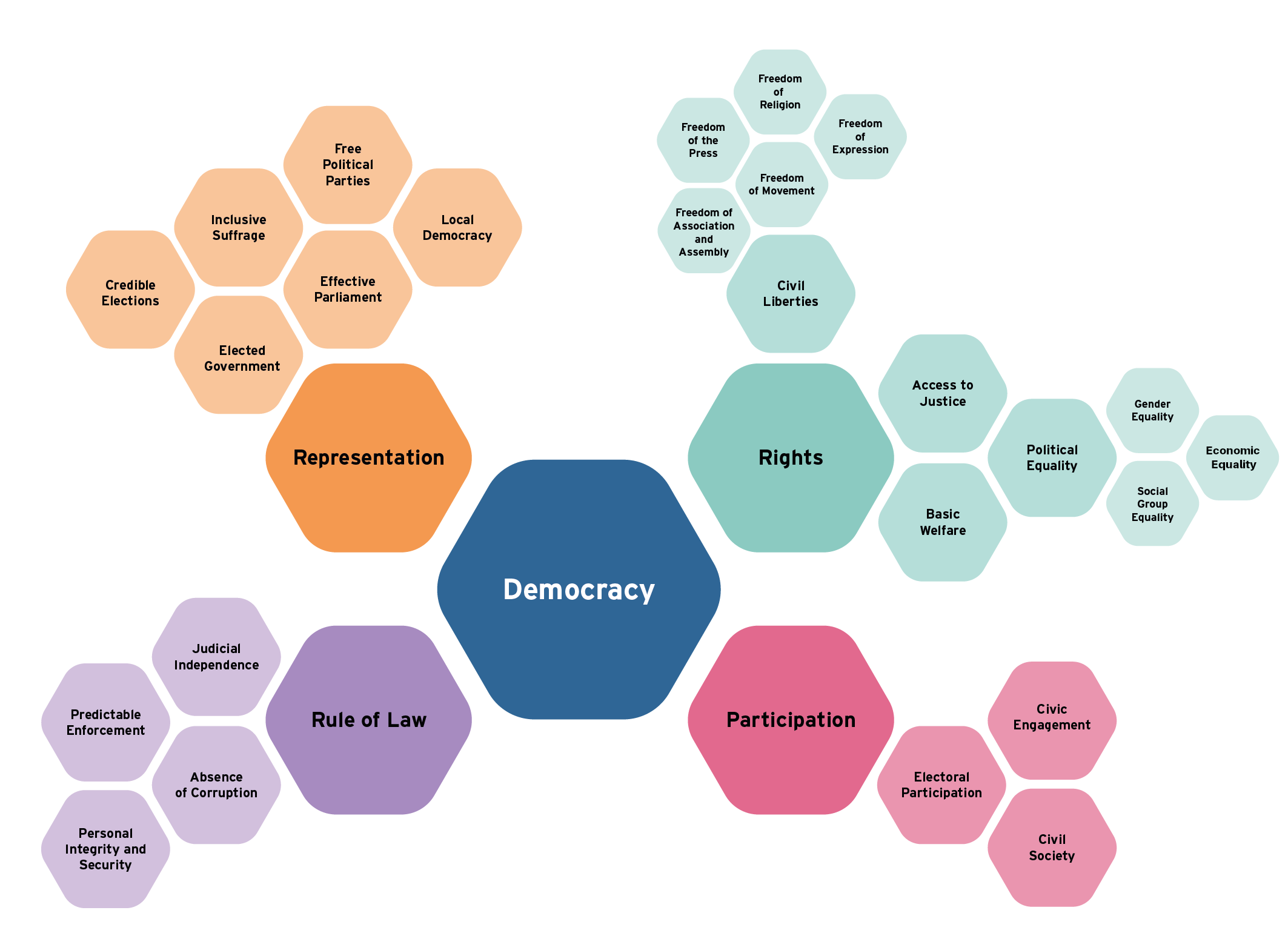
Representation
Political instability and leadership crises continued to shape the region. In Nepal, Prime Minister KP Sharma Oli resigned amid violent unrest following ‘Gen-Z’ protests over freedom of expression and corruption. In Thailand, Prime Minister Paetongtarn Shinawatra was removed from office over an ethics violation and her handling of a border dispute with Cambodia, part of a pattern in Thai politics of elected leaders being ousted by court rulings or military coups.
Opposition groups in the region also continued to face challenges. Both Pakistan and Fiji took steps to dissolve opposition parties, with Pakistan prosecuting more than 100 opposition figures in a case related to the 9 May 2023 attacks on military installations.
Malaysia and South Korea advanced institutional reforms to curb executive overreach and strengthen the role of their parliaments. Ahead of Bangladesh’s 2026 general election, the Election Commission launched a voting system for expatriates for the first time, signalling an effort to expand diaspora political participation.
Elections
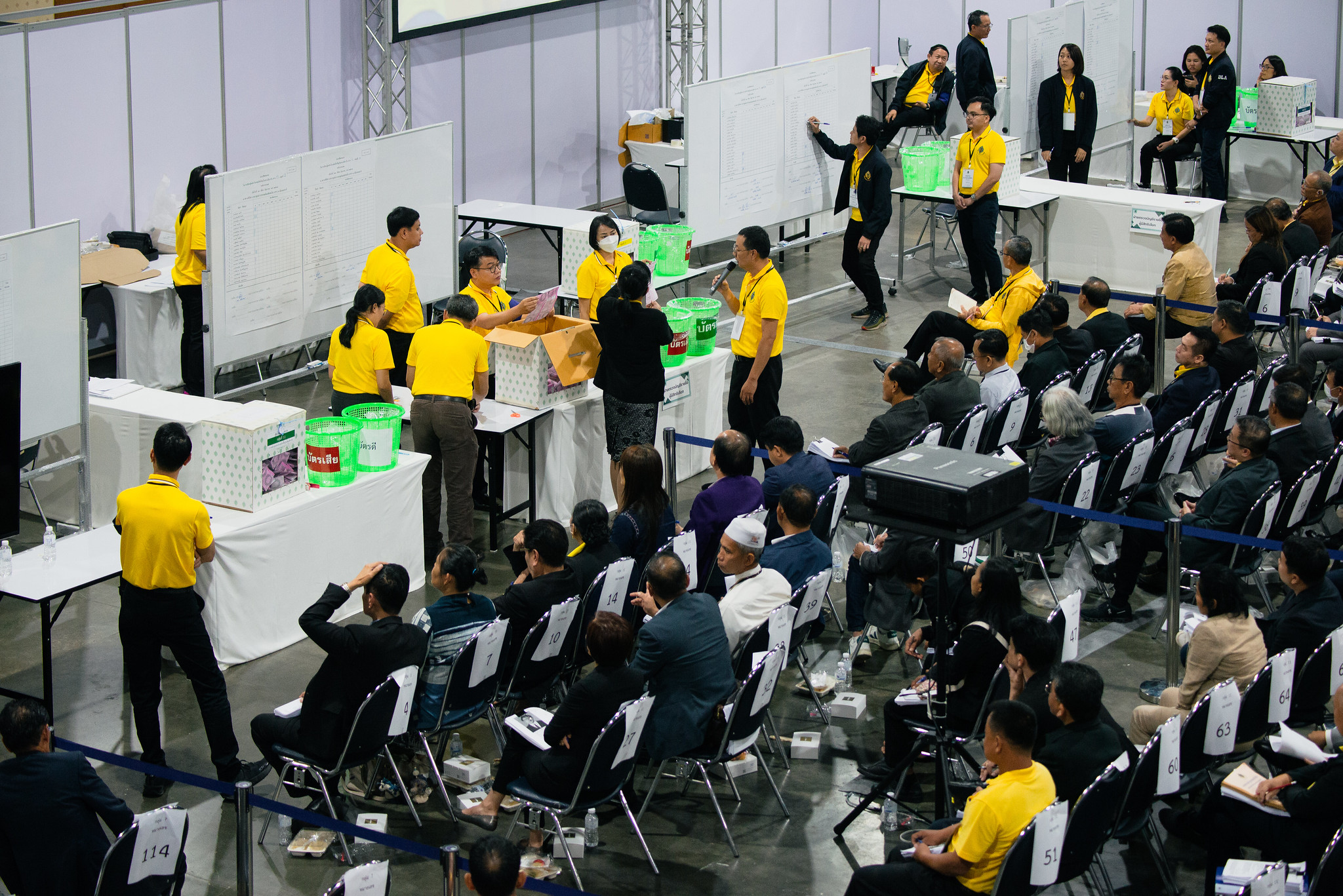
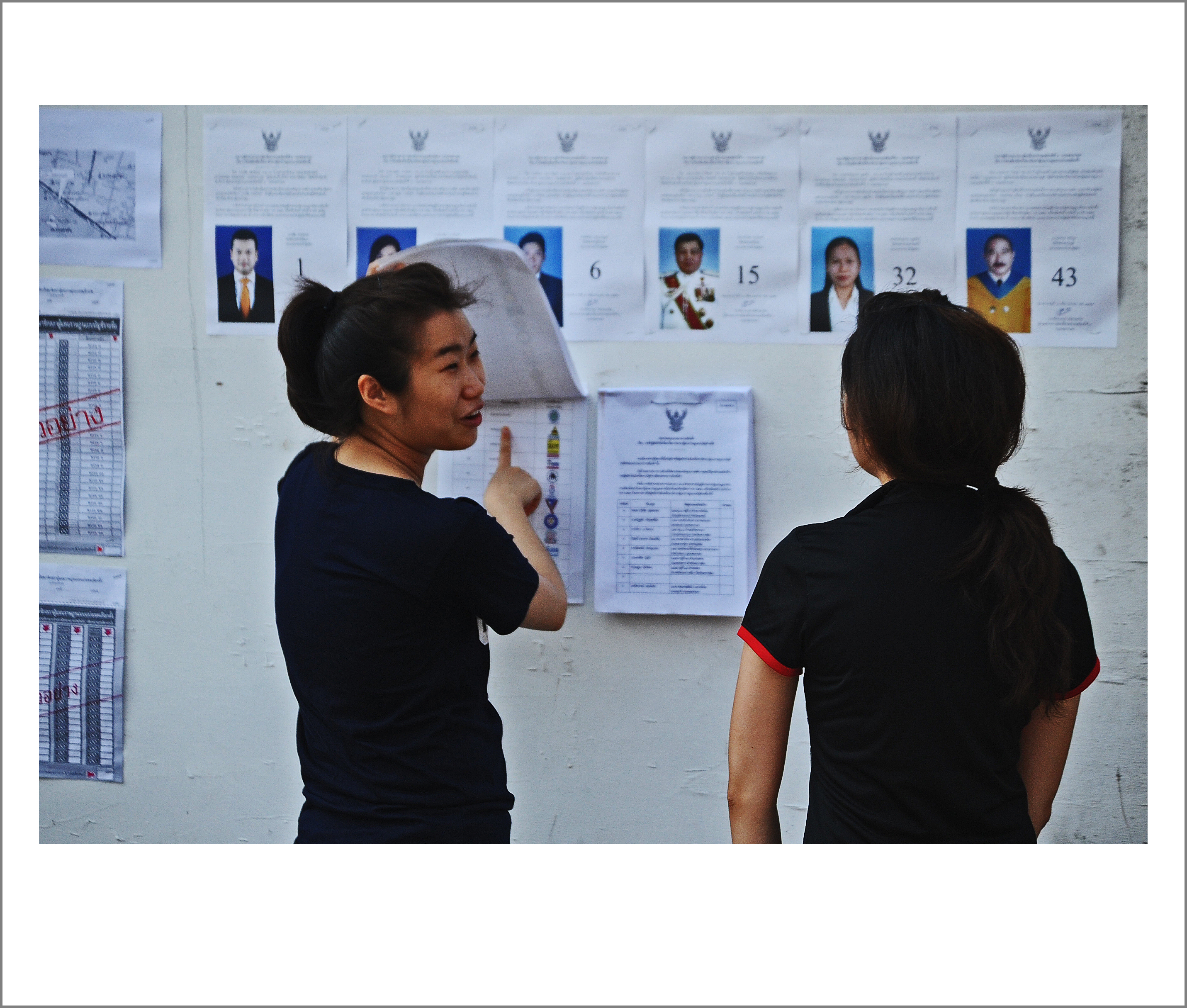
Two national elections took place in the second half of 2025: an upper house election in Japan and a parliamentary election in Kyrgyzstan. In Japan, the Liberal Democratic Party received its lowest-ever share of votes but retained control of the ruling coalition. Voter turnout increased slightly in both elections compared to prior years, with modest gains in women’s representation in both countries.
Rights
Freedom of Expression and the Press faced significant challenges, in line with much of the rest of the world. The Maldives and Kyrgyzstan passed laws tightening executive control over the press, while Afghanistan and Nepal imposed social media bans. Nepal’s ban, however, sparked widespread protests, led to the resignation of the prime minister, and was quickly lifted. Elsewhere, Mongolia’s Constitutional Court struck down a provision criminalizing ‘false information’ which had been used to silence critics and journalists.
In an advance for Access to Justice, Bangladesh passed a long-awaited law criminalizing enforced disappearances. A domestic tribunal’s convictions of both former Prime Minister Sheikh Hasina and Home Minister Asaduzzaman Khan for crimes against humanity provided an important step toward accountability for the victims of the July 2024 protests – though marred by their sentencing to death in absentia. Pakistan expanded preventative detention powers through new anti-terrorism legislation.
Social Group Equality saw mixed progress for Indigenous and minority rights. Australia and Indonesia took positive steps, establishing historic treaty legislation and protecting Indigenous groups’ land rights, respectively. However, China intensified repression against ethnic and religious minorities, while Australia passed controversial deportation laws for migrants.
Gender Equality saw notable advances, with Japan and Nepal appointing their first female Prime Ministers amid major leadership crises. Women’s rights were further expanded through Kazakhstan’s criminalization of forced marriage, India’s strengthening of workforce protections, and Indonesia’s enhancement of gender representation in elected bodies.
Rule of Law
Personal Integrity and Security was strongly affected by armed conflict between Thailand and Cambodia, which broke out in July over control of a long-contested area along the two countries’ border. Dozens were killed, hundreds of thousands displaced, and a ceasefire in place from 28 July collapsed for several weeks in December, killing an unknown number of soldiers and civilians and displacing hundreds of thousands more before the two countries’ leaders recommitted to a ceasefire on 27 December. The Myanmar military junta’s decision to launch a sham election in December exacerbated domestic instability across the country.
In terms of Judicial Independence, Bangladesh’s High Court Division reinstated the Supreme Court’s control over lower courts, reinforcing the separation of powers. In contrast, Pakistan passed constitutional amendments creating a new constitutional court appointed by the executive, granting extensive powers to the president, and providing senior military officers and the president with lifetime immunity from criminal prosecution.
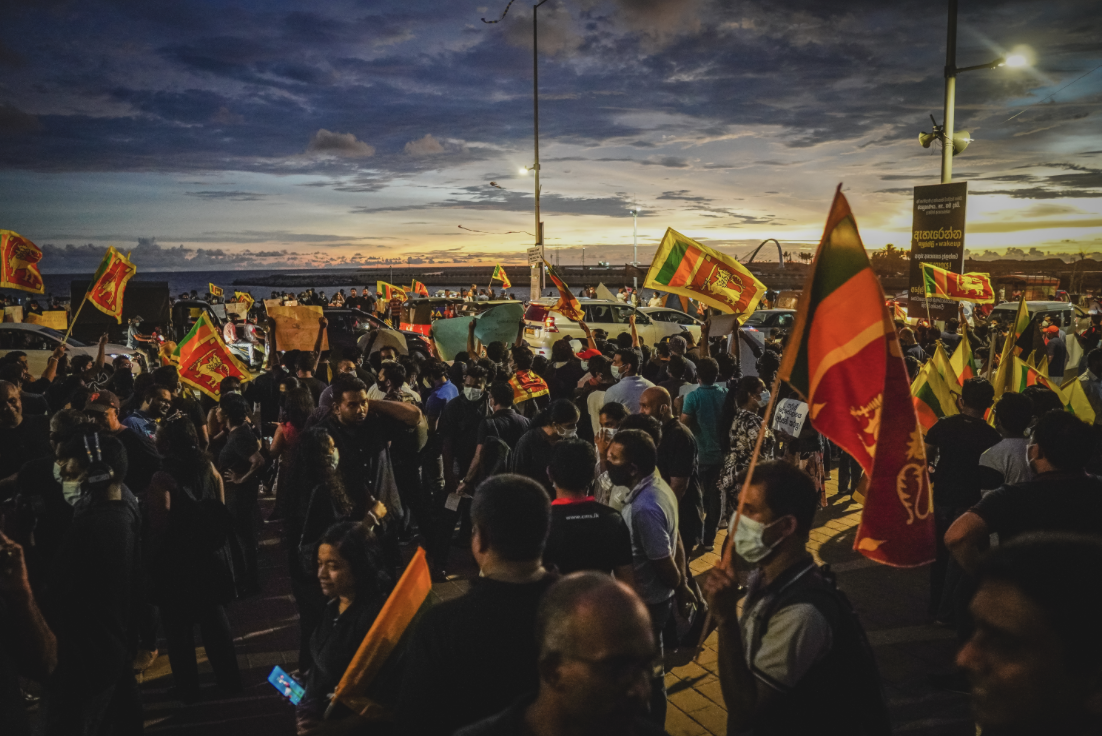
In Sri Lanka President Anura Kumara Dissanayake’s government made mixed progress on its campaign promises to stamp out corruption, launching an investigation into former President Wickremesinghe and removing the Inspector General, the head of the national police, accused of torture and abuse of power. However, civil society criticized the decision to respond to the damage caused by Cyclone Ditwah through a state of emergency when existing laws provided adequate means.
No country had more rule of law events in the Democracy Tracker than Indonesia. President Prabowo was criticized for alleged political pardons, the implementation of palm oil plantation nationalization raised good governance concerns, and a police procedure law reduced prosecutorial oversight. Conversely, courts acted as robust checks on executive power, ruling deputy ministers and police officers could not hold second jobs and reinstating convictions in a major palm oil corruption case.
Participation
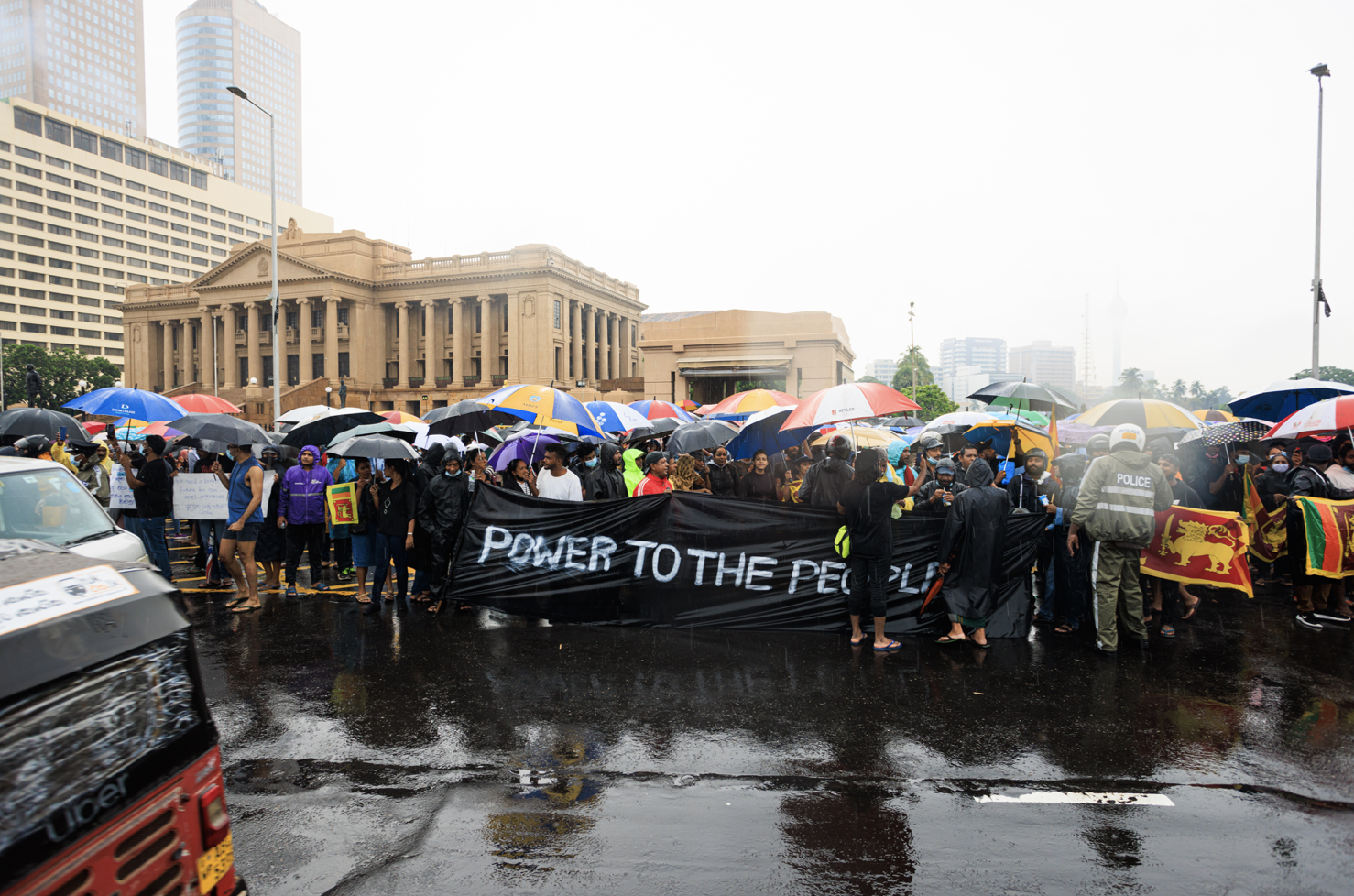
As in many corners of the world during the latter half of 2025, changes in modes of public participation were seen in large-scale street protests. In addition to the aforementioned protests in Nepal, Timor Leste saw the largest protests in its independent history against government spending plans, and New Zealand the largest strike in four decades over underinvestment in critical public services. In Indonesia at least ten people were killed and thousands arrested after nationwide protests against a proposed parliamentary pay raise in the context of general economic malaise and dissatisfaction with the political class.
What to watch for in the next six months
Key developments to watch include the reform processes in Nepal and Bangladesh; the former is scheduled to hold early general elections on 5 March and the latter a joint general election-constitutional referendum on 12 February. It will be important to watch how these elections impact fragile reform and reconciliation processes amid reconfigured party landscapes and demands for electoral reforms. Efforts to include youth voices and diaspora communities may also influence Participation.
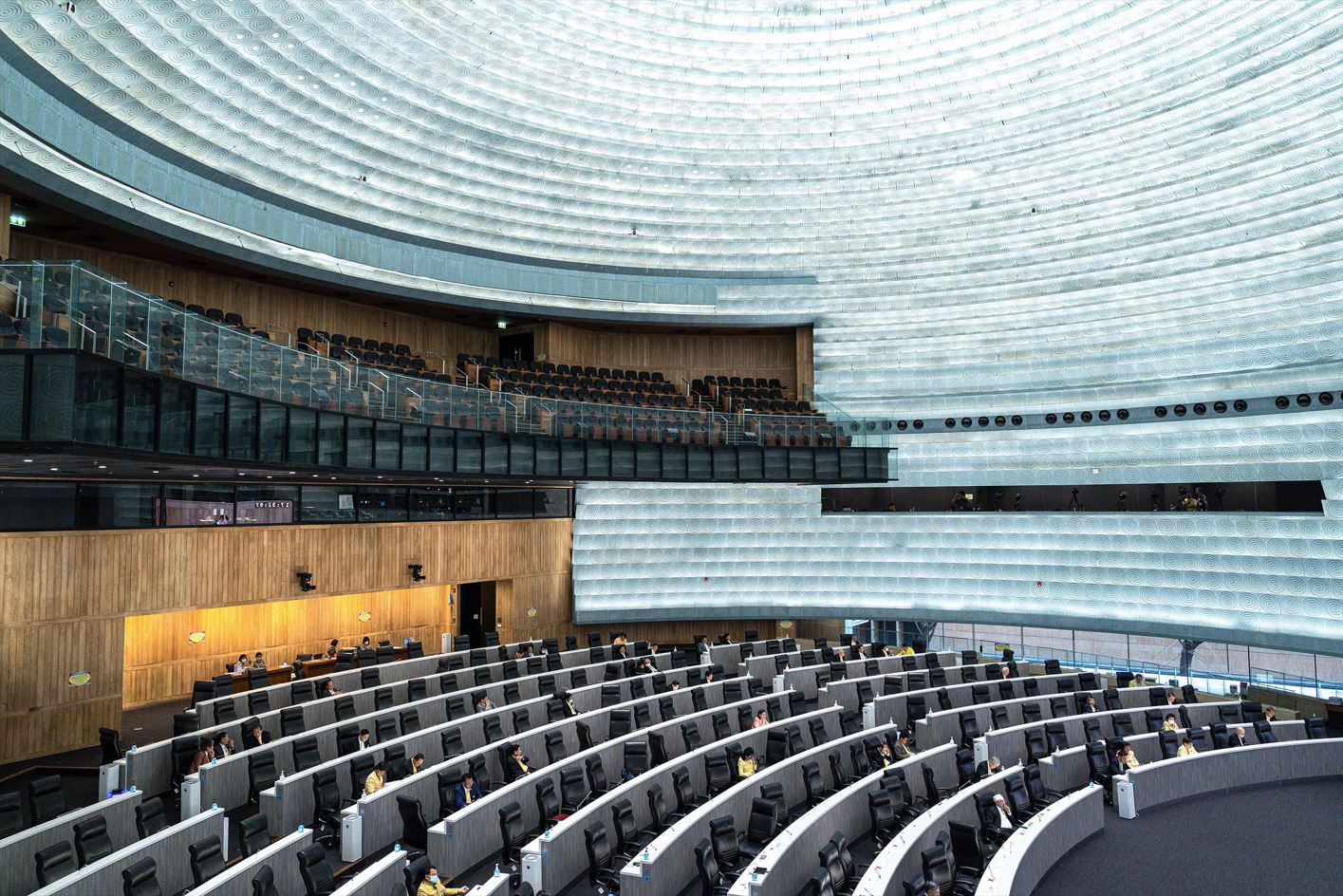
Thailand’s parliament was dissolved on 12 December after months of political turmoil, and a snap election must be held no later than 8 February, where Prime Minister Anutin Charnvirakul will seek to capitalize on nationalist sentiment triggered by Thailand’s border war with Cambodia.
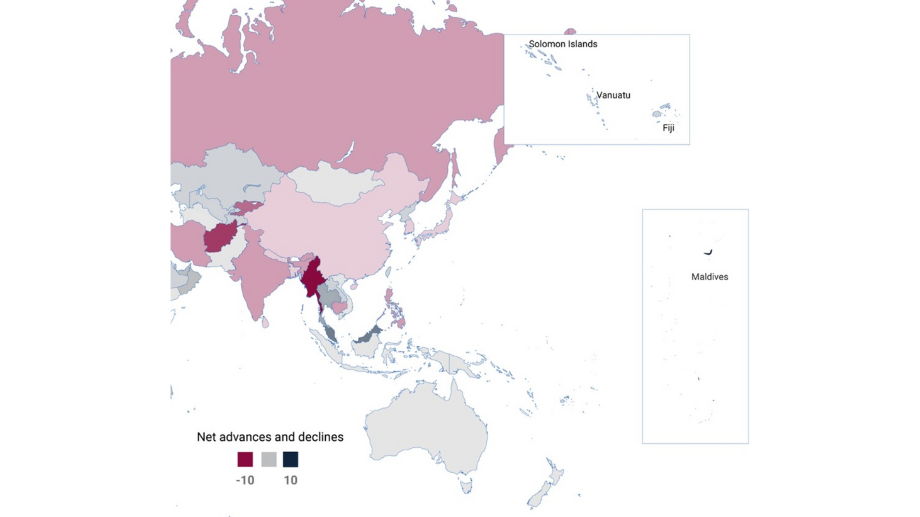
Factors of Democratic Performance
Scores represent regional averages in 2025.
*Data represents an average of the entire region
Number of events reported
See the most frequently impacted categories of democratic performance over the last six months
Most impacted factors of democracy
| Civil Liberties |
|
23x |
| Political Equality |
|
19x |
| Predictable Enforcement |
|
19x |
Critical events
- Australia - December 2025 | Mass shooting leads to tougher gun and hate speech laws
- Pakistan - November 2025 | Controversial constitutional amendment restructures executive, judiciary and military powers
- Japan - October 2025 | Sanae Takaichi becomes Japan’s first woman to serve as prime minister
- Timor-Leste - September 2025 | Parliament drops two spending plans amid public pressure
- Indonesia - August 2025 | Protests over parliamentary members’ stipends turn violent
- Sri Lanka - July 2025 | Supreme Court rules 2022 use of emergency powers unconstitutional
Specially Tagged Events
Democracy Notes



Archive
See past regional pages or use the archive to design a customized search to find exactly what you are looking for.