

Europe

The past six months have been marked by dynamism in Europe. While progress has manifested in rising electoral participation, impactful civic mobilization, and notable progress in government transparency and press freedom, concerns remain. Moves to restrict political representation and the erosion of judicial institutions are particularly worrying.
Emerging patterns

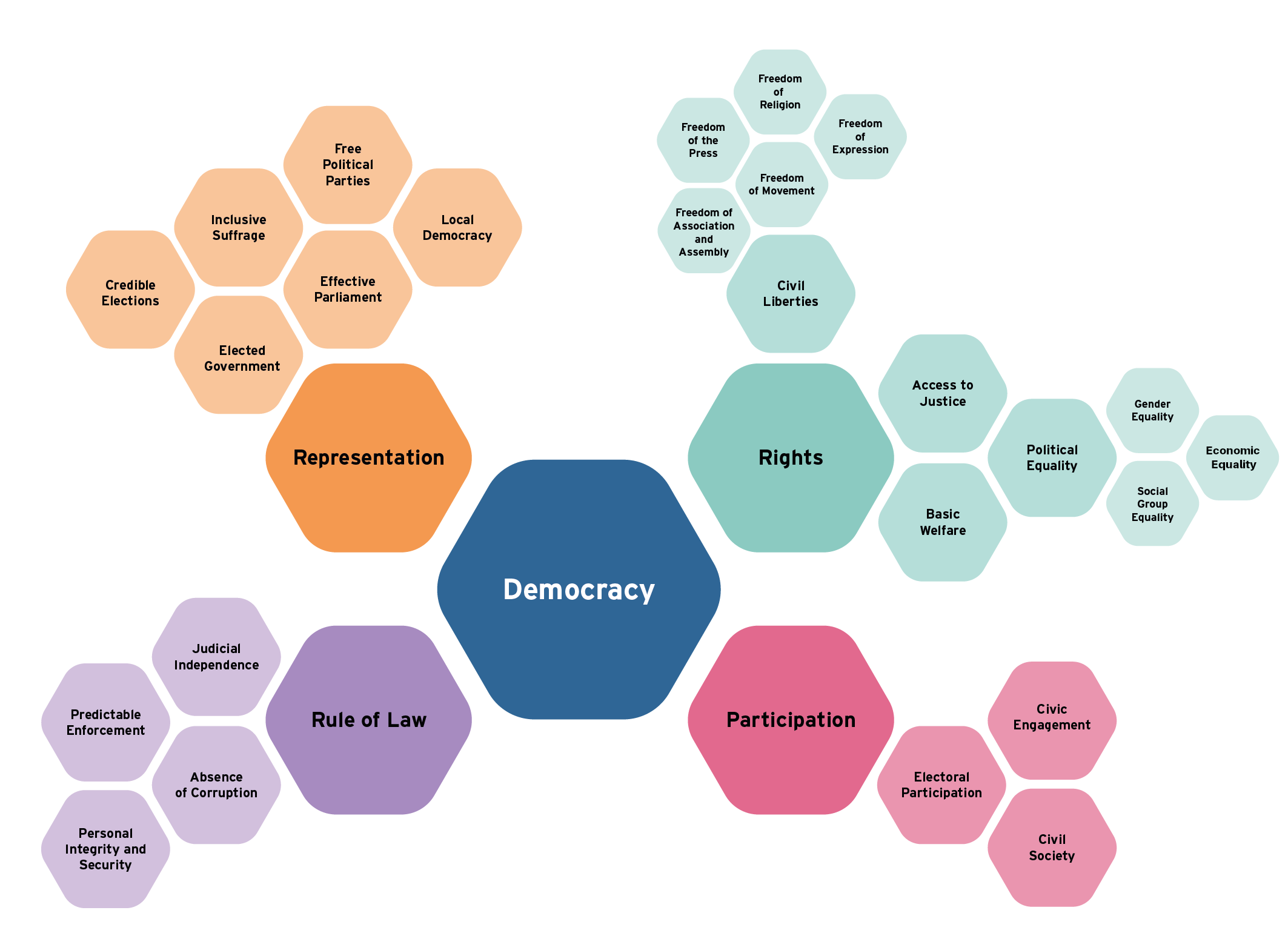
Representation
Political representation showed divergent trends, with several countries recording high electoral engagement and gains in gender representation, while others introduced measures that narrowed political participation and access to the ballot.
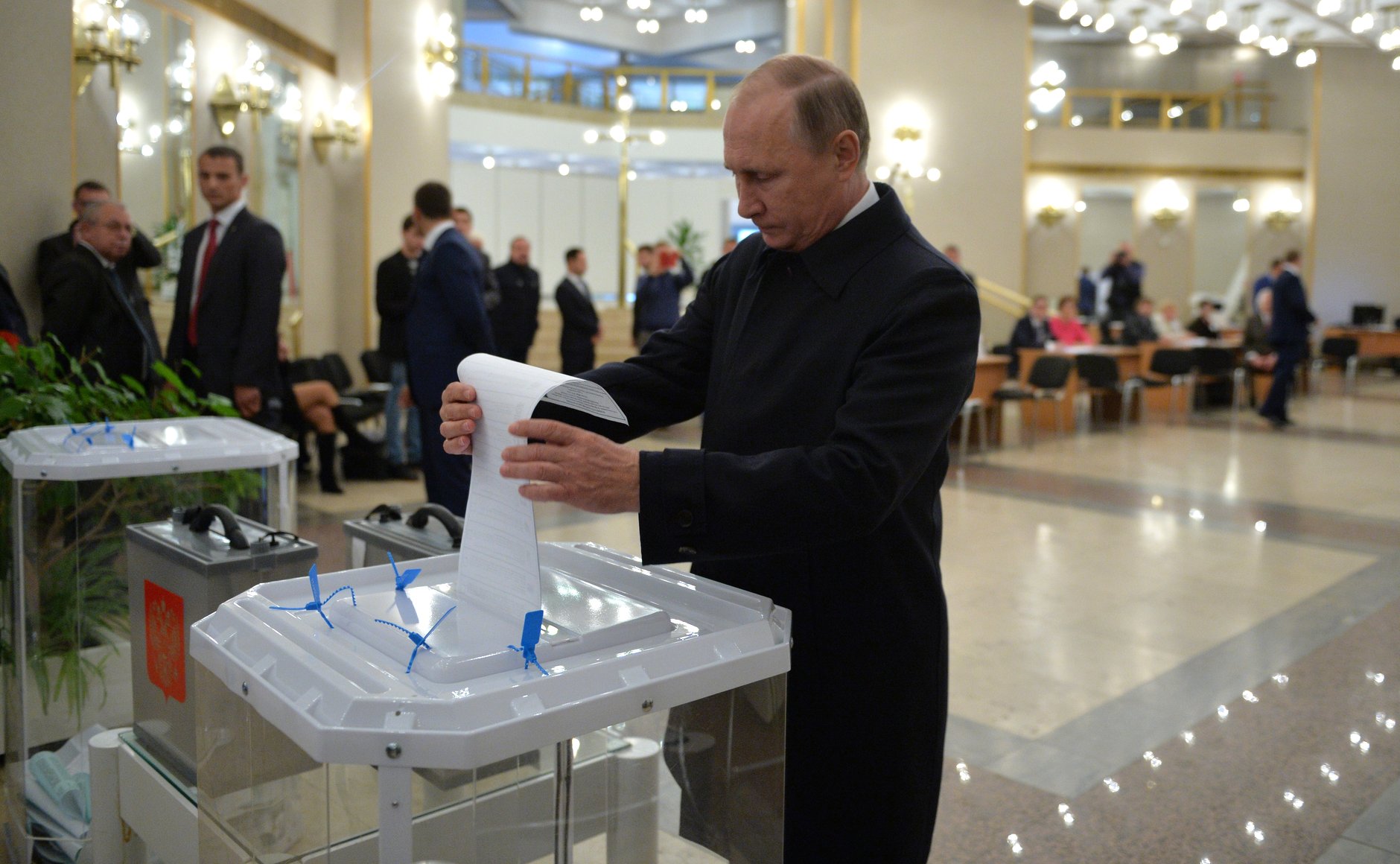
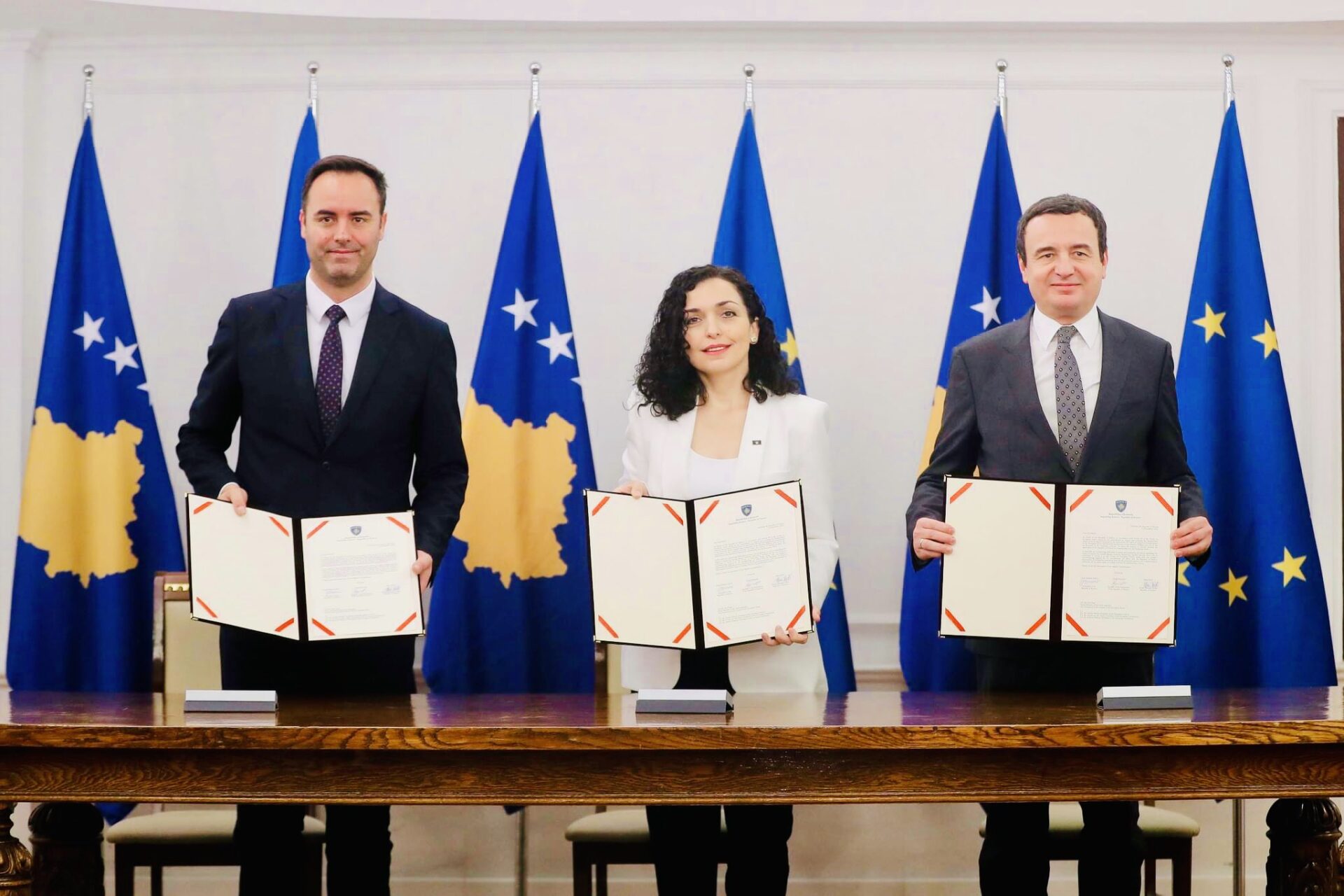
Over the past six months, five national elections have taken place across Europe, in Ireland, Moldova, Norway, Kosovo and the Netherlands. While voter turnout rose in most of these contests, a particular milestone included the highest turnout seen in Norwegian parliamentary elections due to public frustration over rising living costs, public spending and economic inequalities. Other historic developments were seen in the Netherlands and Kosovo. In the former, the share of women in the Dutch legislature reached 43.3 per cent as a result of the October election, the highest since 1918. In Kosovo, the incumbent Vetëvendosje! party won a landslide victory in snap parliamentary elections held after months of political deadlock that had paralyzed the legislature, delayed reforms and disrupted some basic public services.
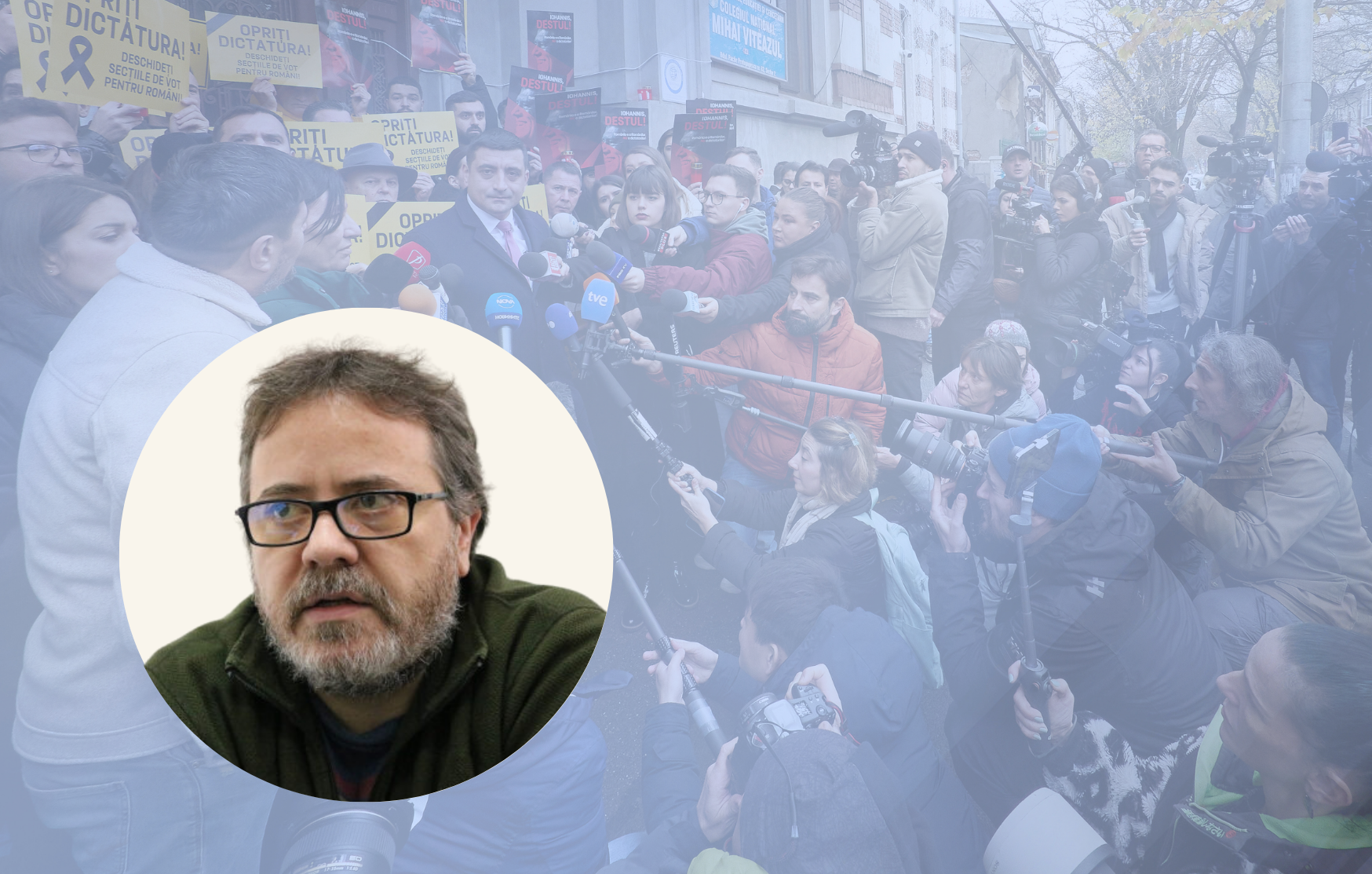
Georgia has experienced notable setbacks in political representation over this period, including new restrictions affecting Inclusive Suffrage and the operation of Free Political Parties. Parliament voted to abolish out-of-country voting, despite estimates that around 1.5 million Georgian citizens live abroad, compared with 3.7 million citizens within Georgia. Proponents of the measure argued that voters abroad are ‘vulnerable to external interference,’ while civil society groups contend that the government is motivated by its low popularity among the diaspora. Georgia’s Parliament also approved legislation granting the Constitutional Court the power to bar individuals associated with banned political parties from a wide range of political activities, including forming or joining parties, running as candidates, or holding public office.
Rights
Across Europe, rights protections followed a mixed trajectory. Notable progress in press freedom and freedom of expression ran counter to longer-term trends, as one in three European countries declined in Freedom of the Press between 2019 and 2024. Improved gender-based protections also coincided with new constraints on equality and bodily autonomy in several states.
Ukraine resumed regular, live television broadcasts of the Verkhovna Rada (Parliament) for the first time since Russia’s February 2022 full-scale invasion. In Bosnia and Herzegovina, the Constitutional Court annulled a defamation conviction against a journalist, affirming that satire and criticism of public officials are protected forms of expression. In Austria, the new Freedom of Information Act entered into force, obliging government authorities to make all ‘information of general interest’ (including policy studies, expert opinions, and contracts involving public authorities) electronically available to the public, while in Slovakia, the Constitutional Court blocked a law that would have challenged the independence of the Office for the Protection of Whistleblowers.
Alongside these developments, several countries introduced measures impacting gender equality and bodily autonomy, with notable progress made in strengthening legal protections against gender-based violence and sexual harm. In Italy, Parliament classified femicide as a crime punishable by life imprisonment. In France, lawmakers adopted a consent-based definition of rape, expanding criminal liability beyond cases of violence, threat, or coercion. However, Social Group Equality was challenged in Slovakia, where the Parliament passed a package of constitutional amendments that prohibit surrogacy, restrict adoption to married heterosexual couples, and define sex as strictly male or female as determined at birth.
Rule of Law
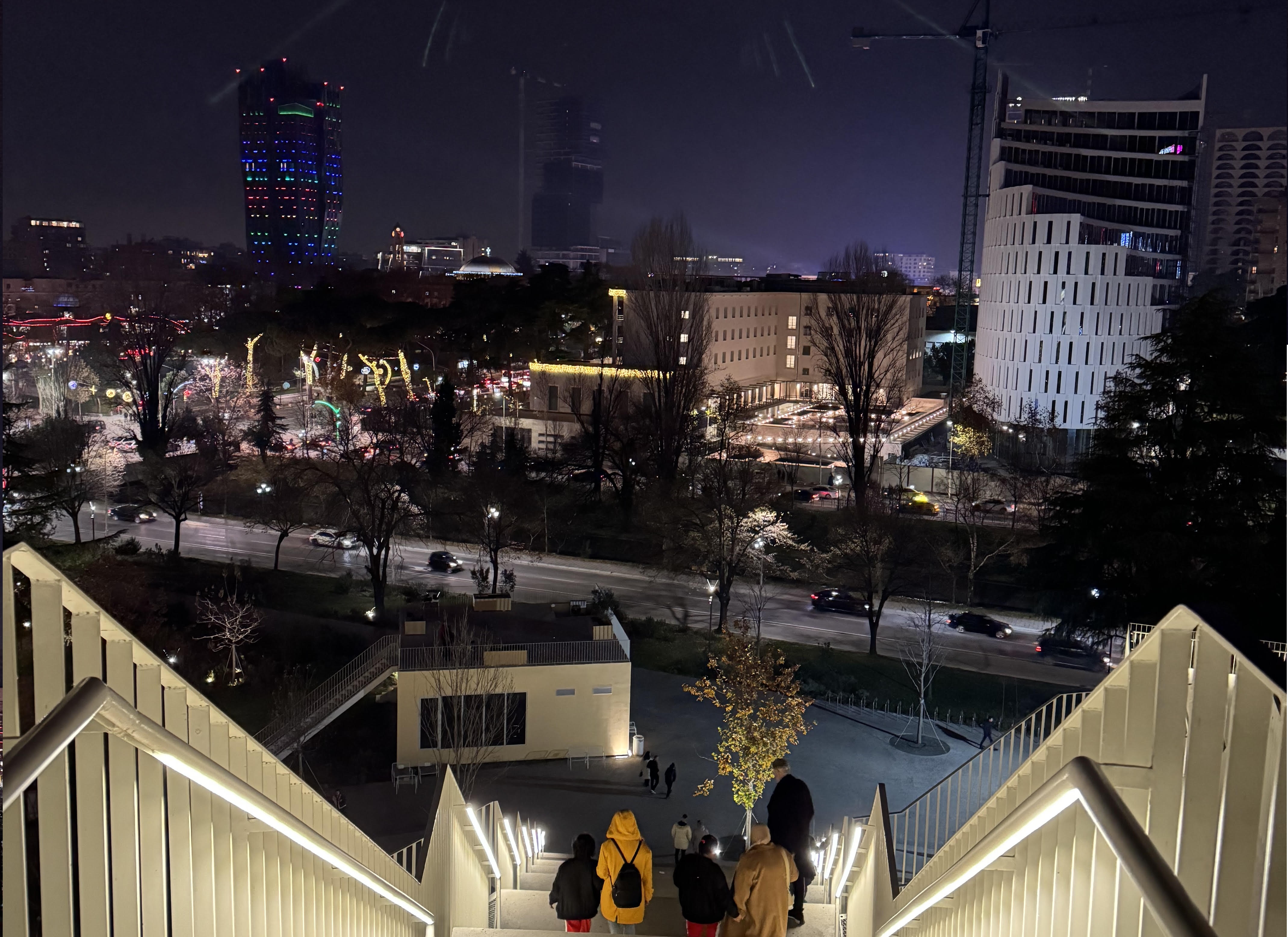
The rule of law—particularly Judicial Independence and Personal Integrity and Security—came under sustained pressure, as deep institutional weaknesses exposed vulnerabilities in judicial independence, integrity, and accountability mechanisms. In Bosnia and Herzegovina, judicial authority was contested as the Republika Srpska entity leadership initially rejected State Court rulings and the Central Electoral Commission’s decision to revoke the president’s mandate. President Milorad Dodik ultimately stepped down in September, with snap presidential elections held shortly afterwards. Meanwhile, public mistrust of the judiciary manifested in violence in Albania as a defendant opened fire in the courtroom, killing the presiding judge. In Moldova, where a wide range of indicators have been climbing in recent years, a judge stood firm in the face of death threats while overseeing the anti-corruption trial of a regional official.
Judicial institutions likewise faced deeper structural erosion in several cases. In Georgia, the Anti-Corruption Bureau, an institution originally established to strengthen transparency and combat corruption, was repurposed to exert political pressure on civil society through punitive audits before subsequently being abolished. In Bulgaria, a deadlock and dysfunction within judicial institutions has resulted in a prolonged vacancy in the Prosecutor General’s office, with the acting prosecutor continuing to serve because the Supreme Judicial Council was unable to appoint a successor, despite a Supreme Court of Cassation ruling that his mandate has expired. Institutional erosion extended beyond national institutions, as Russia withdrew from the European Convention on Torture, meaning international inspectors will no longer have access to its detention centers, threatening the severe degradation of conditions within its prison system.
Participation
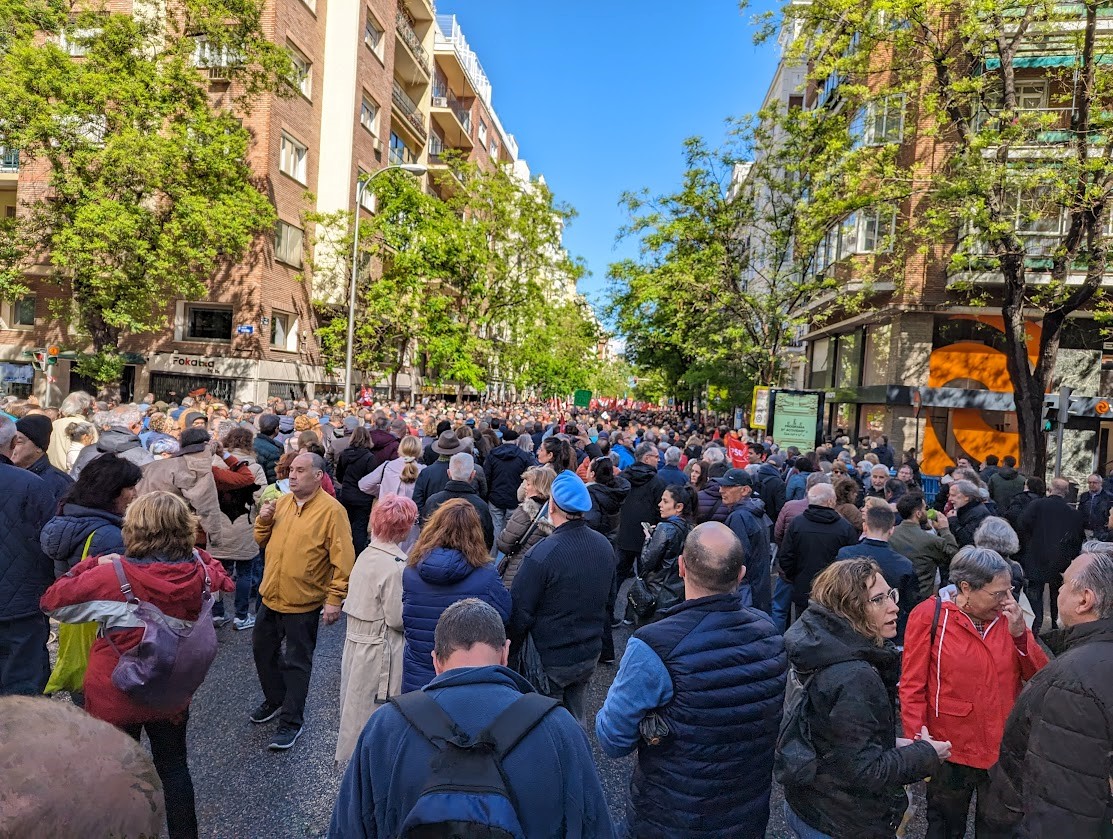
Civic participation proved a powerful force in shaping political outcomes. In Latvia, large-scale mobilization stalled draft legislation to withdraw from the Istanbul Convention, the Council of Europe treaty aimed at preventing violence against women and domestic violence. In Ukraine, Parliament quickly repealed legislation subordinating key functions of anti-corruption bodies to the Prosecutor General, a move widely criticized for undermining their independence. The reversal followed the largest anti-government street protests since the full-scale Russian invasion began.
In Bulgaria, youth-driven anti-corruption protests led to the resignation of Prime Minister Rosen Zhelyaskov’s government in December, with more than 100,000 people gathering in Sofia alone.
At the same time, some governments have intensified efforts to restrict civil society operations. In Georgia, authorities froze the bank accounts of seven major civil society organizations in August as part of inspections launched after the entry into force of the Foreign Agent Registration Act, claiming--without evidence--that the organizations were engaged in ‘sabotage.’
The coming months are likely to test how European governments navigate the tension between security imperatives and fundamental rights, with several pending decisions carrying the potential to reshape legal standards and civic space. It will be important to closely monitor countries like Estonia, where the Supreme Court may set a precedent for how far security considerations can justify restrictions on religious autonomy. The United Kingdom also warrants close attention, as proposed public-order offences could test the proportionality of restrictions on peaceful protest.
Migration and the rights of asylum seekers also remain a key issue, as Spain, Italy, and Albania pursue externalized migration arrangements that have raised concerns over oversight, legal safeguards, and access to asylum. Moreover, in the Netherlands and Portugal, efforts to tighten immigration restrictions continue to face scrutiny by advisory bodies and courts, respectively.
Finally, efforts to strengthen protections for LGBTQIA+ individuals should be closely monitored, as a proposed ban on conversion therapy advances through the legislative process in the Netherlands.
Factors of Democratic Performance
Scores represent regional averages in 2025.
*Data represents an average of the entire region
Number of events reported
See the most frequently impacted categories of democratic performance over the last six months
Most impacted factors of democracy
| Political Equality |
|
21x |
| Civil Liberties |
|
14x |
| Personal Integrity and Security |
|
13x |
Critical Events
- Denmark - December 2025 | CJEU preliminarily rules that Public Housing Law may be discriminatory
- Italy - November 2025 | Chamber of Deputies approves Femicide bill; takes effect in December
- France - October 2025 | Parliament approves definition of rape based on consent
- Slovakia - September 2025 | Constitutional amendments target LGBTQIA+ and surrogacy rights
- Italy - August 2025 | CJEU ruling further challenges Italy-Albania asylum-seekers detention deal
- Cyprus - July 2025 | Parliament passes law tightening rules for public protests and assemblies
Specially Tagged Events
Democracy Notes







Archive
See past regional pages or use the archive to design a customized search to find exactly what you are looking for.