


House of Representatives election and referendum
Status
Past
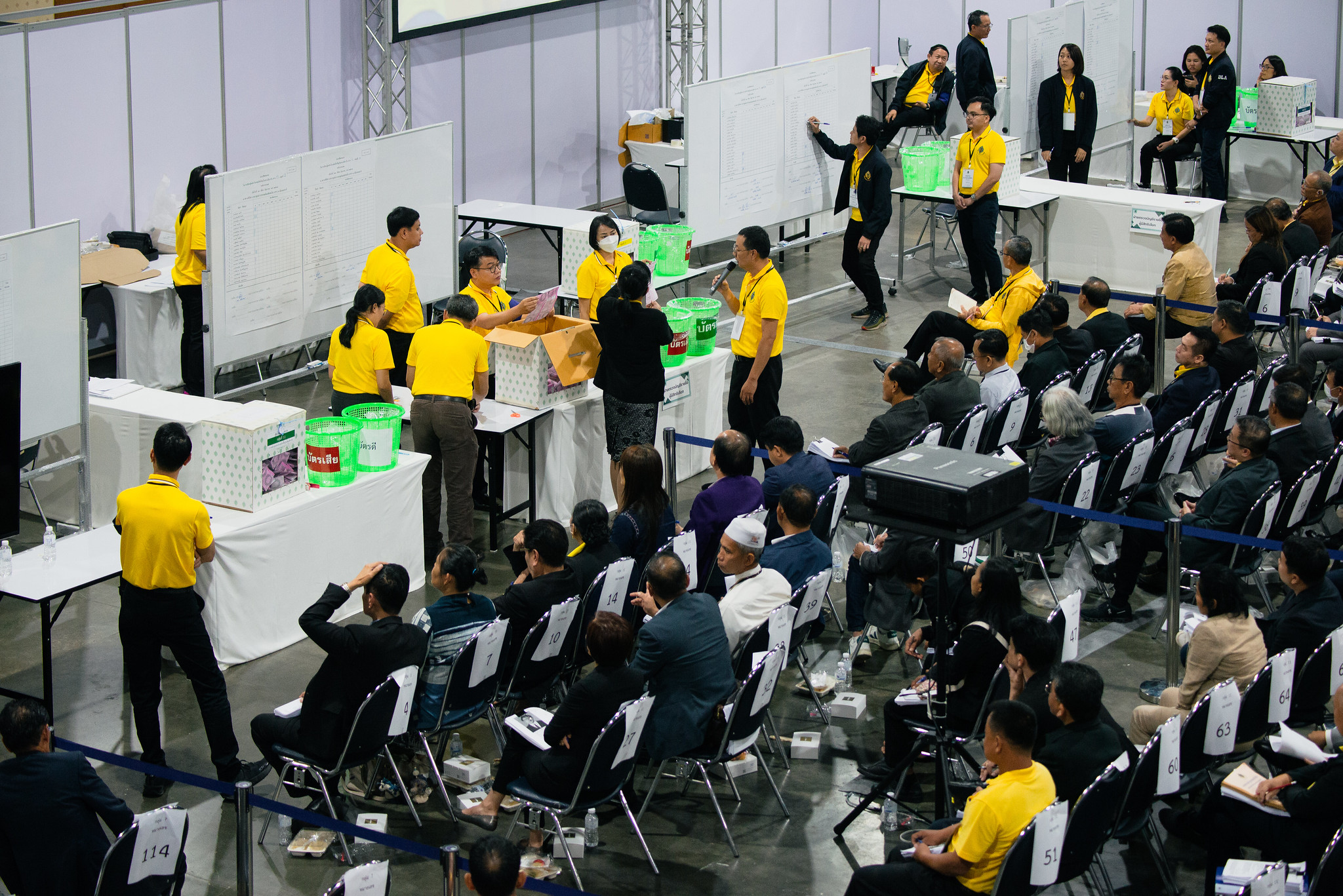
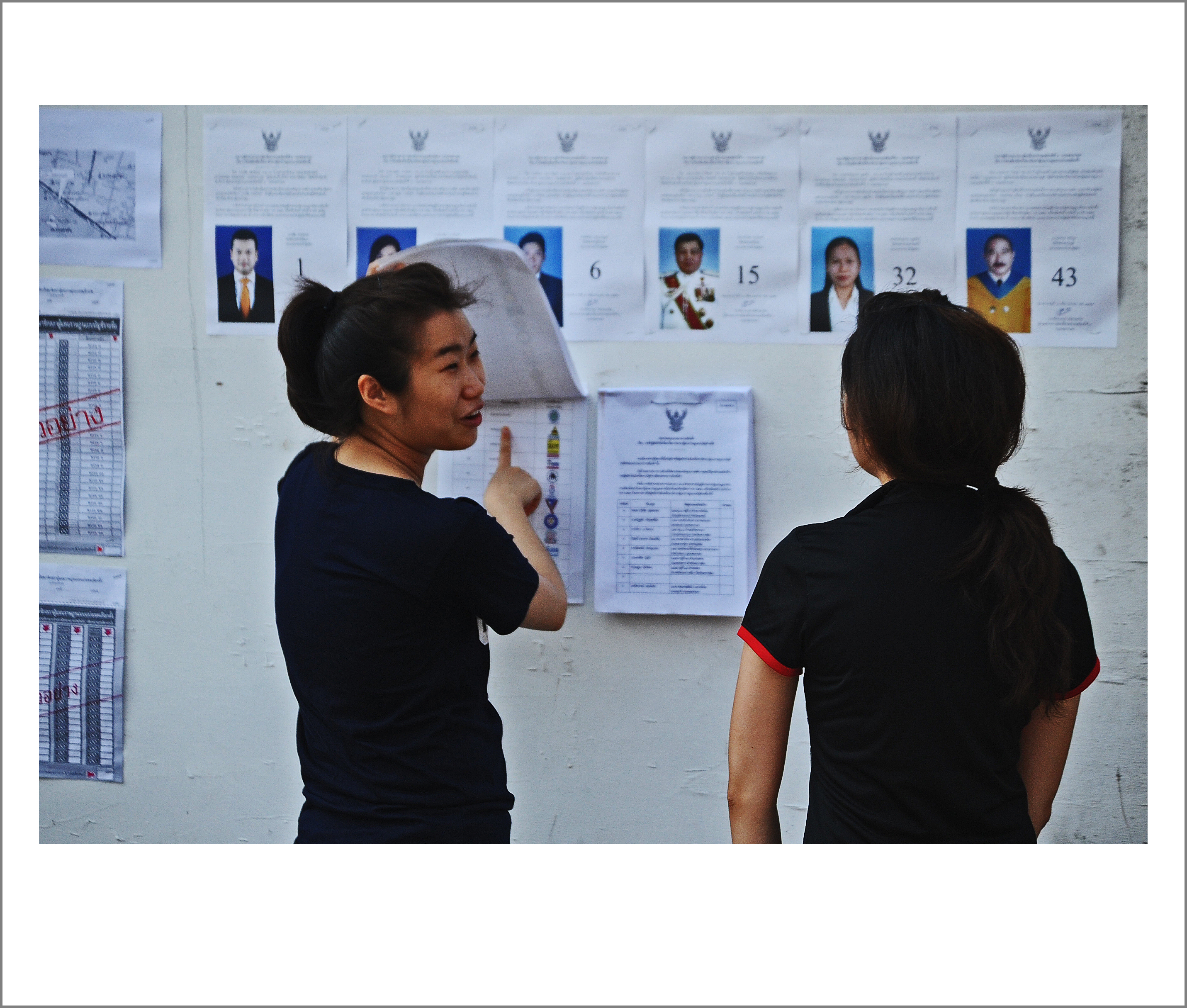
Elections to the House of Representatives and a referendum took place on 8 February 2026.






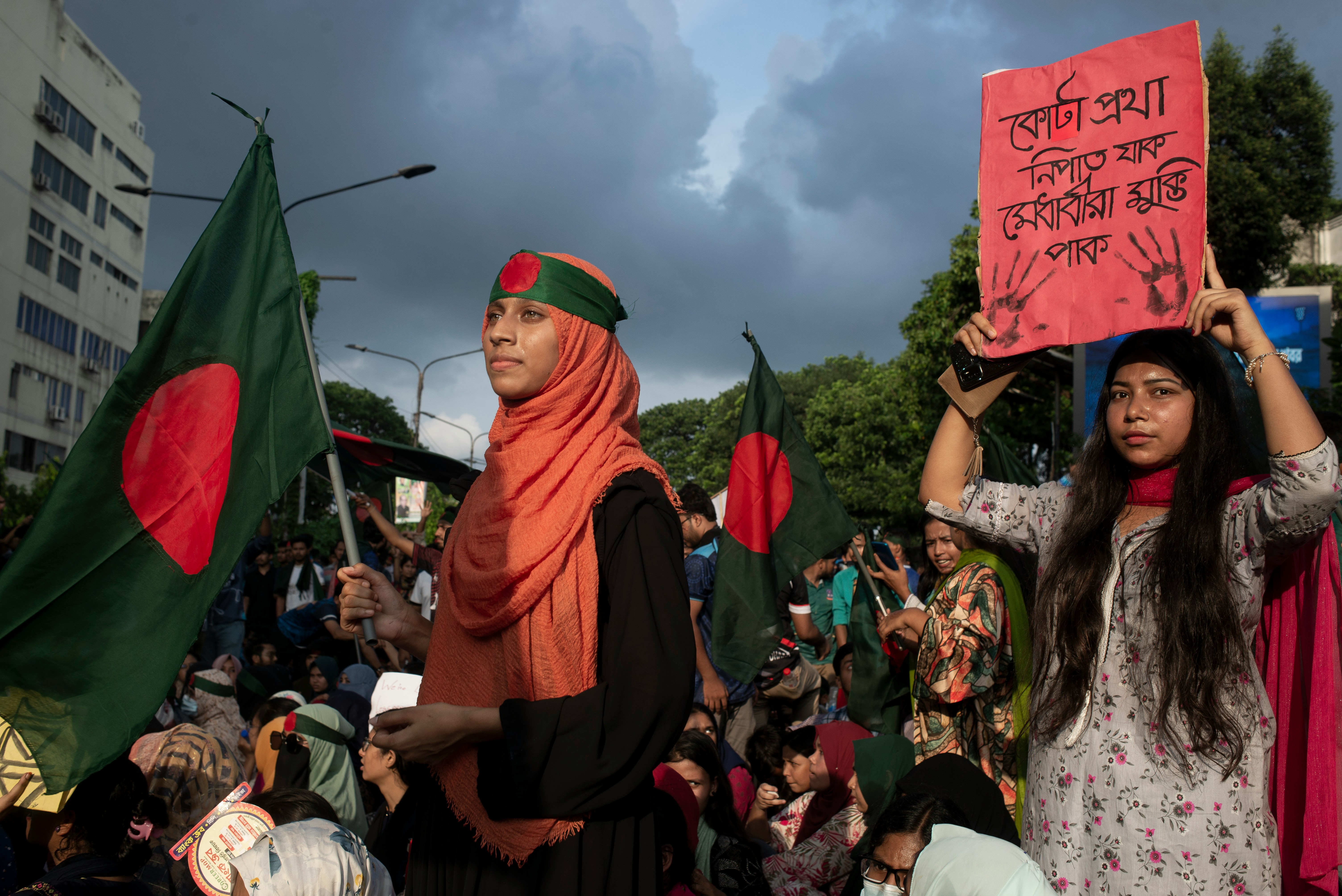
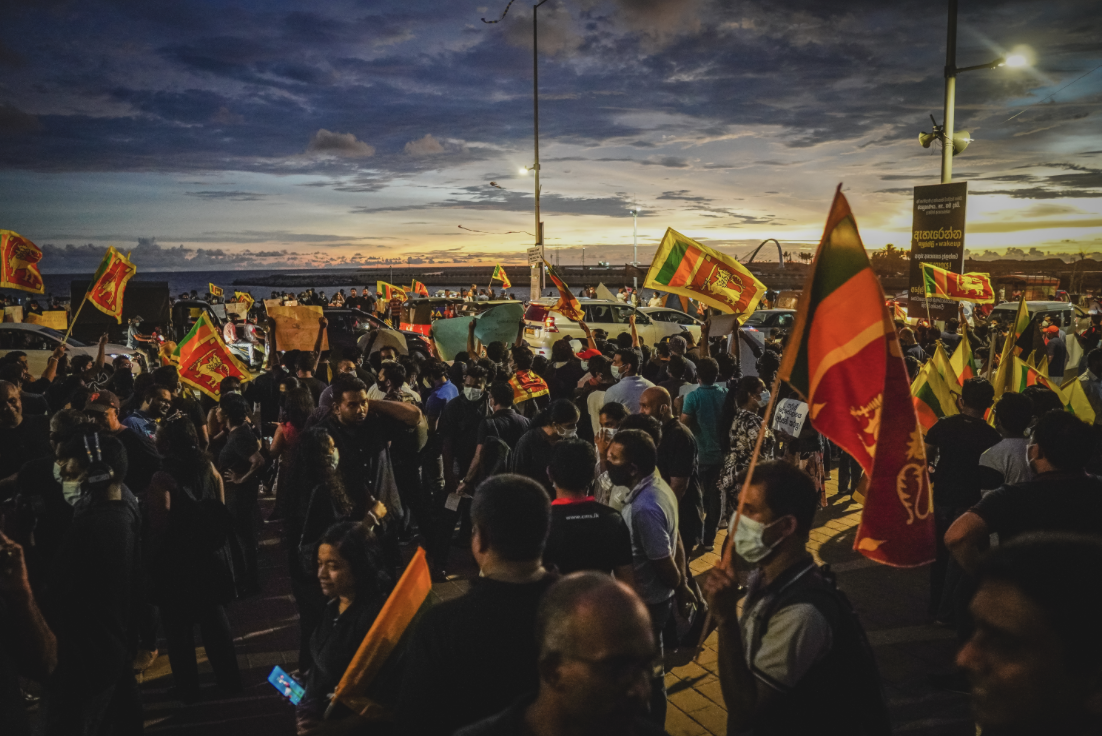
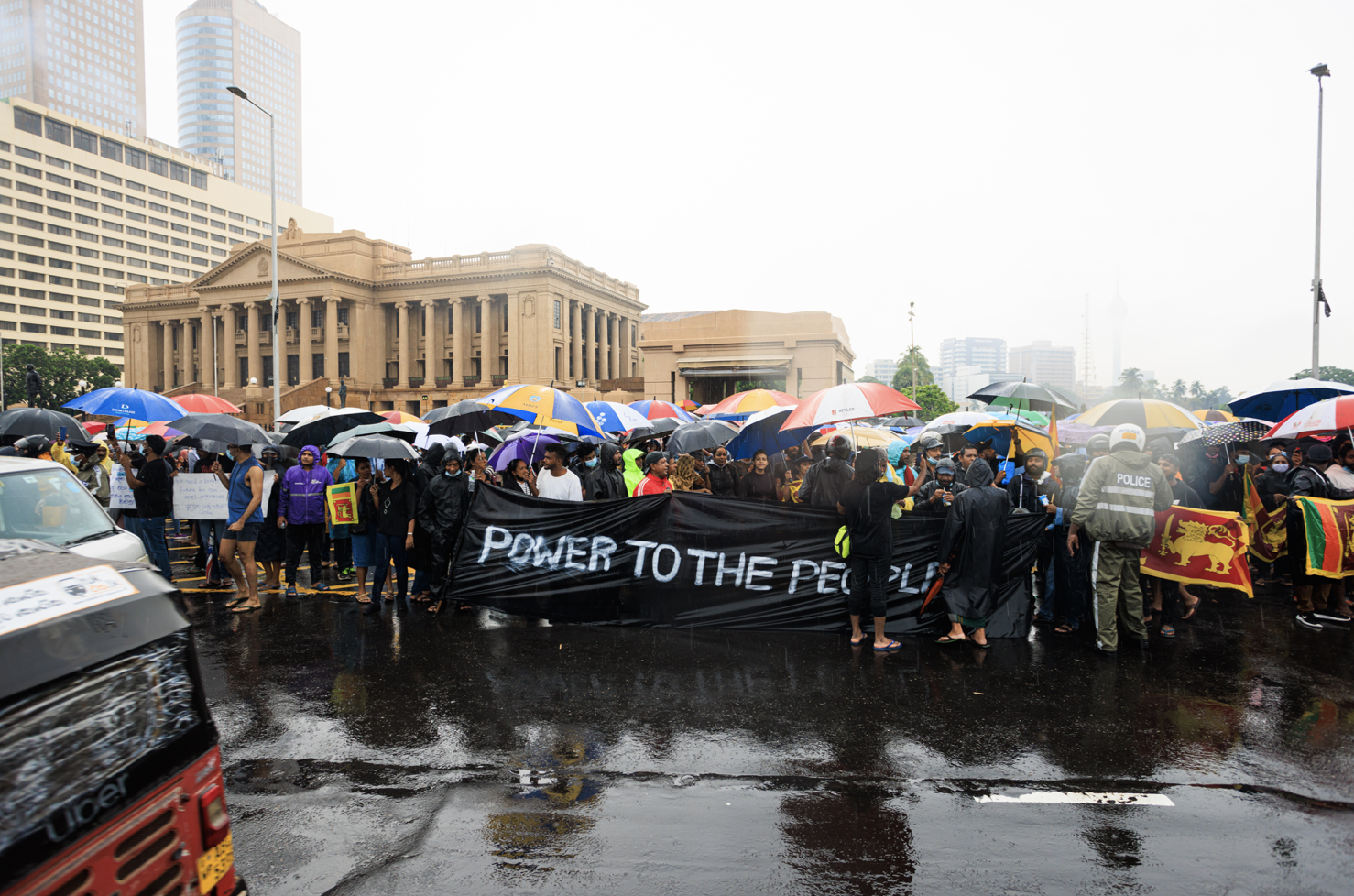
The second half of 2025 brought upheaval to Asia and the Pacific. This was particularly acute in South Asia, which witnessed the conviction of Bangladesh’s former prime minister Sheikh Hasina on charges of crimes against humanity, mounting threats to Pakistan’s judiciary, and large-scale protests across several countries. In September alone, youth-led protests erupted in Indonesia, India, the Philippines, Timor-Leste and Nepal – the latter of which ultimately toppled the government.

Political instability and leadership crises continued to shape the region. In Nepal, Prime Minister KP Sharma Oli resigned amid violent unrest following ‘Gen-Z’ protests over freedom of expression and corruption. In Thailand, Prime Minister Paetongtarn Shinawatra was removed from office over an ethics violation and her handling of a border dispute with Cambodia, part of a pattern in Thai politics of elected leaders being ousted by court rulings or military coups.
Opposition groups in the region also continued to face challenges. Both Pakistan and Fiji took steps to dissolve opposition parties, with Pakistan prosecuting more than 100 opposition figures in a case related to the 9 May 2023 attacks on military installations.
Malaysia and South Korea advanced institutional reforms to curb executive overreach and strengthen the role of their parliaments. Ahead of Bangladesh’s 2026 general election, the Election Commission launched a voting system for expatriates for the first time, signalling an effort to expand diaspora political participation.
Elections
Two national elections took place in the second half of 2025: an upper house election in Japan and a parliamentary election in Kyrgyzstan. In Japan, the Liberal Democratic Party received its lowest-ever share of votes but retained control of the ruling coalition. Voter turnout increased slightly in both elections compared to prior years, with modest gains in women’s representation in both countries.
Freedom of Expression and the Press faced significant challenges, in line with much of the rest of the world. The Maldives and Kyrgyzstan passed laws tightening executive control over the press, while Afghanistan and Nepal imposed social media bans. Nepal’s ban, however, sparked widespread protests, led to the resignation of the prime minister, and was quickly lifted. Elsewhere, Mongolia’s Constitutional Court struck down a provision criminalizing ‘false information’ which had been used to silence critics and journalists.
In an advance for Access to Justice, Bangladesh passed a long-awaited law criminalizing enforced disappearances. A domestic tribunal’s convictions of both former Prime Minister Sheikh Hasina and Home Minister Asaduzzaman Khan for crimes against humanity provided an important step toward accountability for the victims of the July 2024 protests – though marred by their sentencing to death in absentia. Pakistan expanded preventative detention powers through new anti-terrorism legislation.
Social Group Equality saw mixed progress for Indigenous and minority rights. Australia and Indonesia took positive steps, establishing historic treaty legislation and protecting Indigenous groups’ land rights, respectively. However, China intensified repression against ethnic and religious minorities, while Australia passed controversial deportation laws for migrants.
Gender Equality saw notable advances, with Japan and Nepal appointing their first female Prime Ministers amid major leadership crises. Women’s rights were further expanded through Kazakhstan’s criminalization of forced marriage, India’s strengthening of workforce protections, and Indonesia’s enhancement of gender representation in elected bodies.
Personal Integrity and Security was strongly affected by armed conflict between Thailand and Cambodia, which broke out in July over control of a long-contested area along the two countries’ border. Dozens were killed, hundreds of thousands displaced, and a ceasefire in place from 28 July collapsed for several weeks in December, killing an unknown number of soldiers and civilians and displacing hundreds of thousands more before the two countries’ leaders recommitted to a ceasefire on 27 December. The Myanmar military junta’s decision to launch a sham election in December exacerbated domestic instability across the country.
In terms of Judicial Independence, Bangladesh’s High Court Division reinstated the Supreme Court’s control over lower courts, reinforcing the separation of powers. In contrast, Pakistan passed constitutional amendments creating a new constitutional court appointed by the executive, granting extensive powers to the president, and providing senior military officers and the president with lifetime immunity from criminal prosecution.
In Sri Lanka President Anura Kumara Dissanayake’s government made mixed progress on its campaign promises to stamp out corruption, launching an investigation into former President Wickremesinghe and removing the Inspector General, the head of the national police, accused of torture and abuse of power. However, civil society criticized the decision to respond to the damage caused by Cyclone Ditwah through a state of emergency when existing laws provided adequate means.
No country had more rule of law events in the Democracy Tracker than Indonesia. President Prabowo was criticized for alleged political pardons, the implementation of palm oil plantation nationalization raised good governance concerns, and a police procedure law reduced prosecutorial oversight. Conversely, courts acted as robust checks on executive power, ruling deputy ministers and police officers could not hold second jobs and reinstating convictions in a major palm oil corruption case.
As in many corners of the world during the latter half of 2025, changes in modes of public participation were seen in large-scale street protests. In addition to the aforementioned protests in Nepal, Timor Leste saw the largest protests in its independent history against government spending plans, and New Zealand the largest strike in four decades over underinvestment in critical public services. In Indonesia at least ten people were killed and thousands arrested after nationwide protests against a proposed parliamentary pay raise in the context of general economic malaise and dissatisfaction with the political class.
Key developments to watch include the reform processes in Nepal and Bangladesh; the former is scheduled to hold early general elections on 5 March and the latter a joint general election-constitutional referendum on 12 February. It will be important to watch how these elections impact fragile reform and reconciliation processes amid reconfigured party landscapes and demands for electoral reforms. Efforts to include youth voices and diaspora communities may also influence Participation.
Thailand’s parliament was dissolved on 12 December after months of political turmoil, and a snap election must be held no later than 8 February, where Prime Minister Anutin Charnvirakul will seek to capitalize on nationalist sentiment triggered by Thailand’s border war with Cambodia.
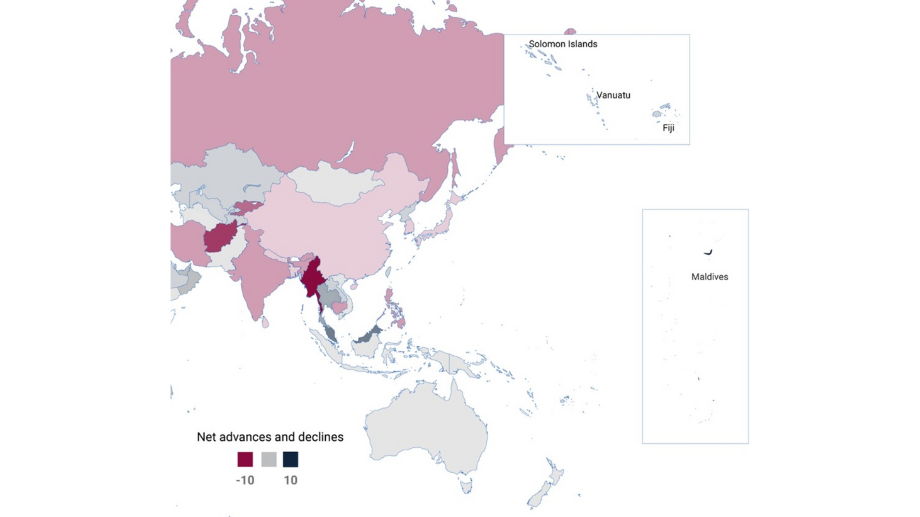
Scores represent regional averages in 2024.
*Data represents an average of the entire region
See the most frequently impacted categories of democratic performance over the last six months
| Civil Liberties |
|
22x |
| Political Equality |
|
19x |
| Predictable Enforcement |
|
19x |
See past regional pages or use the archive to design a customized search to find exactly what you are looking for.
Elections to the House of Representatives and a referendum took place on 8 February 2026.
Elections to the House of Representatives are scheduled for 5 March, 2026
In November, Egypt held parliamentary elections to fill 568 of the 596 seats in the House of Representatives, with the remaining 28 members appointed by the President. Voting took place domestically in two phases from 10 to 11 and from 24 to 25 November, with overseas voting held on 7 and 8 November. The elections were disrupted due to allegations of procedural defects, irregularities in vote counting, vote-buying and ballot tampering.
On 29 October, President Samia Suluhu Hassan was declared the winner of the country’s presidential election with 97.7 per cent of the vote; she was one of three women candidates among the 17 on the ballot. According to the Independent National Electoral Commission, voter turnout reached nearly 87.0 per cent, up from the disputed 2020 figure of 50 per cent. The main opposition parties, Chadema (Chama cha Demokrasia na Maendeleo) and ACT-Wazalendo, were excluded from the race earlier this year, leaving Hassan to contest against smaller parties.
On 26 October, Argentina held legislative elections to renew half of the members of the Chamber of Deputies (127 seats) and one-third of the members of the Senate (24 seats). Two main political coalitions won the majority of votes across the country: the incumbent La Libertad Avanza (LLA) and the opposition Fuerza Patria/Peronismo (FP) alliance. In the Chamber of Deputies, LLA received 41.5 per cent of the vote, followed by FP with 34.9 per cent. In the Senate, LLA also led with 42.0 per cent, while FP followed with 36.9 per cent.
Presidential elections had been due to take place in February 2024, but they were not held.

In the first half of 2025, leaders in the Americas pushed the boundaries of executive power, a pattern exemplified in the United States. The new US administration’s policies, impacting many measures of democracy, have affected how other countries in the region deal with migration or combat crime. In several countries, the rights of social groups, especially migrants, were restricted. Six countries held national elections.
Representation
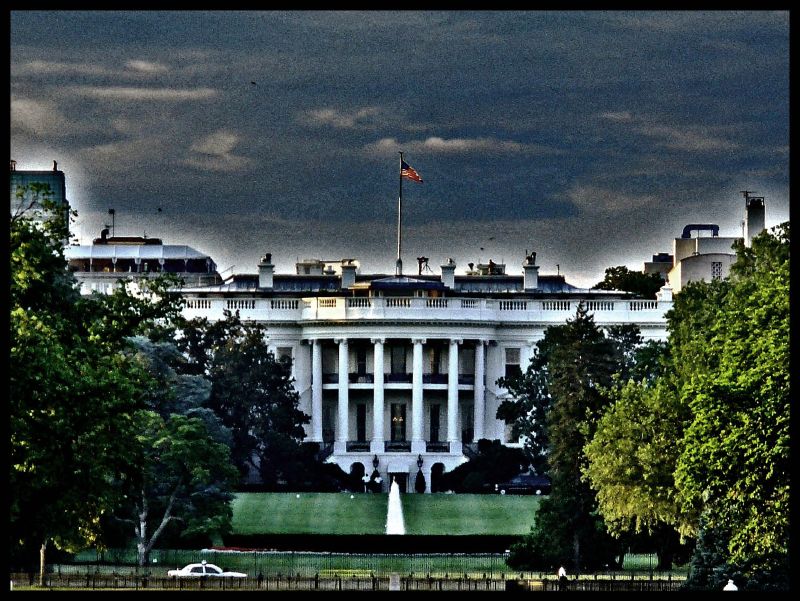
Developments in Representation were mixed, the main trend being attempts to weaken checks and balances. In Argentina, President Milei has repeatedly used ‘urgency and necessity’ decrees to further his agenda on subjects such as migration that require congressional approval. The legislature has taken some assertive steps, such the Senate’s rejection of Supreme Court nominees that President Milei attempted to appoint by decree. In the United States, President Trump has issued a large number of far-reaching executive orders that significantly undermine separation of powers. The administration has cancelled the disbursement of Congressionally approved funds, ordering the closure of the Department of Education and dismantling USAID.
The consolidation of single-party rule is another recurring phenomenon. In El Salvador, where the ruling party and allies hold 57 out of 60 seats, Congress abolished public financing for political parties, making the political system inaccessible to opposition and new political parties. In Nicaragua, members of the opposition are now banned from running for the newly created offices of ‘co-presidency’.
Rights
Restrictions on mobility and migrants’ rights were the most notable in the beginning of 2025. In Panama, the government tightened rules for asylum seekers and migrants, shuttering shelters in the Darien region and expediting deportations. Central and South American countries have felt the effects of new US policy on migration, which includes the deportation of undocumented migrants to third countries. This policy (along with recent legislation) has significantly narrowed prospects for family reunification and pathways to legal status, eroded migrants’ due process rights and access to justice by resorting to summary deportations, defiance of court orders, and revoking visas and residence permits for political reasons.
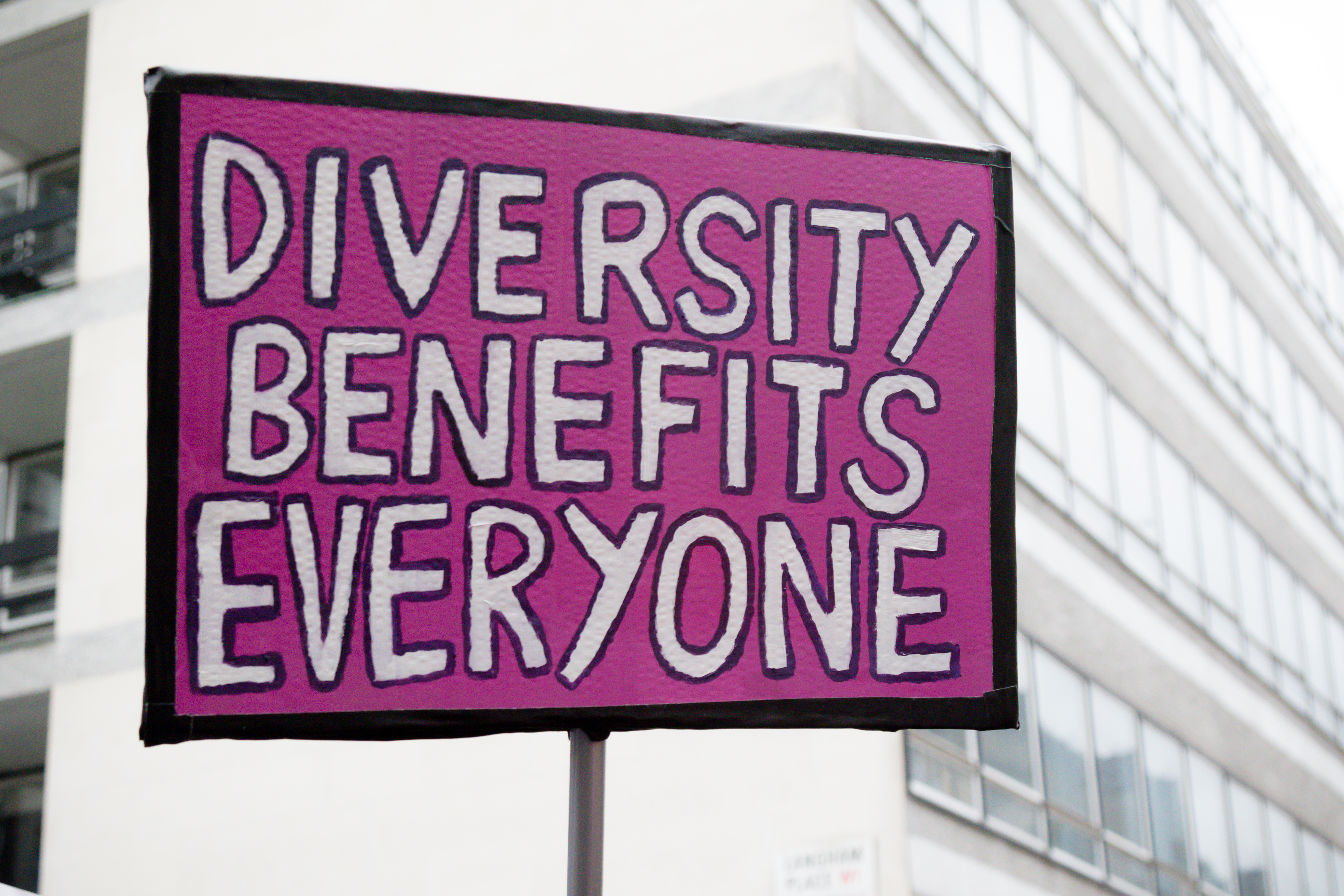
A pushback to diversity, equity and inclusion policies (DEI) has diminished gender equality and social group protections in the United States, including for members of the LGBTQIA+ community, resulting in the rejection of trans identity. LGBTQIA+ rights have also backtracked in Trinidad and Tobago, where an appeals court overturned a landmark ruling for gay rights. In Argentina, gender affirming care for children and adolescents has been restricted.
Some progress in the Rights category has come in the form of strengthened self-government for Indigenous peoples in Colombia, and a National Care Policy establishing a framework to address inequality experienced by those who perform unpaid caregiving tasks.
Rule of Law
Judicial Independence was a recurring theme for Rule of Law. In Costa Rica, President Rodrigo Chaves joined a protest against the judiciary, due to ongoing inquiries into allegations of corruption-related crimes. In Nicaragua, some judicial orders will require national police approval before they are enforced, subordinating judges’ authority. In the United States, federal judges will no longer be able to issue nation-wide injunctions to halt the enforcement of policies that are challenged before the courts, decreasing their power.
Political violence has had a negative impact on Personal Integrity and Security in the United States, where state lawmakers were shot, seemingly for their political affiliations, and in Colombia, where a senator was killed.
Absence of Corruption performance was also notable. A Brazilian justice confirmed the conviction of former president Collor de Mello, while a Peruvian court found former president Ollanta Humala guilty of money and asset laundering. Another development is the adoption of an anti-corruption law in El Salvador, although its effectiveness has been questioned due to insufficient transparency safeguards.
Participation
Increased scrutiny of civil society organizations was the main trend in Participation. With negative impacts to civic space, legislation restricting the funds and work of CSOs was introduced in Peru and El Salvador. Amendments in Peru to an international cooperation law will tighten government scrutiny over their work. The Salvadoran Foreign Agents Law will require CSOs that receive foreign funding to pay a 30 per cent tax.
Elections
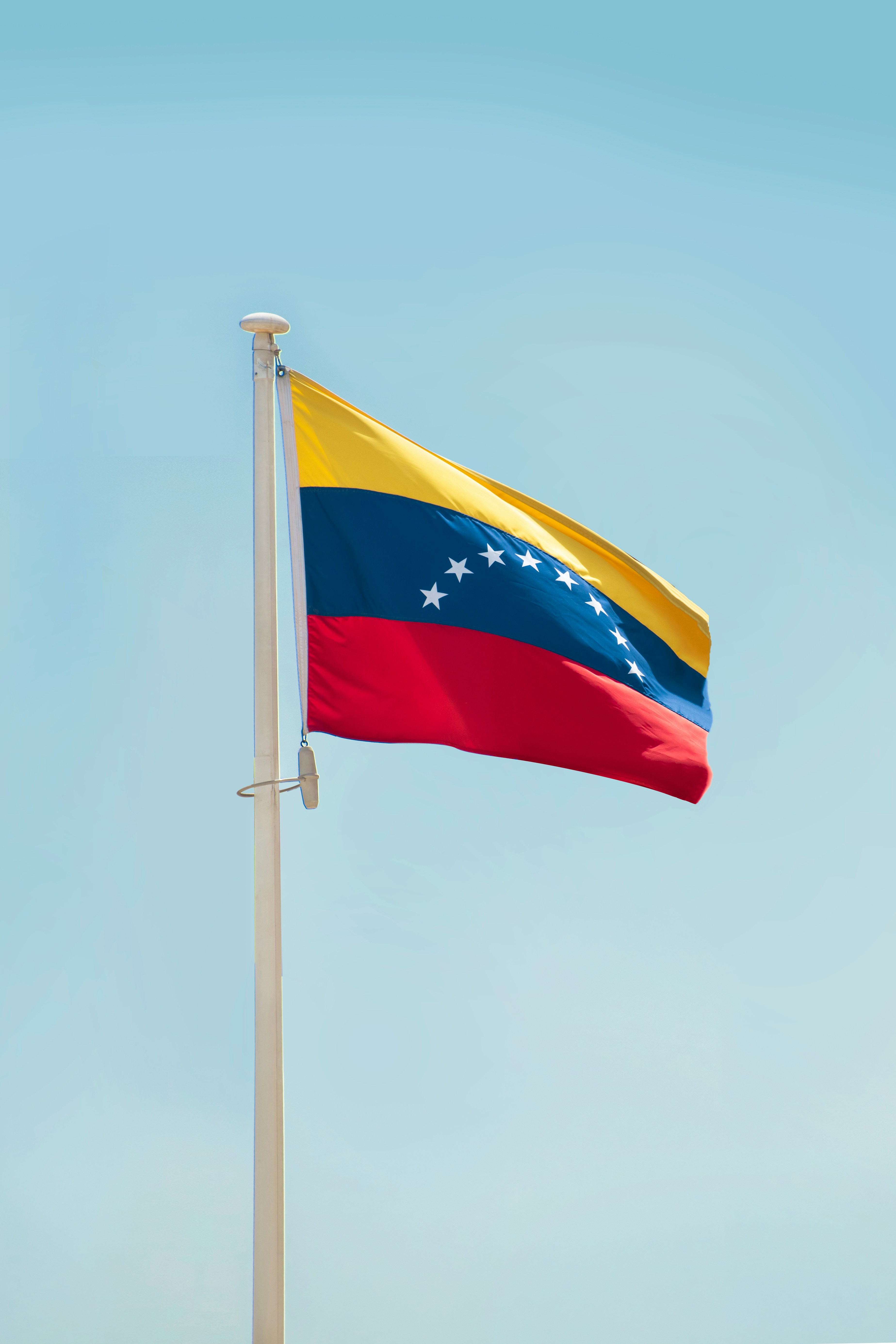
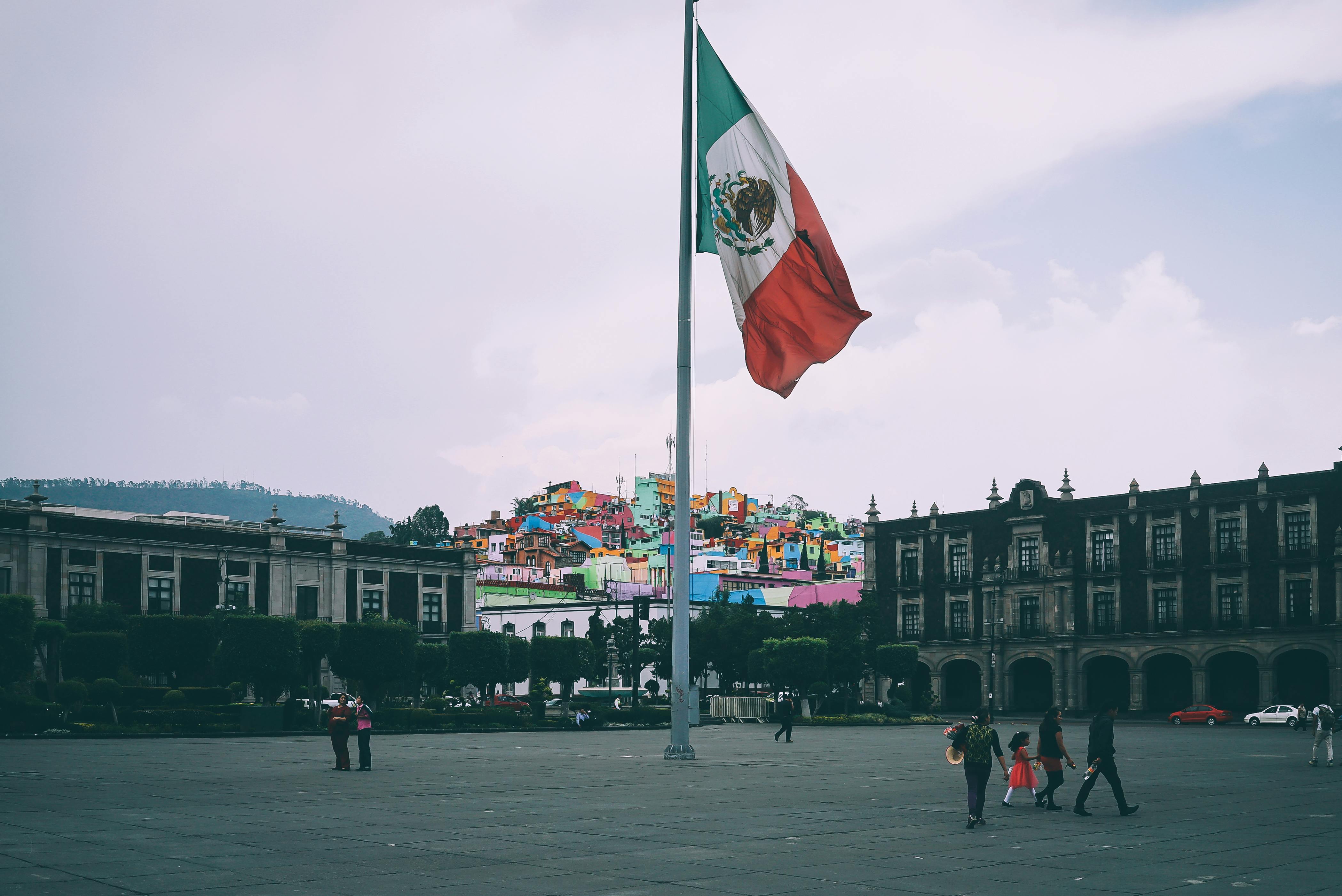
National elections were held in six countries: Ecuador (February), Trinidad and Tobago (April), Canada (April), Suriname (May), Venezuela (May), and Mexico (June). Ecuador and Canada saw their leaders re-elected, with the latter country registering its highest turnout in decades. In Suriname, parliament elected its first woman president. In Trinidad and Tobago, parliamentary elections resulted in an opposition leadership victory. Elections for Venezuela’s National Assembly lacked independent oversight. Mexico held its first judicial elections.
Given its current trajectory, it will be important to monitor the United States’ democratic performance across all categories. An executive order on ‘electoral integrity’ seeks to introduce ID and other requirements for voters, with a likely impact on Inclusive Suffrage. The administration’s pauses of the implementation of some legislation, such as the Foreign Adversary Controlled Applications Act with regard to the ban on TikTok, and attempts to direct agencies in matters that appear to exceed executive powers are likely to impact Predictable Enforcement. As government policies are challenged in the courts, Judicial Independence will be key, as will Personal Integrity and Security, given the rise in political violence. Because of unequal protections to free speech, weakened due process for migrants and the reversal of DEI promotion, Access to Justice, Civil Liberties and Political Equality will be crucial for democracy in the United States.
Access to Justice will also be key in other countries in the region, as Ecuador will be required to take measures to implement an Inter-American Court of Human Rights ruling that found it responsible for rights violations against Indigenous communities. Honduras will see an international inquiry into the killing of prominent human rights defender Berta Caceres.
Another important development for Rights will be the impact on Basic Welfare of the reintroduction of metal mining in El Salvador, and whether measures are taken by the government to minimize impacts to the environment.
In Participation, elections will be held in Bolivia (August), Jamaica and Guyana (September), Argentina (October – legislative), Honduras and Chile (November).
Scores represent regional averages in 2024.
*Data represents an average of the entire region
See the most frequently impacted categories of democratic performance over the last six months
| Predictable Enforcement |
|
27x |
| Political Equality |
|
21x |
| Civil Liberties |
|
16x |
See past regional pages or use the archive to design a customized search to find exactly what you are looking for.

Over the past six months, developments in Europe were characterized by reforms aimed at promoting more inclusive electoral processes, rising concerns about insecurity, and constraints on freedom of expression, particularly regarding support for LGBTQIA+ rights. There were seven elections during this period.
Representation
Over the past six months, several elections have reflected deepening political polarization. In Romania and Poland, presidential races were decided by narrow margins between candidates offering profoundly different visions. In Poland, the leading candidates widely diverged on matters including abortion rights and the rule of law, with policy debates laced with concerns about the politicization of public institutions. Romania’s election followed a turbulent period that included an annulled election, court challenges, and widespread dis- and misinformation that strained perceptions of institutional legitimacy and electoral integrity. In Albania, international observers noted that the parliamentary election was characterized by polarizing discourse, particularly between the two main political parties.
Elsewhere, there were concerns about the fairness of political competition. In Bosnia and Herzegovina’s Republika Srpska entity, the suspension of public funding for political parties and the arrest of the former leader of the largest opposition party signal continuing erosion of political pluralism. In Georgia, the ruling party intensified pressure on its opponents by expanding the legal grounds for party bans and detaining opposition leaders.
On a positive note, several countries have introduced measures to broaden participation and improve ballot access. Cyprus introduced major reforms, including lowering the voting age to 17, introducing automatic voter registration, and enhancing accessibility measures for people with disabilities. Moldova’s parliament adopted a law expanding access to postal voting for citizens abroad.
Rights
The category of Rights was the most impacted during this period. Several events touching upon migration raised complex questions about citizenship and equality. Ukraine introduced a dual citizenship law that will allow Ukrainians to gain an additional citizenship without losing their Ukrainian nationality, and simplifies the process for Ukrainians born abroad to gain citizenship. However, in France the Constitutional Council upheld legislation restricting access to French nationality for children born to foreign parents in the overseas department of Mayotte. In Russia, the government launched a registry of migrants deemed to be living in the country illegally, restricting their ability to relocate, own property, and access financial services. The registry is estimated to cover one in nine foreign citizens, though reports indicate many have been included by mistake or without cause.
Alongside these developments, challenges to freedom of expression and association have intensified. In Azerbaijan, authorities cracked down on protesters, detaining over 100 people and reportedly torturing those involved and those who posted comments critical of police on social media. In Hungary, Parliament approved a ban on Pride events and introduced fines for publicly supporting LGBTQIA+ events and rights. In Russia, police raided the country’s largest publishing house as part of an investigation into the alleged dissemination of ‘LGBT propaganda’.
However, in Poland, the Supreme Court simplified the procedure for legal gender recognition by lifting family litigation requirements. In Lithuania, the Constitutional Court ruled that excluding same-sex couples from the civil code is unconstitutional and required Parliament to adopt legislation regulating the procedure for the registration of civil partnerships. At the same time, UN human rights experts warned that a Supreme Court judgment in the United Kingdom clarifying the interpretation of the Equality Act could justify exclusionary policies.
Rule of Law
Personal Integrity and Security emerged as the most impacted factor of Rule of Law in Europe during this period. Positive developments included stronger protections against gender-based violence. Norway’s Parliament criminalized sex without consent, and stronger protections for victims of domestic violence were introduced in Bosnia and Herzegovina.
Austria, Montenegro and Sweden were shaken by unprecedented mass shootings. A deadly fire in a nightclub in North Macedonia killed at least 59 people and injured over 150, sparking outrage over systemic failures linked to corruption, negligence and impunity.
The vertical and horizontal division of power within governments has also been contested. Bosnia and Herzegovina faced increasing political instability as the Republika Srpska entity rejected the authority of central government institutions following the RS president’s conviction for undermining central authority. In Montenegro, the Parliament’s termination of a Constitutional Court judge sparked a political crisis and exposed weaknesses in the separation of powers.
Participation
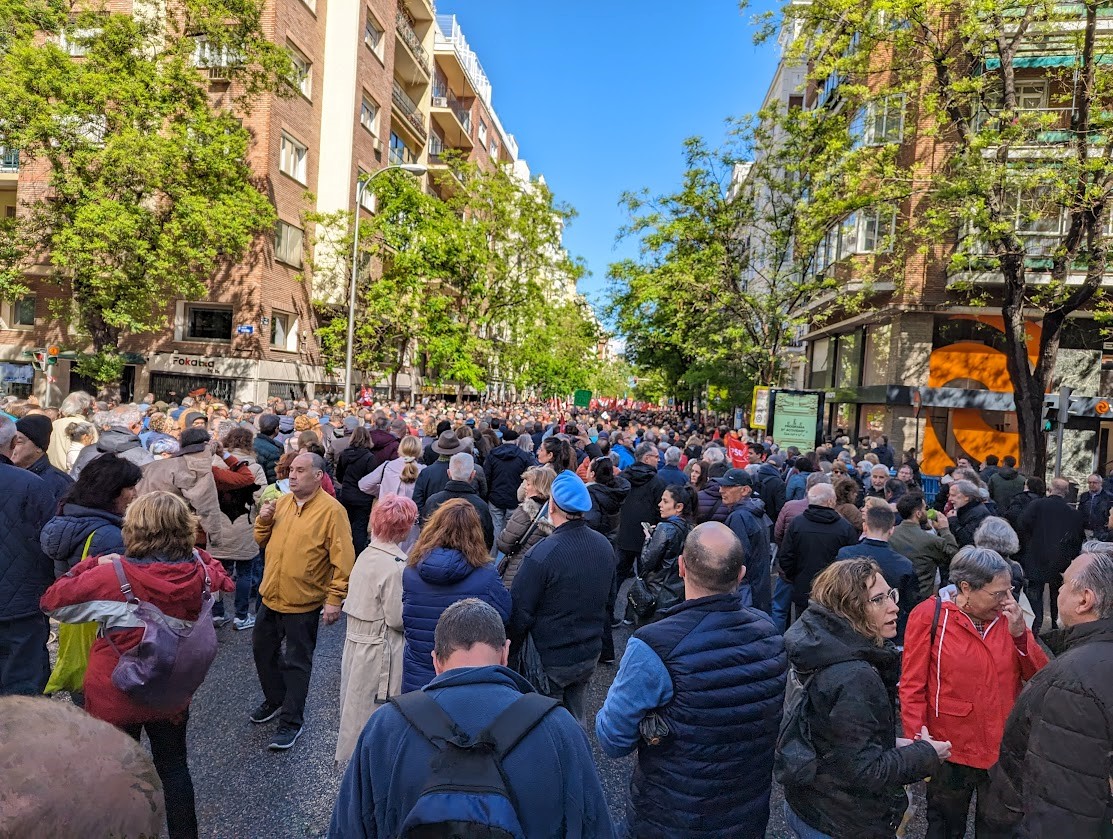
Protests have demonstrated remarkable citizen engagement. In Serbia, student-led protests against corruption following the deadly canopy collapse at Novi Sad train station became some of the largest in the country’s history. In Slovakia, large crowds called for Prime Minister Robert Fico’s resignation, criticizing his actions as undermining political institutions. Nationwide demonstrations in Spain, organized by tenants’ unions, neighbourhood associations and other civil society organizations, denounced a lack of affordable housing. In Türkiye, the March arrest of opposition politician Ekrem Imamoğlu sparked the largest protests the country had seen in over a decade.
However, foreign agent laws have constrained civil society. In Georgia, Parliament passed legislation requiring organizations or individuals deemed to be acting at the direction of a foreign power (including through receiving a grant) to register with the government. In Bosnia and Herzegovina, the National Assembly of Republika Srpska approved legislation requiring NGOs receiving foreign funding to register and comply with strict reporting. Slovakia’s Parliament passed legislation introducing stricter requirements for NGOs to disclose their sources of funding. In Azerbaijan, leaders of civil society organizations faced charges of illegally implementing foreign-funded grant projects.
Given challenges to civil society across the continent, often justified as efforts to address foreign interference, it will be important to closely monitor Hungary’s ‘transparency’ bill, approved by the Justice Committee in May. The legislation would grant the Sovereignty Protection Office powers to investigate and blacklist organizations receiving foreign funding without prior government approval.
Additionally, litigation in Germany concerning the classification of the Alternative for Germany (AfD) party as ‘right-wing extremist’ will set the boundaries of political competition. It will be important to observe the balance between forestalling threats to minorities and protecting the space for political competition and expression.
Efforts to strengthen public trust in institutions should be watched closely, including Welsh government proposals to curb the spread of misinformation by candidates and elected officials, as they seek to promote accountability while balancing freedom of expression.
Scores represent regional averages in 2024.
*Data represents an average of the entire region
See the most frequently impacted categories of democratic performance over the last six months
| Political Equality |
|
32x |
| Civil Liberties |
|
18x |
| Predictable Enforcement |
|
17x |
See past regional pages or use the archive to design a customized search to find exactly what you are looking for.

Over the past six months, the region saw a mix of advances and declines in Representation that have impacted governance, electoral integrity and the freedom of political parties. While some countries strengthened their electoral systems – such as the Philippines implementing online voting for overseas citizens and Australia passing significant campaign finance reforms – others are grappling with increasing restrictions on political activities and a centralization of power.
In Bangladesh, the interim government suspended its former ruling party’s registration under anti-terror laws amid a trial over the 2024 anti-government protests. On a brighter note for Free Political Parties, the Indonesian Constitutional Court lowered the presidential nomination threshold for parties, potentially paving the way for a more pluralistic electoral landscape.
There were also notable declines in Effective Parliament. For instance, in Kyrgyzstan, new legislation further concentrated authority in the presidency, while in Indonesia, the legislature granted itself excessive oversight powers over the executive branch. A similar pattern of legislative overreach in Taiwan triggered a civil society-led recall movement, which could potentially restore the ruling party’s control of the legislature in 2025, or lead to further political gridlock.
Elections
Six national elections took place in Asia and the Pacific in the first half of 2025: five parliamentary (Singapore, Australia, Philippines, Tajikistan, Vanuatu) and one presidential (South Korea). Voter turnout averaged 83.5 per cent in the 2025 elections, up from an average of 77.9 per cent in the previous elections. Among the parliamentary elections, female representation increased from 24.9 per cent to 27.4 per cent. Australia’s federal election delivered a landslide win to incumbent Anthony Albanese’s Labour Party, as well as gains for women’s representation in parliament and cabinet. South Korea’s snap presidential election resulted in incumbent turnover, with Lee Jae-myung of the Democratic Party securing victory, following the former president’s abrupt declaration of martial law and consequent impeachment in 2024-2025.
The region continued to face significant challenges to Freedom of Expression and the Press during the past six months, a trend which mirrors global declines. High profile attacks and prosecutions of journalists occurred in Indonesia, Malaysia, Kazakhstan and Kyrgyzstan, and broader legal infringements on these freedoms occurred in Kyrgyzstan, Nepal, Papua New Guinea and Pakistan. Developments in Civil Liberties were not uniformly negative – Malaysia eased restrictions on public protests in February, and in May Tajikistan decriminalized ‘likes’ and ‘reposts’ online of material deemed objectionable by the state.
Conversely, there were several positive developments in Access to Justice. These included the high-profile arrest of former Philippines President Rodrigo Duterte on charges of crimes against humanity and New Zealand’s criminalization of wage theft. Papua New Guinea saw in March the first conviction of a ‘glasman’, an individual who makes accusations of sorcery that may result in rape and murder.
Women’s and LGBTQIA+ rights were once again in flux across the region. Australia’s May federal election saw increases in women’s representation in parliament and in the cabinet, in part due to the Labor Party’s gender quota. Earlier in the year, the government also announced a major investment in women’s health, as did Thailand’s in transgender healthcare. New Zealand’s parliament narrowed the scope of the country’s landmark pay equity legislation in May, and in April Vanuatu began discussing a constitutional amendment to recognize only two sexes assigned at birth.
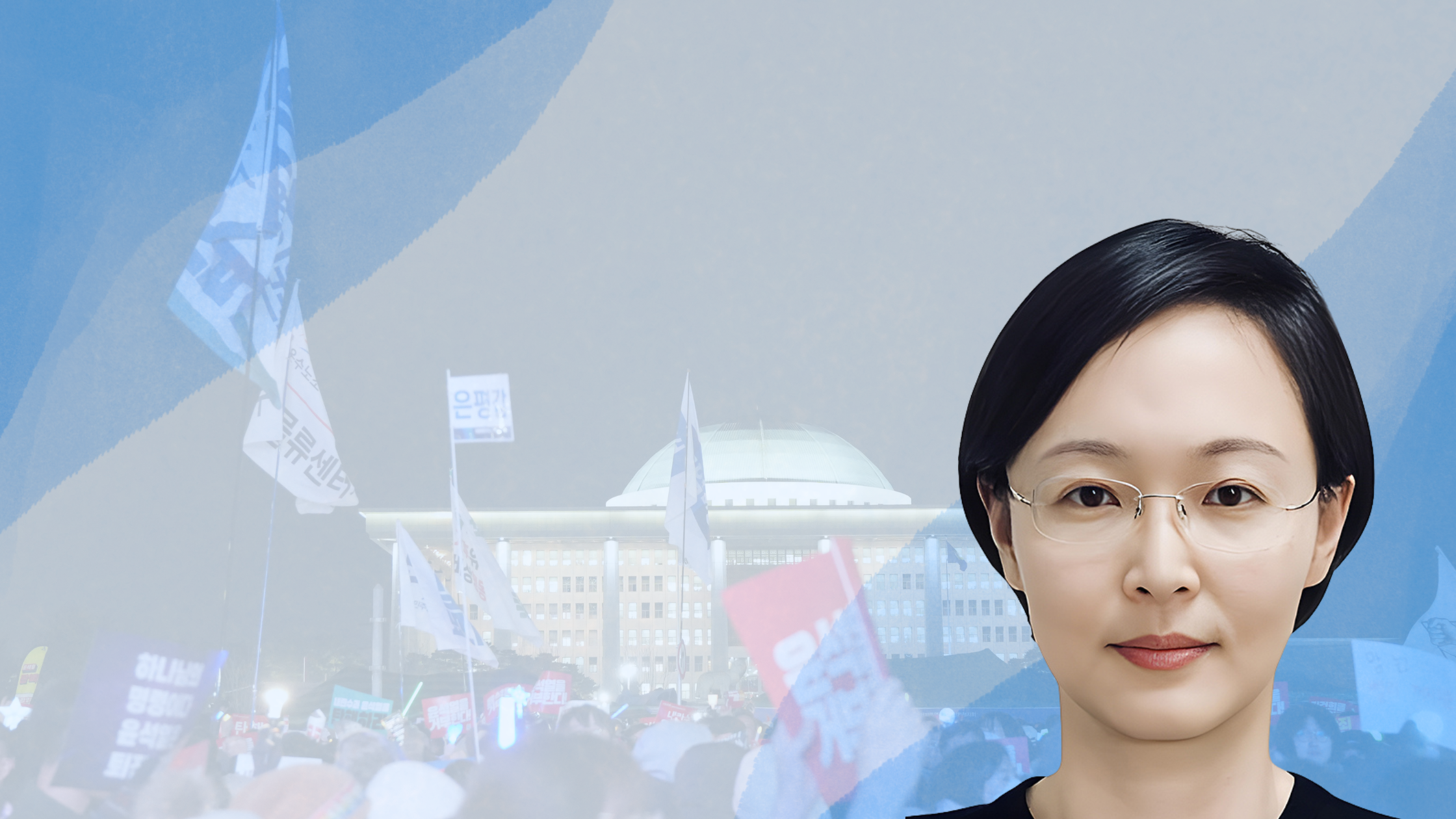
The region has been the locus of three major Rule of Law processes: Bangladesh’s post-Hasina regulatory and legal reforms, South Korea’s legislative and judicial responses to former President Yoon Suk Yeol’s failed coup, and the return of the military to public life and expansion of executive authority in Indonesia under President Prabowo Subianto. South Korean parliamentarians and the general public acted swiftly to defuse the immediate crisis caused by Yoon’s declaration of martial law in December 2024, and the country’s courts followed suit in the first half of 2025 by removing obstacles to current President Lee Jae-Myung’s candidacy for the presidency and upholding Yoon’s impeachment. In this regard, South Korea’s democracy shows signs of resilience, demonstrating that the legal foundations established over the last four decades will not be easily shaken. In Bangladesh, a series of reform commissions are proposing changes to wide swathes of state institutions, buoyed by demands expressed through popular protests, including reforming the judicial appointment process. Ultimately, it remains crucial to monitor how these so-called democratic turnarounds are sustained amid ongoing reform and legislative efforts. Only then can genuine democratic resilience be established in preventing similar authoritarian threats in the future.
This category saw the fewest coded events in the first half of 2025. The Democracy Tracker noted record high turnout in Vanuatu’s January snap election and the Philippines’ midterm elections in May. Human rights lawyers in the latter noted increased pressure on Civil Society through a nearly fourfold increase in ‘terrorism financing’ investigations against civil society organizations and human rights defenders.
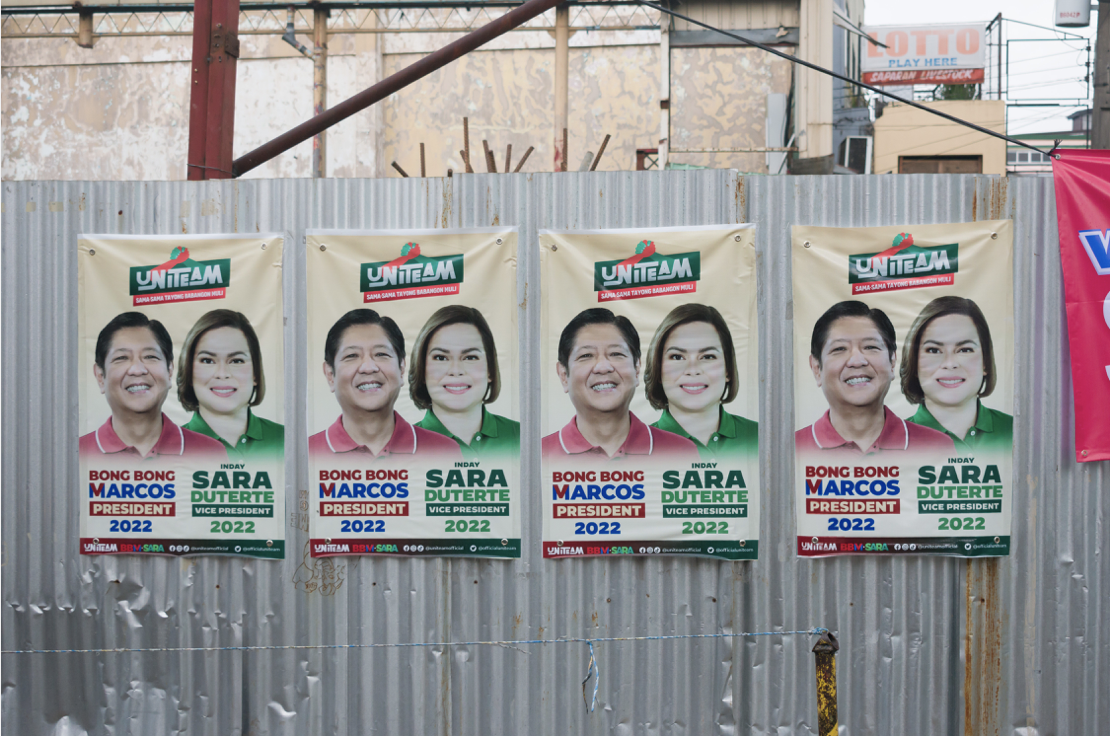
Looking ahead, key developments to watch include the impeachment and corruption investigations against Vice President Sara Duterte in the Philippines in the aftermath of the midterm elections. The aftermath of Taiwan’s recall movement will influence the balance of power in the legislature, influencing Representation, Rule of Law and Participation in the latter half of 2025.
Meanwhile, Myanmar’s military junta is planning to hold “elections” in December 2025, widely viewed as an attempt to manufacture international legitimacy and likely to entrench military rule further. Additionally, the legitimacy of transitional justice processes in Nepal, as well as Bangladesh’s progress on electoral reforms and prosecution of those involved in the July 2024 uprisings ahead of 2026 elections, will also be essential to watch, impacting Access to Justice and Representation more broadly.
Scores represent regional averages in 2024.
*Data represents an average of the entire region
See the most frequently impacted categories of democratic performance over the last six months
| Civil Liberties |
|
18x |
| Access to Justice |
|
12x |
| Political Equality |
|
12x |
See past regional pages or use the archive to design a customized search to find exactly what you are looking for.