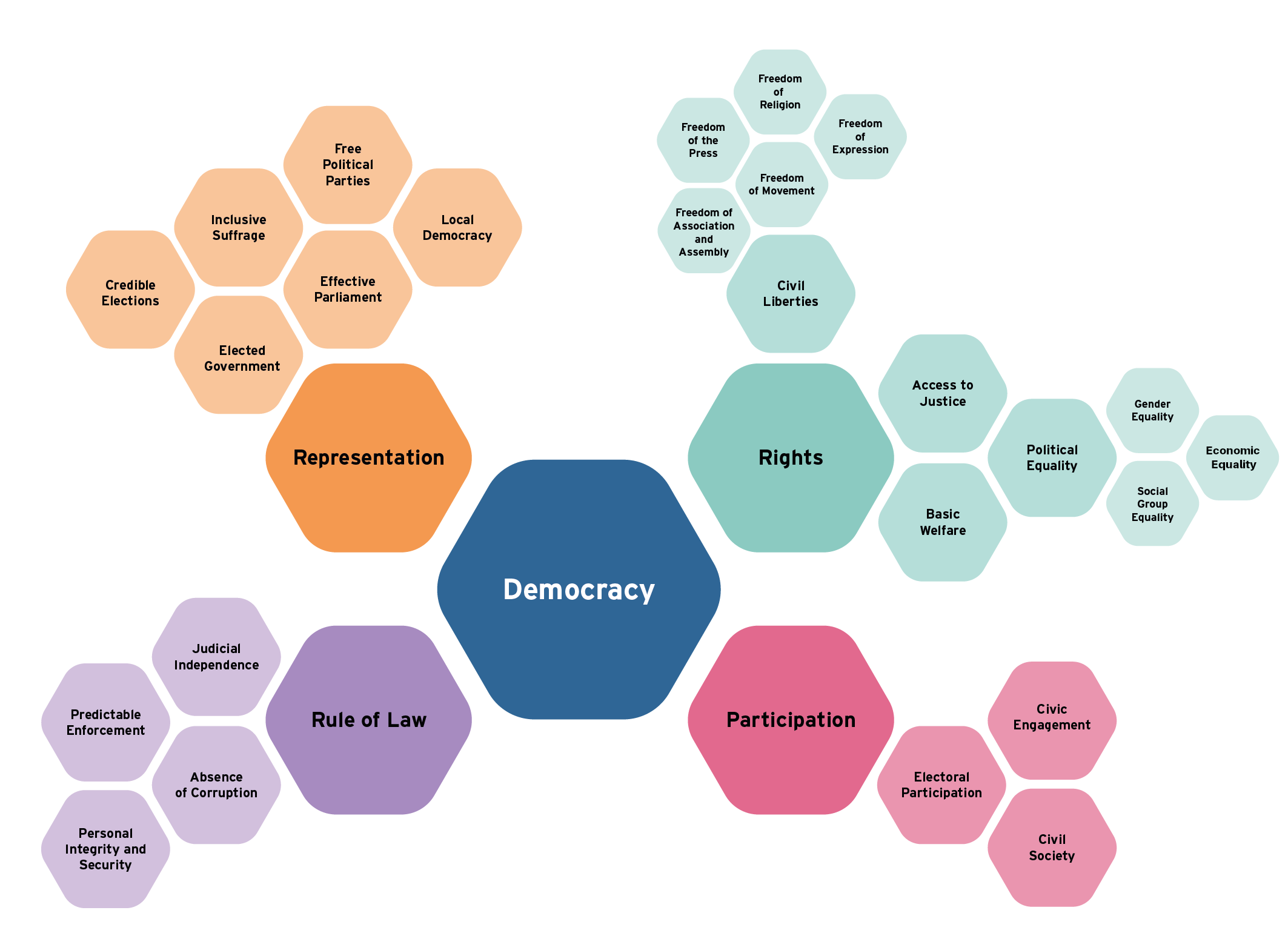
Representation
Attacks on opposition parties remained an important trend in the first half of 2025. In coup-affected Mali and Niger, the increasingly tenuous political transitions to civilian rule were set back further by the dissolution of all political parties. In the Democratic Republic of Congo (DRC), the party of former President Jospeh Kabila was suspended for its ‘ambiguous’ view of the M23 rebel group, which the government is fighting in the east of the country. Electoral exclusion was another way in which political party freedom was undermined, with a leading opposition party and candidates ruled out of elections in Tanzania and Côte d'Ivoire, respectively. Elsewhere, opposition figures were physically attacked (Burundi and Republic of Congo) and detained and prosecuted (Chad, South Sudan and Tunisia).
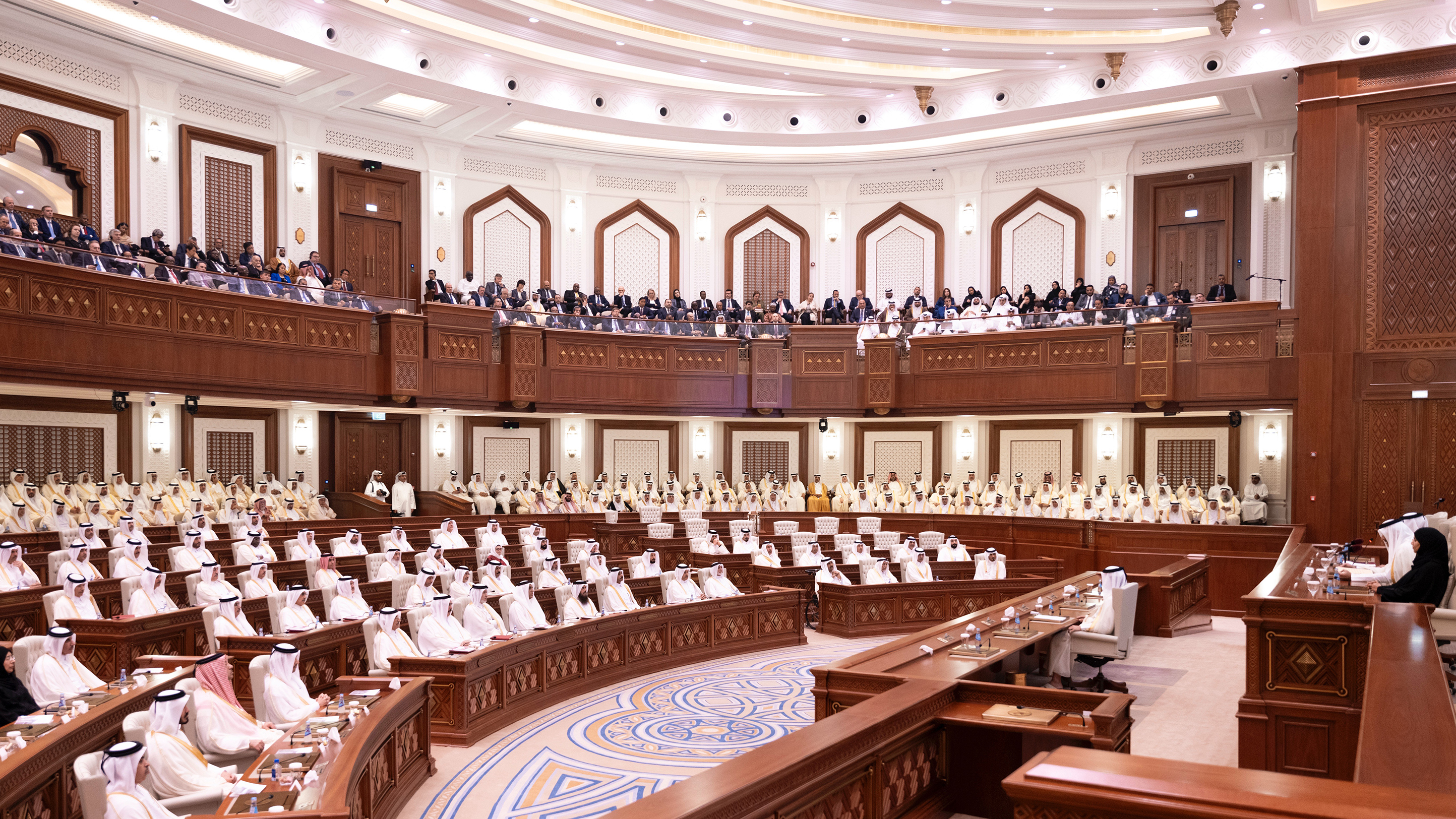
Yet, Effective Parliament has been an area of positive change in Lebanon and Liberia, where the election of a president and speaker, respectively, ended prolonged and damaging parliamentary deadlocks.
Rights
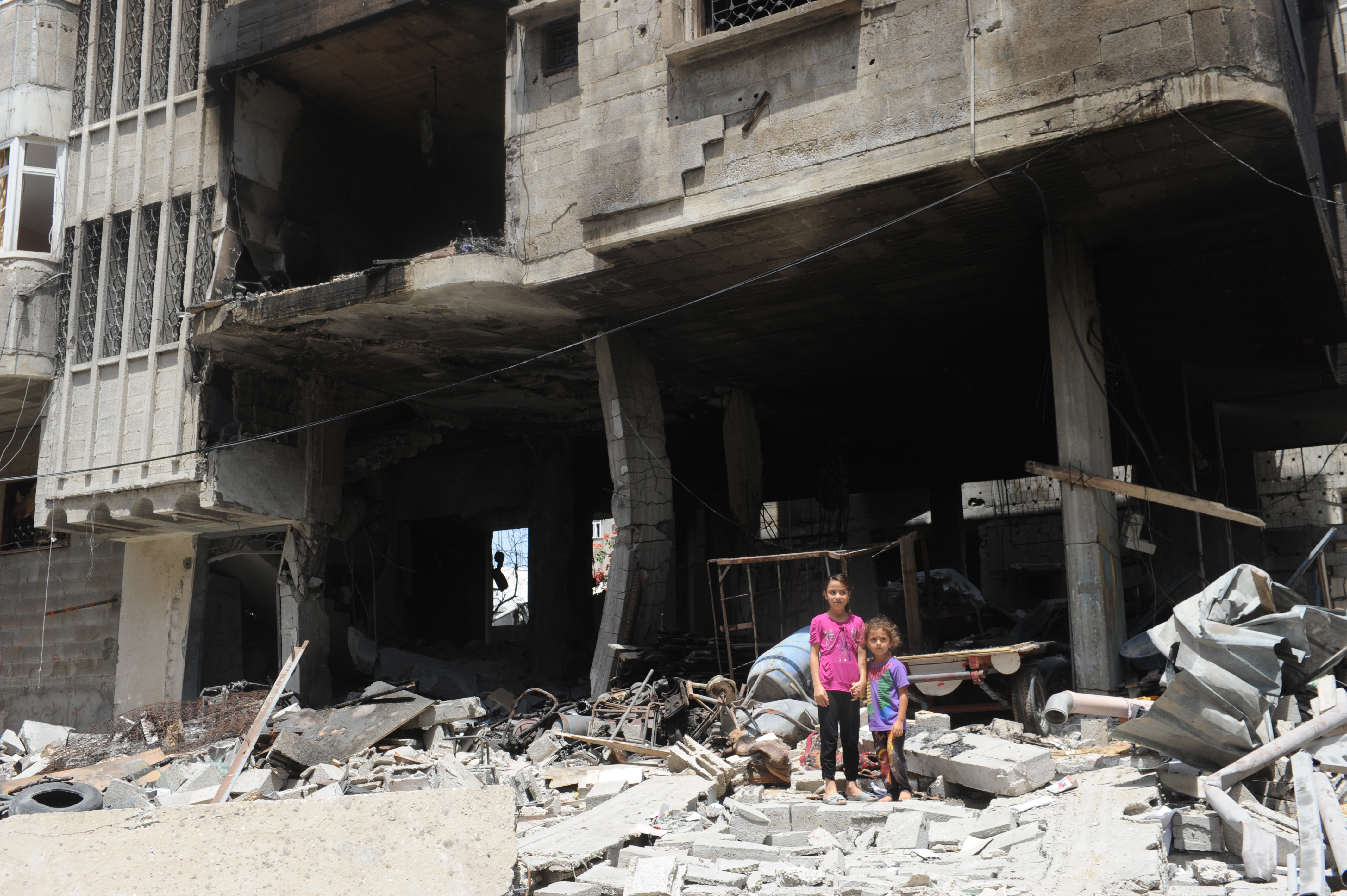
Armed conflict and insecurity continued to negatively impact Rights performance. Wars in Palestine and Sudan and renewed fighting in the DRC deprived millions of access to basic necessities of life, the material foundation for democracy. Ethnic and sectarian violence in Burkina Faso, the Central African Republic (CAR), Mali, and Syria reflects how insecurity has undermined social cohesion, negatively impacting social group equality.
Freedom of the press has been another casualty of the armed conflict in the DRC, with the authorities suspending Al-Jazeera over an interview it conducted with the leader of the M23 and imposing a ban on media coverage of Joseph Kabila and his party.Media freedoms were also curtailed in Senegal, which in April suspended hundreds of outlets in a regulatory crackdown and in Ethiopia and Zambia, where government regulatory powers were significantly extended.
There were positive developments too in access to justice, with Lebanon, Syria and Zimbabwe all taking steps to address historical injustices.
Women’s political representation in Namibia improved dramatically in March, when Netumbo Nandi-Ndaitwah, the country’s first woman president, appointed a gender-balanced cabinet and another woman, Lucia Witbooi, as her vice-president. Legal reforms in the Gulf brought advances and declines in gender equality, including the abolition of ‘honour killing’ leniency in Kuwait and new restrictions on the ability of Omani mothers to pass on citizenship to their children.
Rule of Law
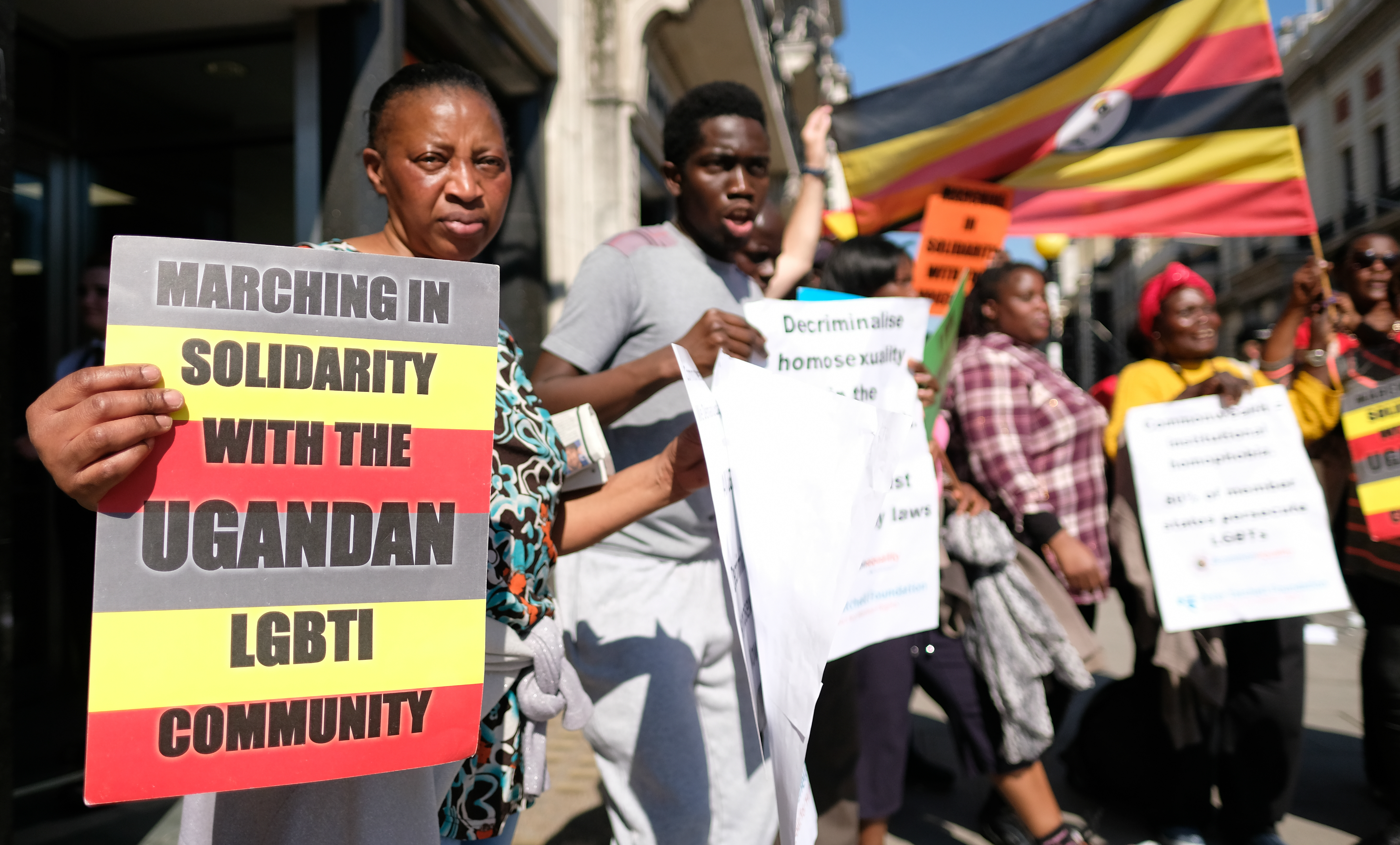
Ongoing tensions between the judicial and executive branches in Israel further undermined judicial independence in the country, as the Minister of Justice refused to acknowledge the authority of the newly appointed President of the Supreme Court and a new law expanded elected officials’ control over judicial appointments. Judicial independence also faced setbacks in Uganda, where a Supreme Court ruling declaring military trials of civilians unconstitutional was first dismissed by President Yoweri Museveni and then contradicted by legislation reauthorising such trials.
Personal Integrity and Security was another area of negative change, with security agencies in several countries employing coercive tactics against members of key countervailing institutions, including the media (Burundi, Chad and Uganda), opposition parties (Burundi, Chad, Mali and Republic of the Congo) and the legal profession (Cameroon). People continued to be killed in large numbers in the region’s armed conflicts, notably the wars in Palestine and Sudan.
By contrast, there were positive developments in the fight against corruption in the DRC, Mauritius and Senegal, where prosecutions were initiated and (in the case of the DRC) concluded against former government officials. In Lebanon, banking secrecy rules were amended to facilitate investigations into corruption.
Participation
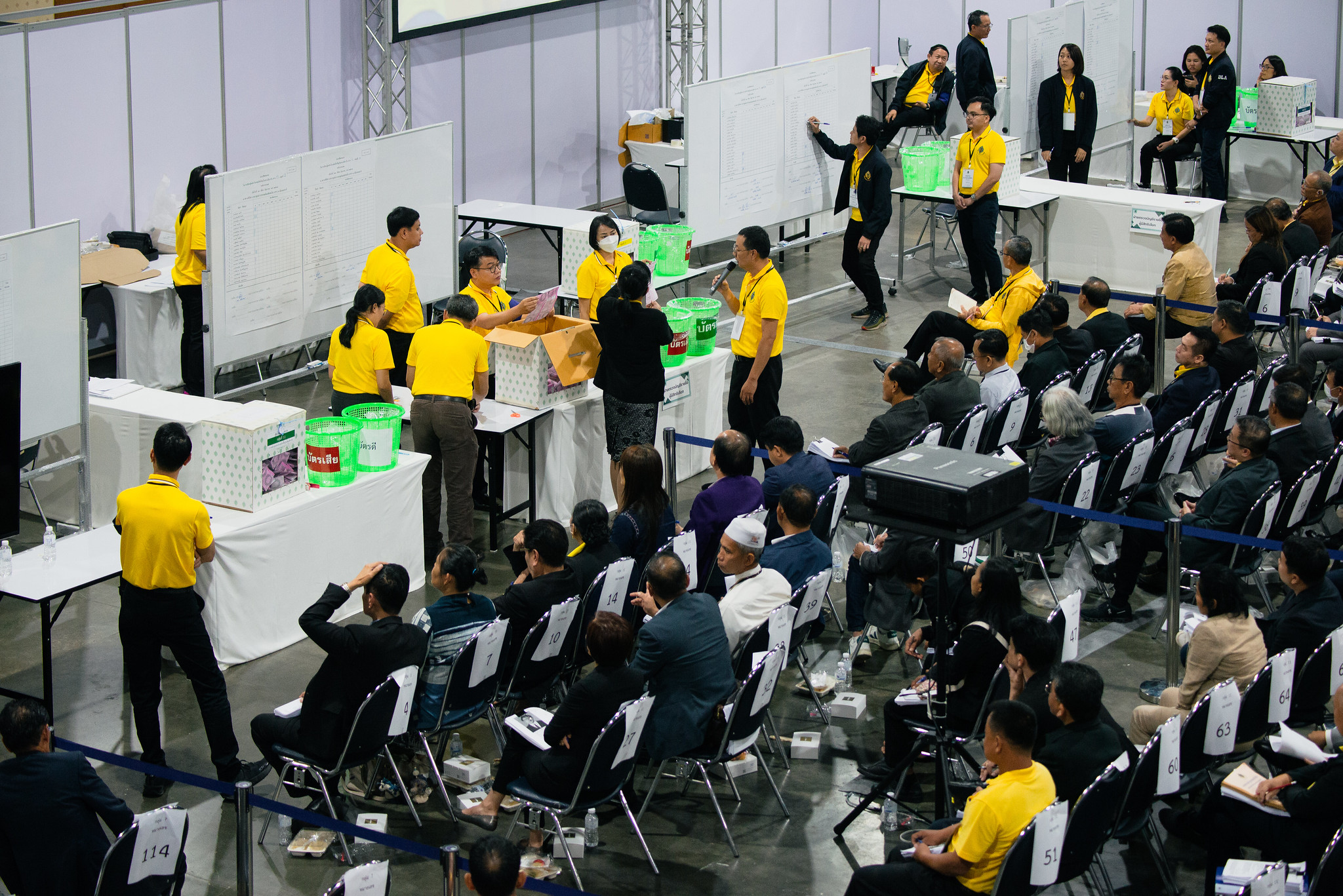
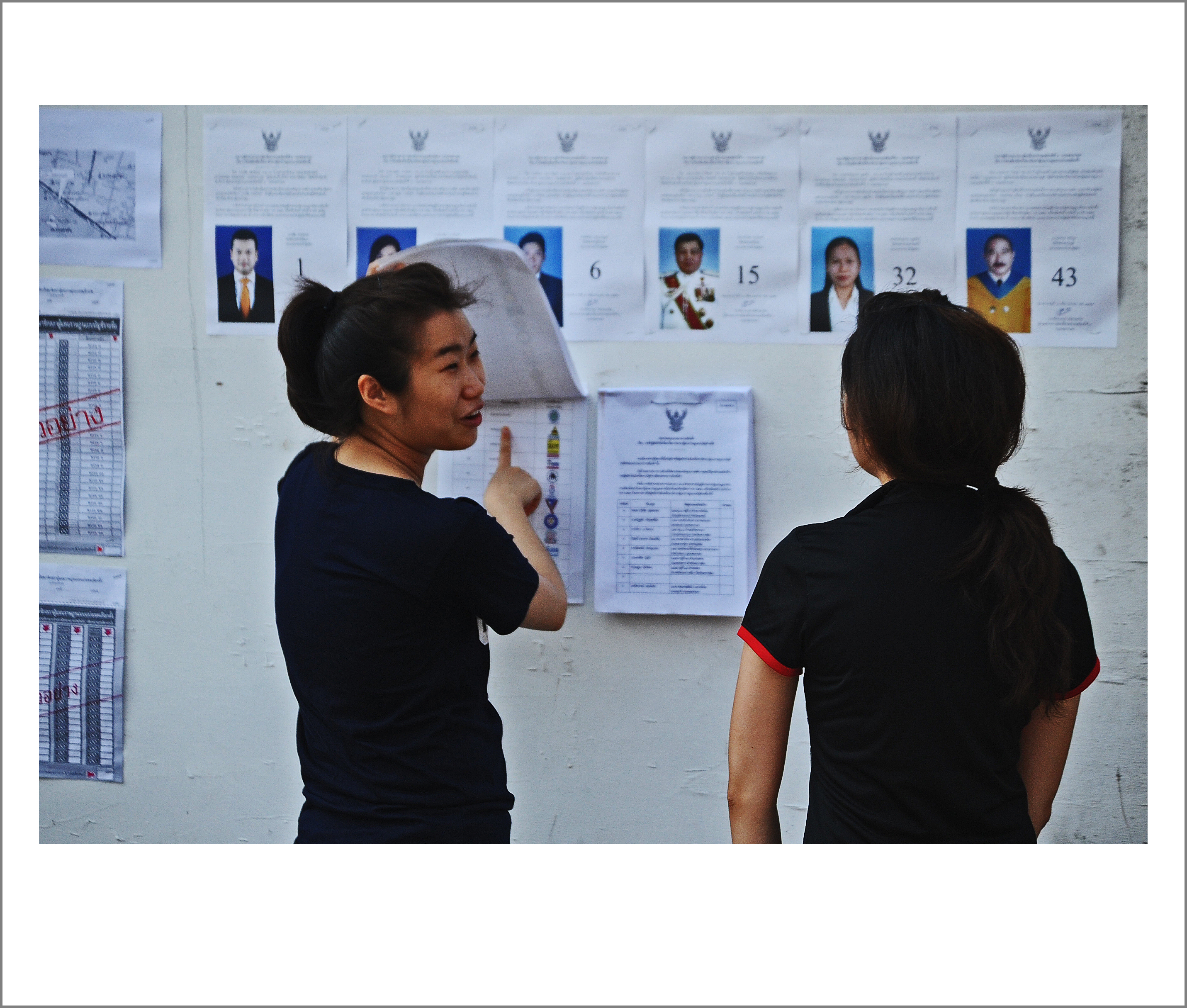
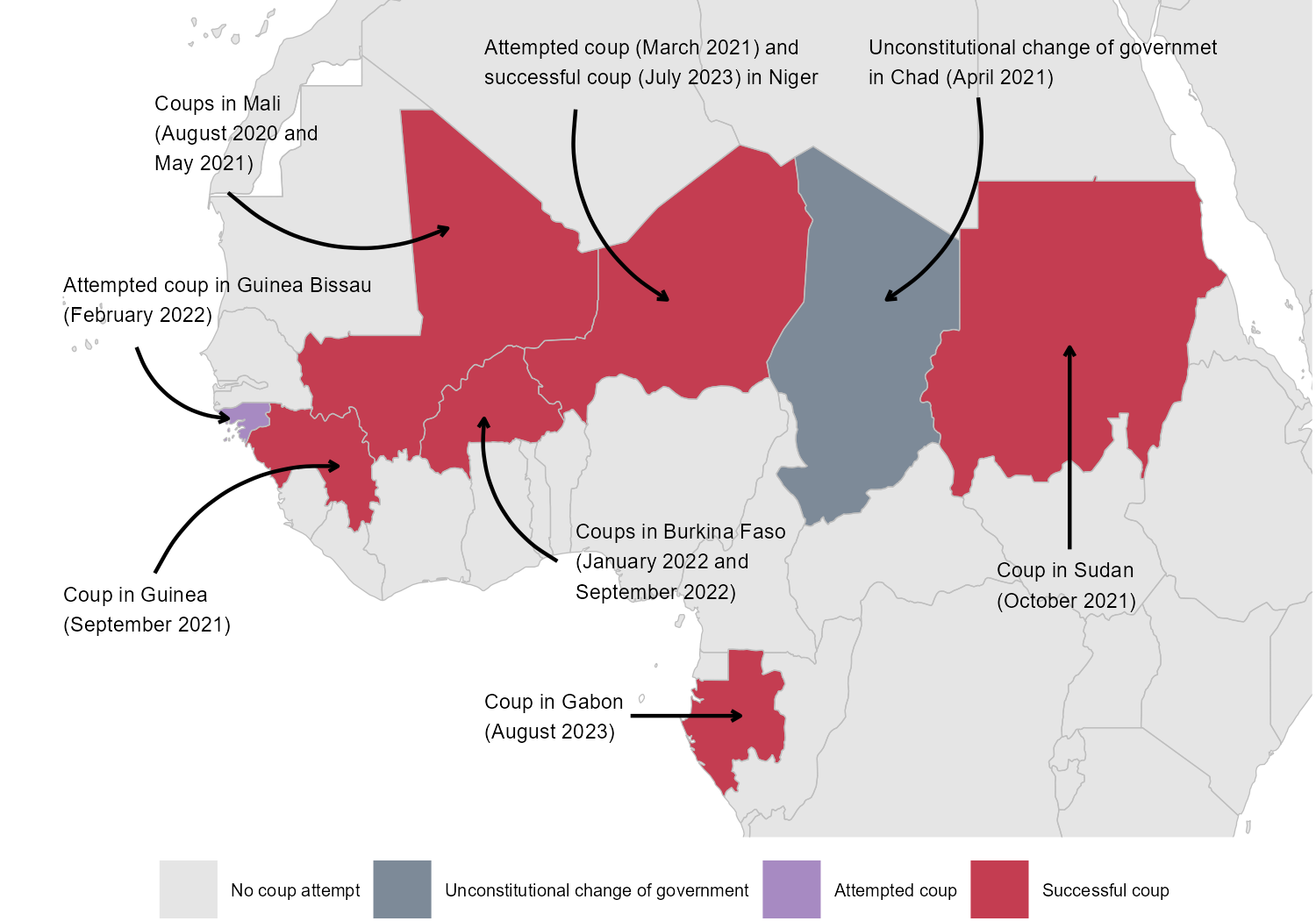
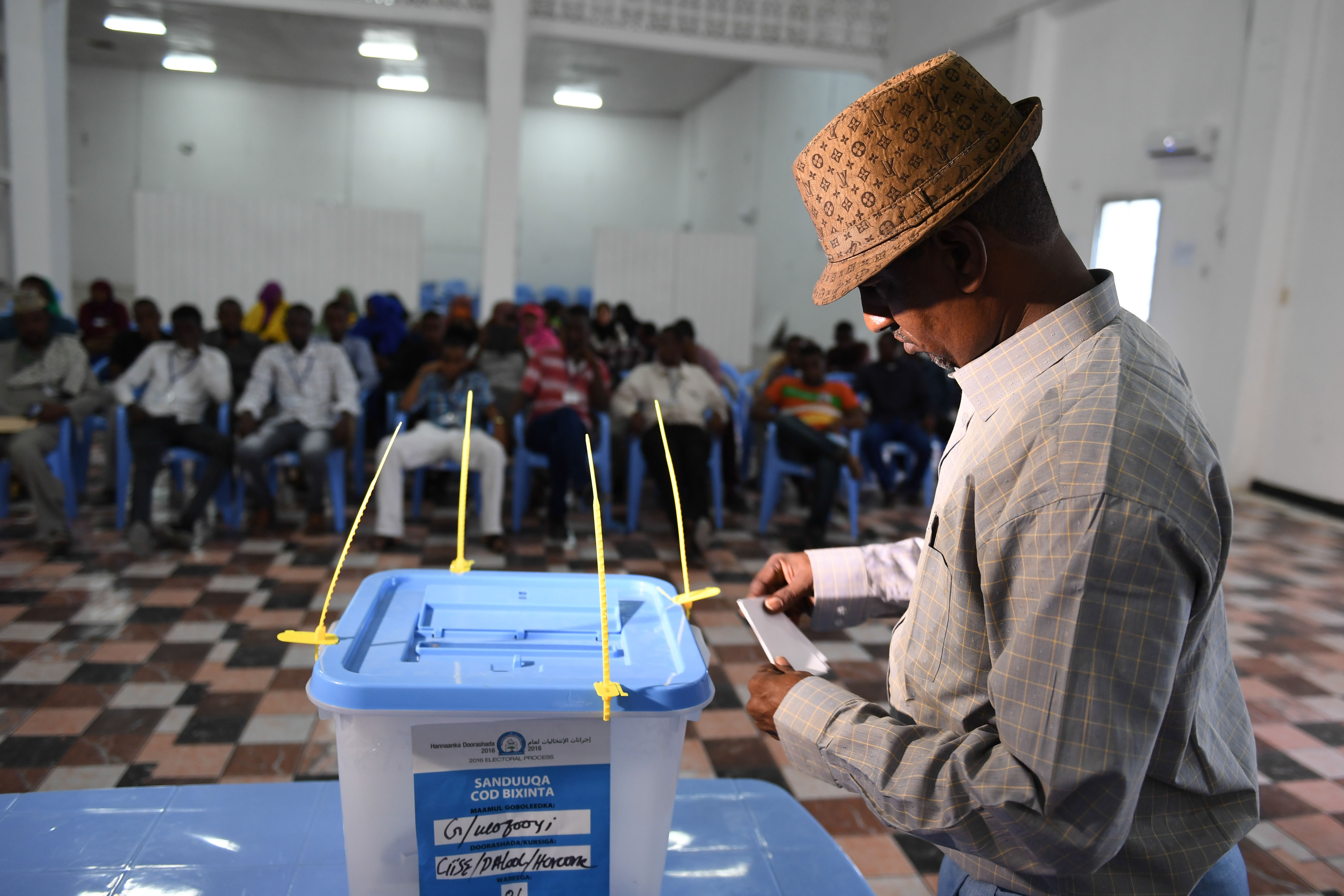
There were four national elections in Africa and Western Asia between January and June 2025 –one presidential and three legislative, including inaugural, indirect Senate elections in Chad and Togo. The average voter turnout in the direct elections was 68.2 per cent. The 70.1 per cent voter turnout in Gabon’s presidential election, the first since the 2023 coup d’état, was the highest in three decades and marked a significant increase from the previous election (56.6 per cent).
Beyond elections, there was notable civic engagement through protest in Mali and Zimbabwe, where citizens held historic demonstrations over democracy and governance concerns. Similarly, in Morocco, workers carried out the first general strike in a decade in response to a new law restricting the right to strike.
However, civil society organisations (CSOs) in several countries have faced new restrictions on civic space. In Zimbabwe, this came in the form of an intrusive new regulatory regime, while authorities in Jordan, Libya and Niger banned, suspended or expelled at least one CSO.