Peru - 2000-2001 - General Elections
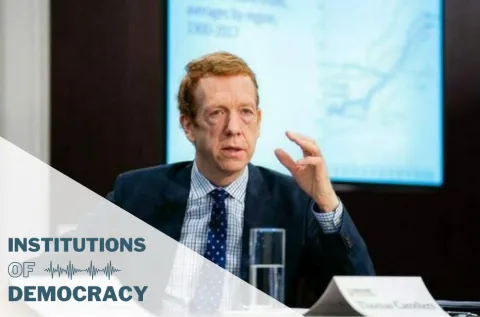
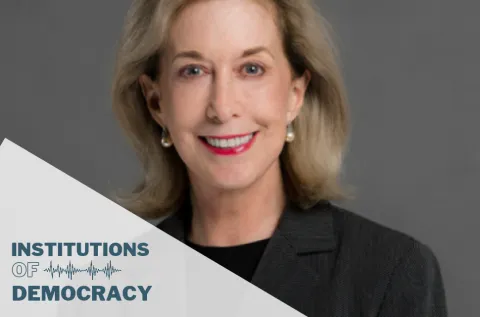
Patrick Merloe has championed democracy, honest elections, and human rights for more than 40 years in the U.S. and abroad. He has taught law school courses on public international law and international human rights. As the former Director of Electoral Integrity Programs and Strategic Advisor for the nonpartisan National Democratic Institute for International Affairs (NDI), Pat addressed program strategy and engaged in over 100 elections in 65 countries, assisting the development of nonpartisan citizen election monitoring and election law reform, co-leading international election observations, and advancing international norms and related networks. He was the lead negotiator of the Declaration of Principles for International Election Observation, which is endorsed by 55 international organizations and recognized in UN General Assembly resolutions. He has authored more than a dozen publications, provided congressional testimony, and advises groups in the U.S. and abroad on democracy and elections.
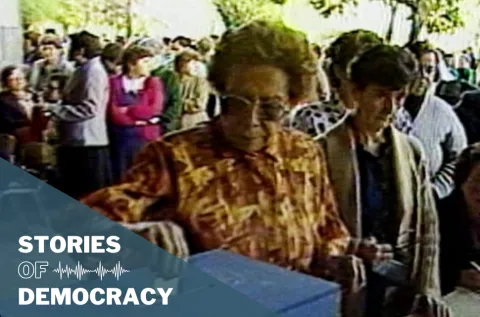
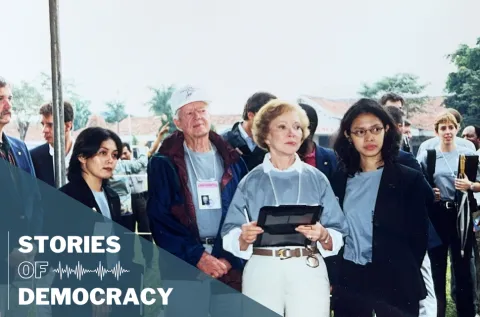
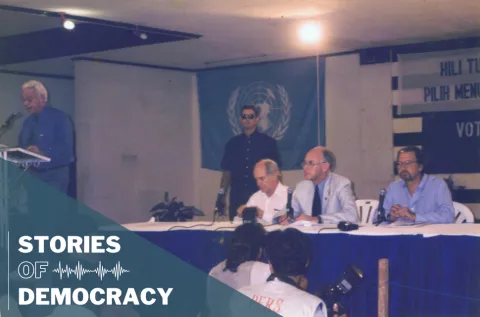
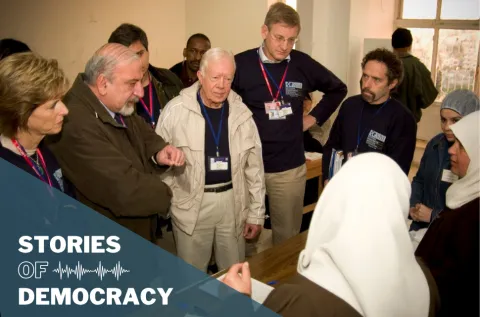
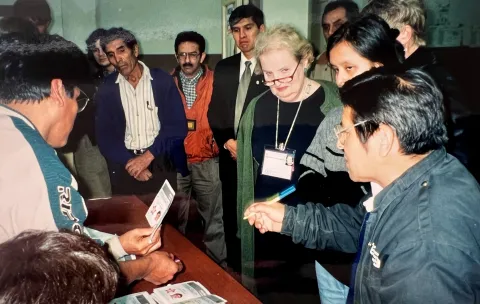
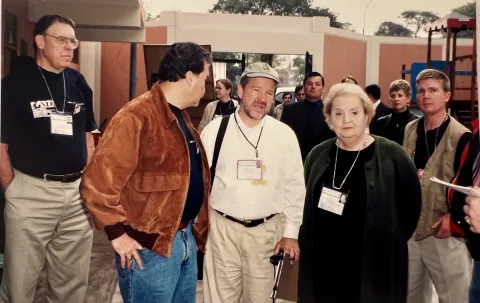
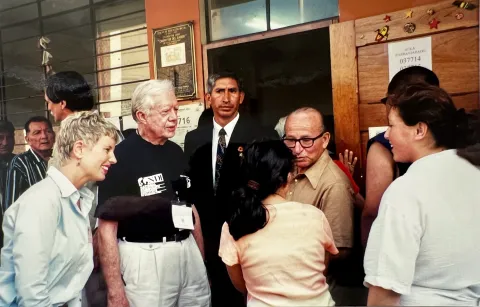
In this recording, Pat reflects on his experience overseeing NDI’s electoral integrity support programs concerning the 2000 to 2001 elections in Peru, which were marked by authoritarian fraud followed by democratic transition. His experience included NDI’s assistance to Peru’s nonpartisan election monitors and the 18-month long joint NDI-Carter Center international election observation mission. Pat speaks to the importance of political participation, citizen organizations, democratic reformers, and the support of international actors in challenging authoritarianism. He discusses the political challenges surrounding President Alberto Fujimori's administration, namely electoral manipulation, corruption, and increasing authoritarianism. Merloe highlights the role of the OAS and NDI-Carter Center international observers and Peru’s election monitoring organization, Transparencia, which played a significant role in safeguarding the electoral process.
Overall, Merloe explains the significance and importance of civil society and independent election monitoring in supporting Peru's democratic transition. If elections are not credible, they pose a continuous threat to democracy and can create instability in one's country. Furthermore, accountability and the rule of law are essential to sustaining democracy, which allows for free and fair elections. However, democracy goes beyond elections; it must address corruption, political polarization, and improving people’s living conditions to combat the threat of authoritarianism.

Media