Panama - 1989 - General Election
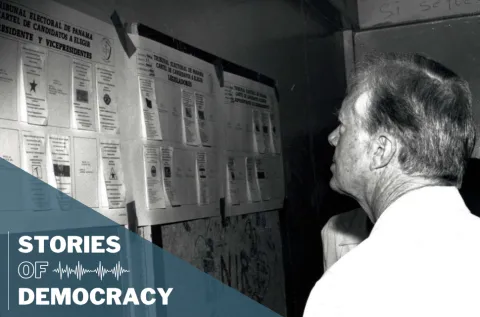
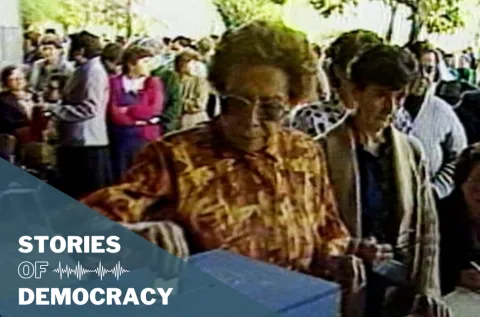
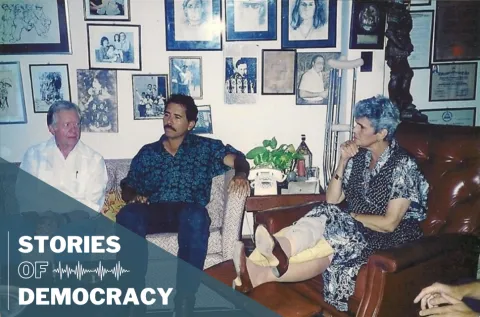
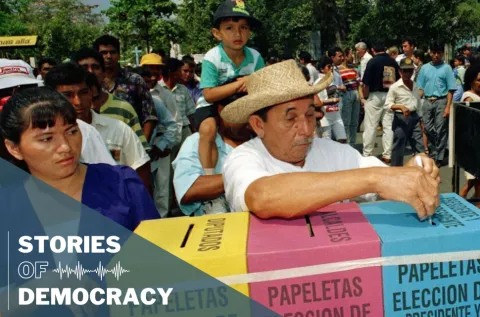
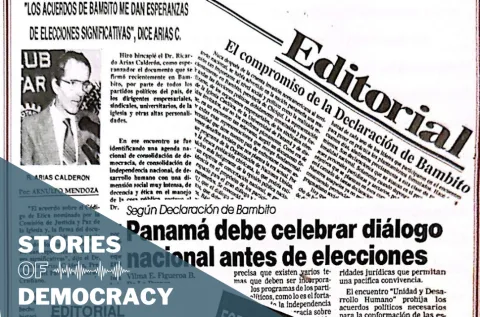
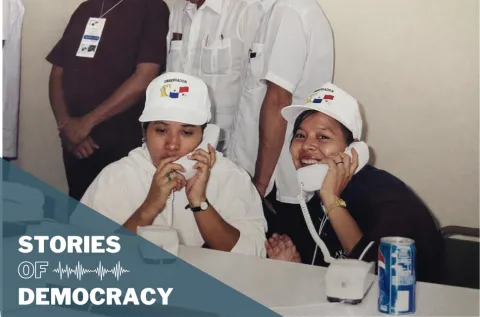
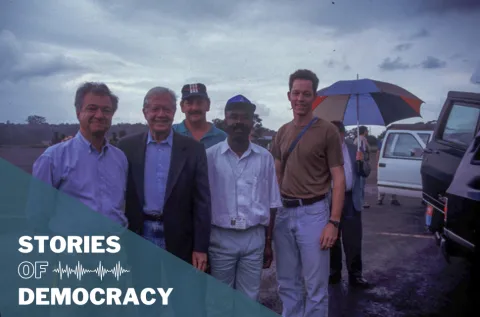
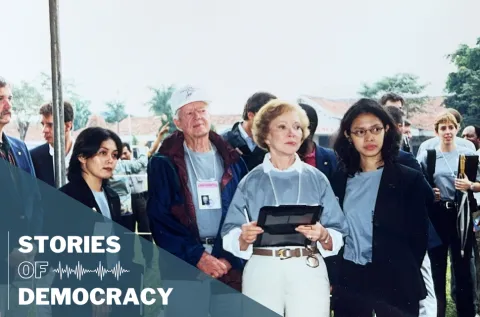
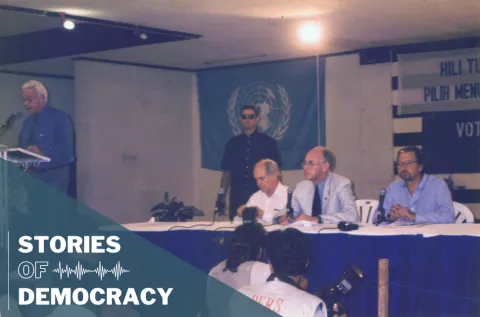
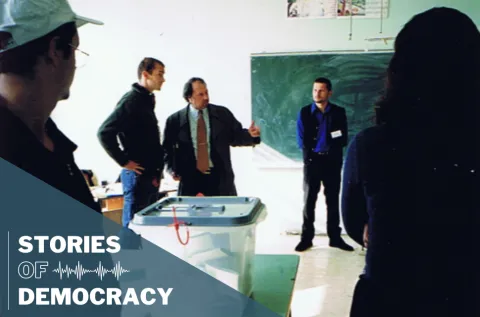
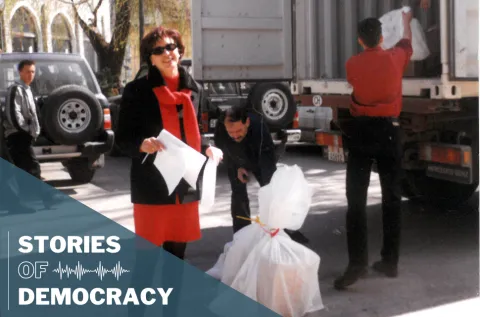
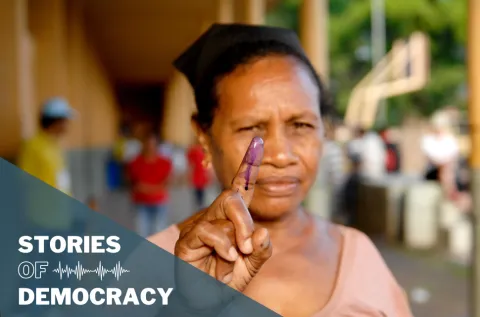
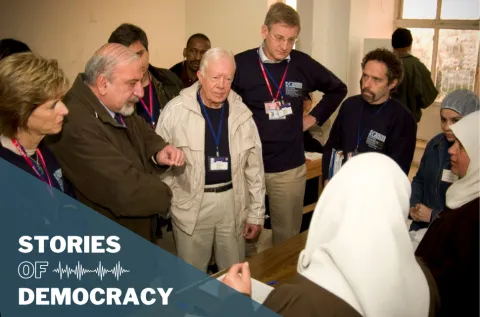
Panama’s 1989 election was a turning point in the country’s move away from military-backed authoritarian rule. After years of corruption, fraud, and growing opposition to Manuel Noriega, the election became a test of whether Panamanians could still challenge a regime that controlled the state, the media, and the electoral machinery. Opposition parties united behind a single ticket, while civic groups and church-linked monitors used a parallel vote count to show that the opposition had won decisively. When the regime tried to suppress the result and the electoral tribunal nullified the vote, international observers helped expose the fraud to Panamanians and the international community. The election also marked a breakthrough for international election observation, especially through the role of Jimmy Carter, and it formed part of the context for the U.S. invasion later that year and, ultimately, the restoration of civilian rule. The NDI/NRIAA international election observer report can be found on NDI’s website. Larry additionally discusses his experiences with international election observation in Panama in a coauthored piece in the Journal of Democracy in 1991.
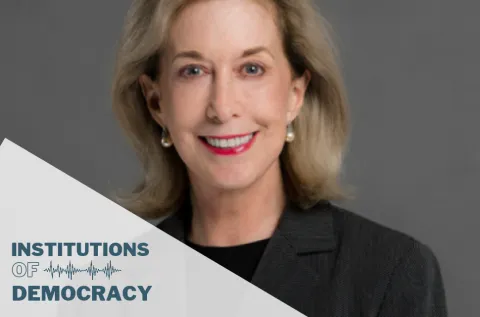
In this recording, Larry Garber discusses the significance of these elections: how the opposition organized despite the regime, the role played by nonpartisan monitors and a very rudimentary parallel vote tabulation, and the role of Jimmy Carter in his first election observation mission, setting the stage for the significant role he would later play in international election observation through the Carter Center.
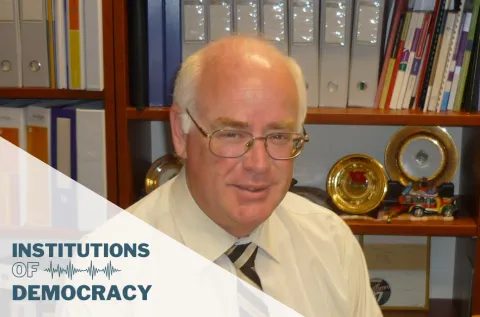
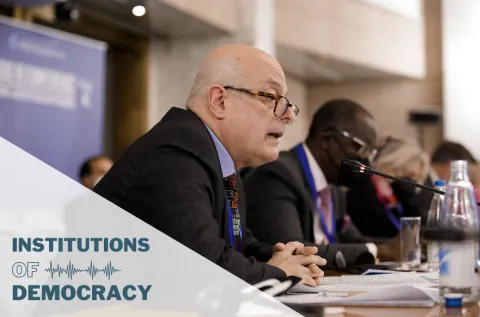
Larry authored Guidelines for International Election Observing, which was published in 1984 and which provided the first systematic approach for observing elections based on international human rights principles. For the Philippines snap election, he served as an adviser to the NDI/NRI, participating in a January pre-election mission and as a member of the 44-person international observer delegation. Since the publication of Guidelines, he has observed elections in more than 30 countries, most recently in Zimbabwe and Palestine.
In 2017, Larry and several former colleagues who had worked on international election programs formed the Election Reformers Network, which sought to apply lessons from overseas to the US electoral process. In this capacity, he co-authored Guardrails For The Guardians: Reducing Secretary of State Conflict of Interest arguing for changes in the method for selection of chief election officers in the United States. Since 2020, he has also served on the National Task Force on Election Crises, which seeks to anticipate potential problems in the administration of elections and to address substantive solutions. Larry has also taught courses on comparative election law at Arizona State and William and Mary law schools. His co-authored January 2026 publication, Foreign Assistance for International Development: Is It Cyclical or Dead?, is available at the SAIS Review.
Media