Nepal - 2008 - Constituent Assembly Elections
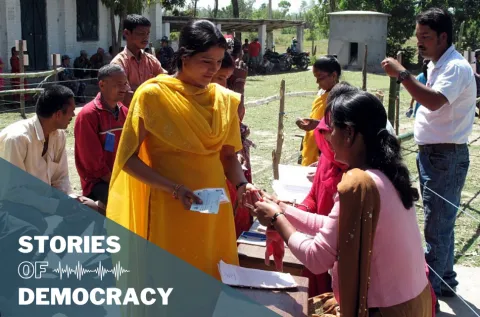
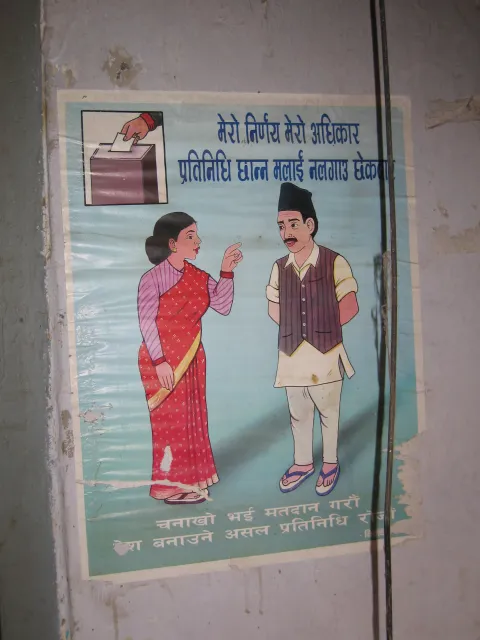
The 2008 Nepal Constituent Assembly elections marked a historic turning point in the nation’s political trajectory, serving as the foundation for Nepal’s transition from a monarchy to a federal democratic republic. Following a decade-long Maoist insurgency that claimed over 17,000 lives, peace negotiations between Maoist rebels and a seven-party alliance led by the Nepali Congress party culminated in an agreement in 2006 to draft a new constitution by the people’s representatives.
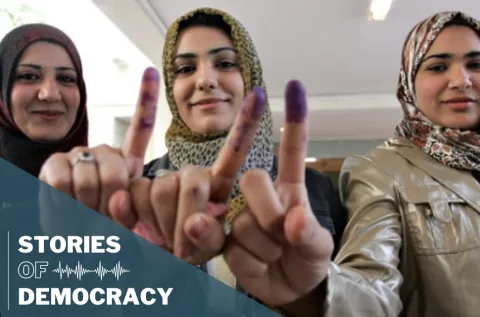
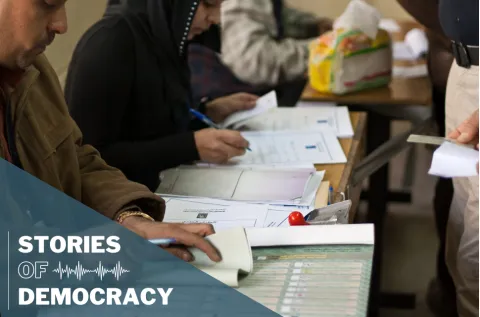
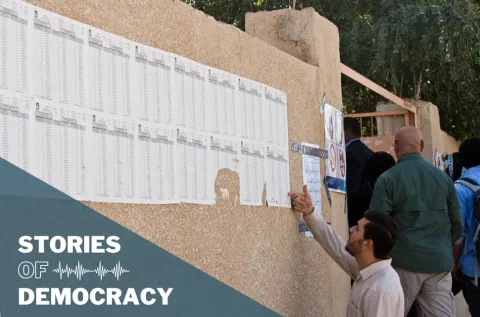
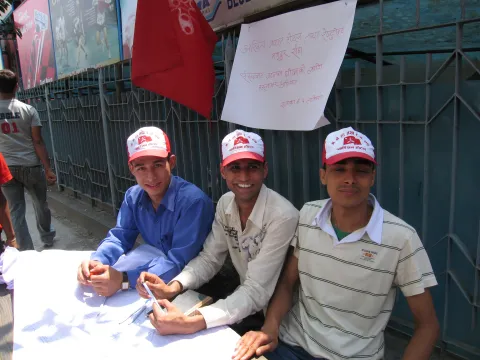
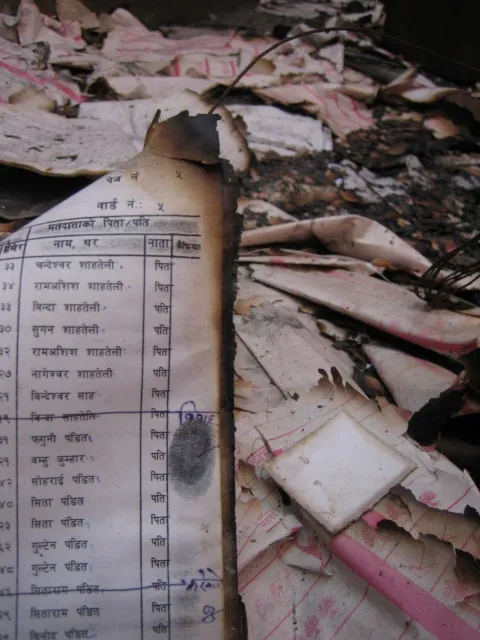
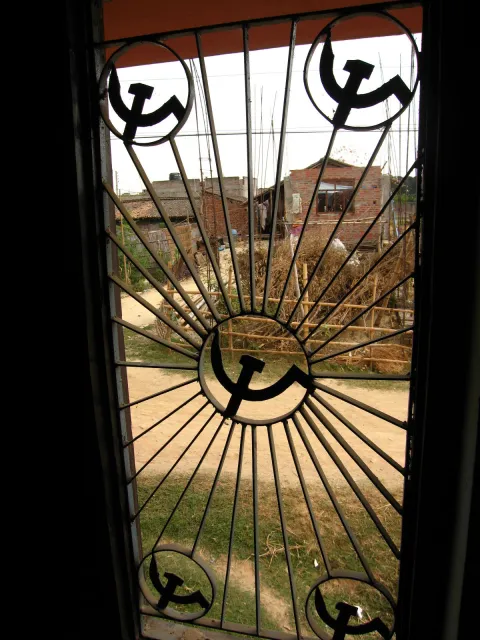
Despite numerous postponements, political and technical challenges, and sporadic violence, the elections were successfully held on April 10, 2008. The Communist Party of Nepal (Maoist) emerged as the largest party, securing 220 out of 575 elected seats, and its leader, Pushpa Kamal Dahal (Prachanda), became Prime Minister. The Nepali Congress and the Communist Party of Nepal (Unified Marxist–Leninist-UML) followed with 110 and 103 seats, respectively. Although the first Constituent Assembly was unable to complete the constitution, its groundwork and agreements were carried forward by the 2013 Assembly, ultimately leading to the adoption of Nepal’s new constitution on September 20, 2015. This historic election paved the way for Nepal's transformation from a unitary Hindu kingdom into a modern, federal, secular republic.
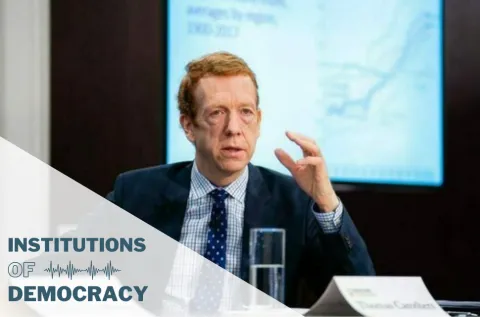
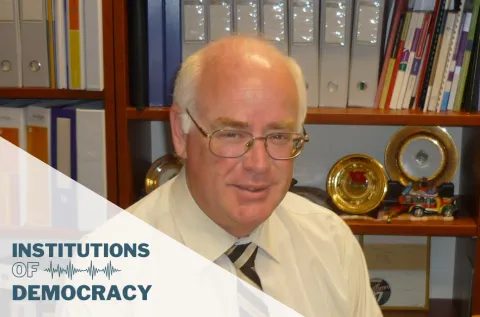
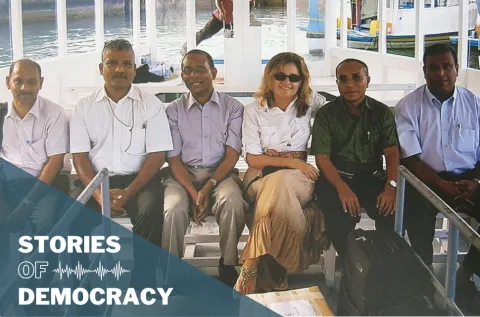
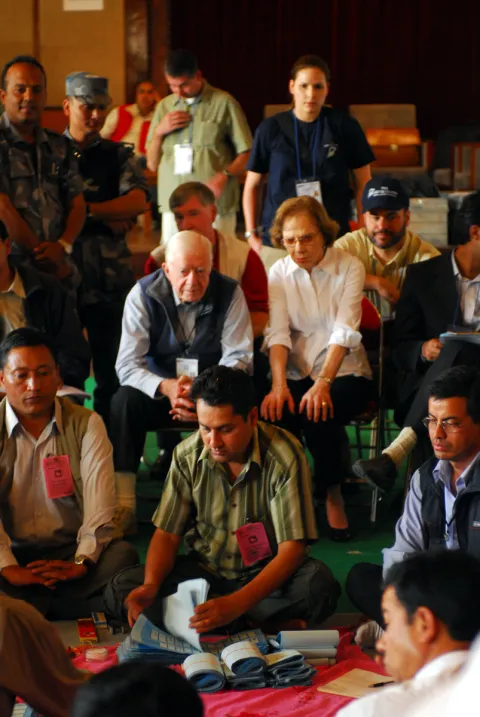
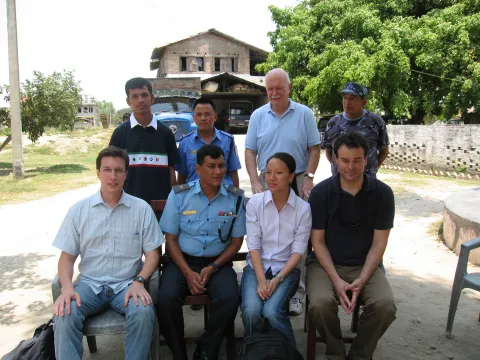
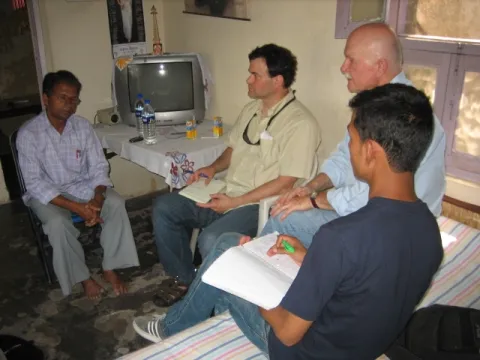
In this recording, Dr. David Pottie discusses his role as an international election observer with the Carter Center during the Nepal Constituent Assembly elections of 2008. In 2007, in the aftermath of the Nepali civil war, the Carter Center began its mission in Nepal, working with political parties representing all factions of Nepalese political life in support of establishing a democratic system of governance. Pottie’s work in Nepal spanned seven years and offers insights into how much is known, but also how much there is to learn about democracy in Nepal.
Dr. David Pottie is Associate Professor at the Canadian Forces College in Toronto, Canada. He has worked for more than 25 years in international development with a focus on democracy and elections. As an independent consultant he assisted programs for the European Union, the Commonwealth and USAID among others. He was previously the Associate Director of the Democracy Program at the Carter Center in Atlanta, USA and Head of Research at the Electoral Institute for Democracy in Africa in Johannesburg, South Africa. He has taught at universities in Canada, the US and South Africa.
Media