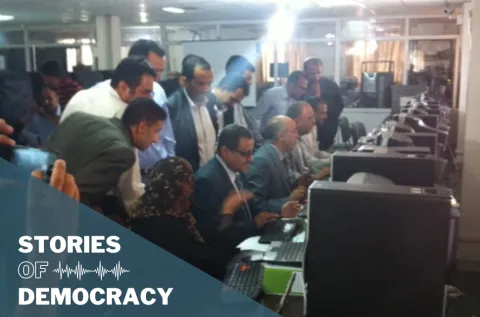
Somalia - 2016 - Parliamentary Election
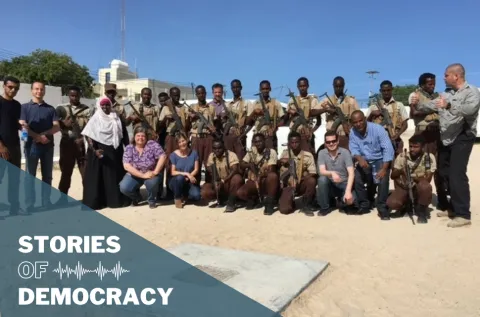
Between 2016 and 2022, Somalia’s elections progressed unevenly from an indirect, clan-based selection to the long-promised goal of one-person, one-vote system. The 2016 process used the 4.5 power-sharing formula, with clan elders and delegates choosing legislators. The intervening years saw efforts to transition to the one-person, one-vote system, but by 2021–22, Somalia again fell back on an upgraded indirect model after repeated delays, political disputes, and severe security problems revealed the one-person, one-vote model to be challenging to implement. International partners and Somali institutions spent much of this period building electoral capacity, expanding political party registration, supporting women’s participation, and preparing for voter registration and direct elections that never fully materialized. Armed threats from al-Shabaab, weak infrastructure, and tensions between the central government and federal member states such as Somaliland kept Somalia from reaching a full universal election.
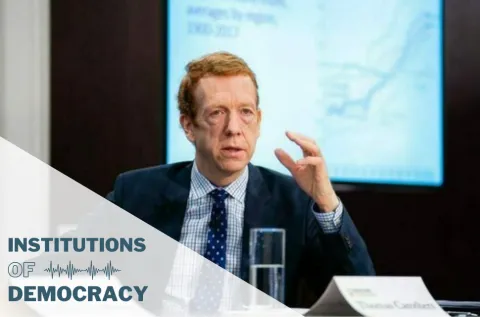
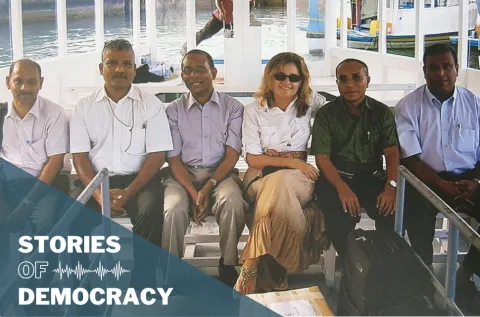
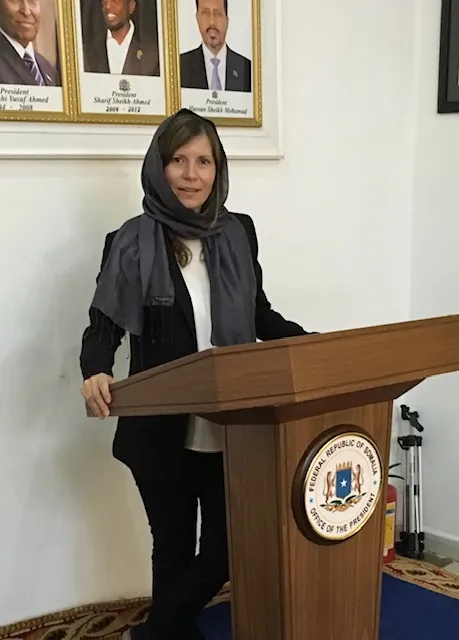
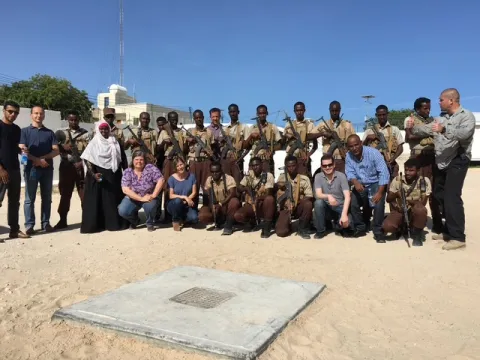
In this recording, Tihana Bartulac Blanc discusses her role working with Creative Associates International working on a series of Somali elections between 2016 and 2022. Bartulac Blanc contrasts the efforts towards Somali elections with the relatively more stable situation in Somaliland, and elaborates on how challenges posed by the security situation in Somalia and how this affected the presence of the international community and the work they did in the country.
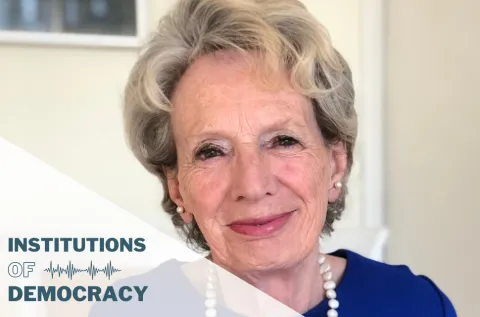
Tihana Bartulac Blanc, President and Founder of Civic Hub US, is an international democracy development expert who has managed a series of projects and elections funded and implemented by a range of bilateral and multilateral institutions and donors. Most recently, she managed a country office in Bosnia and Herzegovina to introduce new voting technologies and preserve the fragile peace in BiH by increasing integrity of elections.
She had led numerous democracy and governance projects and played a leading role in managing projects and watershed elections around the globe, including Afghanistan, BiH, Georgia, Ghana, Guyana, Myanmar, and Somalia. She has worked with OSCE, IOM, UNDP, IFES, The Carter Center, Creative Associates International, and Democracy International.
Tihana holds a Masters in International Policy and Practice from George Washington University and has taught Project Management and Election Administration at American University’s School of Public Affairs. She is a member of AWC working on a memoir on the history of international and democracy development.
Media