Lesotho
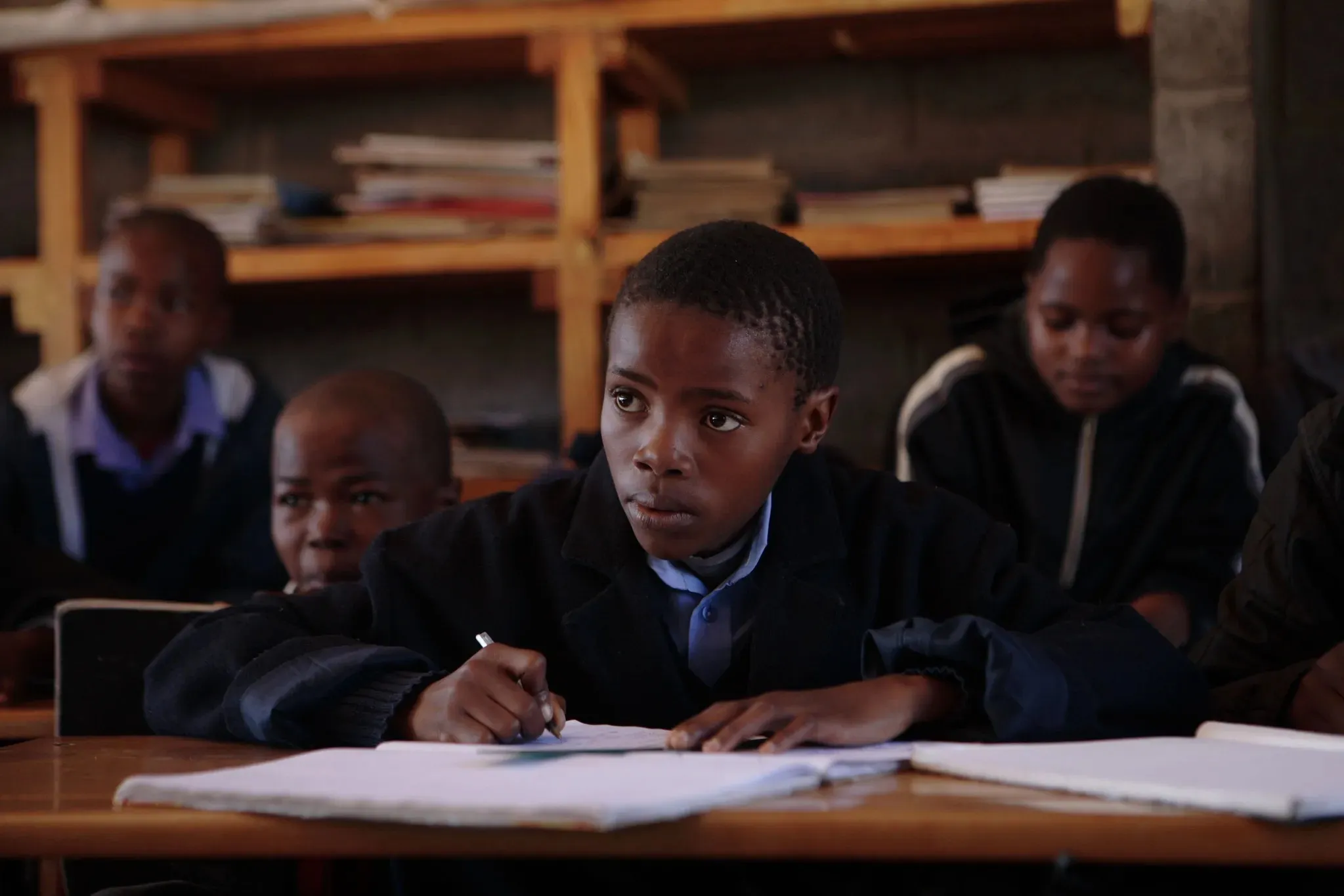
Demographically, Lesotho has a young and largely rural population. Roughly 99.7 per cent of the population identify as Basotho, with Sesotho and English as official languages. Economically, Lesotho is categorised as a lower-middle-income country, with a GNI per capita of around USD 1,170 in 2024, but continues to grapple with high poverty, inequality and limited access to services in many rural areas.
Within this context, the electoral and governance system must respond to:
-A youthful electorate which may demand new forms of participation and inclusion.
-A predominantly rural context where logistics, access and civic-education may be weaker.
-A history of electoral observation reports from the European Union Election Observation Mission (EOM) and other stakeholders that identify gaps in electoral integrity and citizen engagement.
Consequently, there is a clear need for a structured, inclusive, and sustained initiative to strengthen Lesotho’s election cycle support mechanisms, promote broad citizen participation (especially among women, youth, persons with disabilities and other under-represented groups), and reinforce transparency and trust in the political process.
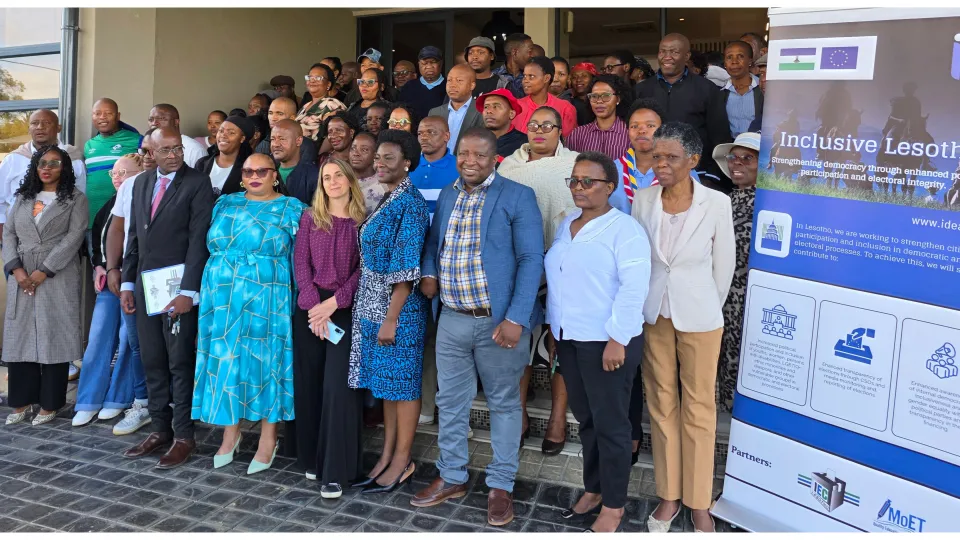
In response to these challenges, the Inclusive Lesotho – Election Cycle Support Project enters as a critical intervention. This EU-funded initiative is implemented in partnership with International IDEA and national and civil society organisations in Lesotho. Its core purpose is to bolster the electoral integrity, inclusion and democratic resilience of Lesotho’s polity.
Basic information
Updates

Our experts