Gabon

On 12 April 2025, Gabonese voters turned out in large numbers—over 70 per cent of eligible voters—to elect Brice Clotaire Oligui Nguema as the country’s fourth president, with 94.85 per cent of the vote. This transitional presidential election marked the culmination of a political process initiated on 30 August 2023, when the Committee for the Transition and Restoration of Institutions (CTRI) seized power, ending 56 years of rule by the Bongo family.
In 1967, Omar Bongo came to power after the death of Gabon’s first post-independence president, Leon Mba, who had been in power since 1960. In 1968, Bongo established the Gabonese Democratic Party (PDG), which ruled as the sole legal party until 1990. A multi-party system was introduced with the 1991 Constitution, but subsequent elections were often marked by irregularities, violence and persistent PDG dominance.
In 2009, Ali Bongo Ondimba succeeded his father in an election marred by fraud allegations. Over the course of his time in power, popular frustration grew over governance issues, socio-economic inequality and dynastic succession. Tensions peaked during the 2016 presidential election, when Bongo’s narrow and contested victory over opposition leader Jean Ping triggered violent unrest and an international outcry. After suffering a stroke in 2018, President Bongo’s long absences and reduced visibility intensified political uncertainty, culminating in a failed coup attempt in January 2019.
The lead-up to the August 2023 general elections followed a similar pattern of disputed procedures, last-minute constitutional amendments, legal changes and limited transparency. After Ali Bongo was declared the winner amid a nationwide internet shutdown and curfew, the CTRI intervened and assumed control.
The transitional authorities committed to restoring constitutional rule within two years. A transitional charter was adopted, and an Inclusive National Dialogue held in April 2024 informed the drafting of a new constitution, which was adopted by referendum in November 2024. A revised electoral law followed in January 2025 laying the foundation for transitional elections.
The April 2025 election was widely seen as a significant step toward democratic renewal. It featured increased voter participation and, for the first time in Gabon’s history, the involvement of civil society organizations in the electoral process. In the post-transition period, the government will need to organize legislative and local elections as well as pursuing institutional reforms to strengthen democratic consolidation and implement the new constitution, which requires the adoption of enabling legislation.
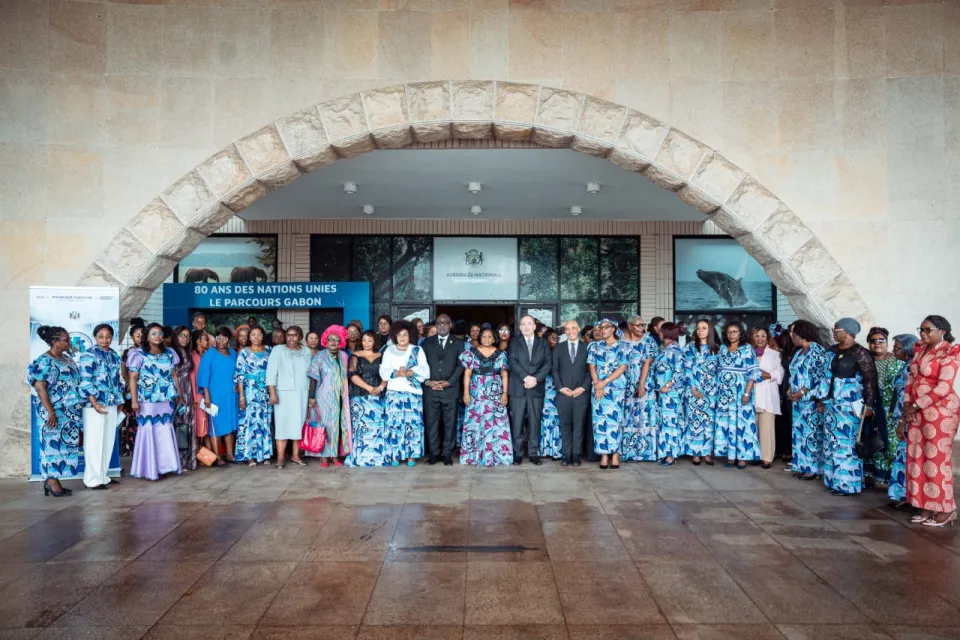
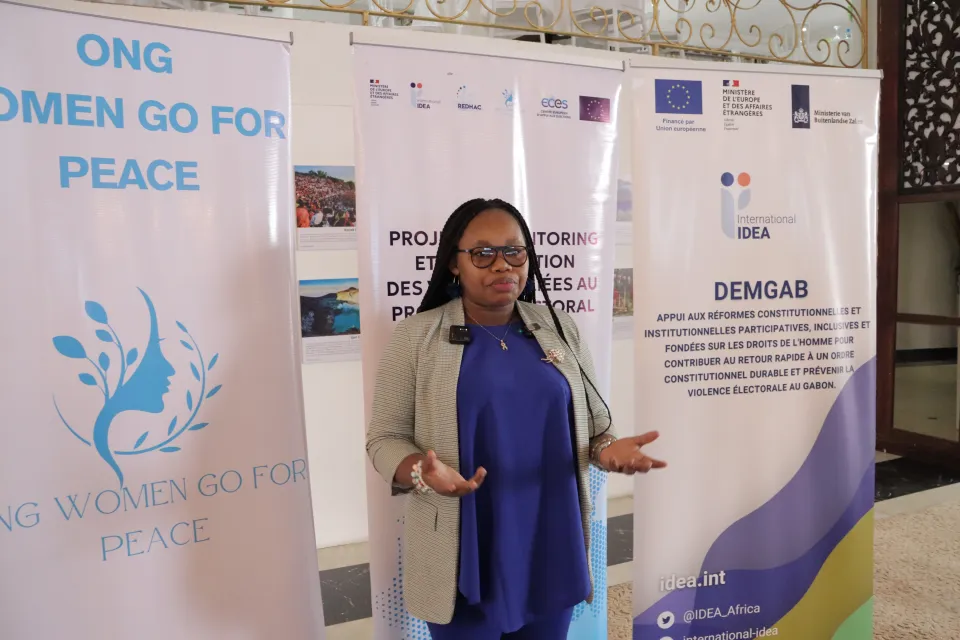
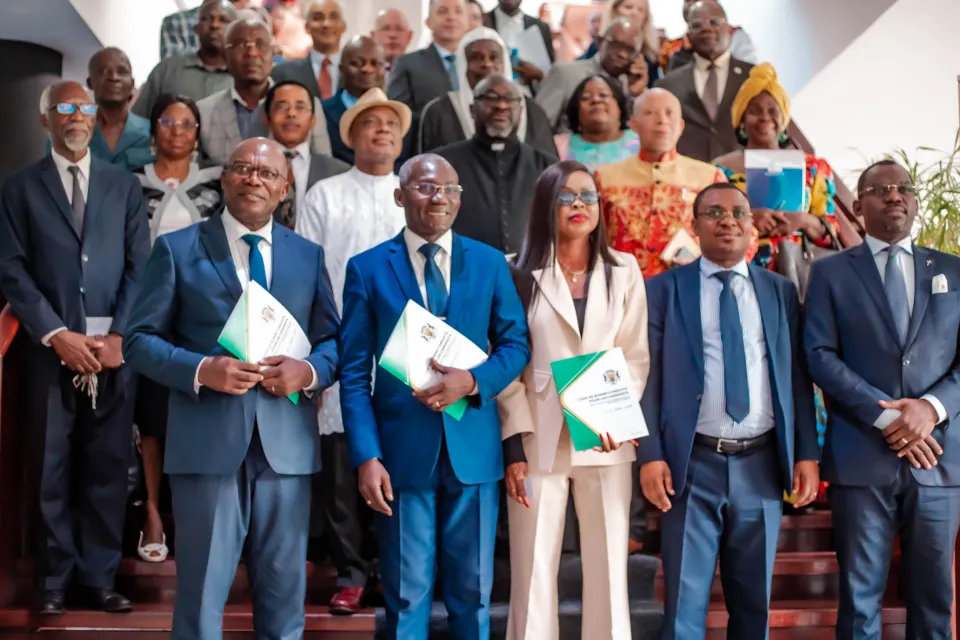
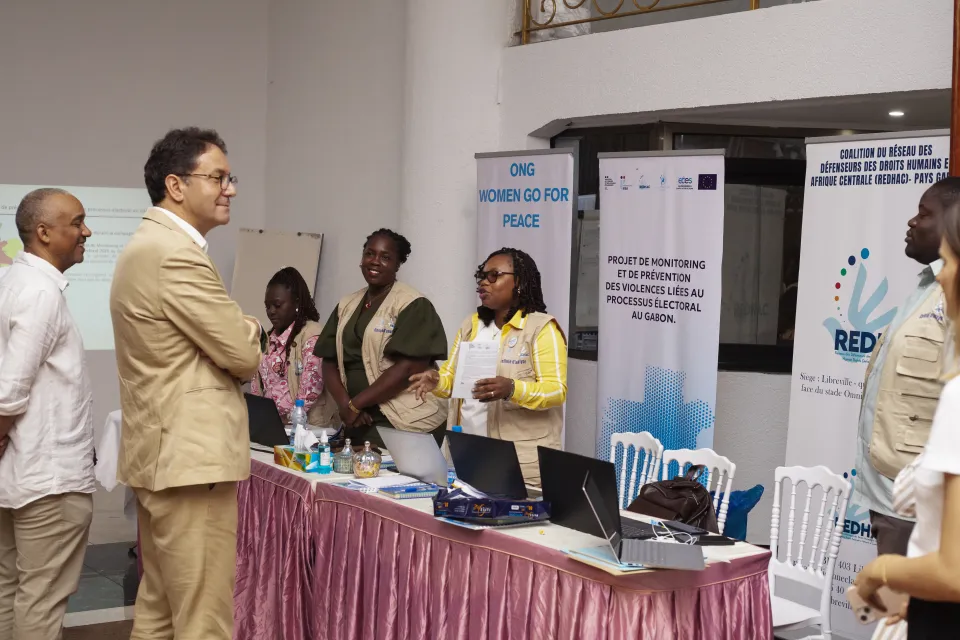
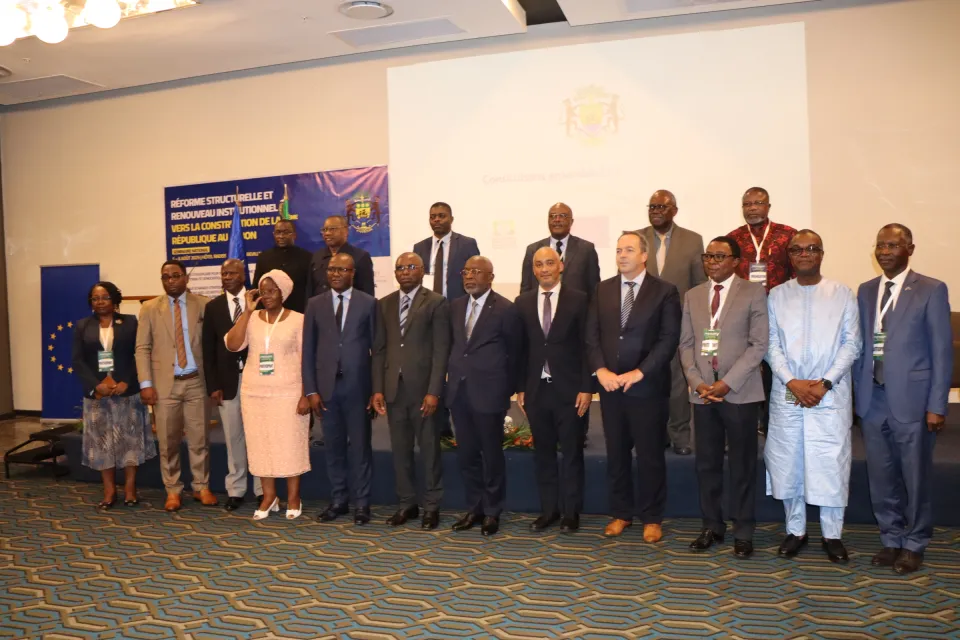
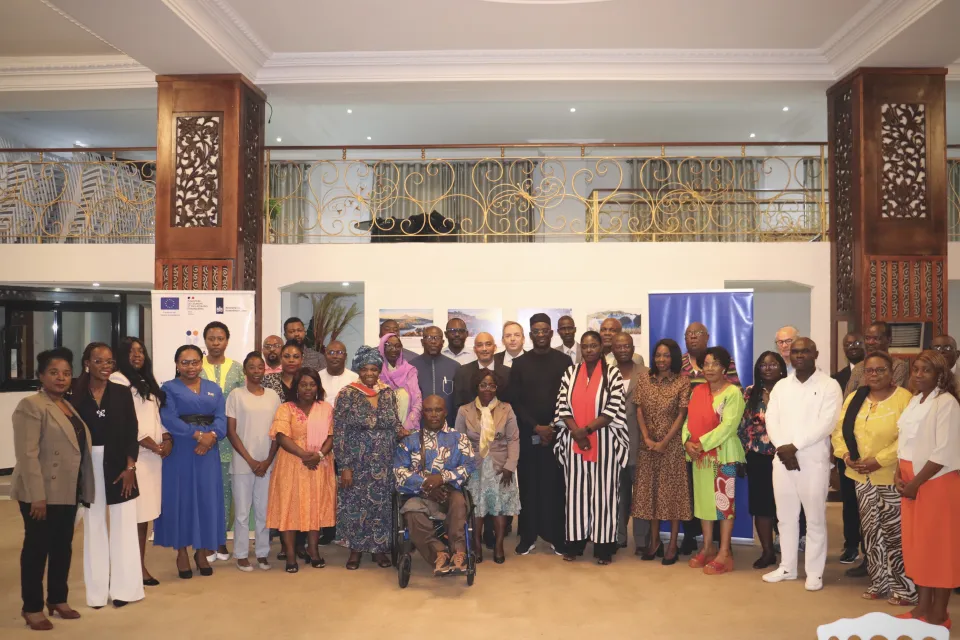
Since 2024, International IDEA has been implementing the “Support for participatory, inclusive and human rights-based constitutional and institutional reforms to contribute to a rapid return to a sustainable constitutional order and prevent electoral violence in Gabon” (DEMGAB) project, financed by the European Union, the Ministry for Europe and Foreign Affairs (France) and the Ministry of Foreign Affairs of the Netherlands.
Basic information
Updates
Our experts