Costa Rica 2026: Elections with integrity in times of polarization
Work agenda and key meetings
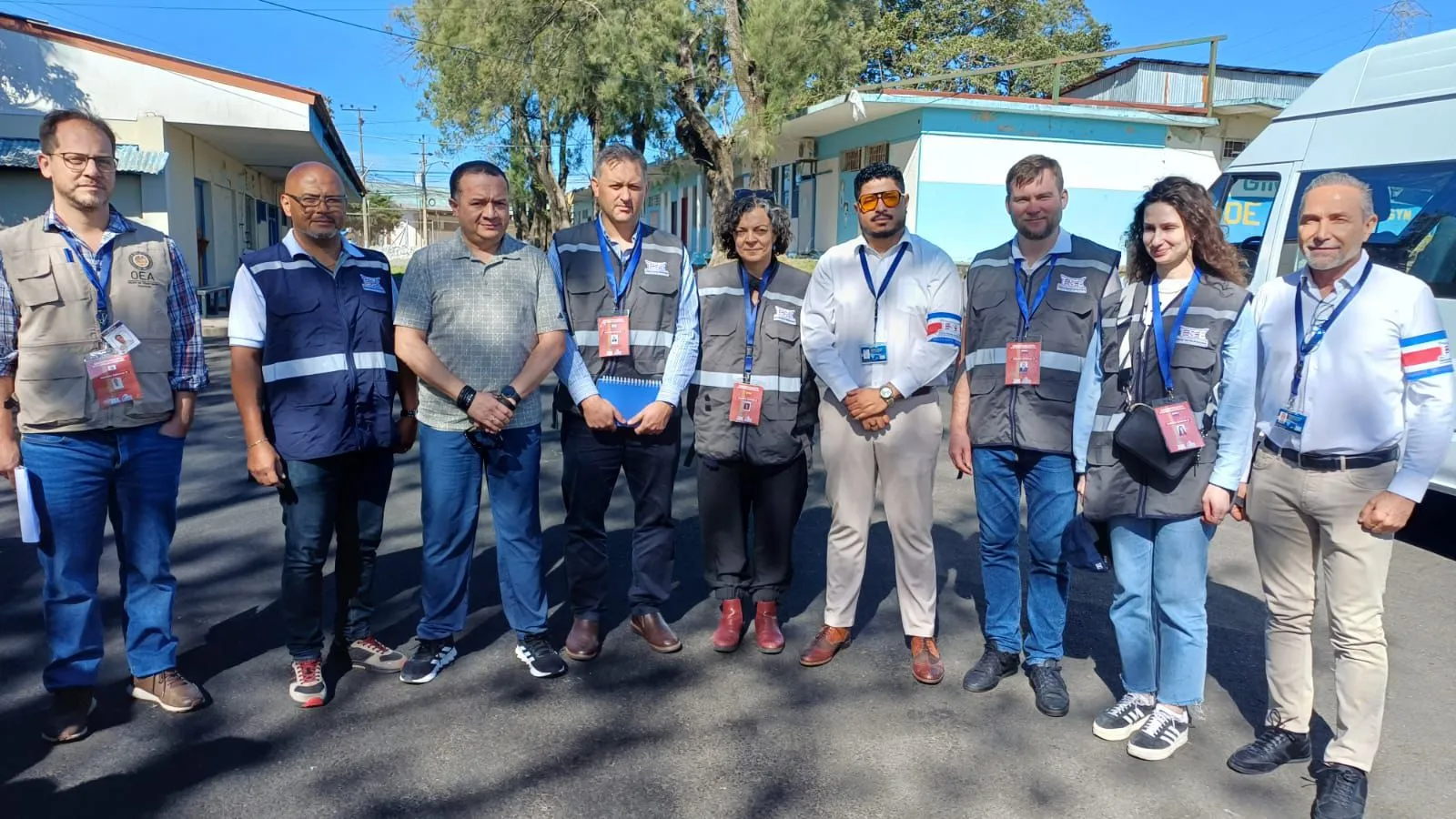
In addition to engaging in the TSE’s academic and technical programme for international visitors, the delegation carried out an extensive work agenda with electoral experts and authorities, representatives of political parties, international observers, media professionals, and civil society organisations. These activities included meetings with International IDEA’s partner CEJIL (Centre for Justice and International Law), within the framework of the project Improving the Resilience of Democracy in Central America.
The delegation also met with representatives of the European Union Delegation in Costa Rica, as well as with the Chargé d’Affaires of the Embassy of Luxembourg in Costa Rica, Mr Charles Schmidt.
A challenging electoral context
The pre-electoral environment differed from previous electoral processes and was marked by high levels of political polarisation, public criticism by the executive branch of oversight institutions and the TSE, and a growing wave of criminal violence. This context was accompanied by campaign discourse promoting “heavy-handed” security policies. While such approaches have gained public support, the expanding presence of organised crime has contributed to rising levels of violence and insecurity. Over the past five years, the homicide rate per 100,000 inhabitants increased from 11.2 in 2020 to 17 in 2025.
Another area of concern was the potential narrowing of civic space for the media. According to the Reporters Without Borders World Press Freedom Index, Costa Rica’s ranking declined from 8th place in 2022 to 36th place in 2025.
Against this backdrop, civil society organisations, independent media outlets, and the electoral authorities themselves issued sustained calls for citizen participation, particularly through social media, seeking to counter the risk of increased voter abstention.
Election day: order, participation and confidence
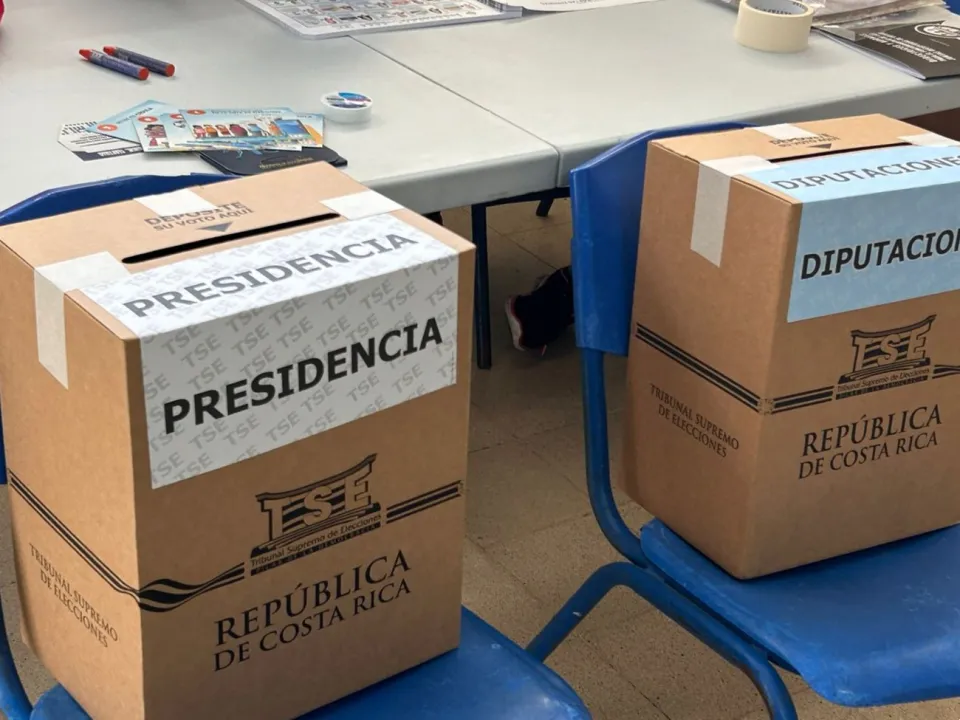
Election day proceeded smoothly and was characterised by orderly conditions and a notable level of voter participation. In all polling stations observed, voting was peaceful, well organised, and free of technical difficulties. The electoral register, logistical arrangements, and mechanisms for the preliminary transmission of results functioned adequately and as planned.
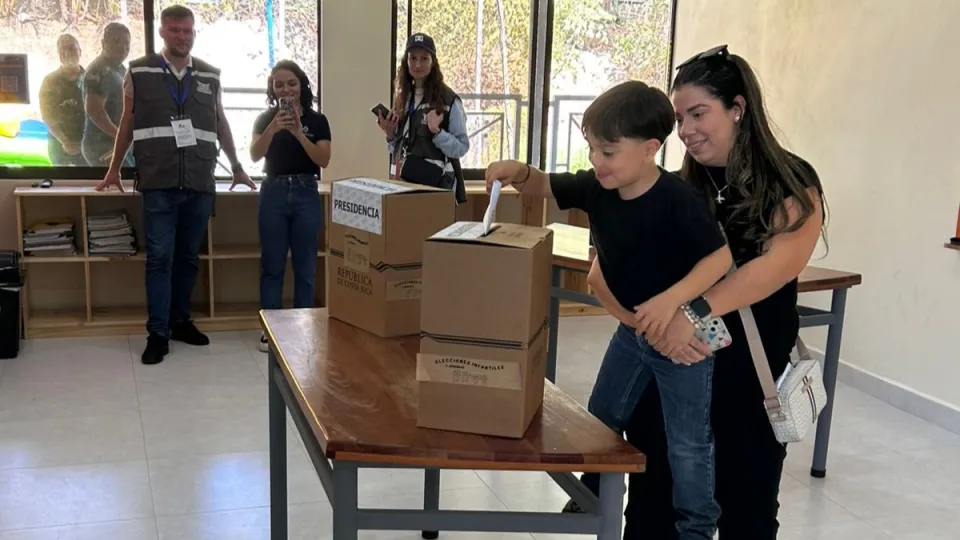
The simplicity of the ballot design facilitated voting and contributed to low levels of invalid votes. Costa Rica’s electoral system continues to demonstrate strength in both technical performance and inclusivity. The country remains a global reference in inclusive electoral practices, particularly in ensuring the electoral rights of persons with disabilities. It is also among the few countries that allow incarcerated persons to vote from prison, underscoring its commitment to universal suffrage. In addition, the organisation of children’s elections serves as an important civic education initiative, promoting early engagement with democratic processes.
The election results reflected two notable departures from trends observed in the previous three electoral cycles. First, the ruling party’s candidate, Laura Fernández, was elected in the first round, and her party secured a simple majority in the Legislative Assembly with 48 per cent of the vote. Second, voter turnout increased by ten percentage points, reaching nearly 69.1 per cent, indicating renewed citizen engagement in a context of pronounced party fragmentation.
Overall, the mission confirmed the resilience and credibility of Costa Rica’s electoral system, particularly in terms of integrity, security, and public trust, despite a complex social and political environment. The TSE’s reputation for transparency and openness, together with the independence and rigour of its procedures, continues to position it as one of the most robust electoral authorities in the region.



About the authors