Launch of Report on Enablers and Incentives of FIMI in North Macedonia
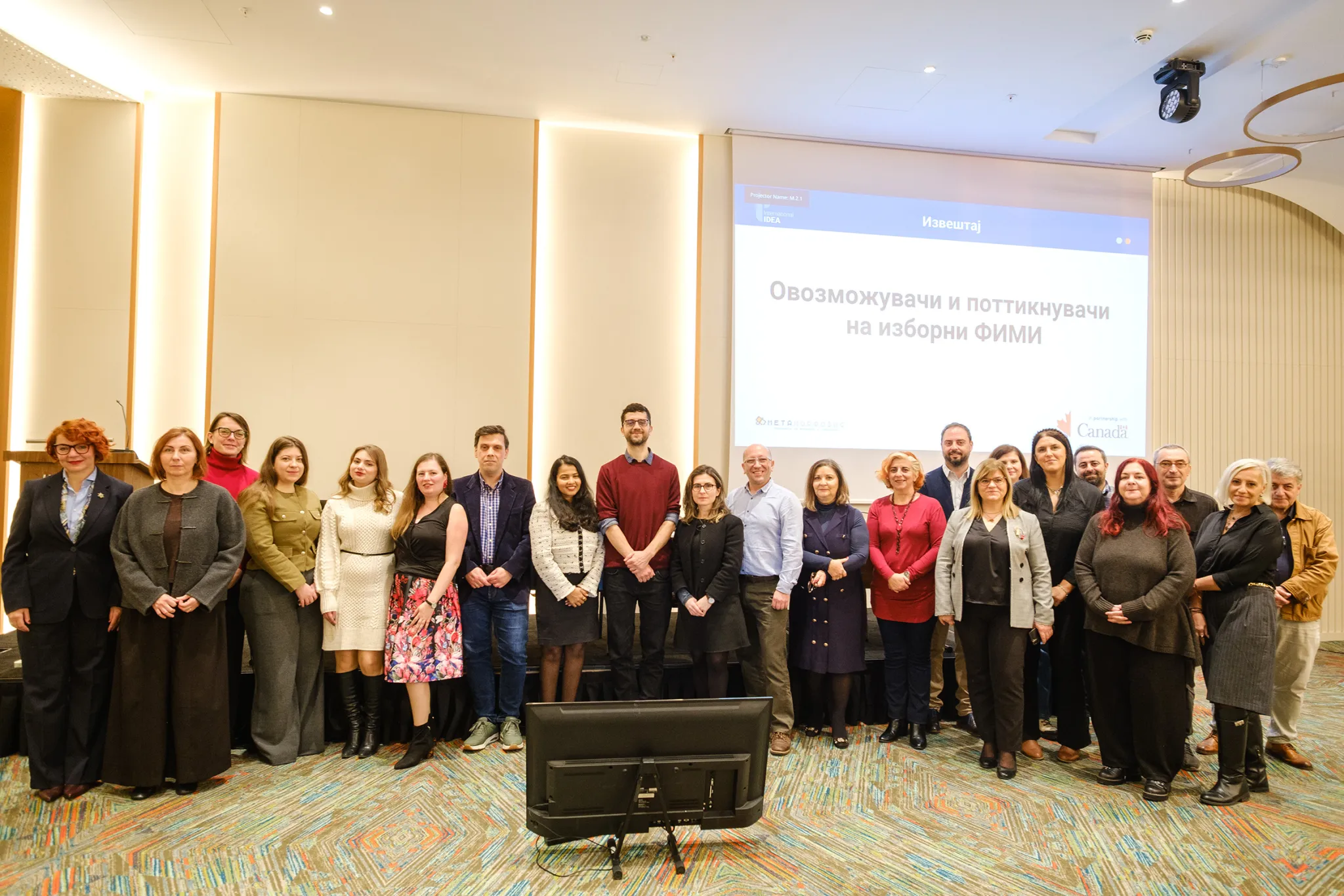
The report, Enablers and Incentives of Election-Related Foreign Information Manipulation and Interference in North Macedonia, applies the global methodology to assess the structural, political, social, and media-related factors that create fertile ground for disinformation and manipulation during elections. The report is available in English, Shqip (Albanian), and Macedonian.
Domestic Vulnerabilities at the Core of FIMI Risks
Goran Rizaov of the Metamorphosis Foundation reinforced the report´s findings, which focus primarily on domestic enablers that create space for influence operations. He highlighted how a mix of regulatory gaps, fragile media sustainability, institutional weaknesses, and deep social polarization allows manipulative narrative to gain traction. Moreover, oversight remains uneven, political financing is insufficiently transparent, and social media platforms operate with minimal regulation. He stressed that these conditions, combined with low levels of digital media literacy, make the public more susceptible to disinformation. Khushbu Agrawal, Adviser at International IDEA, highlighted that “these structural vulnerabilities allow both foreign and domestic actors to exploit existing divisions and amplify manipulative narratives—particularly during election cycles“.
Gender-Related Narratives as a Key Target for Manipulation
A dedicated section of the report highlights gender-related disinformation as a growing tool used to polarize society, influence public debates, and undermine trust in institutions. The analysis documents how anti-gender narratives, often imported from abroad, are increasingly deployed to attack legislative reforms, create political pressure, and undermine alignment with European values. Co-author Despina Kovačevska highlighted how these narratives contributed to the withdrawal of the draft Gender Equality Law.
Media Vulnerabilities and the Information Environment
The report describes the media sector as one of the most fragile elements of the information ecosystem. Many outlets face financial instability and remain dependent on state or political funding. This environment fosters self-censorship, affects editorial independence, and lowers journalistic standards. These conditions make the public more vulnerable to disinformation and manipulated content, especially during crises or emotionally charged events. Stakeholders at the event noted that non-transparent political financing and the lack of robust oversight continue to create incentives for politically affiliated “phantom media” to emerge during elections.
Social Media as a Primary Vector of Manipulative Content
The analysis in the report shows that social media platforms, especially TikTok, Facebook, Instagram, and X, serve as key channels for accelerating the spread of manipulative narratives, largely due to weak moderation, unchecked algorithmic amplification, and the absence of clear rules on digital political advertising. Speakers in the stakeholder dialogue echoed these concerns, noting that the influence of unregulated digital campaigning is increasing with each electoral cycle.
A Call for Coordinated, Society-Wide Action
The launch event made clear that North Macedonia’s vulnerabilities to FIMI are rooted in internal weaknesses—political, institutional, regulatory, and societal. Speakers stressed that without comprehensive reforms and cross-sector collaboration, manipulative narratives will continue to erode public trust and destabilize democratic processes. The report thus serves as a roadmap for strengthening resilience and building a more transparent, accountable, and secure information environment.
Co-author Matej Trojačanec underscored that countering FIMI requires “coordinated collaboration between government, media, civil society, academia, and the private sector,” warning that disinformation threatens both democratic processes and Euro-Atlantic integration.
Recommendations for Strengthening Resilience
The report puts forward several priority reforms, including:
- Developing a national strategy to counter disinformation
-
Reforming political advertising and media funding systems
-
Improving transparency in institutional processes
-
Aligning regulations with EU standards, including the Digital Services Act
-
Strengthening cross-sector cooperation across government, civil society, media, academia, and the private sector
The report has been prepared within the framework of the project ´Combatting election-related foreign information manipulation and interference´, implemented by International IDEA and supported by Global Affairs Canada in four countries: Côte d'Ivoire, Moldova, North Macedonia, and Senegal.
Video from the launch event
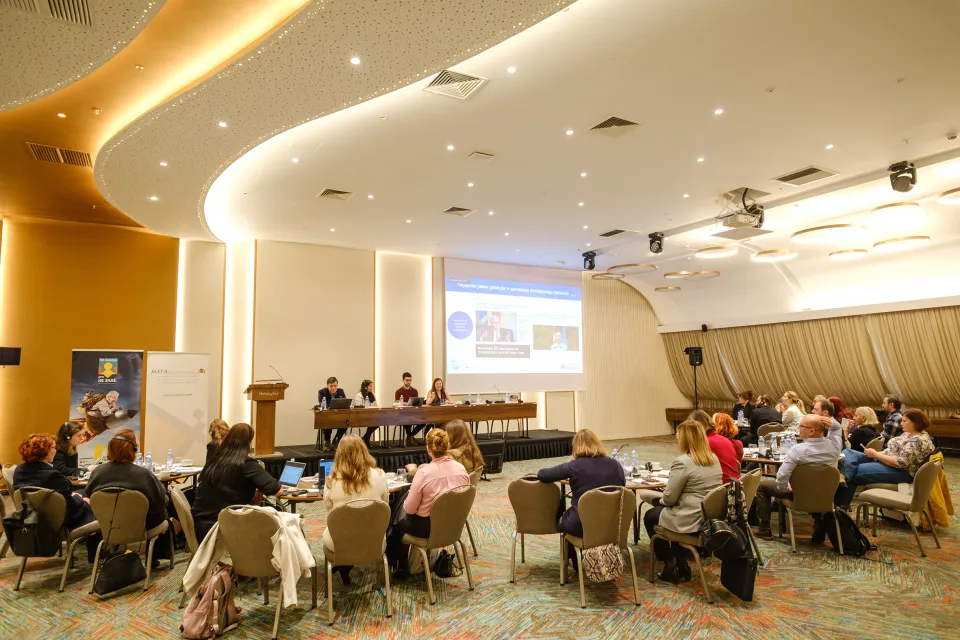
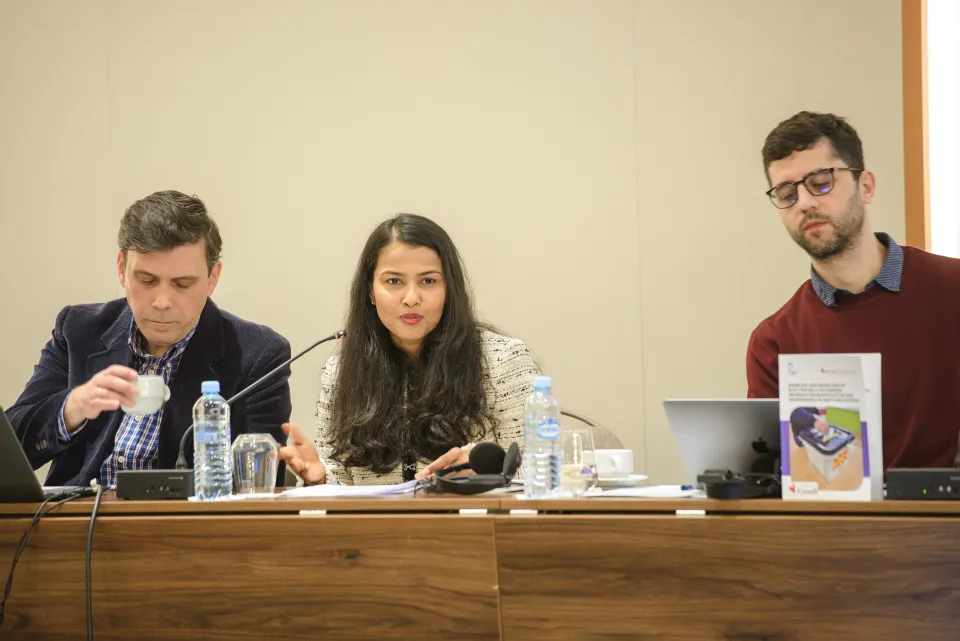
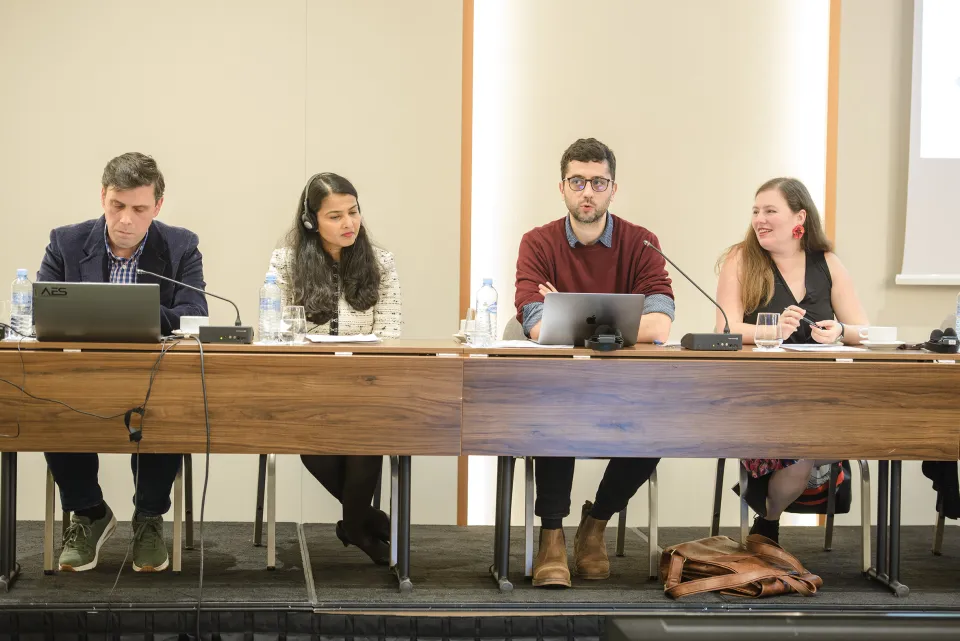
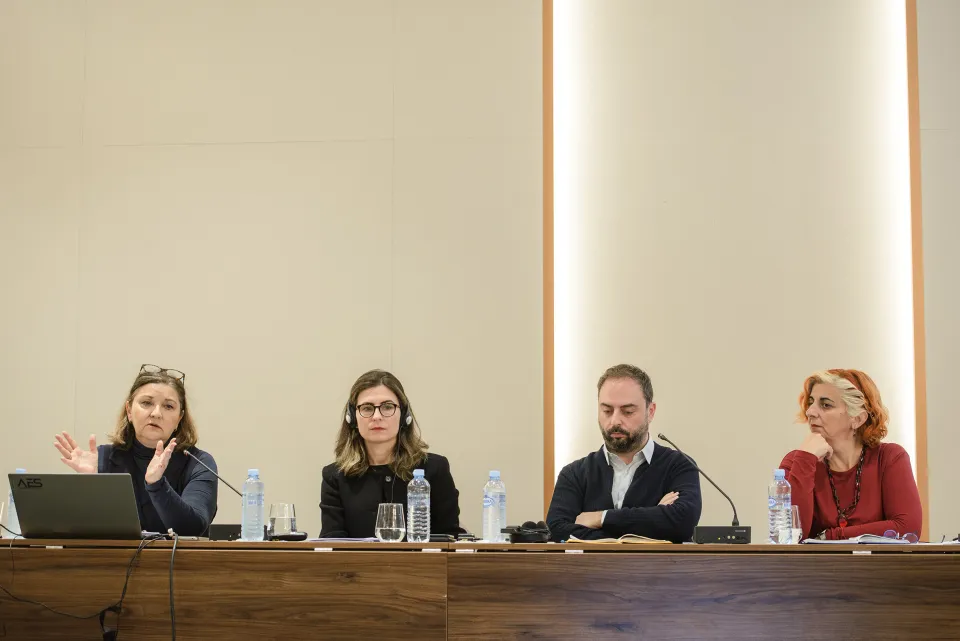
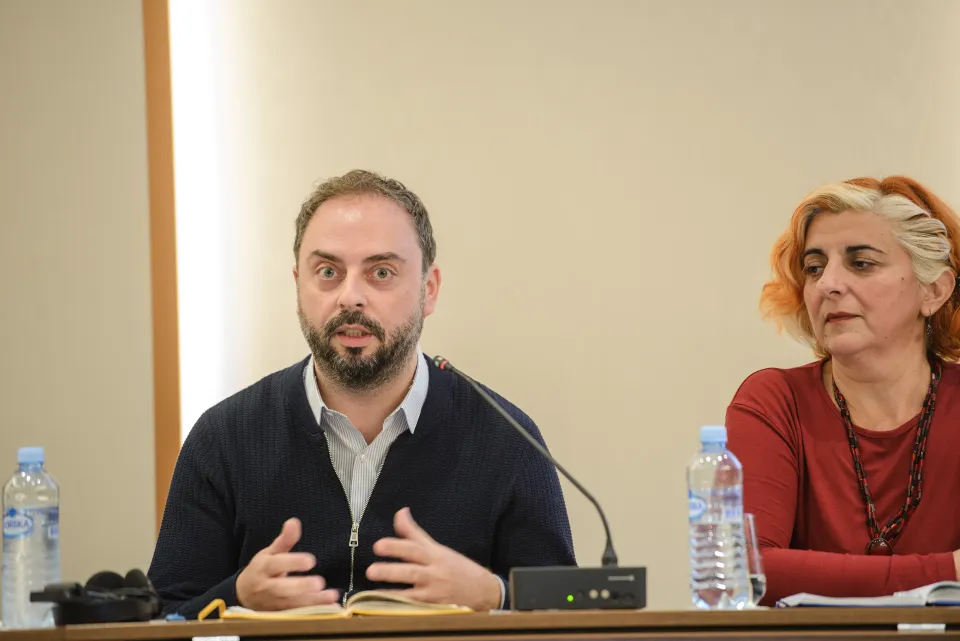
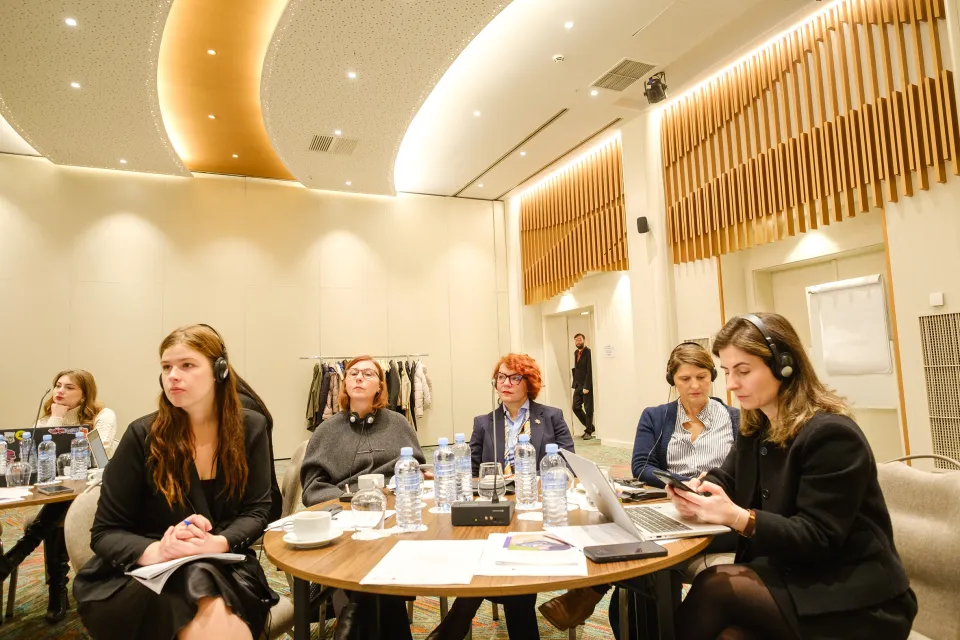
Photos from the launch event



About the authors