Iraq: Building electoral resilience in a complex information environment

In recent election cycles, allegations of irregularities and widespread rumours have contributed to scepticism toward electoral outcomes and institutions. Voter turnout has also remained relatively low, reflecting broader disengagement and dissatisfaction.
At the same time, Iraq’s rapidly expanding digital landscape has transformed how citizens access and share information. Social media platforms have become central to political communication, but also enable the rapid spread of misinformation, polarising narratives and targeted harassment, particularly affecting women candidates and underrepresented groups.
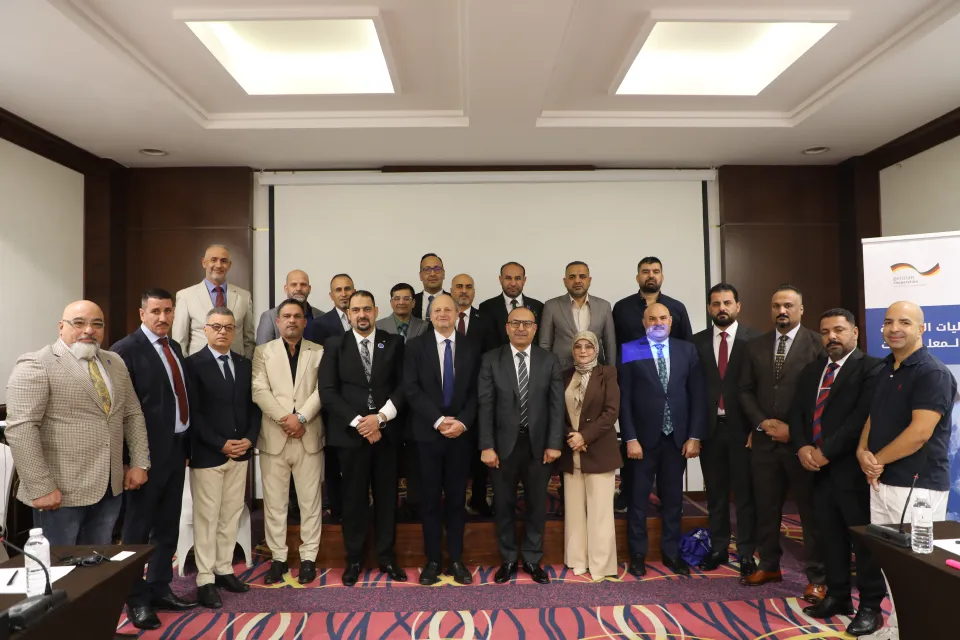
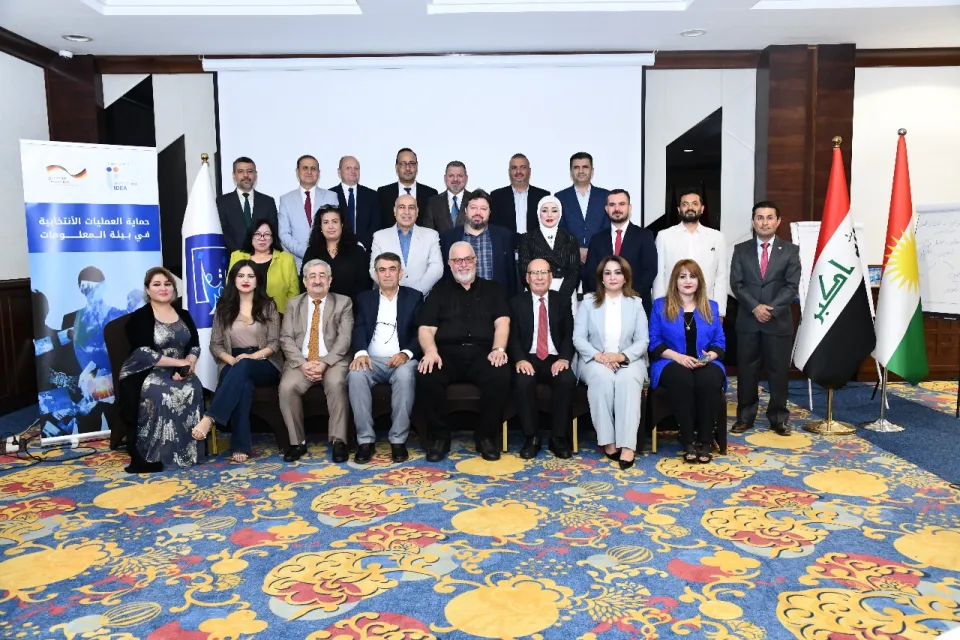
In the lead-up to the 2025 parliamentary elections, efforts were made to bring together electoral authorities, civil society organisations, academics, and community representatives to better understand and respond to these challenges. A series of workshops and discussions, organised by International IDEA in Baghdad and Erbil, created space for different actors to share concerns, identify risks, and agree on common priorities.
The exchanges helped build a broader coalition, with strong involvement from the Independent High Electoral Commission (IHEC), which played an active role throughout. Together, workshop participants identified key risks, including the spread of misinformation, low voter awareness, online harassment, and the use of divisive narratives in political debate.
Building on this, the group agreed on a set of practical actions. Civil society organisations, working closely with the IHEC, led public awareness campaigns promoting peaceful political dialogue and encouraging voter participation, especially among women, youth minorities, and persons with disabilities. These efforts combined online content, such as videos and social media campaigns, with in-person outreach, including seminars and community events across different parts of the country.
At the same time, new ways of tracking and responding to false information were introduced. A digital platform, Iraq Filter, was set up to monitor misleading narratives online, verify claims, and share fact-based information with the public and media. This helped create a more coordinated response to mis/disinformation during the electoral period.
These combined efforts contributed to a more informed public debate. They also helped strengthen cooperation between electoral authorities and civil society. Importantly, the 2025 parliamentary elections saw voter turnout increase significantly compared to previous elections, suggesting renewed public engagement and confidence in the electoral process.
Lessons Learned
The Iraq experience underscores that active engagement from electoral authorities is critical. Strong participation from the electoral management body helped build trust with civil society and enabled more coordinated and credible responses to information-related threats.
Another key lesson is the importance of dedicated monitoring and response mechanisms. Initiatives such as digital observatories and fact-checking efforts demonstrate how systematic tracking of narratives can help identify and counter misinformation more effectively.
The case further shows that combining online and offline engagement strengthens impact. Integrating digital campaigns with in-person dialogue and outreach activities made it possible to reach broader audiences and foster more meaningful engagement.
Finally, the experience points to the need for long-term investment in capacity and inclusion. Short-term interventions can support electoral processes, but sustained efforts are essential to build lasting resilience in the information environment.


About the authors