Ukraine explores Baltic experience on out-of-country voting and democratic resilience
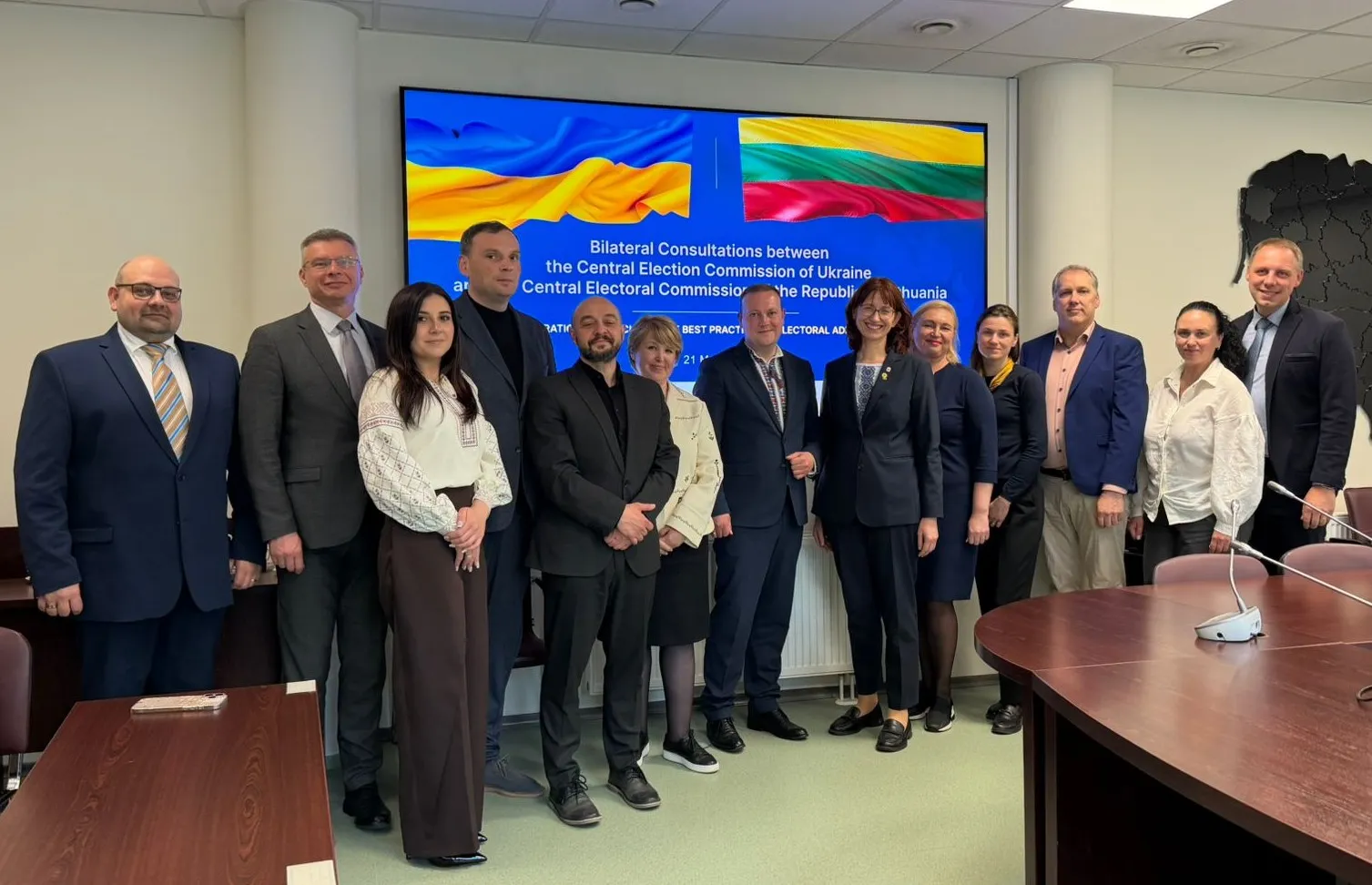
The visits were organised with the financial support of the EU under the project INSPIRE UA – Inclusive Support for Participation, Involvement, Representation and Engagement of Ukrainians Abroad, implemented by International IDEA.
The consultations form part of a broader series of exchanges with EU Member States aimed at strengthening Ukraine’s preparedness for out-of-country voting (OCV) and identifying practical solutions that could facilitate the participation of millions of Ukrainians residing abroad once conditions allow elections to be held. The consultations focused on practical, legal and institutional aspects of organising voting abroad and explored experiences relevant to Ukraine’s preparations for future post-war elections.
Visit to Estonia
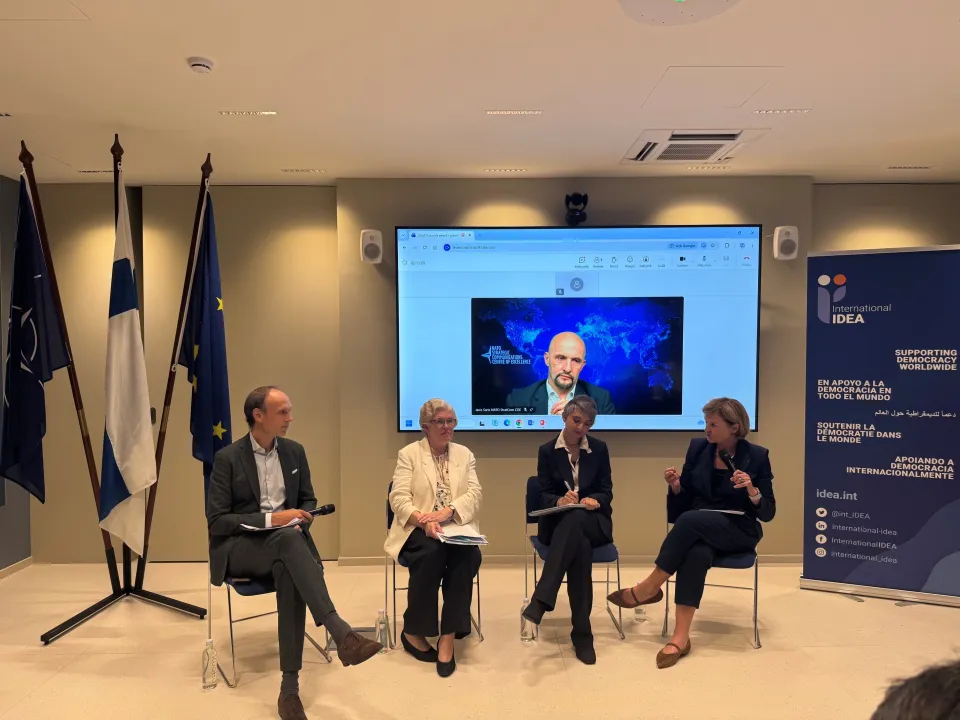
In Tallinn, the Ukrainian delegation met with representatives of the Estonian State Electoral Office, the Ministry of Foreign Affairs, experts from the University of Tartu, and members of the Ukrainian community in Estonia. Representatives of the State Electoral Office presented Estonia’s model for administering elections abroad, including voting at diplomatic missions, postal voting and internet voting, as well as the legal and technical safeguards underpinning these processes.
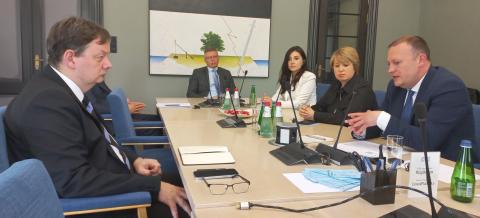
Meeting with the Head of the Estonian State Electoral Office Arne Koitmäe
At the Estonian Ministry of Foreign Affairs, discussions focused on cooperation between electoral authorities, diplomatic institutions and local authorities in organising voting from abroad. Estonian counterparts shared practical insights regarding permissions, coordination procedures and security considerations that would be relevant if Ukraine were to organise voting in the future. The exchange also covered strategic communication, countering disinformation and foreign information manipulation and interference (FIMI), as well as approaches to communicating with citizens abroad during electoral processes.

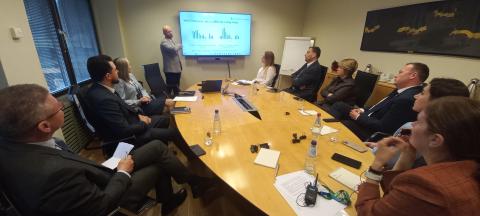
A separate session with Dr Mihkel Solvak of the University of Tartu explored more than two decades of Estonian experience with internet voting. Discussions covered societal trust in digital electoral tools, communication strategies used to build public confidence, and lessons learned from public debates surrounding online voting. These exchanges provided valuable perspectives for Ukraine’s broader discussions on technology, participation and electoral resilience.
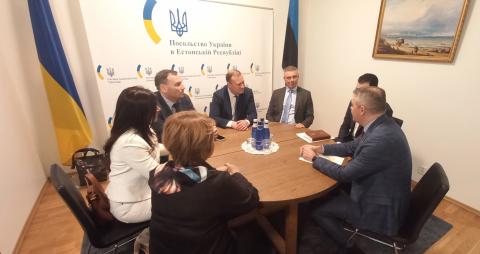
The programme also included a meeting with Ambassador of Ukraine to Estonia Volodymyr Boiechko, focusing on engagement with the Ukrainian community, cooperation with Estonian authorities, and the role of diplomatic institutions in supporting preparations for future post-war electoral processes.
Visit to Lithuania
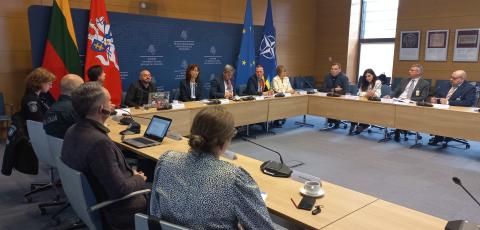
In Vilnius, the delegation met with representatives of the Ministry of Foreign Affairs, the Central Electoral Commission of Lithuania, the Police Department under the Ministry of the Interior and the Municipality of Vilnius.
The consultations highlighted Lithuania’s whole-of-government approach to election administration. Discussions focused on coordination between electoral authorities, diplomatic institutions, police and municipal authorities, as well as legal and practical considerations related to organising voting abroad. Lithuanian counterparts also shared experience in ensuring election security, maintaining public order, and protecting electoral processes against disinformation and foreign information manipulation and interference (FIMI).
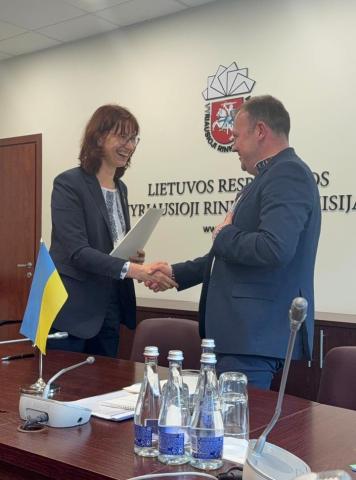
Signing of Memorandum of Understanding
A dedicated meeting with the Central Electoral Commission of Lithuania focused on election administration, cybersecurity, and countering disinformation. The visit also marked the signing of a Memorandum of Understanding between the Central Election Commission of Ukraine and the Central Electoral Commission of Lithuania.
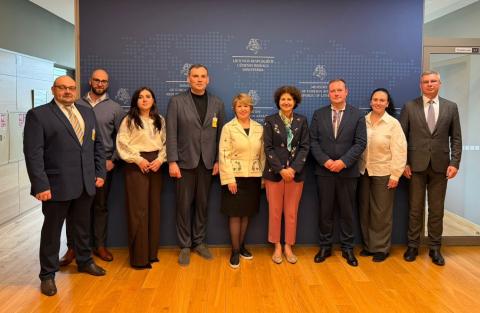
Strengthening relationships with Baltic partners
Discussions with Vice Minister Audra Plepytė broadened the dialogue beyond electoral administration to include democratic resilience, countering hybrid threats, and Lithuania’s continued support for Ukraine’s democratic recovery and institutional preparedness.
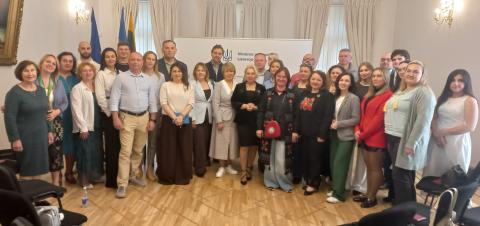
Engaging Ukrainian Communities Abroad.
Meetings with Ukrainian communities in both Tallinn and Vilnius provided an opportunity to discuss practical challenges related to future electoral participation abroad. Participants exchanged views on the location of polling stations, potential venues, recruitment and training of election commission members, voter education and communication channels, and cooperation between diaspora organisations, Ukrainian institutions and host-country authorities.
The consultations in Estonia and Lithuania further strengthened institutional dialogue between Ukrainian and Baltic partners and provided valuable insights into different models of organising voting abroad, safeguarding electoral integrity and maintaining public trust in democratic processes. They also reinforced cooperation on issues that extend beyond elections, including resilience against hybrid threats, strategic communication and democratic governance.
Through INSPIRE UA, International IDEA, with the financial support of the European Union, continues to facilitate exchanges between Ukrainian and European institutions to ensure that international experience contributes to Ukraine’s preparations for future democratic processes and the meaningful participation of Ukrainians abroad.


About the authors