International IDEA Strengthens Indigenous Women’s Leadership in the Ngäbe-Buglé Comarca
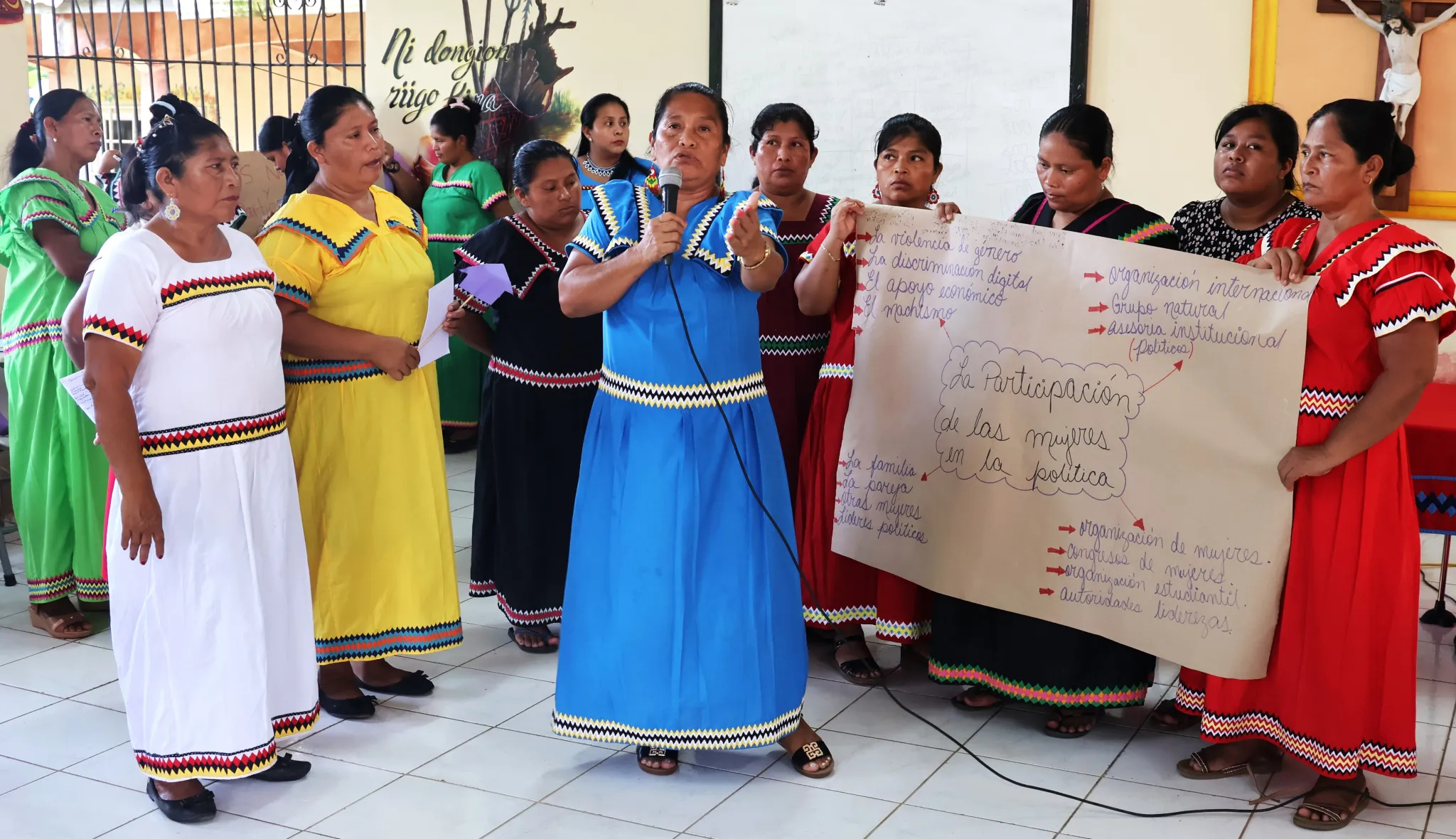
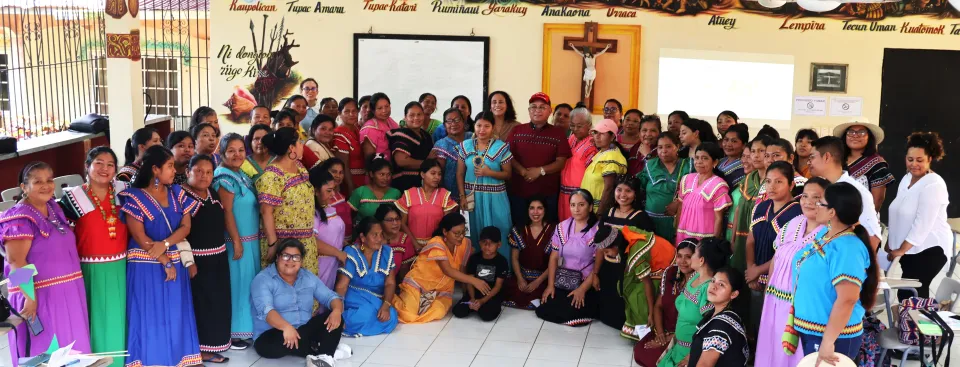
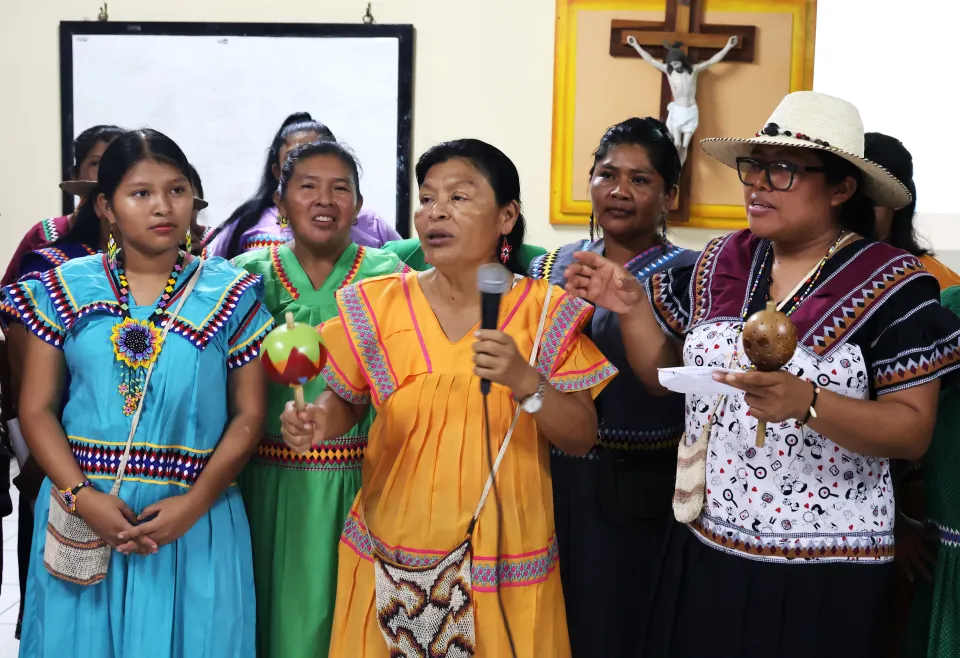
The workshop-laboratory, titled “Strengthening Women’s Capacity for Leadership, Promoting Equality, and Addressing Violence,” brought together community, traditional, social, and political women leaders from different territories of the comarca. The initiative was organized by International IDEA with support from the Spanish Agency for International Development Cooperation (AECID), as part of the project “Strengthening Democratic and Effective Governance and a More Participatory Citizenship in the Ngäbe-Buglé Comarca.”
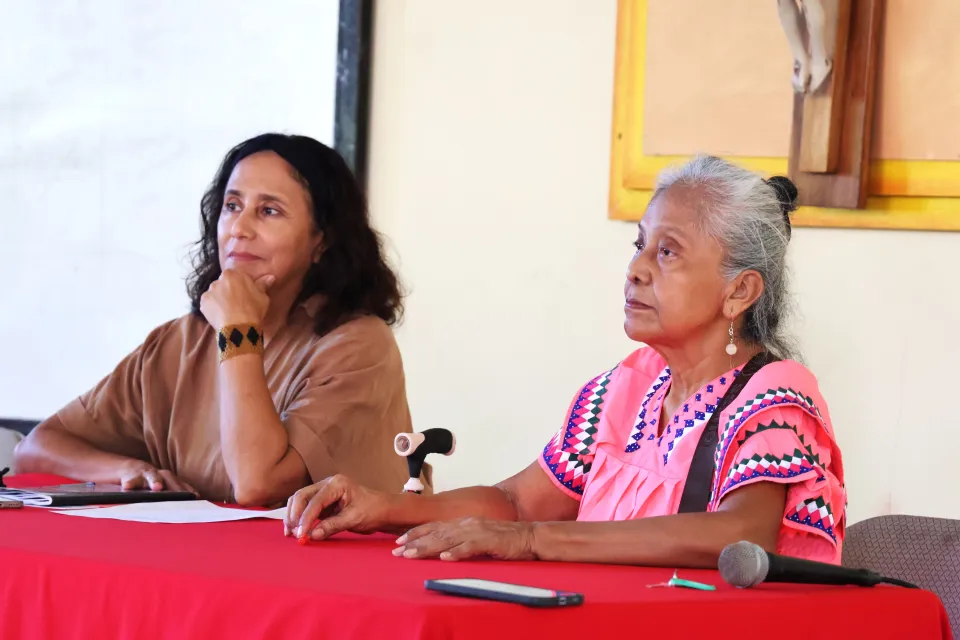
Held in San Félix, in the Province of Chiriquí, the event provided a strategic meeting space for women leaders from Kädriri, Nedrini, and Ño Kribo, among other communities. The workshop fostered dialogue, mutual learning, and the exchange of experiences among participants committed to advancing the development of their communities.
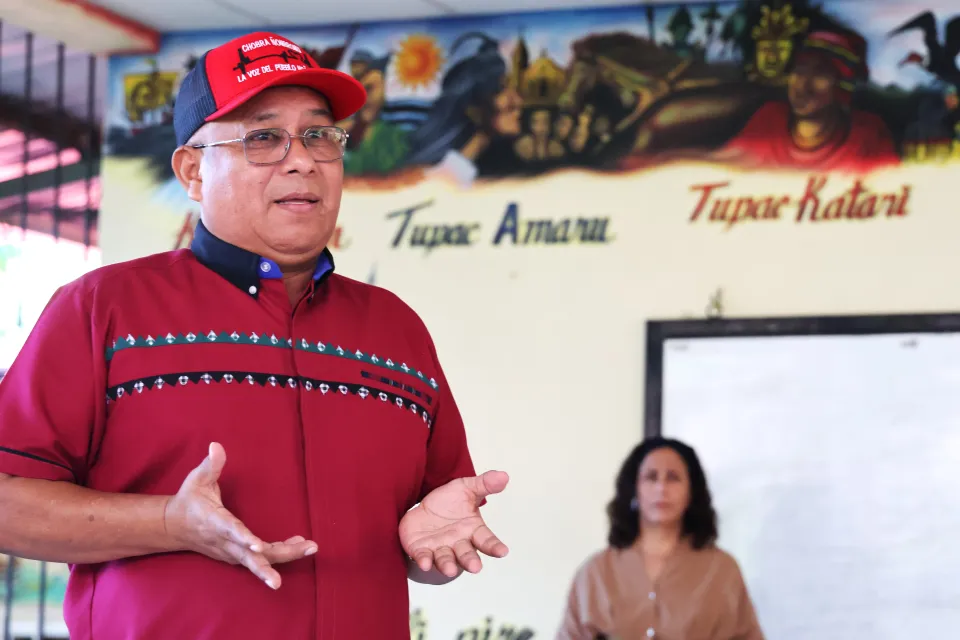
The event featured presentations by Congressman Roberto Archibold, indigenous leader Toribia Venado, congressional delegates, and Alicia del Águila, Program Manager at International IDEA. Technical facilitation and thematic sessions were conducted by consultants Yuri Pitti, Ana María Pinilla, and Edgar Figueroa.
Combining participatory methodologies with collective reflection, the workshop created opportunities for participants to strengthen their leadership capacities and explore strategies for promoting inclusive and transformative leadership in community, social, and political spaces.
To promote safer environments for women, the program included a specialized module that provided practical tools for identifying, preventing, and responding to different forms of gender-based violence. Participants discussed protection mechanisms and community-based strategies aimed at fostering violence-free environments and strengthening support networks for women and girls.
The workshop also focused on enhancing women’s participation in decision-making processes. Through interactive sessions, participants developed skills to advance gender equality, strengthen their political and community representation, and formulate proposals that respond to the needs and priorities of their territories.
In addition, the communication component strengthened participants’ digital and advocacy skills through a practical approach adapted to local realities. Women leaders learned how to develop strategic messages, engage audiences effectively, and use social media in a safe and responsible manner. These new skills will help amplify their voices, promote their causes, and increase their participation in public and political life despite the connectivity challenges that persist in the region.


About the authors