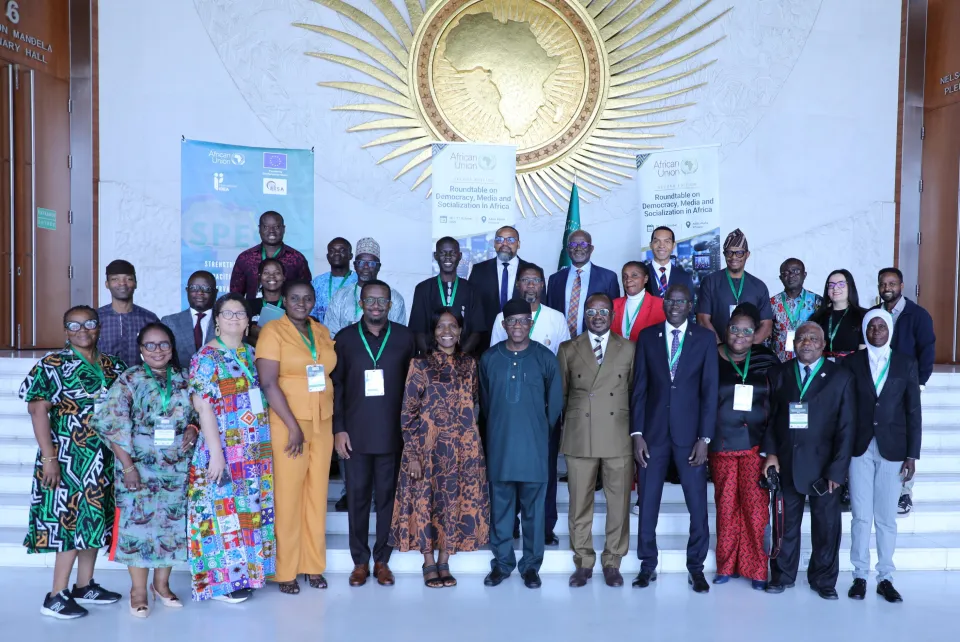
International IDEA joins the International Guests Programme in Brazil for an unprecedented general election’s runoff
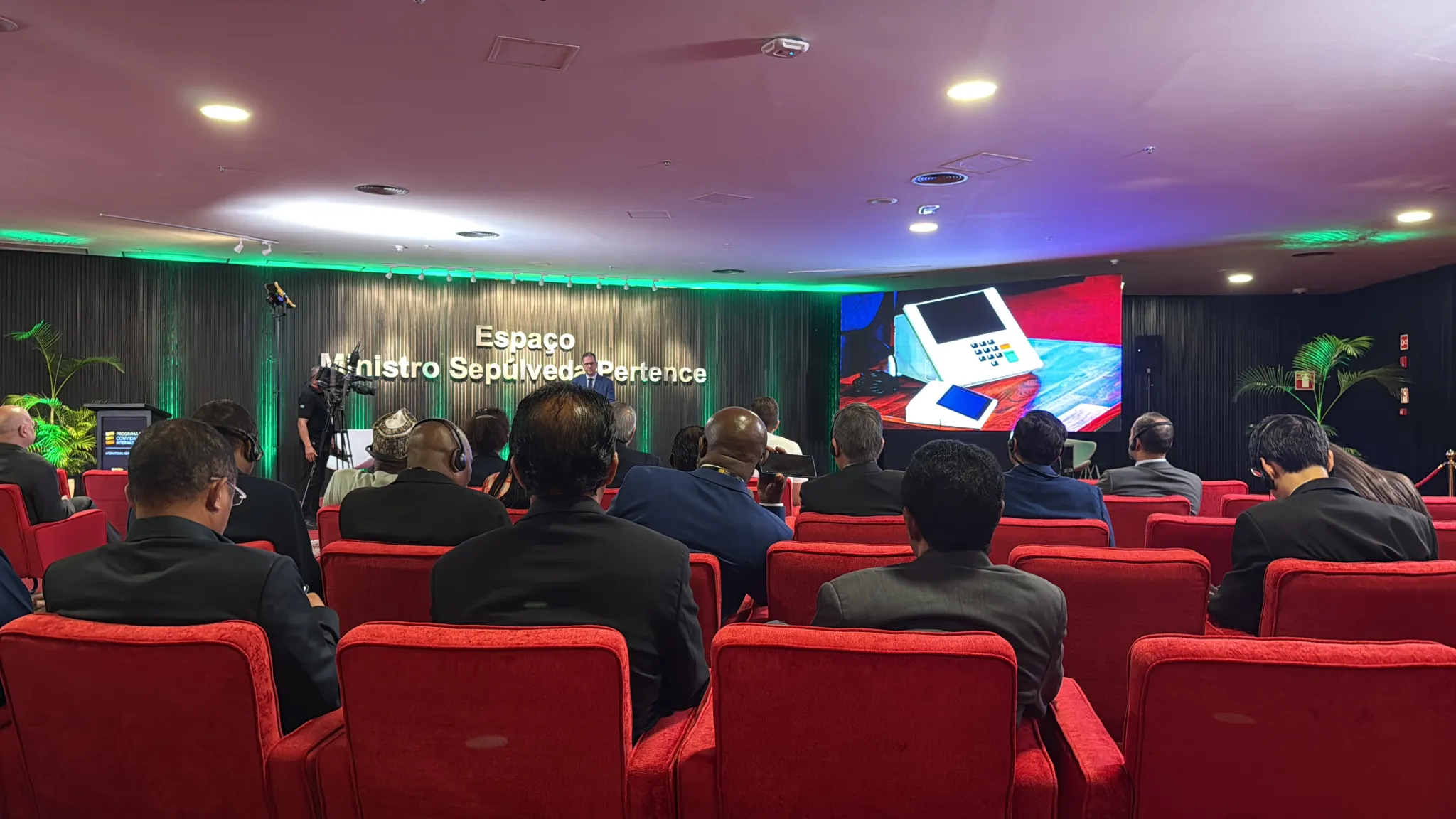
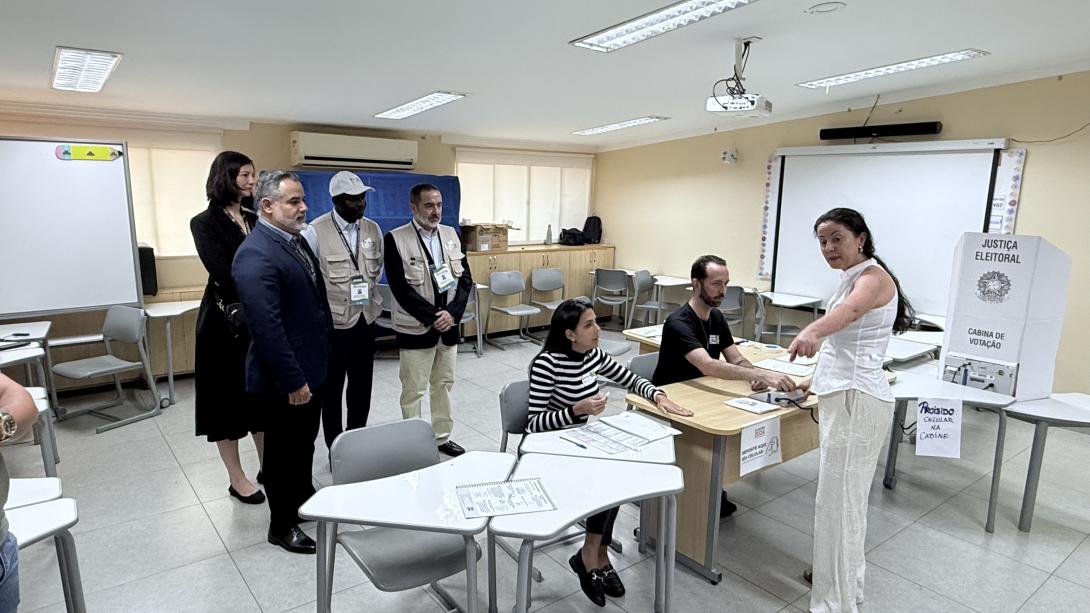
The TSE organized a comprehensive programme for international guests, providing technical briefings on Brazil’s electronic voting system, electoral inclusion, information integrity, voter outreach, and election administration. Together with representatives from electoral management bodies, international organizations, and diplomatic missions, the delegation visited polling stations in Brasília to observe voting procedures and engage with polling officials, electoral monitors, legal advisers, party representatives, and voters.
The runoff election took place against the backdrop of an exceptionally competitive and closely watched campaign between incumbent President Luiz Inácio Lula da Silva and Senator Flávio Bolsonaro. As Latin America’s largest democracy and economy, Brazil’s electoral process attracted significant attention from political actors, civil society, international observers, and global markets. The election was widely regarded as consequential not only for Brazil’s democratic and development trajectory, but also for regional political dynamics, particularly given Brazil’s role as one of the few major left-leaning governments currently in the region.
Throughout the electoral period, the TSE and Brazil’s Electoral Justice system played a central role in safeguarding the integrity and credibility of the process. In addition to managing electoral logistics across a vast territory, the institution monitored compliance with electoral rules, addressed challenges related to information integrity, and facilitated voter access to reliable electoral information. The process highlighted the technical capacity and institutional resilience of Brazil’s electoral framework, which continues to serve as an important reference for election administration globally.

On election day, Brazilian voters returned to the polls after no candidate secured an outright majority in the first round. Voting proceeded peacefully under the supervision of the Electoral Justice system. In an unprecedented measure, electoral authorities approved a two-hour extension of voting in selected areas to ensure that all eligible voters affected by operational and logistical challenges could cast their ballots. Following the close of polls, the TSE oversaw the rapid tabulation and publication of results, ultimately confirming the re-election of Luiz Inácio Lula da Silva with 51.79 per cent of valid votes. The orderly conduct of the election, the transparency of the count, and the broad acceptance of the results reinforced confidence in Brazil’s democratic institutions and underscored the importance of strong and independent electoral management bodies in safeguarding electoral legitimacy.


About the authors