Climate Justice, Courts and Democracy: Lessons from Asia and the Pacific
Disclaimer: Opinions expressed in this interview are those of the authors and do not necessarily represent the institutional position of International IDEA, its Board of Advisers or its Council of Member States.
Climate litigation is often assessed by a simple question: did the case succeed? International IDEA’s Let the Courts Decide? The Potential and Limitations of Climate Litigation from a Democracy Perspective suggests a wider test. Climate cases matter for democracy when they strengthen rights and access to justice, bring underrepresented interests into decision-making, require governments and other powerful actors to justify their actions, and reinforce the rule of law. However, they can also expose tensions around judicial authority, participation, scientific expertise and implementation. Courts can hold institutions to their legal obligations; they cannot substitute for democratic climate governance.
This question is particularly timely as governments prepare for COP31. The latest UNFCCC synthesis of nationally determined contributions shows that climate commitments are becoming more deeply embedded in national policymaking, but that collective progress in reducing projected emissions remains substantially off track from what is required to keep the 1.5°C goal within reach. The challenge, then, is increasingly one of implementation: once commitments are made, how are they translated into action, who gets a say, and how are governments and other powerful actors held accountable?
Six new International IDEA case studies from Asia and the Pacific show what this means in practice.
Giving Future Generations a Voice
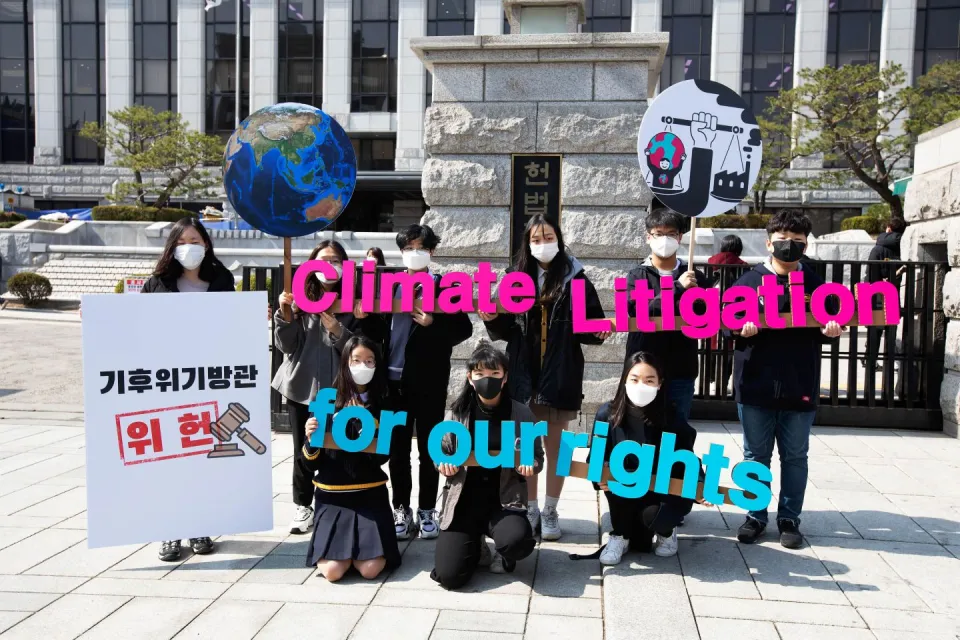
First, climate litigation can address gaps in representation. Climate decisions extend far beyond electoral cycles, while children and future generations have little or no influence over decisions whose consequences they will inherit. In the Republic of Korea, youth plaintiffs successfully challenged a legal framework that left greenhouse-gas reductions for 2031–2049 undefined. One 12-year-old petitioner captured the democratic deficit succinctly: “Grown-ups can elect … but children do not have that opportunity.” The Constitutional Court required the legislature to act but left the precise pathway to elected institutions. The subsequent parliamentary process included both enhanced youth representation and a separate panel of 10–14-year-olds—an example of litigation feeding into democratic deliberation rather than replacing it.
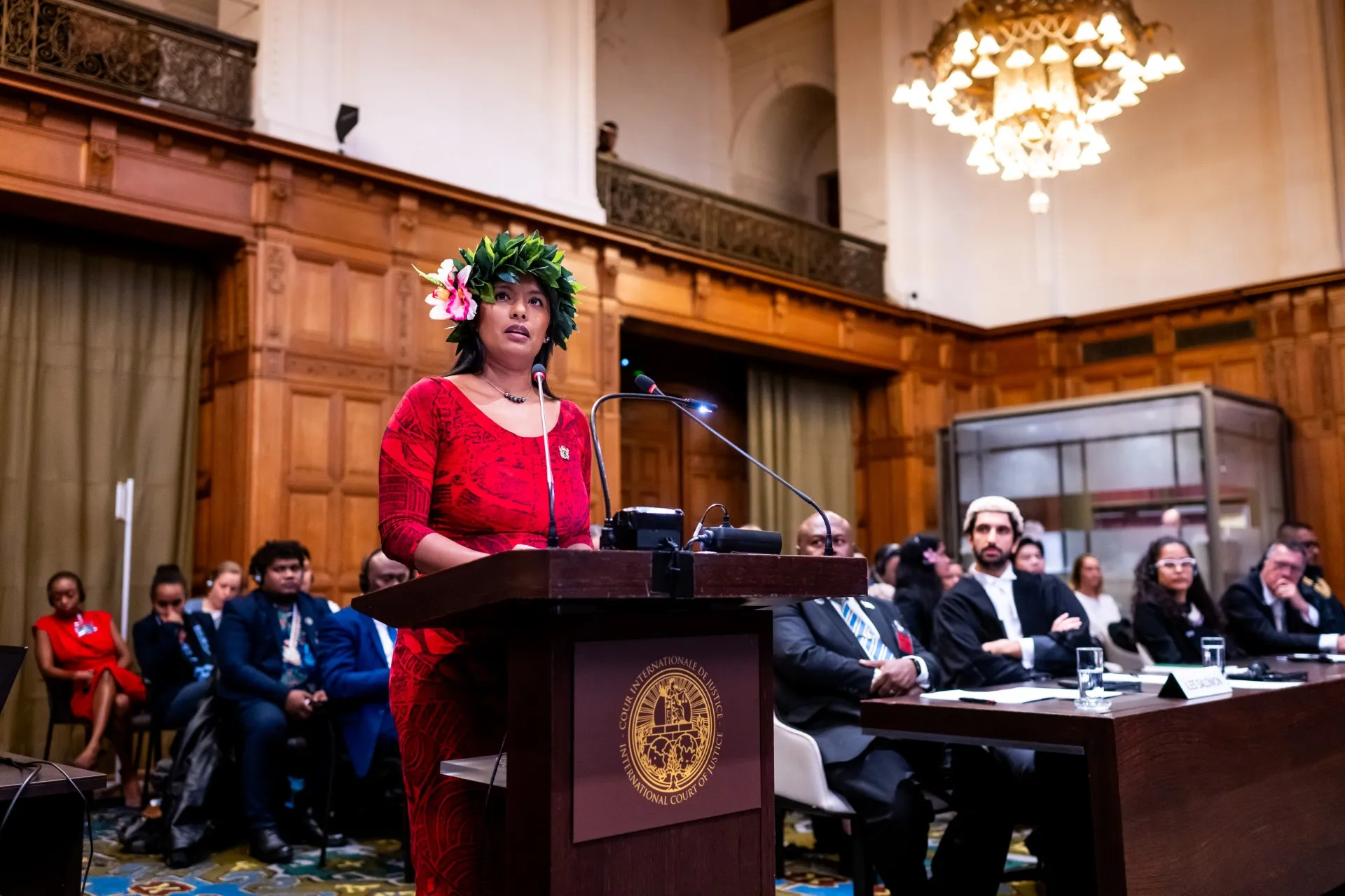
The Pacific experience pushes this further. A campaign initiated by 27 law students became, through partnership with Vanuatu and other Pacific governments, a United Nations General Assembly request for an International Court of Justice advisory opinion on states’ obligations in respect of climate change. The Court delivered its advisory opinion in July 2025, clarifying states’ obligations under international law in relation to climate change and the legal consequences arising from failures to meet them. Youth were therefore not simply consulted: their mobilisation, combined with Pacific political leadership, helped drive an international process that ultimately contributed to greater legal clarity on state responsibility for climate change.
Rights on Paper, Rights in Practice
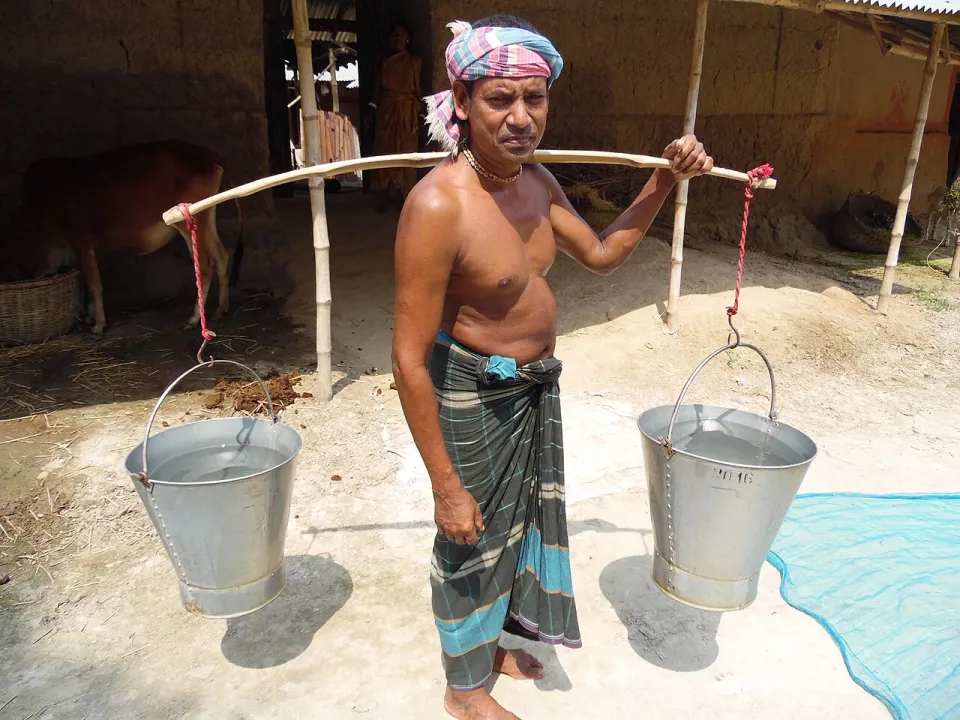
Second, rights on paper matter only if people can use them. This points to a wider implementation challenge: recognizing rights and obligations in law does not by itself ensure that they can be exercised in practice. India’s Supreme Court has recognized a constitutional right to be free from the adverse effects of climate change, while Bangladesh’s High Court has recognized access to adequate, safe and clean water as inherent in the right to life. Yet both studies underline that legal recognition is only a starting point. India’s liberal public-interest standing opens courts to climate claims but does not ensure that affected communities participate in proceedings. In Bangladesh’s drought-affected Barind region, the democratic value of future litigation will depend on whether Indigenous communities, women and young people can bring their knowledge and experience into decisions over water and adaptation.
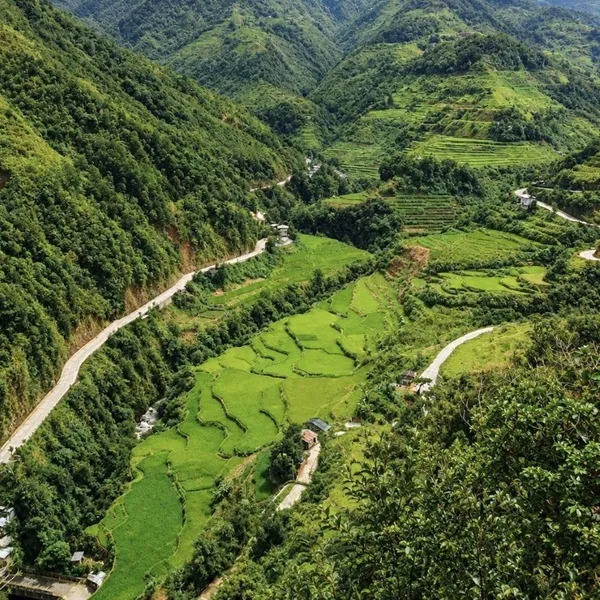
The Philippines makes the same point from another perspective. Constitutional and statutory protection of ancestral domains, customary rights and free, prior and informed consent can provide important foundations for future climate-related claims. But jurisdictional complexity, limited legal representation and weak implementation can make strong rights difficult to exercise.
Accountability Across Institutions and Borders
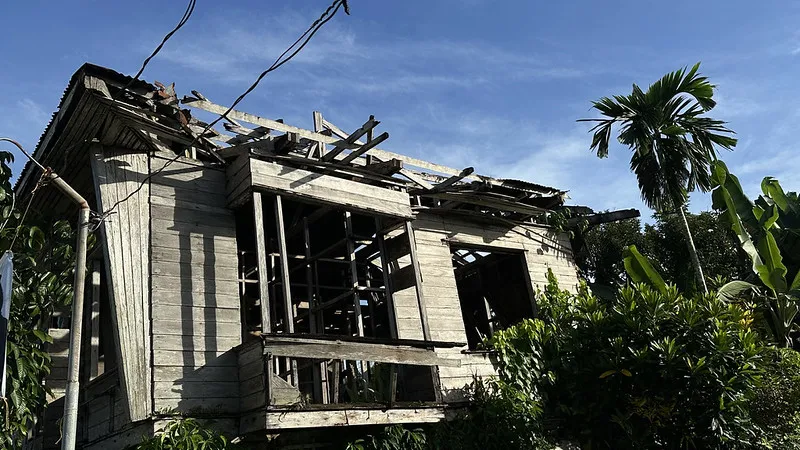
Third, climate litigation is increasingly about accountability across institutions—and borders. Indian courts have used climate-relevant cases to require coordination between ministries, regulators and other public authorities. Transnational claims go further: Indonesian islanders have pursued Holcim in Switzerland, Filipino typhoon survivors have brought proceedings against Shell in the United Kingdom, and Pakistani farmers are seeking compensation from major German emitters. Such cases can open legal pathways where climate harm and responsibility cross borders, although cost, evidentiary burdens and risks to environmental defenders remain substantial.
Courts Matter, But They Are Not Enough
Taken together, the six studies point to a common lesson. Climate litigation can widen democratic space by making excluded harms visible, compelling justification, protecting rights and bringing long-term scientific evidence into public decision-making. Judgments alone, however, do not close the gap between climate commitments and their implementation. Delivering climate justice still depends on legislatures, public administrations, regulators and meaningful public participation. As the Swiss court observed in the Holcim case, court decisions “do not replace democratically legitimized climate protection policy but complement it.”
That distinction matters particularly as governments head into COP31 with growing attention on turning climate commitments into implementation. The implementation of climate commitments is not simply a technical exercise. It is also a democratic one: who has a voice in the decisions that follow, whose rights and interests are protected, who can demand justification from governments and other powerful actors, and what happens when commitments are not delivered? The six cases show that courts can be an important part of that accountability architecture, but not a substitute for it. Effective climate action ultimately depends on the rule of law, accountable institutions and meaningful public participation working together to translate commitments into action.
Read the six case studies here:
Climate Litigation and Democracy in Bangladesh
The Role of Youth in Climate Litigation in the Republic of Korea
Climate Litigation and Democratic Governance in India
Indigenous Peoples, Rights, and Access to Justice in the Philippines
Creating Waves: Pacific Students, Vanuatu, and International Climate Justice
Transnational Climate Litigation
Explore also: International IDEA’s Climate Rulings Implementation Tracker, which follows what happens after major climate rulings, documenting government responses, featuring interviews with people involved, and exploring how these decisions shape democratic accountability and innovation.



About the authors