Women leading the way: preparing for Bhutan’s 2027 local government elections
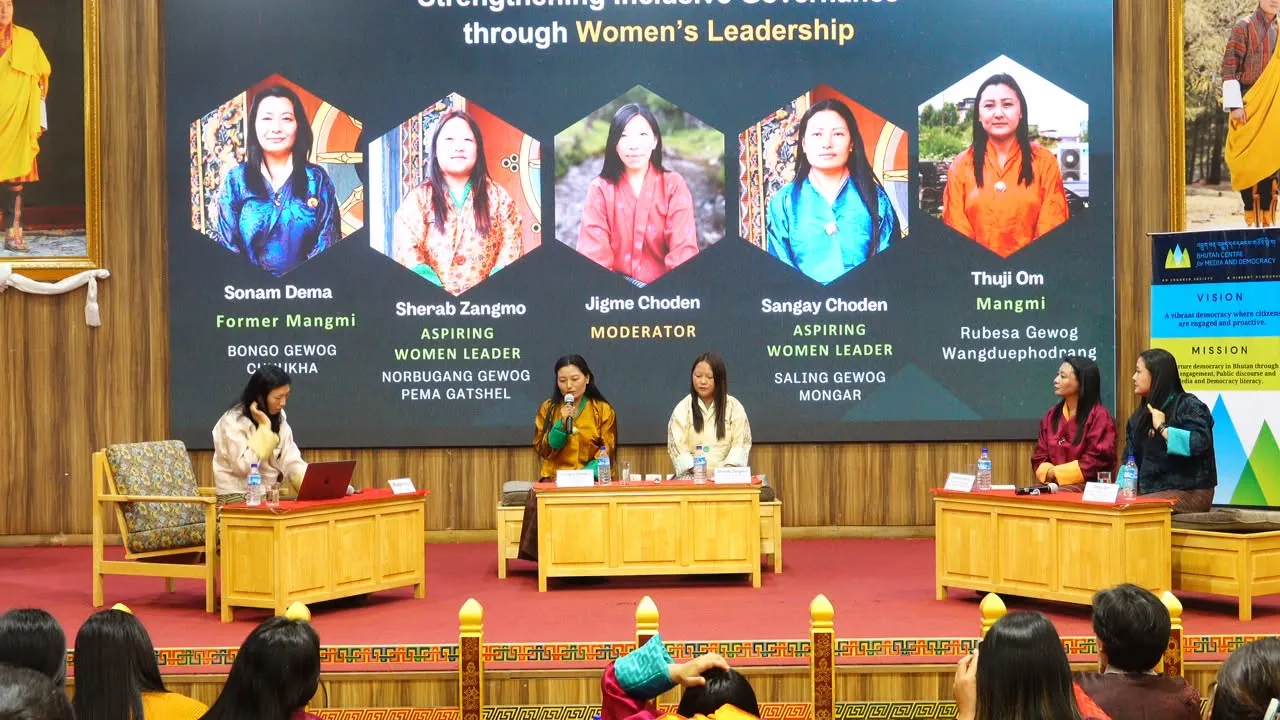
Held to mark the International Day of Democracy, the Bhutan Democracy Forum on Strengthening Inclusive Governance through Women’s Leadership focused not only on encouraging more women to stand for election, but also on addressing the practical and structural conditions that shape their ability to participate and lead.
The forum took place against a backdrop of women’s continued underrepresentation in elected positions. In Bhutan’s 2021 local government elections, women secured only 185 of the 1,437 elected positions. At the national level, women currently hold one of the 20 elected seats in the National Council and two of the 47 seats in the National Assembly. These figures underline the need to look beyond formal opportunities and consider the conditions that affect whether women can enter, remain in and shape political leadership.
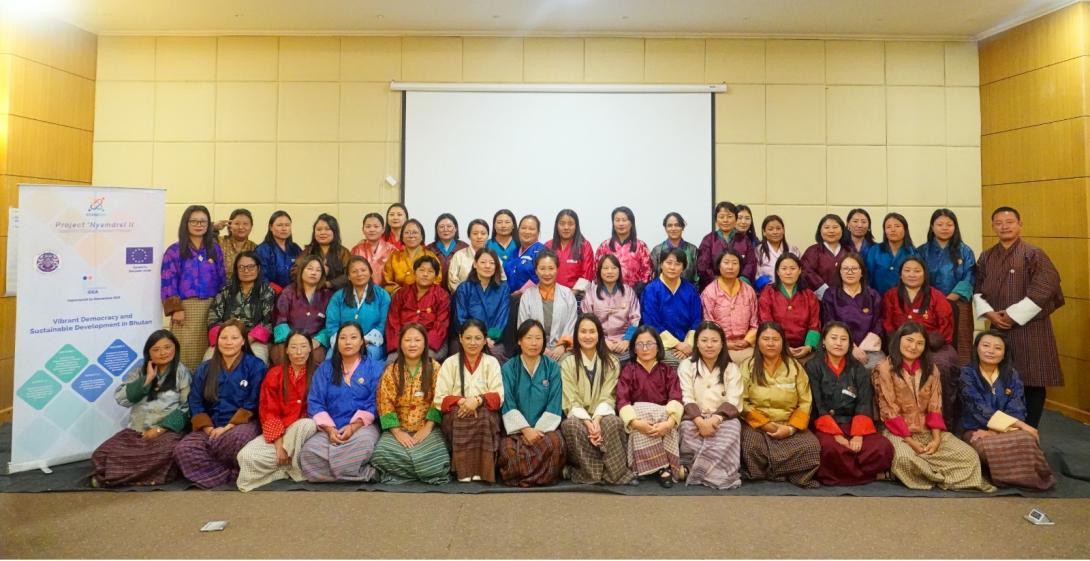
The forum brought together Lyonpo Yeezang De Thapa, Minister of Education and Skills Development, parliamentarians, 47 serving and aspiring women leaders, development partners and civil society organisations. Together, they reflected on women’s role in policy and decision-making as Bhutan prepares for the Fourth Local Government Elections in 2027.
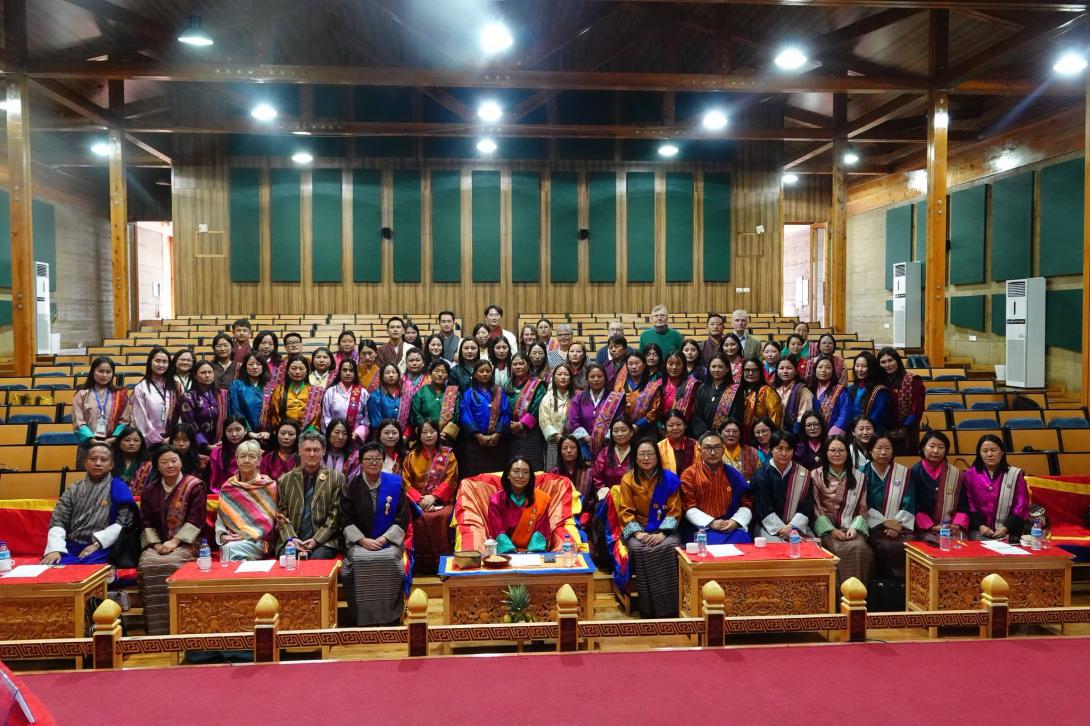
Opening the forum, Lyonpo Yeezang De Thapa, emphasised the need to support women and build their capacity to participate meaningfully in leadership and politics. Drawing from her own journey of taking the opportunity to contest an election, being elected and eventually serving in the cabinet, she noted that “to serve the people, one needs to participate for transformation”. She also highlighted the challenges women face, including societal expectations, limited confidence in women’s leadership, access to campaign financing and logistical constraints, stressing that “women’s participation matters in shaping an inclusive society".
The forum created a space for women to share their experiences, challenges and aspirations for participating in the country’s democratic and decision-making processes. Through three panel discussions, participants reflected on the policy and legal frameworks, structural and financial barriers, and socio-cultural norms that influence women’s participation. Discussions highlighted issues including campaign financing, the Functional Literacy Test (FLT, a literacy and competency test for aspiring local government candidates), childcare and family responsibilities, mobility, and perceptions of women’s leadership.
Aspiring candidates also heard directly from women with experience in local leadership, gaining insight into the realities of contesting and serving in elected office. The discussions helped participants reflect not only on the challenges they may face, but also on the practical support and enabling conditions needed to serve as representatives and voices of their communities.
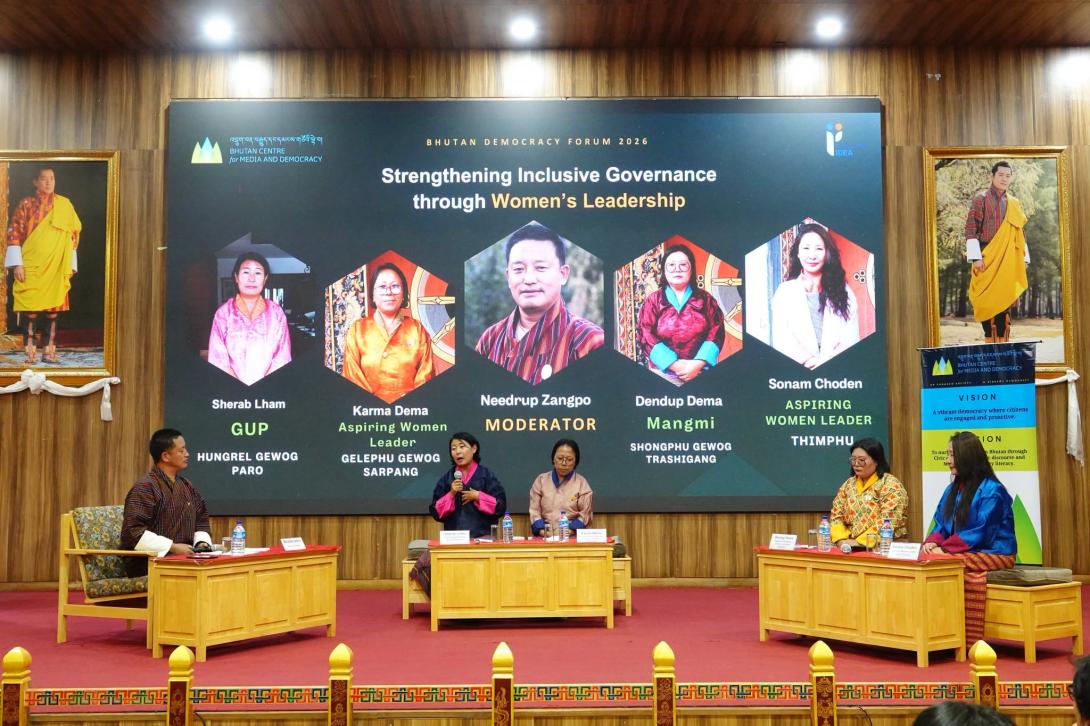
As Bhutan Centre for Media and Democracy Executive Director Tandin Wangmo noted, “equal rights and opportunities on paper do not always lead to equal outcomes in practice.” Women’s ability to participate is also shaped by the environment around them, including access to resources, family responsibilities, social expectations and institutional arrangements.
Women serving in local government illustrated how these barriers operate in practice. Gup Sangay Lhamo of Shaba Gewog questioned whether the Functional Literacy Test should be a prerequisite for local leadership, emphasising that leadership qualities and the ability to serve communities must remain central, while also recognising the value of appropriate training. Highlighting childcare and maternity-related challenges, Gup Dechen Zam of Narang Gewog in Mongar district called for “clearer provisions, childcare facilities and flexible working arrangements to enable women to balance public service and family responsibilities.”
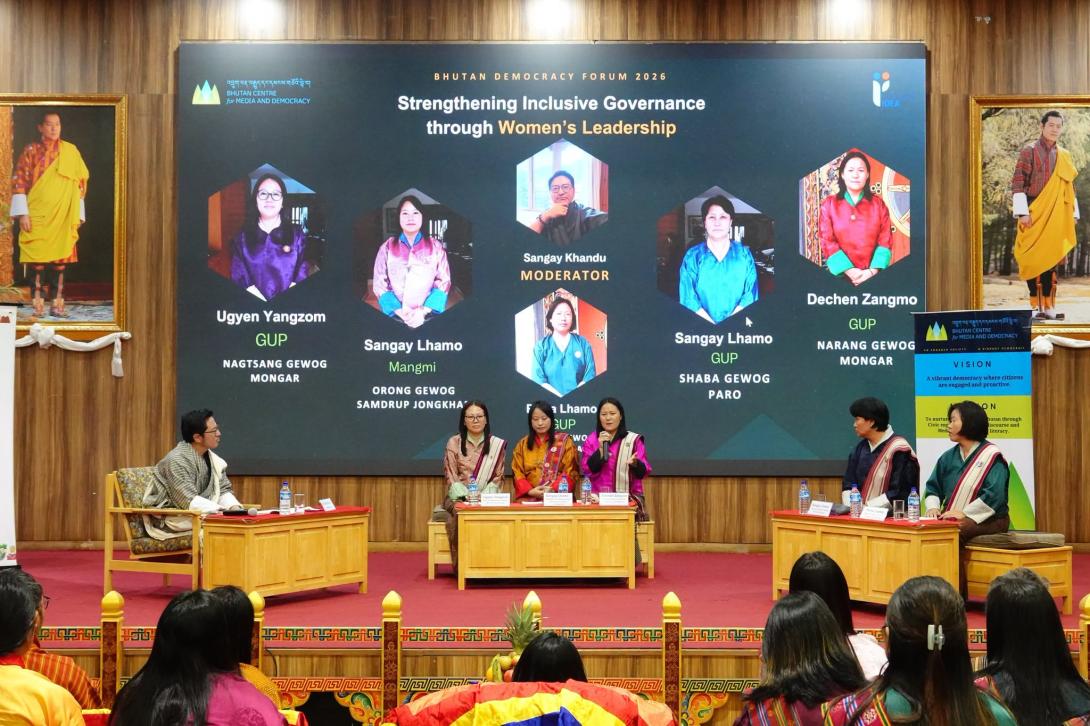
The forum was informed by a recent needs assessment conducted by BCMD, which identified a range of structural, institutional and socio-cultural factors constraining women’s participation and political leadership. The discussions therefore moved beyond identifying barriers towards considering practical actions that can make democratic processes more inclusive and representative.
This focus on practical preparedness was complemented by the Campaign Readiness Workshop held on 14 September, which brought together around 47 current and aspiring women candidates in preparation for the 2027 local government elections. Facilitated by former parliamentarian Nima and journalist Ngedrup Zangpo, the workshop focused on developing clear campaign agendas, identifying community priorities, preparing realistic campaign pledges, constituency mapping, self-assessment and understanding responsibilities under the country’s Local Government Act. Participants discussed issues in their communities ranging from farm roads and human-wildlife conflict to disability support and mental health as priority areas, which needed addressing in their campaigns.
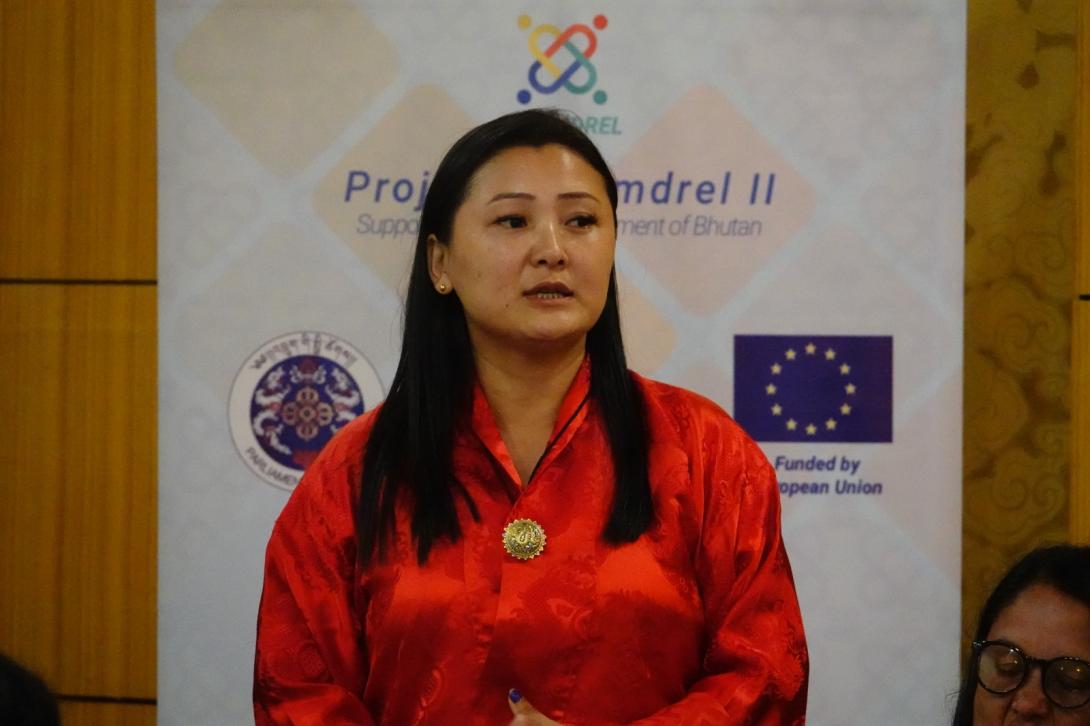
Together, the two events provided both a practical platform for campaign preparedness and a broader space for dialogue on the conditions needed for women’s equitable and meaningful participation in democratic life. They underscored that encouraging women to contest elections is only one part of the process; creating an environment in which women can participate, lead and sustain their engagement is equally important.
International IDEA, through the EU-supported Project ‘Nyamdrel II, collaborated with BCMD to organize the forum, with support from the European Union.


About the authors