Electoral Integrity and Digital Governance in EU Enlargement: insights from the first Brussels' Digital Democracy Series
Elections are increasingly shaped by what happens online. Coordinated disinformation campaigns, political manipulation, foreign information interference, AI-generated political content and misleading narratives about electoral processes are increasingly testing the resilience of democratic institutions and citizens’ ability to make informed electoral choices. Addressing these challenges requires more than national responses: it calls for stronger cooperation, effective regulation and a shared commitment to protecting democratic processes across borders.
For countries aspiring to join the European Union, these challenges raise a broader question about the role of EU enlargement in strengthening democracy before accession. Full alignment with the EU's digital rulebook should not become an obligation only once membership is achieved, but an opportunity to strengthen electoral integrity and democratic resilience throughout the accession process.
Ultimately, this goes beyond the formal alignment of legislation. It also concerns the quality of the digital public sphere in which citizens form opinions, challenge those in power and make electoral choices. Protecting that space, both online and offline, should be an integral part of the EU enlargement process.
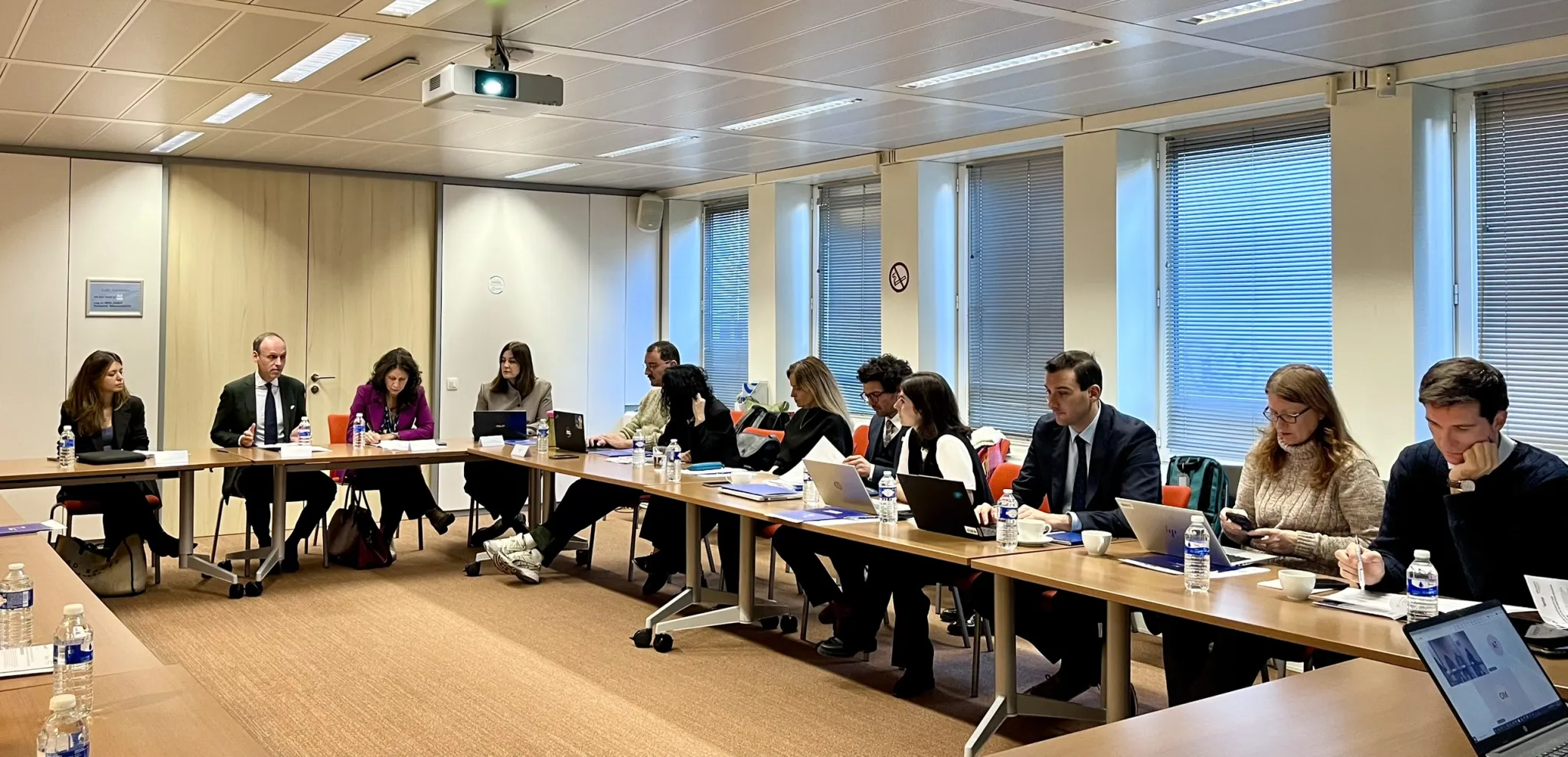
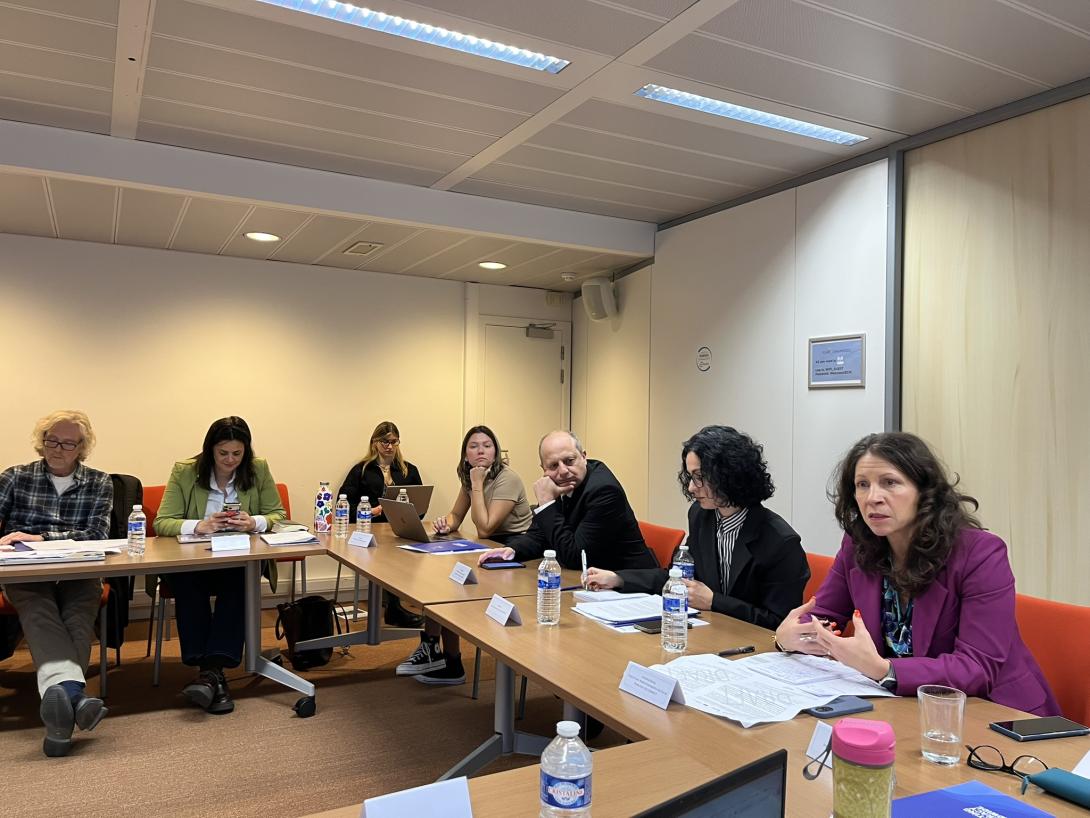
These issues were at the centre of the first Brussels Digital Democracy Series, organised by International IDEA in cooperation with Zašto ne and SHARE Foundation on 5 November 2026, under the title Regional Pathways to EU Integration and Electoral Integrity in the Western Balkans: Insights into the Information Environment Surrounding Elections in Bosnia and Herzegovina and Serbia.
The event brought together EU institutions, election experts and civil society representatives to examine lessons from recent elections in Bosnia and Herzegovina and Serbia and explore how the EU digital rules and initiatives can support democratic resilience across the Western Balkans.

Electoral integrity in the digital age: Lessons from Bosnia and Herzegovina and Serbia
The elections in Bosnia and Herzegovina and Serbia, held on 4 and 25 October respectively, provided timely examples of how vulnerabilities in the digital information environment can affect electoral processes and public trust.
In Bosnia and Herzegovina, election monitoring highlighted coordinated online manipulation, misleading narratives about election technologies and the growing use of AI-generated content. Disinformation surrounding new election technologies raised concerns about how misleading claims can undermine confidence in electoral processes, even when the technologies themselves are intended to strengthen electoral integrity.
The experience also illustrated how existing electoral legislation has struggled to keep pace with developments in digital campaigning. While greater transparency and clearer rules for online platforms could address important gaps, regulation alone cannot resolve all the challenges confronting electoral institutions.
In Serbia, election monitoring identified coordinated online campaigns, threats to independent media, surveillance, manipulation of political content and an increasing use of AI-generated material. These developments also highlighted the difficulties of monitoring and responding to such practices in a rapidly evolving information environment, particularly given limited access to platform data and monitoring tools.
Monitoring of recent elections across the region underscored the need to address domestic and politically driven disinformation and manipulation (DIMI), alongside Foreign Information Manipulation and Interference (FIMI).
Together, these experiences illustrated that digital threats to electoral integrity extend beyond individual elections and national borders. They also underscored the importance of independent monitoring, stronger institutional capacities and cooperation with civil society organisations that document these challenges on the ground.
From EU digital rules to effective implementation and cooperation
The Brussels Digital Democracy Series discussion further explored how the EU's evolving digital regulatory framework and the European Democracy Shield could help enlargement countries strengthen electoral integrity and democratic resilience, even before accession.
The Digital Services Act (DSA), the Regulation on the Transparency and Targeting of Political Advertising, and the AI Act provide important frameworks for addressing online risks, strengthening platform accountability and increasing transparency in political communication. However, aligning national legislation with EU standards is only part of the solution. Effective implementation also requires stronger institutional capacities, cooperation and mechanisms to respond to emerging threats.
Enforcement challenges were highlighted in both EU and non-EU Member States, particularly in candidate countries, where alignment with the EU acquis and its enforcement are taking place outside the EU institutional framework and the mechanisms designed to support enforcement and cross-border cooperation. The discussion also examined the different approaches to regulatory alignment currently pursued by Montenegro and Albania, ranging from a phased approach to the adoption of a framework closely mirroring the DSA. The potential limitations and open questions surrounding these approaches were also explored, particularly in relation to their practical implementation and enforcement.
According to the expert contributions, practical opportunities for enlargement countries to strengthen their preparedness include the DSA Elections Toolkit, trusted flagger mechanisms and capacity-building initiatives. Alongside regulatory measures, non-legislative approaches such as coordinated monitoring, fact-checking, information exchange and cooperation through the European Digital Media Observatory (EDMO) were also highlighted as important steps towards future regulatory alignment.
The European Democracy Shield, including the European Centre for Democratic Resilience, was discussed as an opportunity to deepen cooperation between the EU and enlargement countries in addressing shared threats, particularly foreign information manipulation and interference. Participants stressed the importance of mutual learning, highlighting that accession countries are not only partners in this cooperation effort but also bring valuable experience and insights to the table.

A regional approach: Strengthening institutions and supporting civil society
A recurring message during the expert discussion was the importance of a regional approach. While Western Balkan countries are progressing at different speeds towards EU membership and alignment with European legislation, they face similar democratic challenges, institutional capacity needs and online risks. They also interact with the same major technology platforms from the position of relatively small non-EU digital markets.
Civil society representatives called for clearer EU expectations, measurable benchmarks and sustained support for election watchdogs, fact-checkers and organisations working on information integrity and digital rights. Their expertise and monitoring capacities can contribute to more effective responses, particularly against the backdrop of shrinking civic space and limited access to funding and institutional support across the region.
Media freedom and human rights safeguards were also highlighted as essential considerations in the development and adoption of new legislation, particularly in light of the specific political and institutional context of the Western Balkans.
The discussion underscored that digital governance should not be treated solely as a future accession requirement, but as an opportunity to strengthen electoral integrity and democratic resilience today, through closer European cooperation, stronger domestic institutions and meaningful civil society participation.
Continuing the conversation: International IDEA's Brussels Digital Democracy Series
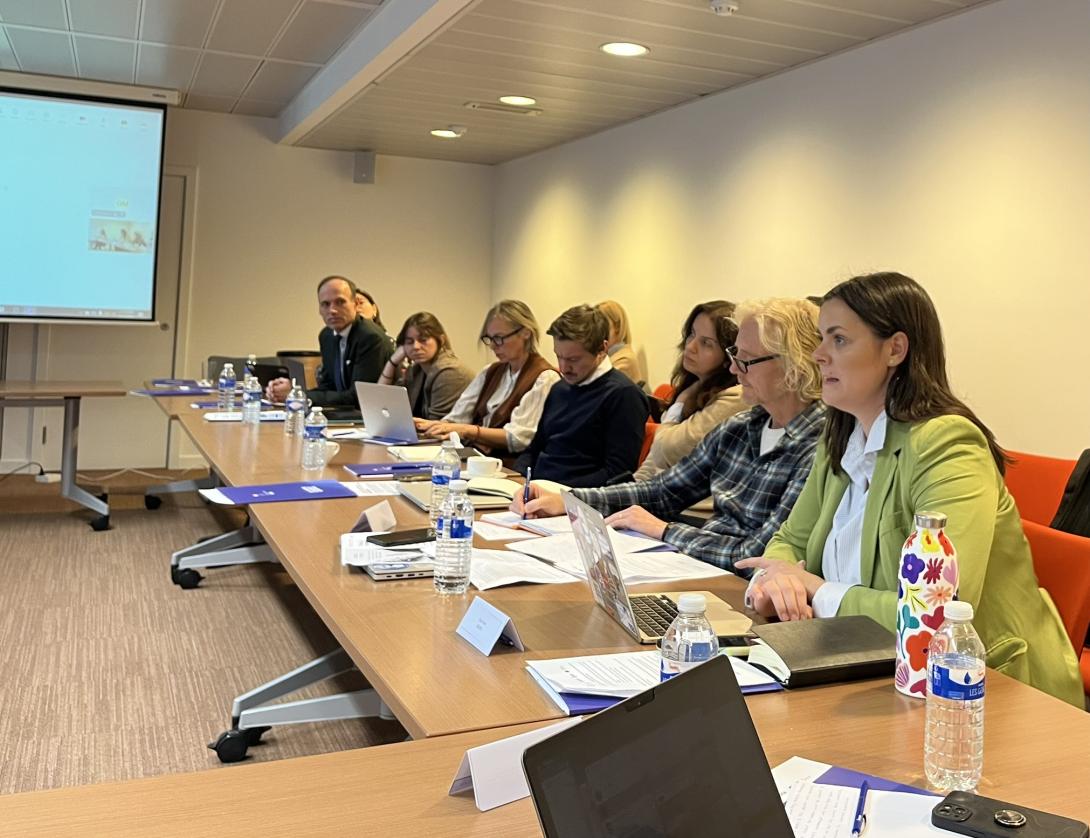
The 5 November event marked the launch of International IDEA's Brussels Digital Democracy Series, an initiative designed to bring perspectives from EU enlargement countries into EU policy debates on digital governance, democratic resilience and electoral integrity.
Through regular expert discussions, the series will continue connecting experiences and evidence from enlargement countries with evolving EU policies, fostering dialogue among European institutions and regional stakeholders, and identifying opportunities for practical cooperation.
The first discussion highlighted a central message: protecting democratic processes in an interconnected digital environment requires cooperation that extends beyond the EU's current borders. For enlargement countries, alignment with the EU's digital rulebook should be seen not merely as a formal requirement of the accession process, but as an opportunity to strengthen institutional capacities, safeguard public debate and foster trust in electoral processes today.
International IDEA's Brussels Digital Democracy Series is one of the ongoing initiatives delivered through the Closing the Digital Gap on Elections in EU Enlargement project, supported by Stiftung Mercator.


About the authors