From simulation to dialogue: bringing evidence into Indonesia’s electoral reform discussion
As Indonesia looks ahead to the 2029 elections, attention is turning to how the electoral system can better support representation, accountability and a stronger connection between voters and those elected to represent them. Indonesia’s electoral democracy has made significant progress over the past two decades, yet discussion continues over whether the current legislative electoral system can deliver both proportional outcomes and closer voter-representative links. In this context, a mixed form of electoral system has emerged as a reform option worth examining in greater detail.
|
Mixed Electoral Systems at a Glance Mixed systems are designed to combine local representation with distribution of winning seats based on vote share. Voters typically cast two votes: one for a local representative and one for a political party. The party vote determines the overall share of seats each party receives, while the district vote maintains a direct link between communities and elected representatives. The main difference between MMP and Parallel is that the former tends to render results that are more proportional to vote share. |
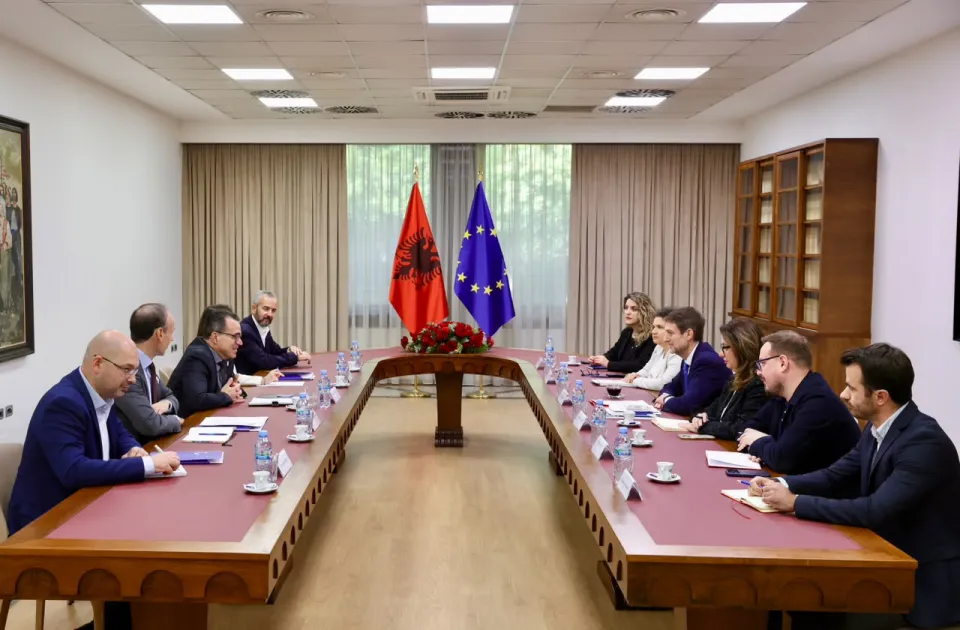
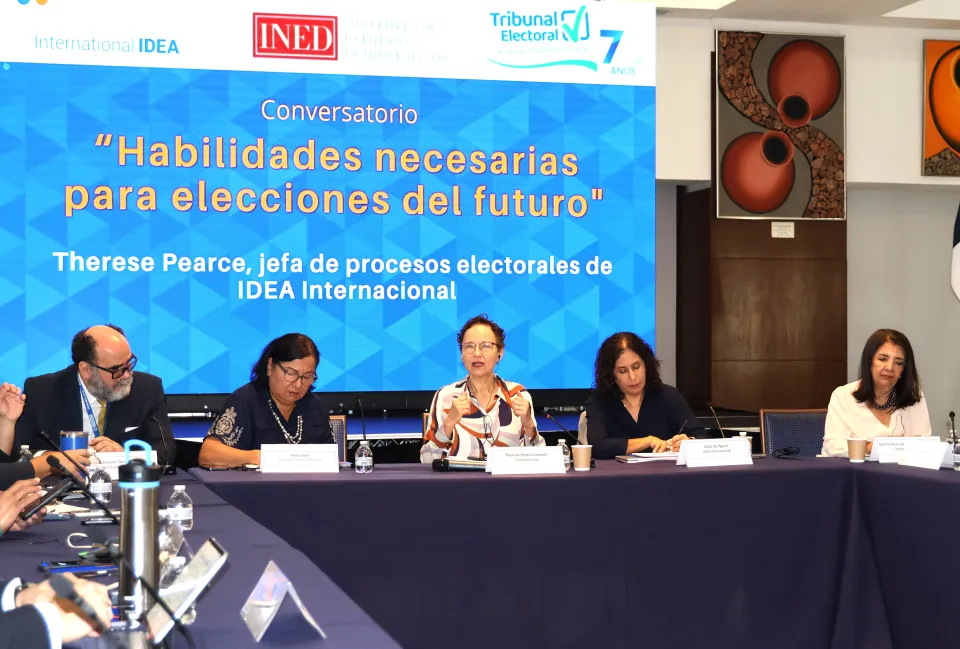
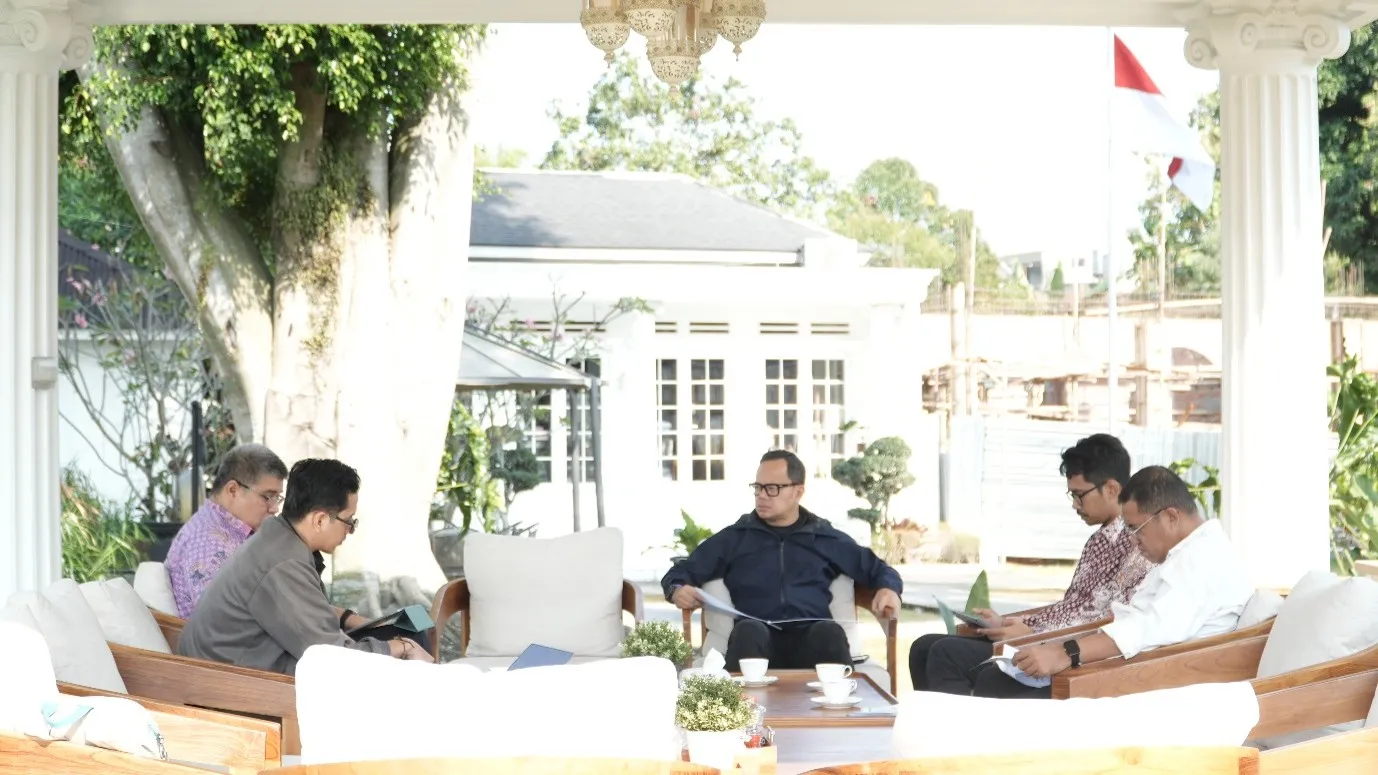
To move the discussion from theory to evidence, International IDEA, in collaboration with Perludem, conducted a simulation of how two types of mixed systems, the Mixed Member Proportional (MMP) and Parallel, could operate in Indonesia. The simulation explored what the systems could mean in practice, including district design, seat allocation, party competition, representation, and most prominently, proportionality of the results. Subsequently, over three days, from 22 to 24 July, political parties, media actors, civil society representatives and policymakers engaged with the findings and considered what those mixed systems could mean for Indonesia’s electoral reform context.
Adhy Aman, Senior Programme Manager at International IDEA, underscored that the simulation was not intended to promote a single reform model, but to provide evidence, data and options that participants could test against Indonesia’s political and electoral realities. As he noted,
Electoral system design always involves choices and trade-offs; the question is not only which model looks best, but which design best fits the country’s political realities.
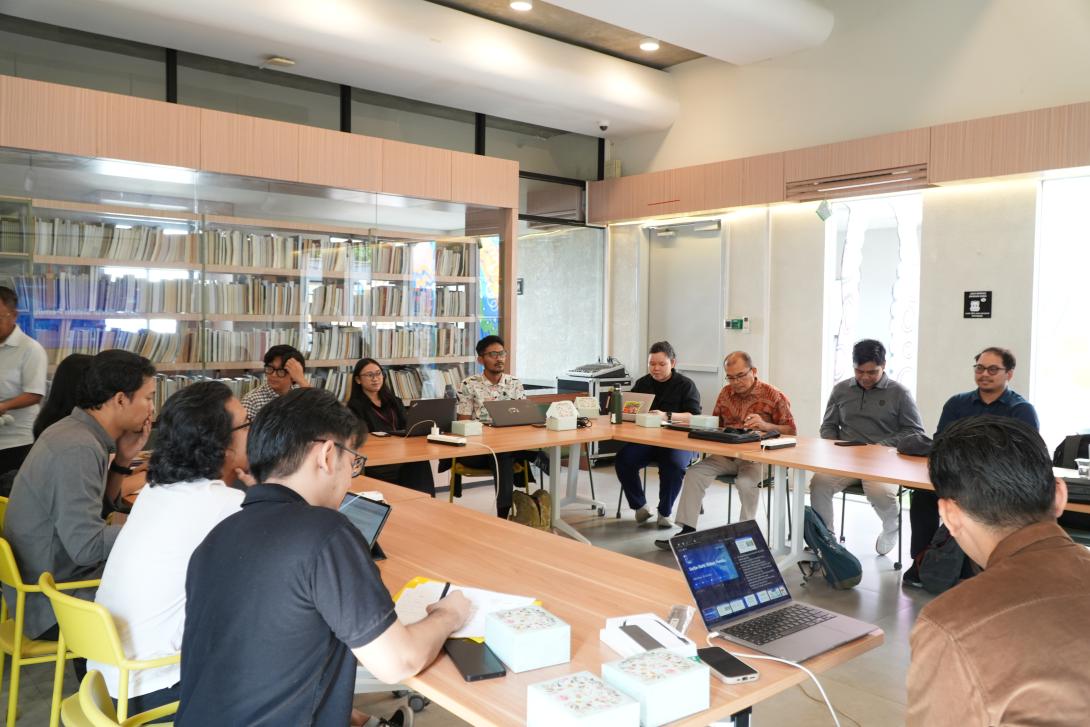
Held as a series of separate discussions over three days, different perspectives were brought in at each stage. Political parties addressed the political and practical implications of MMP and Parallel electoral systems, while civil society and media actors considered how the models could be communicated more clearly to the public. Policymakers connected the discussion to reform priorities and the policy questions that would shape any further consideration of a new system. The Vice Minister expressed his gratitude for the simulation, noting that his Ministry is currently studying various electoral system change options. Considering the high level of difficulty involved in simulating mixed electoral systems, the Vice Minister highly appreciated the effort and requested that the findings be presented to the relevant unit within the Ministry.
Questions raised during the dialogue included how parliamentary thresholds would apply, how electoral districts should be drawn, what to do about possible “overhang” seats (under MMP), and what safeguards would be needed to manage uneven effects across different parties.
Across the three days, the conversations moved between political reality and electoral design. Participants examined how party incentives, coalition dynamics, parliamentary thresholds and the timeline toward the 2029 elections interact with technical choices such as district magnitude, seat allocation and the level at which party lists would be applied. This kept the discussion practical, moving beyond whether MMP or Parallel could work in Indonesia to what would need to be addressed before it could be taken further.
Delimitation of electoral district boundaries was a central part of that conversation considering Indonesia has never had single-member districts before. Participants considered how districts could be drawn, what criteria should guide their design beyond population size, and how district magnitude could support fairness, accountability and meaningful representation. These choices shape how votes translate into seats, how parties compete and how citizens see themselves reflected in parliament. International IDEA partner, the Association for Elections and Democracy (Perludem) demonstrated how district boundaries can be drawn using the Electoral Redistricting App (ERA).
The discussions also showed that electoral reform needs clear public communication. Either system can only be meaningfully debated if its mechanics and implications are explained in accessible terms, including how it differs from comparable electoral systems and how it connects to wider democratic priorities. Participants linked the discussion to challenges such as money politics, internal party democracy, party choice and opportunities for new or local parties, reinforcing that electoral system design is part of a broader reform conversation.
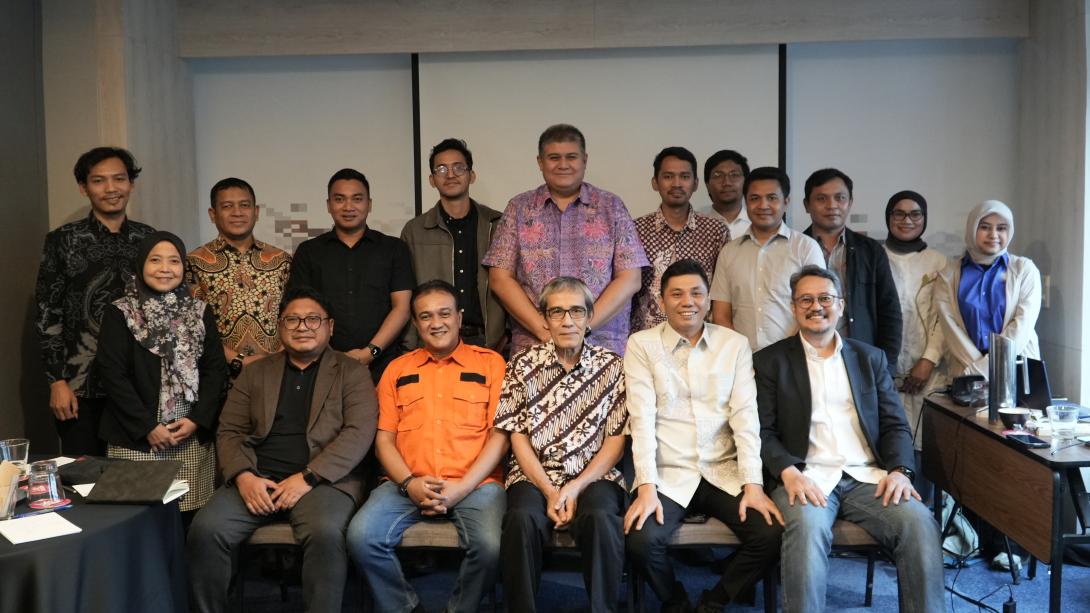
The value of the dialogues was not only in explaining mixed systems, but in testing what they could mean in practice. Electoral reform requires political understanding, public trust and careful communication. By creating space for relevant actors to engage with the simulation findings, the series helped shift the conversation from abstract reform proposals to practical questions about design, feasibility and democratic impact. As Heroik Pratama, Executive Director of Perludem, iterated,
The simulations provide concrete understanding of possible consequences using results from the 2024 General Elections even though they by no means indicate what results the next general elections will bring.
Several participants also stressed that the value of the exercise would depend on how the findings are carried forward. As one participant observed,
This discussion should not end with this forum; the study can serve as valuable material for parliamentary parties as electoral reform discussions continue.
Sustaining this exchange will matter as the discussion develops. Comparative experience can help illuminate the choices and trade-offs involved in electoral system design, while a neutral space for dialogue can support continued engagement across political parties, government institutions, civil society and media. In a conversation about reform where technical choices can have real political consequences, that kind of careful conversation is essential.


About the authors