Migration and elections: Democracy in motion
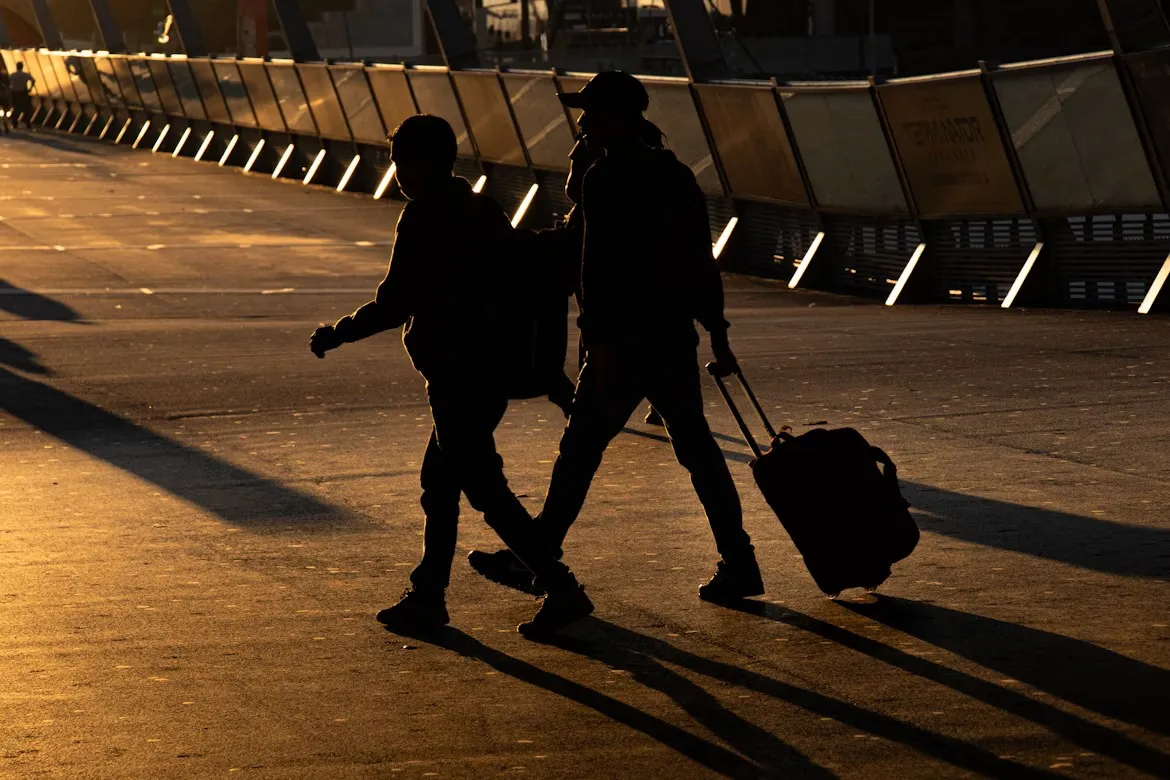
Yet for millions, that connection has been severed as human mobility reshapes democracy itself. Around 304 million people now live outside their country of origin, while countless others are displaced within their borders. For many, distance becomes absence, as the simple act of moving silences their political voice.
At International IDEA, we believe that no one should have to choose between the right to move and the right to vote. Yet for many, mobility still comes at the cost of political voice. Crossing a border, or even a district line, can mean losing the ability to participate in the decisions that shape one’s life.
The right to take part in public life should travel with people wherever they go. Migration and democracy are no longer separate or contrasting conversations, they are one. Our Migration and Elections initiative places the political inclusion of migrants at the heart of our research, policy, technical assistance and commitment to advance inclusive democracy worldwide.
Migration and democracy: the unfinished promise
Democracy rests on the conviction that those who are governed must have a say in the decisions that shape their lives. Yet millions of migrants, refugees, displaced persons, and citizens living temporarily or irregularly abroad are unable to vote, excluded from elections in both their country of origin and residence. This “dual disenfranchisement” weakens legitimacy and undermines the equality and universality of suffrage.
As outlined in our Global State of Democracy 2025 Report, how democracies treat their absent citizens is a measure of their adaptability and resilience. Migration tests whether political rights are truly equal or universal, or conditional upon staying home.
Building knowledge for reform
Over the past few years, International IDEA has become a leading voice on migration and political participation. Our work bridges global analysis and local practice, providing clear answers to complex questions:
· How do you design a secure out-of-country voting system? Our handbook, Voting from Abroad: The International IDEA Handbook, provides the global standard.
· How can displaced populations and seasonal workers be meaningfully included in electoral processes? The Special Voting Arrangements (SVAs): The International IDEA Handbook, offers practical models for participation within national borders.
· What political rights do refugees hold, and how can these be realised in practice? Our report on the Political Participation of Refugees: Bridging Gaps dresses key gaps between policy and implementation.
· How can practitioners and policymakers access comparative knowledge and good practices on special voting arrangements? The ACE Electoral Knowledge Network: Special Voting Arrangements Portal provides a global repository of case studies and guidance.
Together, these resources translate complex design and integrity questions into practical options for inclusion.
The Absent Voters series
Our Absent Voters series provides the first systematic mapping of how migration reshapes democracy:
· The regional synthesis report, The Absent Voters of South Asia: Challenges and Prospects for the Enfranchisement of Migrants (2025), examines the persistent electoral disenfranchisement of South Asia’s mobile populations and its implications for democratic inclusion, legitimacy, and representation in the region.
· Further, 8 country case studies, covering Afghanistan, Bangladesh, Bhutan, India, Maldives, Nepal, Pakistan and Sri Lanka, document how millions of South Asian migrants remain excluded from elections due to restrictive laws, logistical hurdles, financial constraints, and limited political will.
· The Absent Voters of the Pacific Islands: Challenges and Prospects for the Enfranchisement of Migrants (forthcoming) explores how small island states confront unique challenges of geography, capacity, and scale in ensuring migrant participation.
Drawing on extensive fieldwork and comparative evidence, the regional reports, The Absent Voters of South Asia and The Absent Voters of the Pacific Islands, anchor International IDEA’s policy guidance in practice and regional dialogue.
Innovation and integrity: digital enfranchisement
Technology is changing how citizens connect to democracy. The Philippines’ 2025 midterm elections, analysed in International IDEA’s Philippine Online Overseas Voting paper, marked the first use of an online voting and counting system to enfranchise overseas Filipinos.
The results offer both promise and caution. Digital voting can expand access, but only within clear legal authority, strong cybersecurity, and public trust. As described in Calling in to Vote, International IDEA’s study on telephone voting as developed by the Australian Electoral Commission, innovation and convenience must enhance, not erode, trust. Ease of access is valuable only when it reinforces transparency or accountability.
Dialogue and peer exchange
In 2024–25, IDEA facilitated peer-to-peer exchanges for Ukraine’s Central Election Commission with Italy, Moldova, Romania and Spain, allowing practitioners to learn directly from functioning out-of-country voting systems.
We also support parliaments and electoral reform committees where external voting remains debated – like in Bangladesh, Sri Lanka and Nepal - ensuring that reforms are locally grounded yet informed by comparative lessons.
A global debate taking shape
Public debate around migrant enfranchisement is gaining strength. In The Kathmandu Post, experts argue that “the time has come to secure the right to vote for Nepalis abroad.” Likewise, The Daily Star explores whether proxy or postal voting could bridge the gap for Bangladeshis overseas.
Across South Asia, these conversations reflect a growing recognition that the right to vote should no longer stop at the border or be left at the airport gate.
The International IDEA article, Democracy on the Move in Asia-Pacific: Voting Rights Versus Mobility, further highlights how migration is redefining citizenship and participation across the region.
Looking ahead: A democracy that travels with its people
On this International Migration Day, IDEA reaffirms its commitment to advancing inclusive democracies in motion.
International IDEA is also exploring how its work on migration and elections can inform existing training curricula, helping practitioners and policymakers build the knowledge and skills needed to design inclusive and credible systems that reflect the realities of mobility, and continue to advocate and support absentee voting modalities on the ground.
Voting is a portable, unalienable right. Extending participation to citizens on the move is not simply an administrative reform but part of safeguarding the representativeness and inclusiveness of democracy in an era increasingly defined by mobility.
For International IDEA, ensuring that absent voters can participate in public life is essential to democratic completeness. It reflects confidence in institutions capable of adapting to social and demographic change while maintaining integrity, equality and accountability.
Democracies that recognise voting as a right that accompanies their citizens strengthen both their legitimacy and their resilience.


About the authors