International IDEA supports efforts to strengthen electoral preparedness in The Gambia
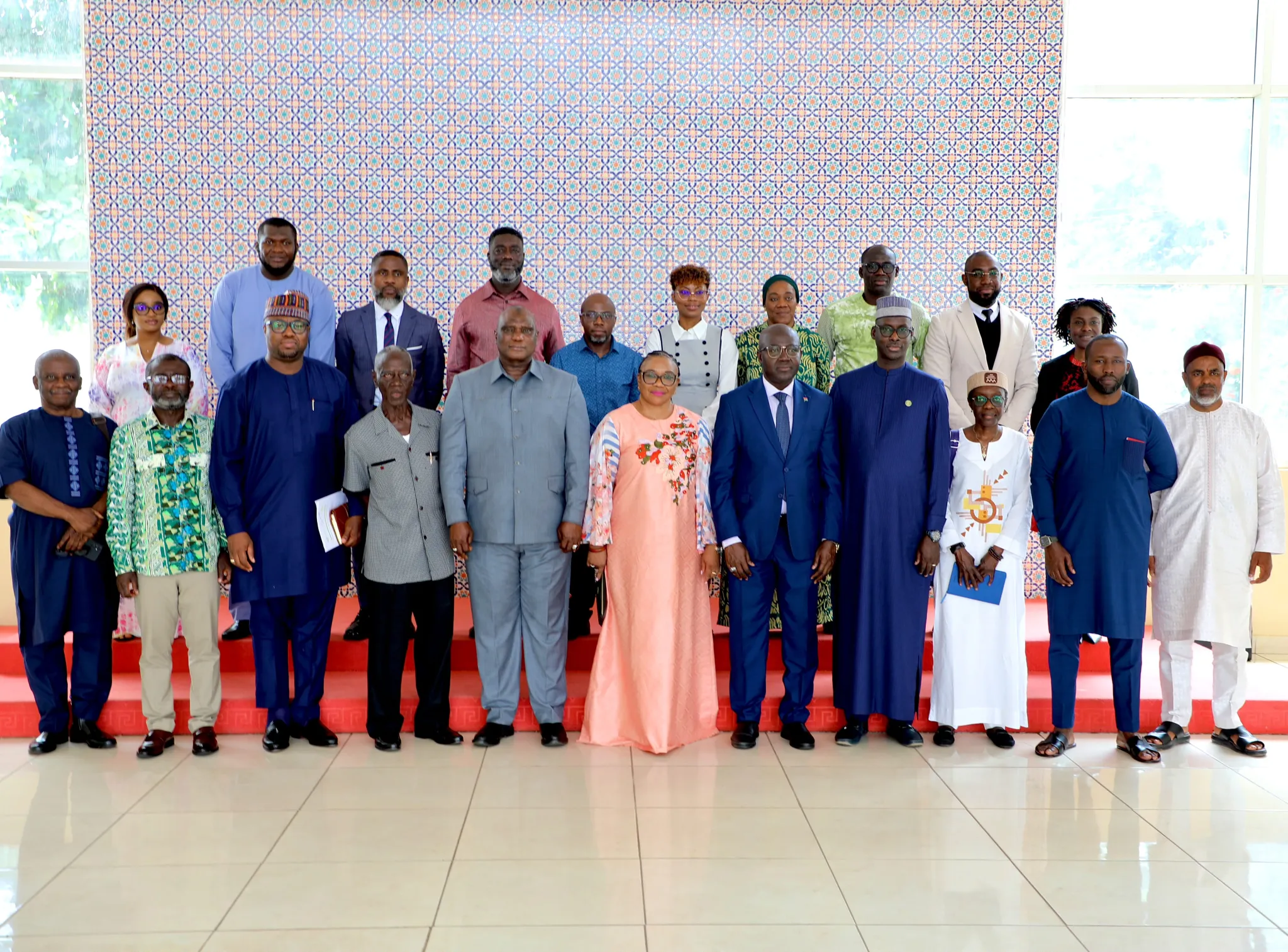
A Joint pre-electoral fact-finding mission to The Gambia, was deployed from 14 to 20 June 2026. The mission, that was jointly deployed by the Economic Community of West African States (ECOWAS), the African Union (AU) and the United Nations Office for West Africa and the Sahel (UNOWAS), sort to assess the country's preparedness for the 2026 presidential election and identified priorities for sustaining peaceful, credible and inclusive electoral processes. International IDEA alongside EISA supported the mission through the European Union-funded Strengthening Pan-African Capacities for Electoral Observation and Assistance (SPEC) Project.
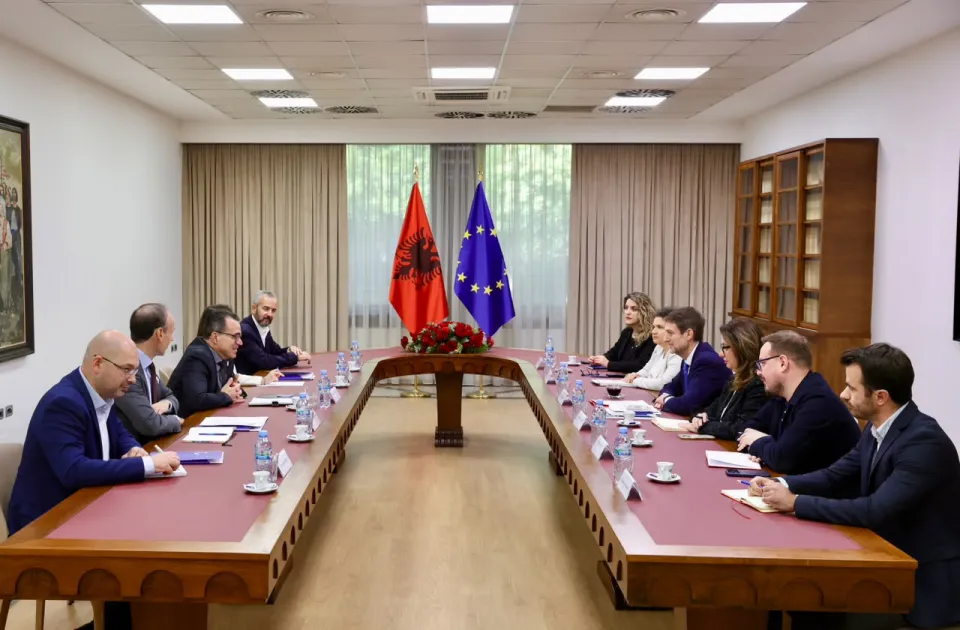
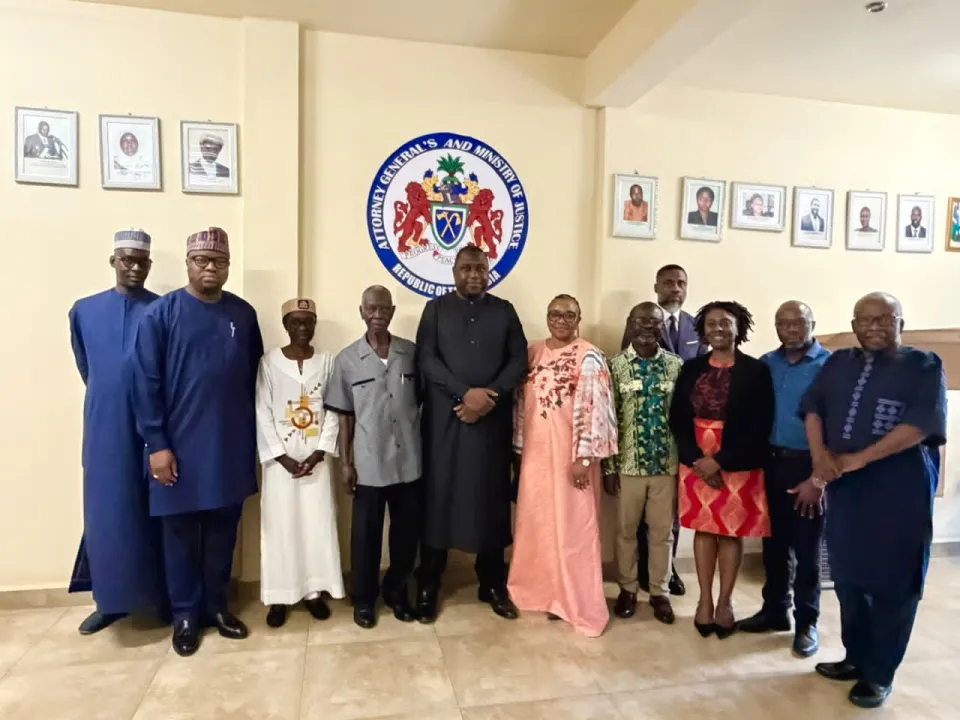
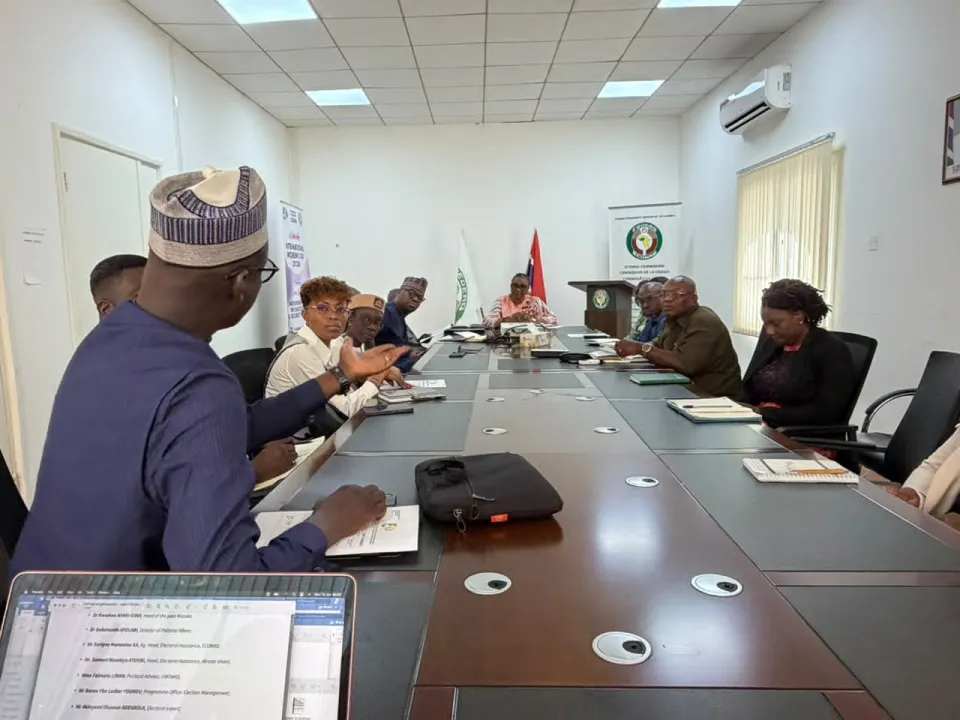
The joint Mission was led by Dr. Kwadwo Afari-Gyan, former Chairperson of the Ghanaian Electoral Commission. During its deployment, the delegation consulted with key actors in the country, including the office of the ECOWAS Ambassador to the The Gambia, the Independent Electoral Commission (IEC), the Minister of Justice and Attorney General, the Office of National Security, the UNDP, EU Exploratory mission to The Gambia, political parties, civil society organisations, the diplomatic community and other electoral stakeholders. The consultations focused on the political, legal, security and operational environment ahead of the elections.
International IDEA was represented on the delegation by Olufunto Akinduro, Senior Advisor for the Africa Regional Programme who contributed to the mission’s assessment, analysis and dialogue on measures to strengthen electoral integrity and conflict prevention. The Institute's engagement in this mission is within the framework of the SPEC Project's broader objective of reinforcing the AU and REC’s capacity to respond to demand-driven technical assistance and to prevent electoral conflict and support democratic governance.
The mission acknowledged the IEC's overall technical preparedness to administer the elections using the country's established voting system. It also welcomed progress in establishing legal and gender units within the Commission, a recommendation that regional and international election observation missions have consistently advanced over the past decade.
At the same time, the mission identified several areas requiring continued attention. Discussions highlighted the need for sustained preventive diplomacy in light of political developments surrounding the upcoming election, especially, political controversies around the legal framework that does not provide for presidential term limits. Stakeholders who were consulted also raised concerns about public perceptions of the biometric voter registration process, underscoring the importance of timely and transparent communication by electoral authorities.
The delegation further noted the growing impact of misinformation, hate speech and false narratives on the electoral environment. It recommended strengthening strategic communication and civic engagement to improve public confidence and reduce the risk of election-related tensions. Stakeholders also emphasised the importance of rights-based approaches to election security and the need to strengthen the participation and representation of women, youth and persons with disabilities in political processes.
The mission underscored the broader significance of the 2026 presidential election as a critical milestone in The Gambia's democratic consolidation nearly a decade after the 2016 political transition. While stakeholders expressed strong confidence in the Independence and impartiality of the Independent Electoral Commission (IEC), the mission noted the importance of sustaining this confidence through continued institutional reforms and transparent engagement with electoral stakeholders.
Additionally, the mission encouraged strengthened coordination among state institutions to address misinformation, hate speech and election-related violence through a comprehensive whole-of-government approach. The mission also welcomed the IEC's efforts to modernise election administration through the introduction of GIS mapping and digital results management systems, while underscoring the need for adequate financial and technical support to ensure their successful implementation.
Building on the mission's findings, International IDEA, will work with the AU and ECOWAS to respond to specific technical assistance requests in the country ahead of the December elections. IDEA will also continue to support regional preventive diplomacy initiatives where appropriate.
The Mission created an opportunity to deepen its country-level work in The Gambia that has been on since the 2016 transition. Furthermore, the mission provided an opportunity to support the AU’s harmonisation of electoral efforts with RECs, in this case, ECOWAS. Through the SPEC Project, International IDEA continues to work with regional organisations and national stakeholders to strengthen democratic institutions, enhance electoral preparedness and contribute to peaceful and credible elections across Africa.


About the authors