International IDEA participates in the international guests’ program for Brazil’s 2026 general elections
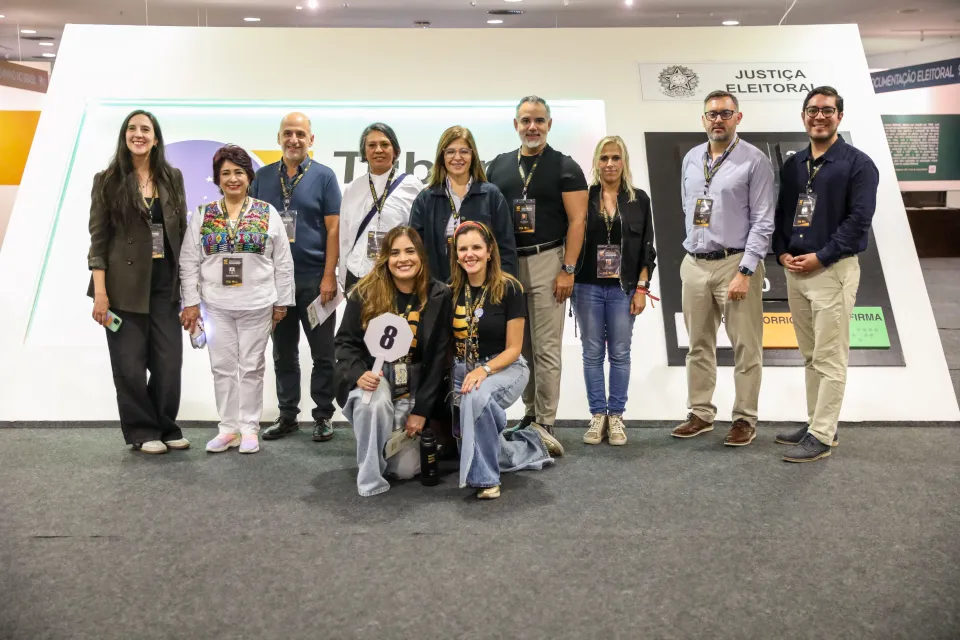
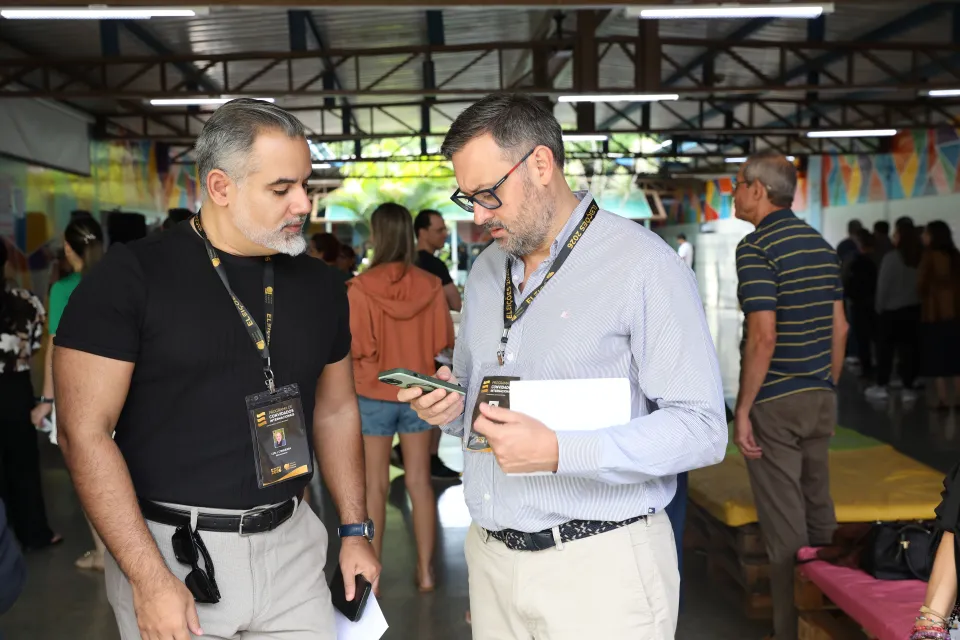
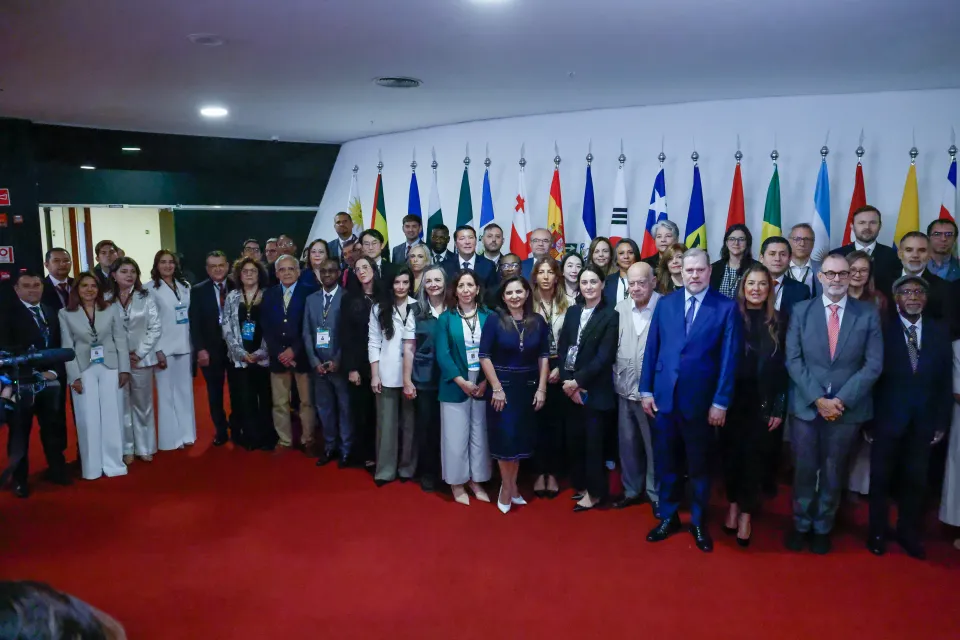
Held in Brasília from October 1 to 5, the program provided international representatives with a comprehensive overview of the Brazilian electoral process. The agenda covered the institutional framework of the elections, electoral technology and the electronic voting system, inclusion, and accessibility, voting from abroad, logistics and security, voter registration, disinformation, artificial intelligence, and women's political participation.
The program also hosted international election observation missions from the Organization of American States (OAS), the Mercosur Parliament (PARLASUR), the Inter-American Union of Electoral Bodies (UNIORE), the Network of Jurisdictional and Electoral Administration Bodies of the Community of Portuguese-Speaking Countries (ROJAE-CPLP), the League of Arab States, and The Carter Center. Their presence allowed for independent observation of various stages of the election and reinforced the transparency, auditing, and public trust measures promoted by the Brazilian electoral authorities.
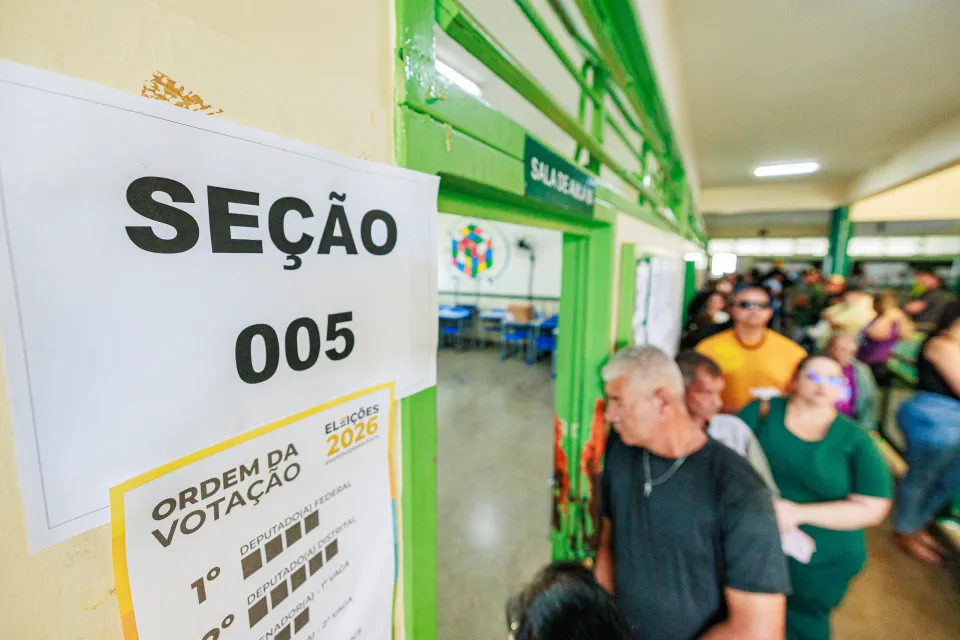
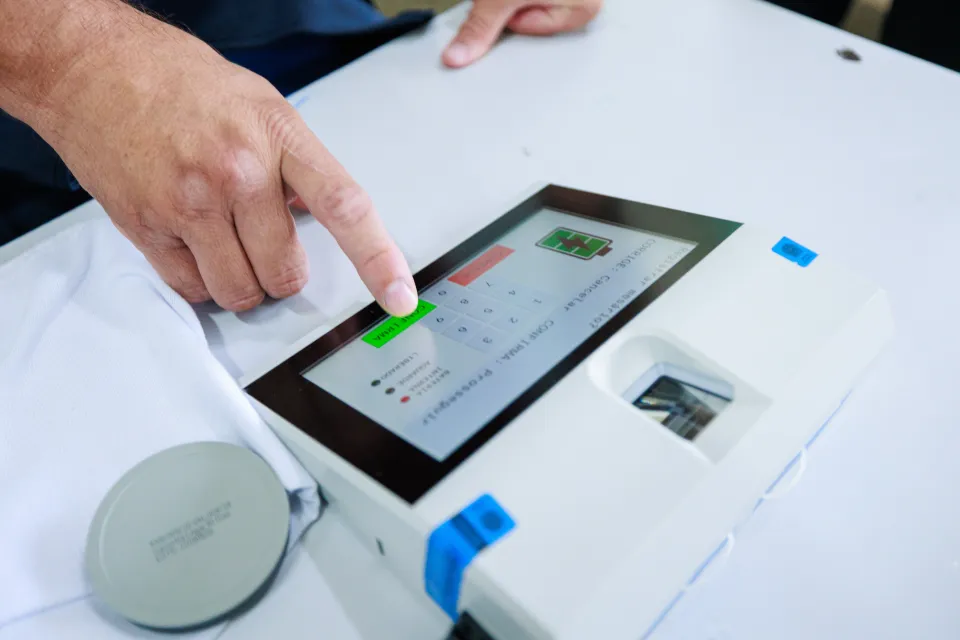
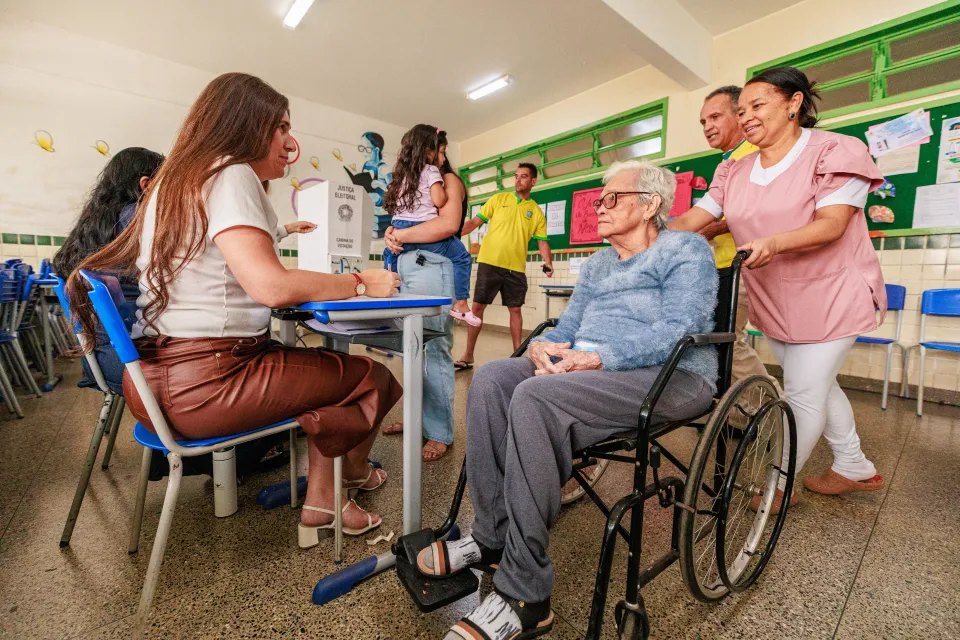
On election day, the delegation observed the printing of the "zero report" and the start of voting; visited polling stations; watched the integrity test; and monitored the printing of ballot records, the transmission of results, and the vote tallying at the TSE. The experience confirmed that public trust in electronic voting depends not only on technology but also on the system being verifiable through open checks, independent audits, and procedures that are understandable to political parties, oversight bodies, observers, and the general public.
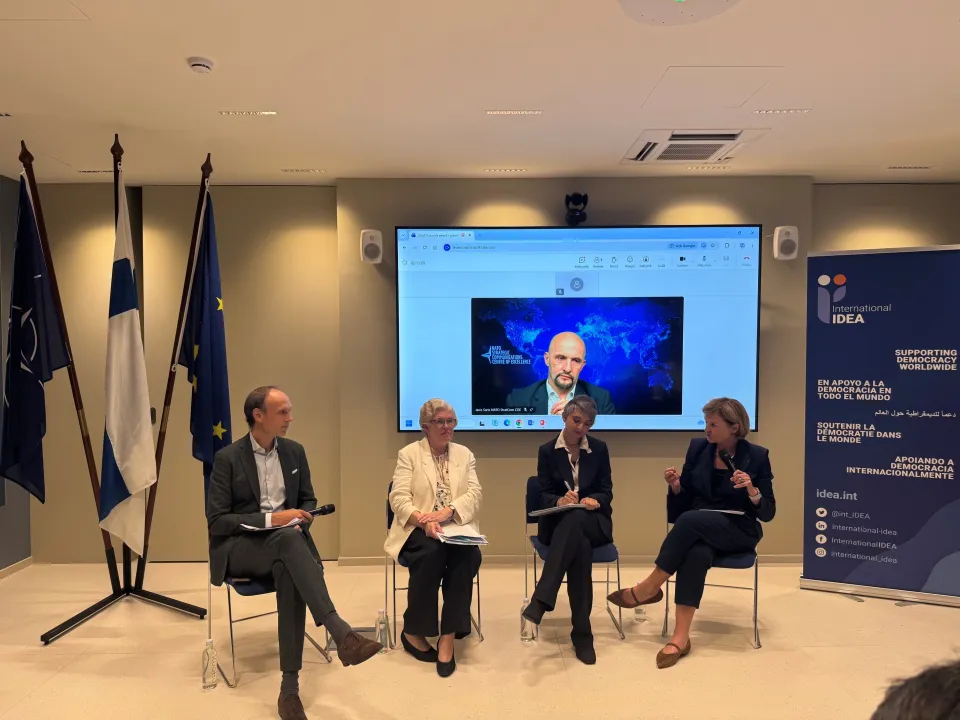
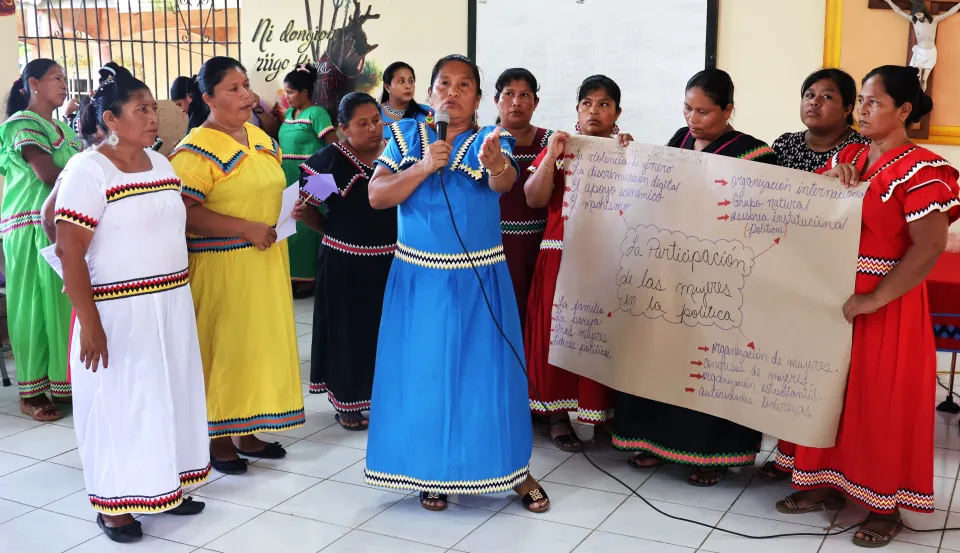
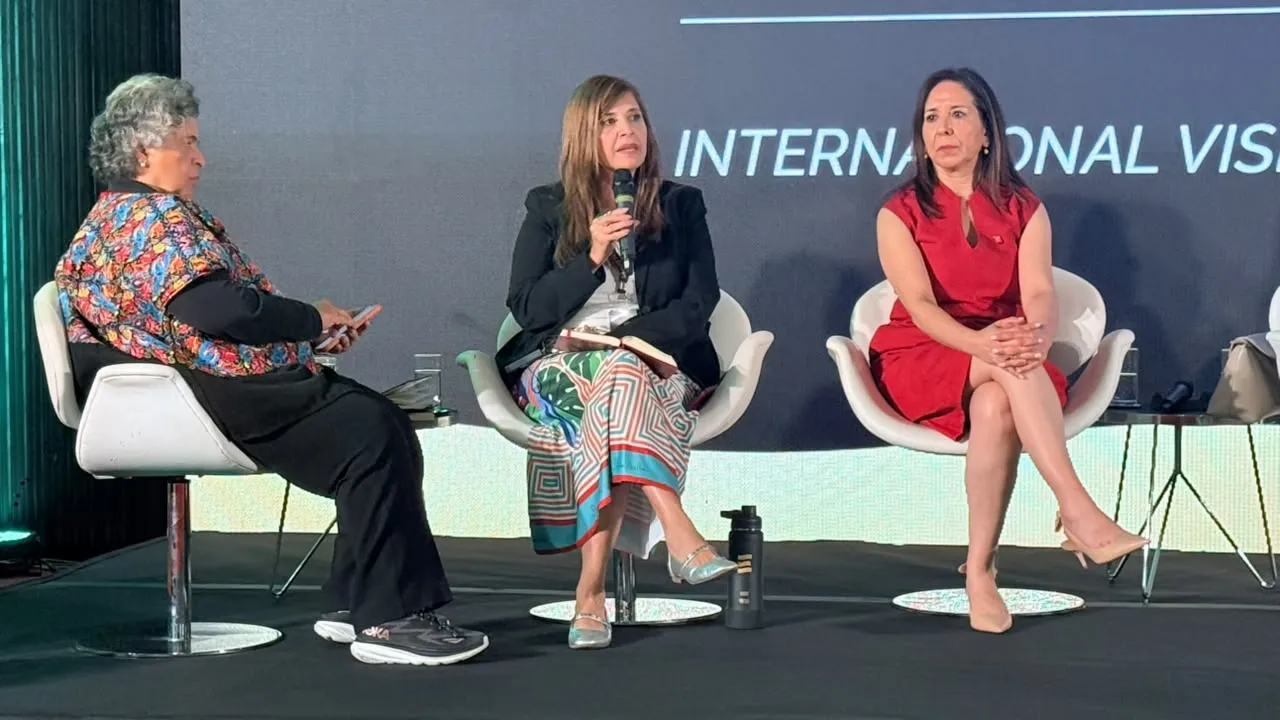
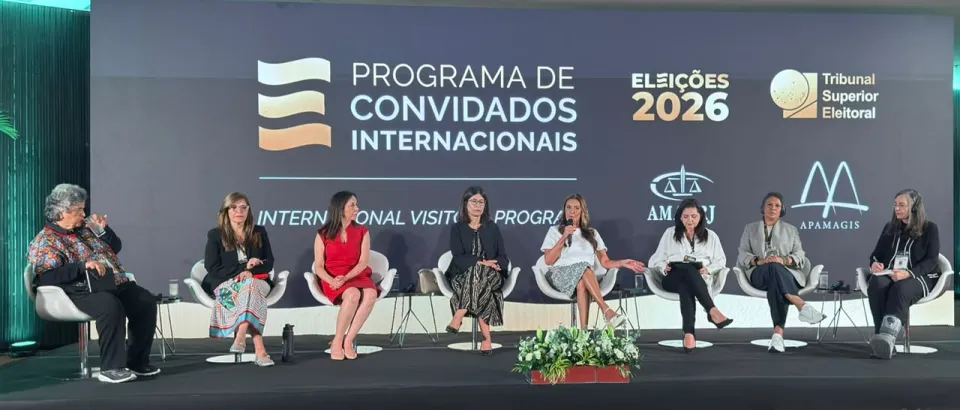
As part of the agenda, PhD. Marcela Ríos Tobar joined the panel "Women at the Center of the Global Political Debate," alongside international experts and leaders in the fields of women's political participation and the prevention of gender-based political violence. Moderated by International Affairs Director Renata Gil, the panel featured Beatriz Elena Paredes Rangel (Mexican political leader), Pamela Figueroa (President of SERVEL/Chile), Raquel Branquinho, (Director General of the Higher School of the Public Ministry of the Union), Mónica Soto (President of the Association of Electoral Magistrates of the Americas—AMEA), Norma Irene de la Cruz (Councillor at Mexico's National Electoral Institute—INE), Jennie Lincoln (Senior Advisor for Latin America and the Caribbean at the Carter Center), and Estela Aranha (Justice of the Superior Electoral Court). The exchange provided an opportunity to share experiences, highlight progress, and examine the challenges that continue to limit full, safe, and equal political participation and representation.
Additionally, in the margins of the International Guests Program, the Regional Director met with the Secretary-General of Brazil's Ministry of Foreign Affairs, H.E. Ambassador Maria Laura da Rocha. They discussed the work of International IDEA in the region and the process for managing out-of-country voting, which is coordinated closely between the Superior Electoral Court and Itamaraty.
The 2026 General Elections in Brazil
The general elections were held on October 4 in Brazil, the world's fourth-largest democracy. More than 158 million citizens were eligible to elect the president and vice president of the Federative Republic; twenty-seven governors and vice-governors for the states and the Federal District; fifty-four senators; 513 federal deputies; 1,035 state deputies; and twenty-four district deputies.
Elections in Brazil are conducted using an electronic voting system that enjoys the trust of a significant portion of the electorate. In 2026, "Integrity Tests" were supervised by the Federal Court of Accounts across all twenty-seven federal units, serving as a complementary external audit aimed at strengthening transparency, auditability, and public trust. The scale of the process was equally remarkable: approximately 158.7 million voters were eligible, and some 563,000 electronic voting machines were deployed. Abroad, 918,876 Brazilians (representing over 0.5% of the electorate) were eligible to vote exclusively for the Presidency and Vice-Presidency in 186 cities across 134 countries.
In the presidential election, with the vote count concluded, Flávio Bolsonaro of the Liberal Party secured 47.03% of the valid votes, while Luiz Inácio Lula da Silva of the Workers' Party obtained 45.16%. As neither candidate achieved an absolute majority, both will face each other in a runoff election on October 25, 2026.
Given Brazil's demographic, economic, and diplomatic weight, these elections transcend the national sphere and carry implications for Latin America and the global stage. The runoff election takes place against a regional backdrop marked by the electoral gains of right-wing and center-right forces, the weakening of the political center, and heightened polarization, trends also linked to protest voting against incumbent governments, concerns regarding security and the cost of living, and public demands for tangible results. In this context, the Brazilian electorate's decision will help shape the region's political balance, the priorities for Latin American integration, and Brazil's stance vis-à-vis global partners and multilateral forums. Regardless of which ideological orientation prevails, the international significance of this process underscores the importance of upholding electoral integrity, pluralism, and trust in democratic institutions.


About the authors