International IDEA analyses the challenges and dilemmas of politics in Latin America
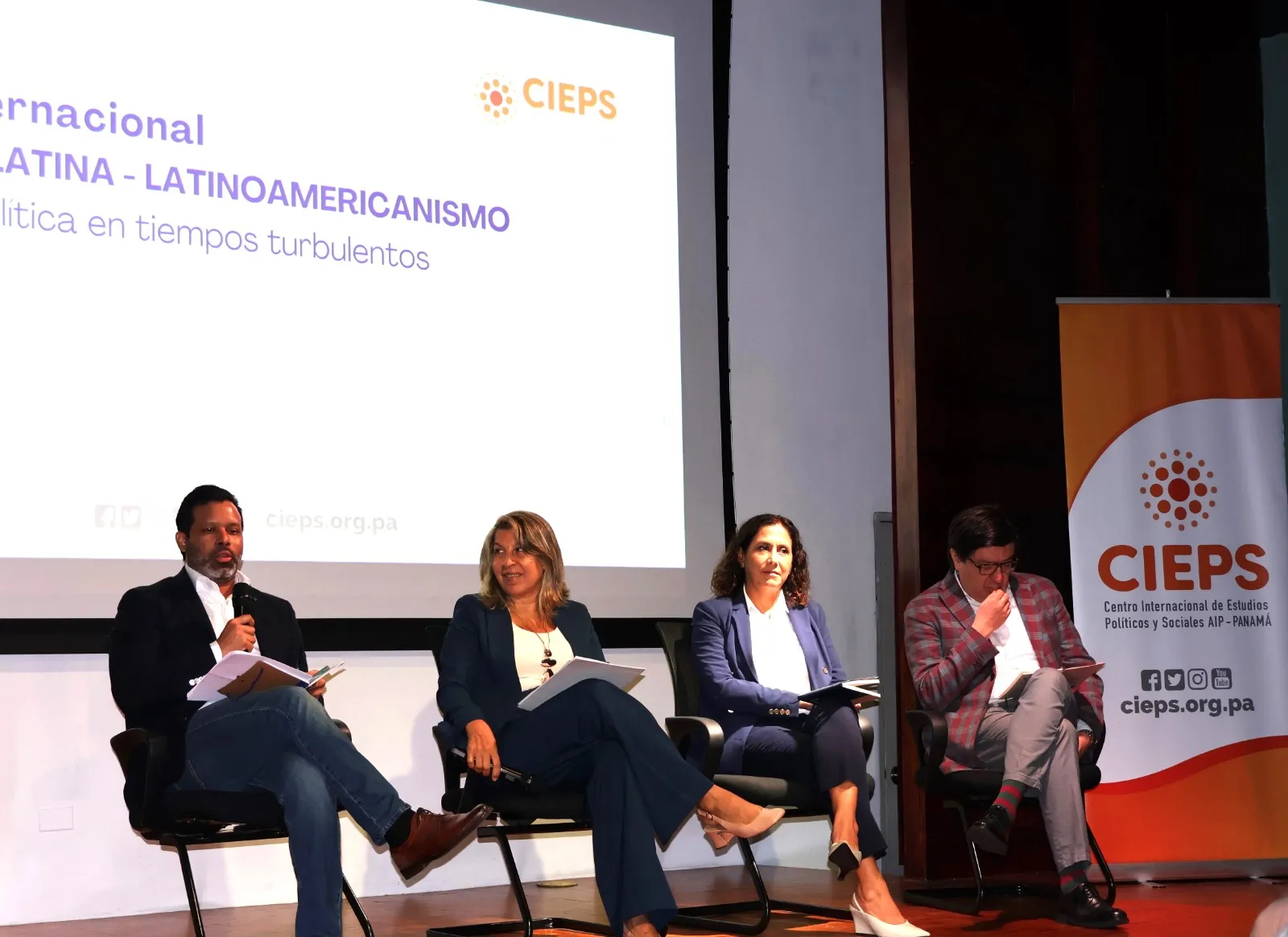
The event began with a keynote speech by Dr. Maxwell Cameron. During his remarks, Cameron provided a historical overview of the Americas, from the decolonization processes and the Monroe Doctrine to what he considers an evolution of it in what he called, the “Trump corollary.”
Cameron acknowledged Panama’s indigenous territories, highlighting the importance of the comarcas and biodiversity.
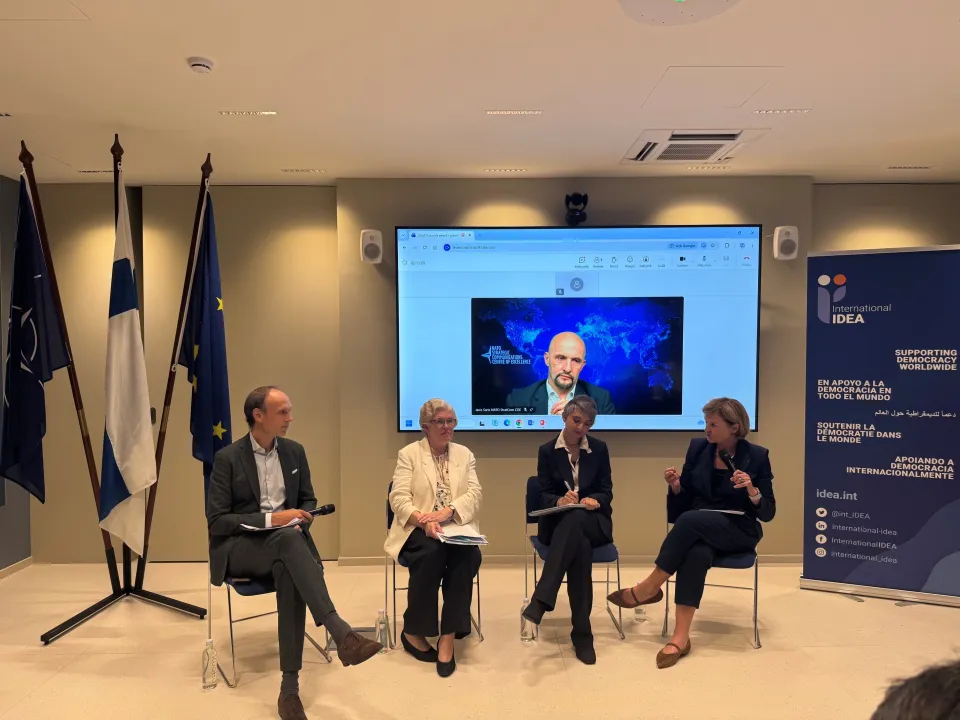
The first roundtable of the day, titled “The Dilemmas of Politics in Latin America,” featured Alicia del Águila, Program Manager for International IDEA in Panama, along with Francisco Sánchez (Instituto de Iberoamérica and Universidad de Salamanca) and Magna Inácio (ALACIP General Secretariat).
Del Águila offered a political and historical perspective to explain the current crisis, noting that to understand the Monroe Doctrine, it is important to understand the racialized concepts of the era. She reflected on the relevance of that hierarchical understanding of human beings today, reminding the audience that persecuted migrants have specific faces and skin colors.
He emphasized that Latin America’s ability to provide effective regional responses will depend on its capacity to create and strengthen democratic coalitions, as well as to reinforce institutions in the face of exclusionary rhetoric. It will also depend on the ability to address citizens’ concerns, such as the issue of security.
The forum was opened by Eduardo Ortega of the National Secretariat for Science, Technology, and Innovation (Senacyt) and Manuel Alcántara, director of CIEPS.


About the authors