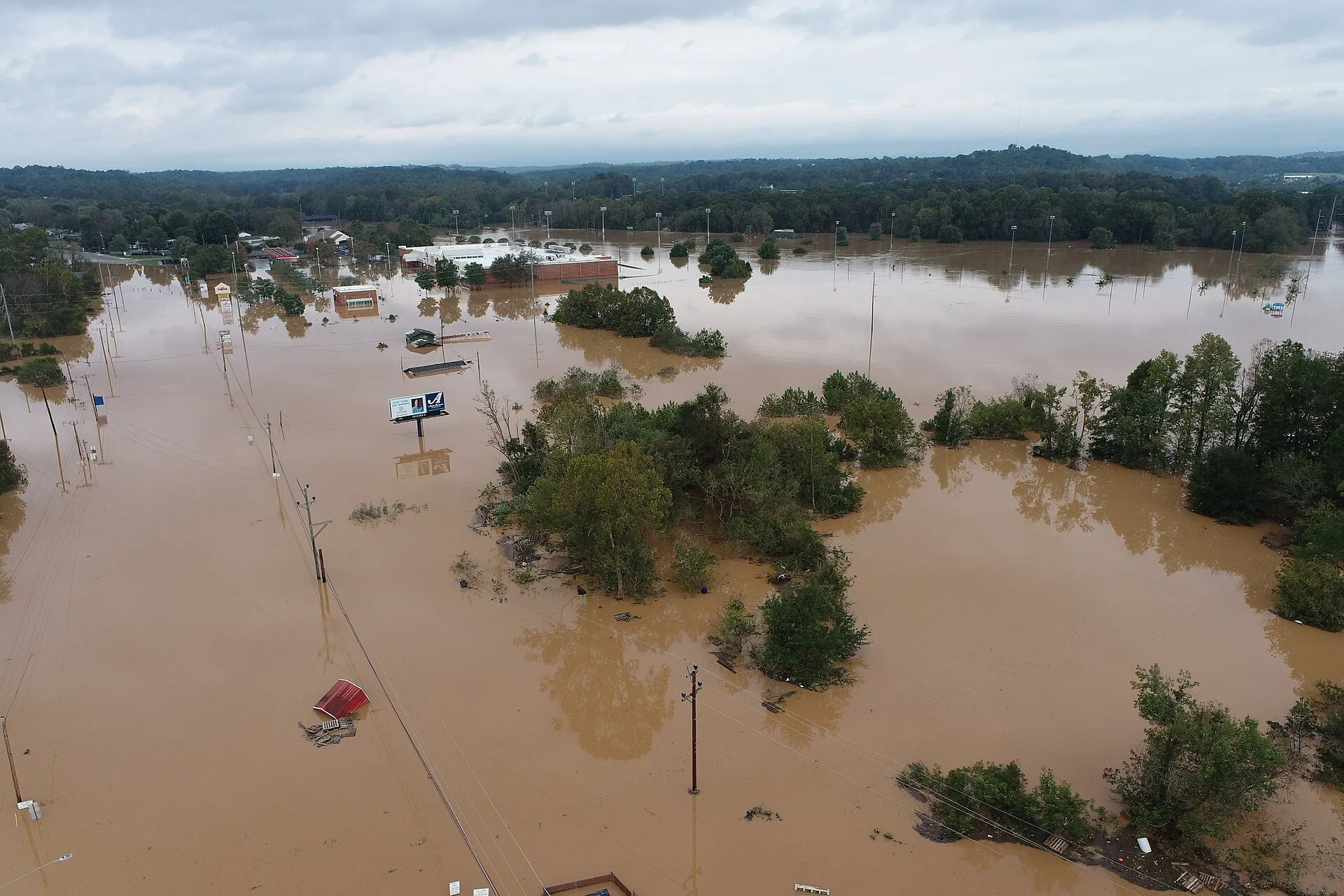
In 2024 alone, extreme weather disrupted 23 elections in 18 countries and this is only the beginning. New evidence indicates that natural hazards are increasingly becoming a threat to elections, especially in regions that are vulnerable to extreme weather events. As climate risks intensify, the pressure on already fragile democratic systems is expected to grow.
Elections face a vulnerability few other public services share: they are anchored to constitutional calendars that make postponement a democratic event, not merely a logistical one. Elections depend on the same roads, power supplies, telecommunications, public buildings, and transport that natural hazards routinely damage. Elections, however, are rarely named explicitly in national disaster risk reduction strategies or climate adaptation plans. Elections should no longer be treated as separate from emergency planning.
A global problem with no borders
Fortunately, there are many measures that electoral administrators have already successfully implemented to protect elections in this context, from alterations in election timing and special voting arrangements to contingency planning, inter-agency coordination mechanisms and effective public communication strategies. The need to roll out approaches such as these is an urgent priority across the globe. At least 94 election events - at different jurisdictional levels - in 52 countries were affected by one or more natural hazards between 2006 and 2025.
One of the key lessons of recent experience is that no type of country is immune from disruption. Natural hazards have affected elections in low-, middle- and high income countries as diverse as Bosnia and Herzegovina, Brazil, Canada, Haiti, India, Mozambique, Mexico, the Philippines, Portugal, among many others.
Meteorological, hydrological, climatological, and geophysical disasters have the potential to disrupt elections throughout the electoral cycle. This includes critical phases such as voter registration, electoral campaigns, voting operations and election day and the verification of results by damaging critical infrastructure, displacing voters and forcing last minute changes to the electoral calendar.
For the full artcile see UNDRR Managing disaster risks in electoral processes | PreventionWeb


About the authors


Sarah Birch is Professor of Political Science in the Department of Political Economy at King’s College London. Her research interests include the political effects of extreme weather events and the role of political institutions in securing democracy for the Anthropocene. Sarah has worked with the United Nations Development Programme, International IDEA, the European Union, the Organization for Security and Co-operation in Europe, the US Agency for International Development (USAID) and the International Foundation for Electoral Systems, among others.
Ferran Martínez i Coma is Professor in the School of Government and International Relations at Griffith University (Australia). His research focuses on elections, electoral integrity, comparative politics, political parties and electoral behaviour. He has served as a senior advisor in the Policy Unit of the Office of the Prime Minister of Spain, and as a technical advisor at the Ministry of Internal Affairs and at Barcelona’s City Hall.