Recognition and influence for indigenous peoples in South Asia
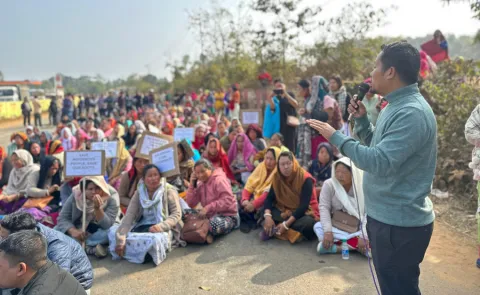
For indigenous communities in Nepal, Northeast India and Bangladesh, democracy begins close to home, in the futures young people imagine, the lands communities defend and the right to shape what happens to the places that hold their histories. International IDEA’s three recently published policy briefs in collaboration with the Asia Indigenous Peoples Pact underscore that indigenous inclusion is not peripheral to democracy. It is central to shaping more representative, responsive and legitimate democratic futures.
Taken together, the briefs show that meaningful inclusion depends on more than formal recognition. By tracing the practical conditions that enable communities to exercise influence, they offer a fuller picture of where democratic commitments take hold and where gaps remain. Read all three for a deeper understanding of these shared challenges across South Asia.
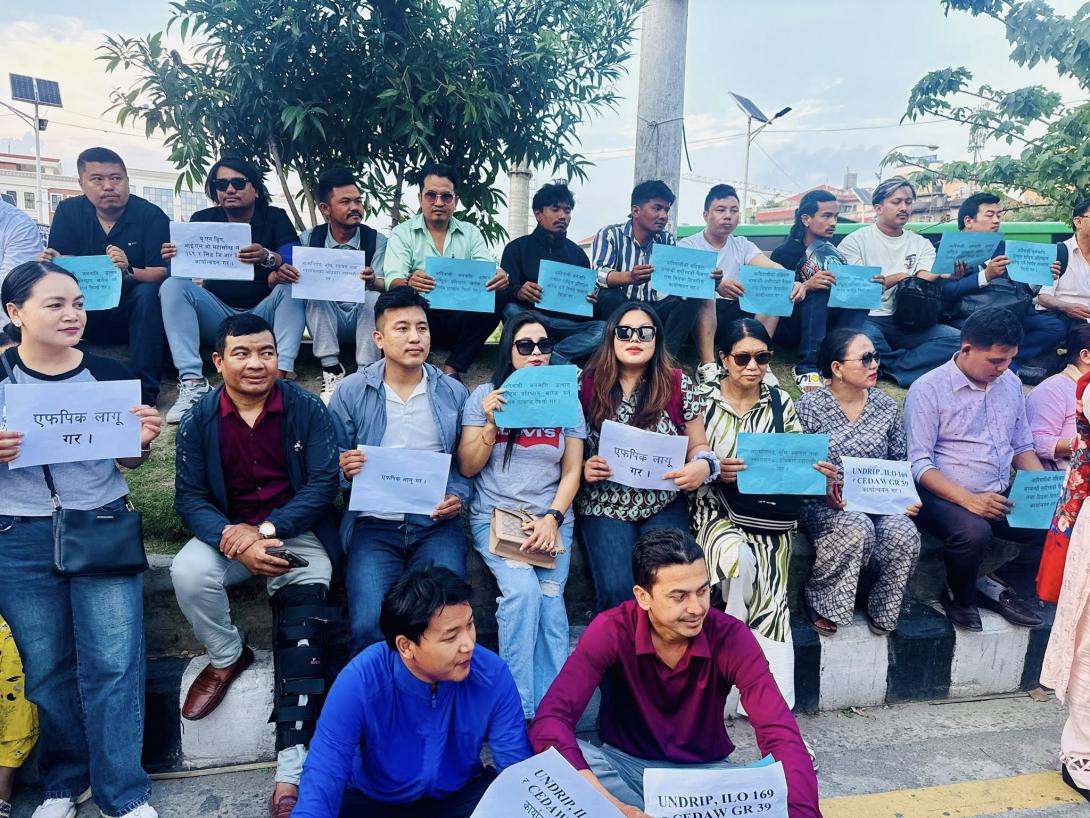
From Inclusion to Influence: Indigenous Youth in Nepal
Indigenous youth have helped drive Nepal’s political movements in recent years, but remain underrepresented in party leadership, candidate selection and elected decision-making. Centralized nominations, patronage networks, socioeconomic inequality, and linguistic and gender barriers can keep politically active young people at the margins of formal power. The brief identifies practical pathways for moving from participation to sustained influence.
As Supriya Rai, author of the Nepal policy brief, notes,
Participation in mobilization has not consistently translated into access to candidate selection, party leadership, or elected decision-making.
The challenge, then, is creating pathways for indigenous youth to move from political mobilization into positions of sustained leadership and influence.
Strengthening Indigenous Peoples’ Land and Territorial Rights in Northeast India
Across Northeast India, indigenous land and territorial rights are closely tied to identity, livelihoods, customary governance and self-determination. Although constitutional and legal safeguards exist, overlapping institutional responsibilities, limited recognition of customary tenure and late consultation in development decisions can weaken their protection in practice. The brief sets out options to strengthen coordination, recognize diverse tenure systems and ensure communities have a meaningful role in decisions affecting their lands.
John Debbarma, author of the Northeast India policy brief, states,
When customary land rights are absent from formal records, communities become more vulnerable in land acquisition and development processes.
Indigenous Land Rights and Democratic Inclusion in Bangladesh
The Bangladesh brief examines distinct but connected challenges in the Chittagong Hill Tracts (CHT) and the plains, where weak protection of land rights and self-governance can limit communities’ ability to shape decisions affecting their futures. It also considers how the language indigenous communities use to describe themselves can differ from official terminology, with implications for recognition, rights and inclusion.
As Toni Chiran writes in the Bangladesh policy brief,
This difference is not merely semantic: it shapes wider political and legal debates concerning identity, collective land rights, customary institutions, and the relevance of international indigenous rights standards.
In the CHT, incomplete implementation of the 1997 Peace Accord continues to affect land disputes, authority and self-governance. In the plains, weak recognition of customary and communal tenure leaves many communities without effective protection or a dedicated mechanism for resolving land grievances.
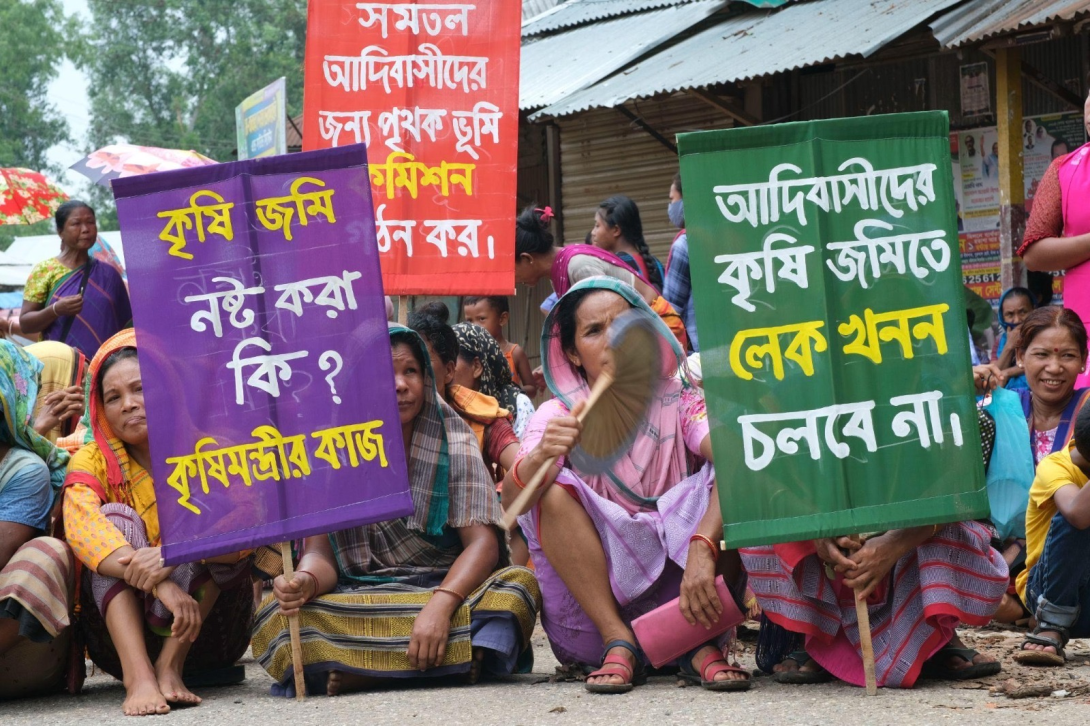
Across the three countries, a common story emerges: recognition is only the beginning. For indigenous communities to shape their democratic futures, young people need pathways into leadership, customary tenure must be protected within formal land systems, and institutions for land rights and self-governance must be able to deliver in practice. Together, the three publications show how governments, political parties, indigenous institutions and development partners can help turn recognition into meaningful democratic influence.


About the authors