Protecting elections: from consultations to implementation
“Protecting the integrity of elections is one of the defining democratic challenges of our time.”
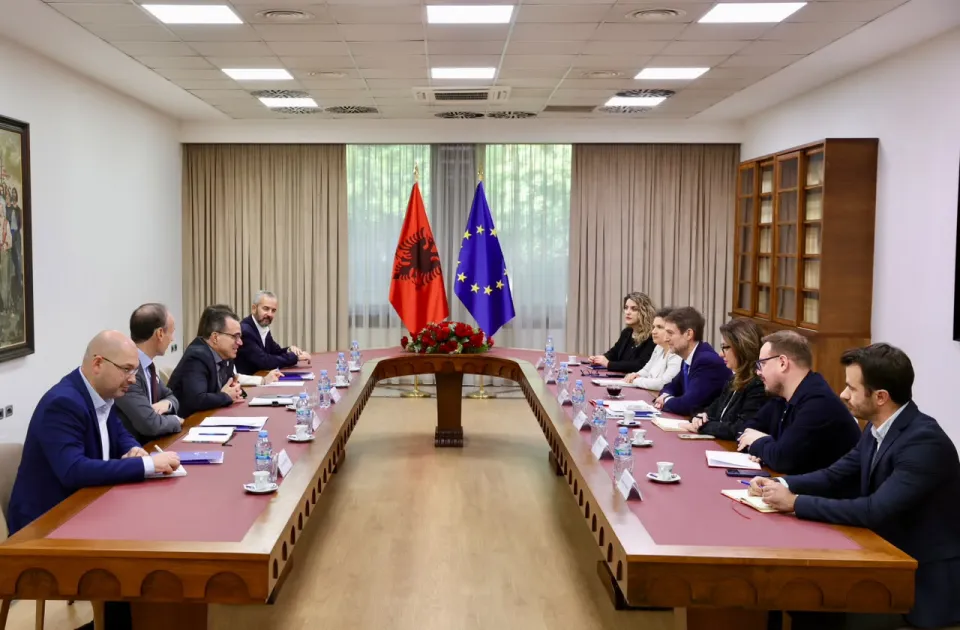
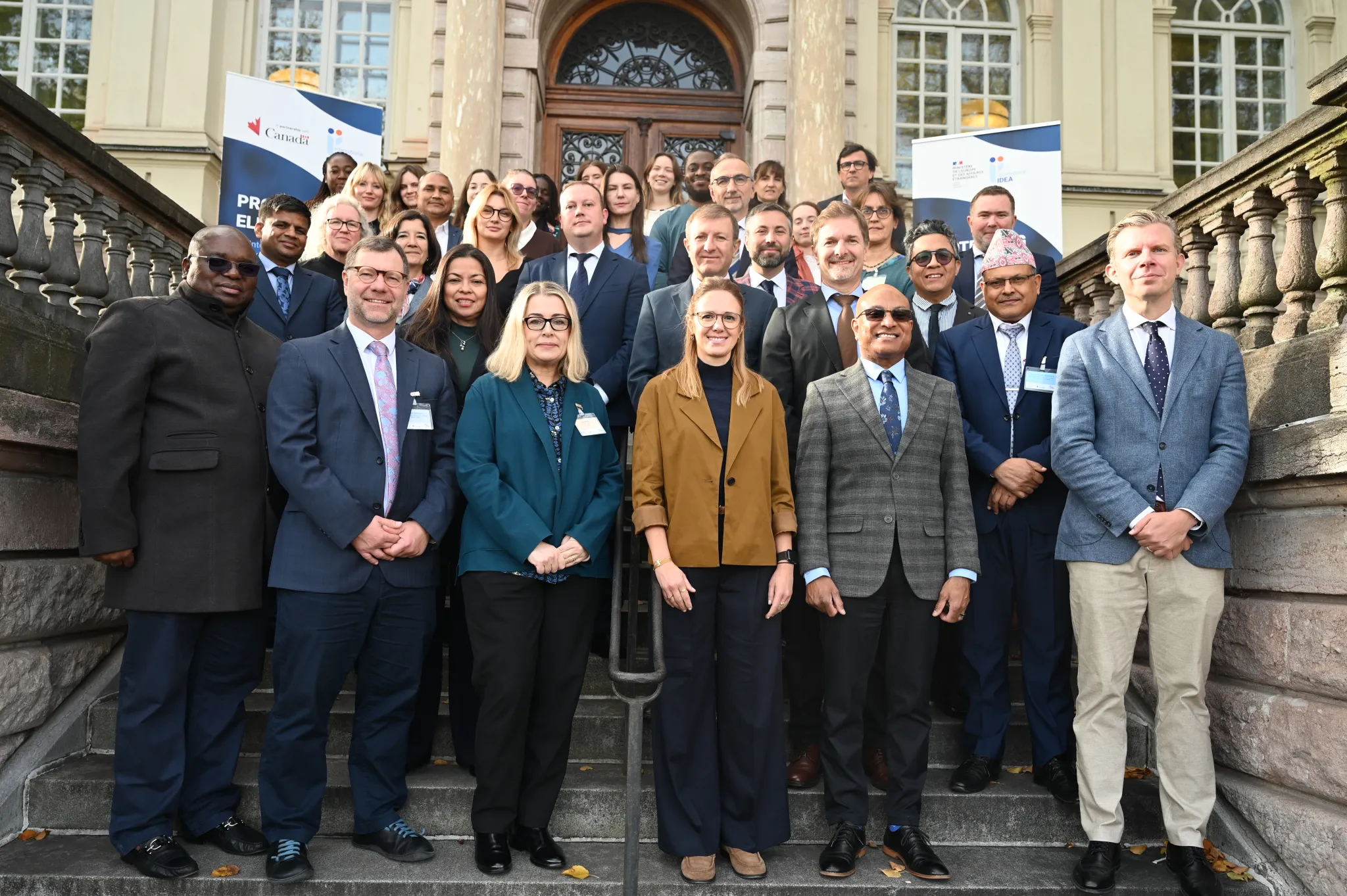
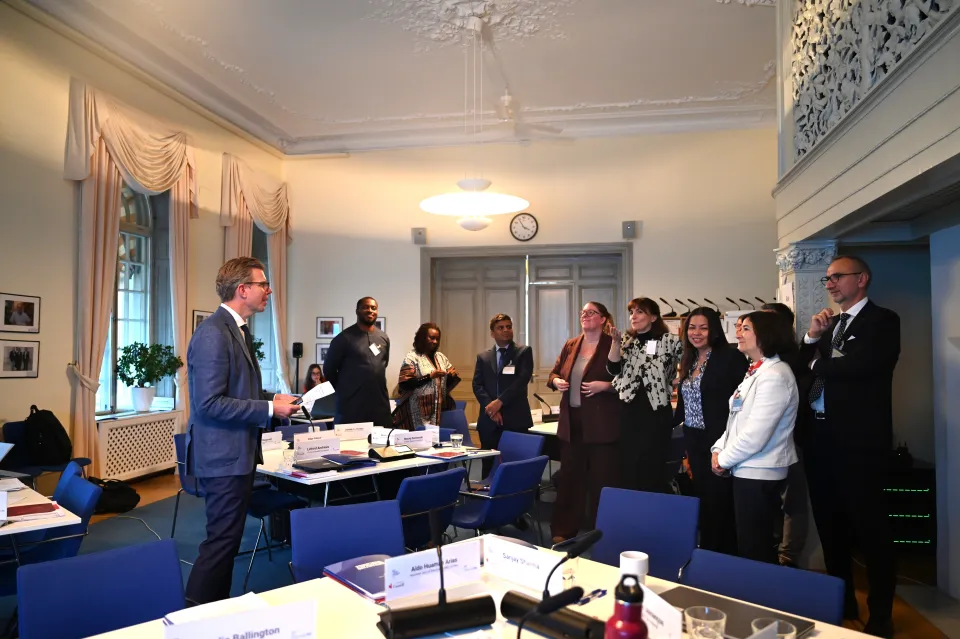
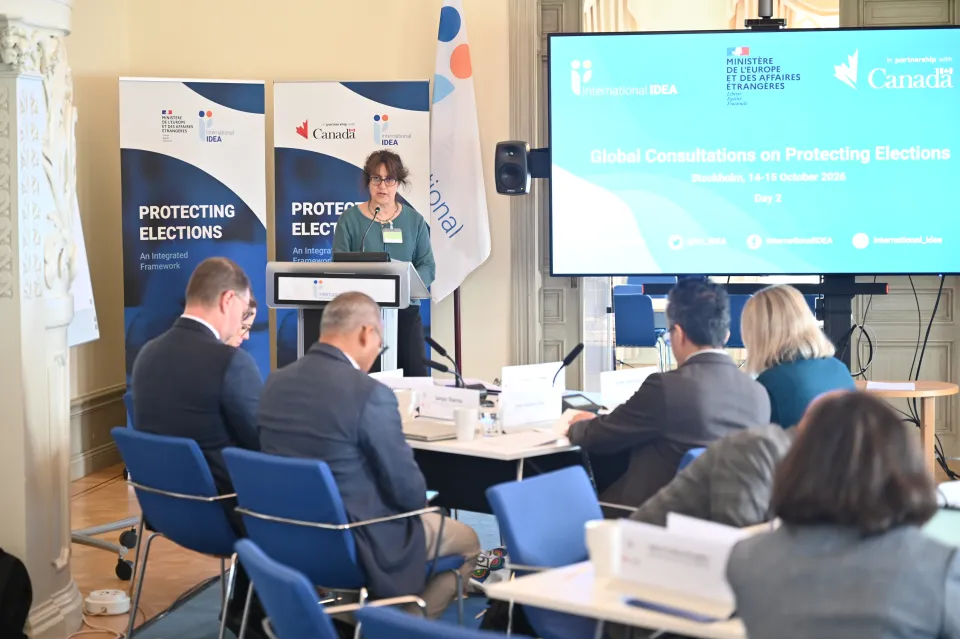
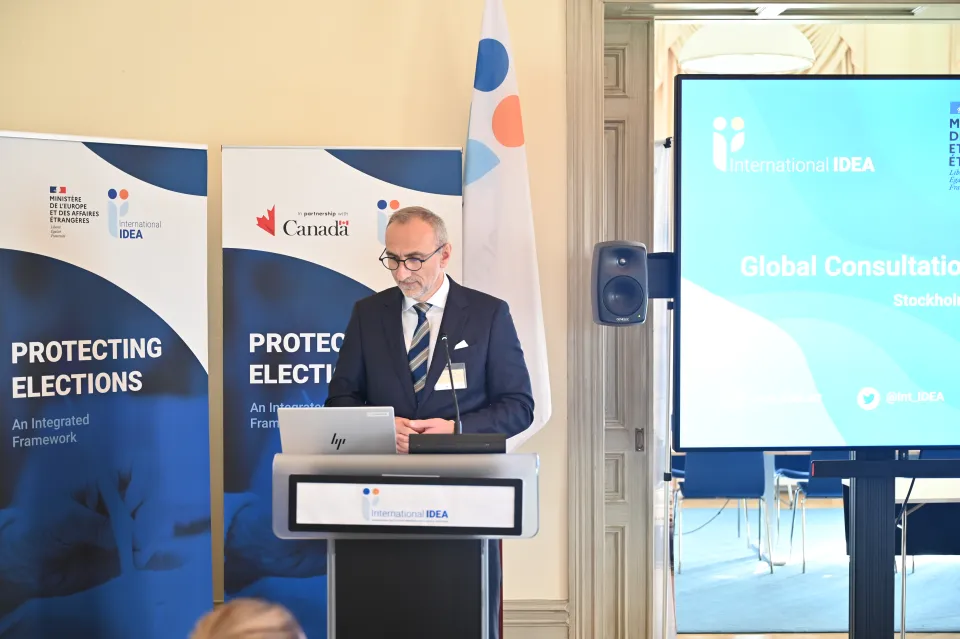
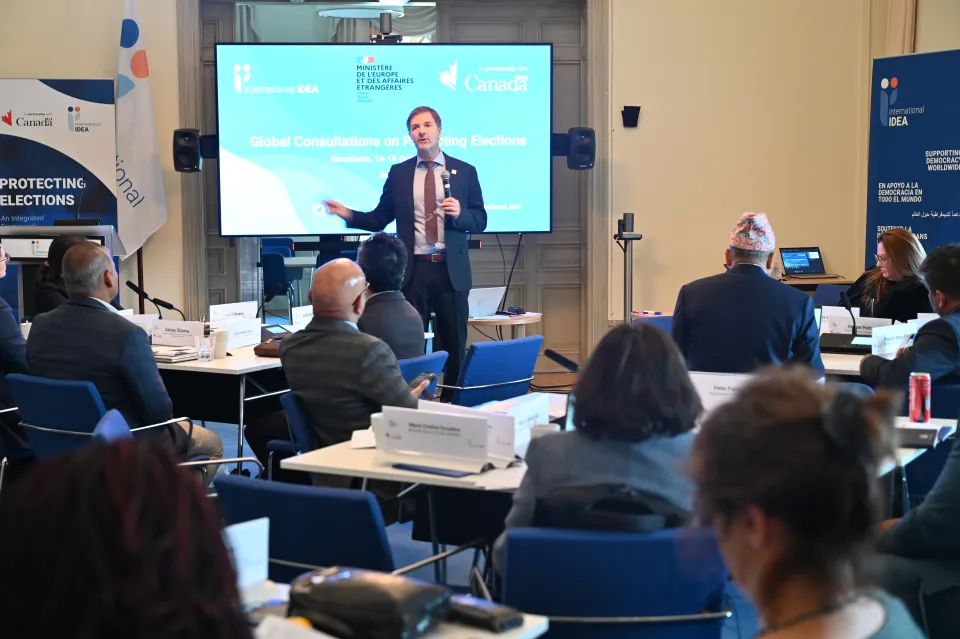
With this message, International IDEA Secretary-General Kevin Casas-Zamora opened the Consultations, emphasizing the need for coordinated and forward-looking action to address rapidly evolving challenges to elections. Ambassador Thierry Carlier of France and Laurent-Gabriel Côté-Fournier of the Embassy of Canada to Sweden reaffirmed commitment of their governments to supporting electoral integrity through international cooperation. Funding of the next phase of the Protecting Elections Project which is now focused on implementation, is a stellar example of it.
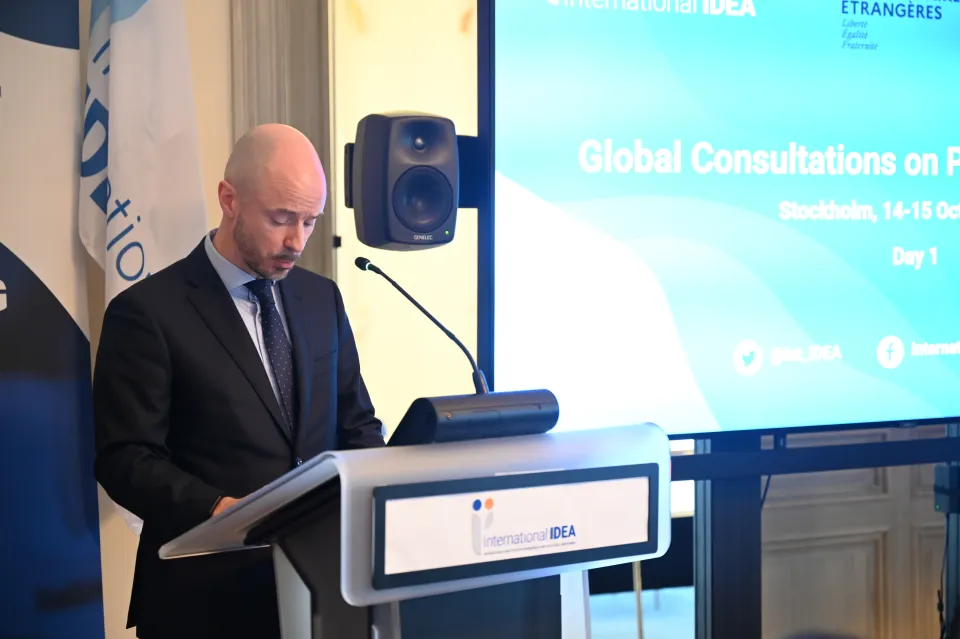
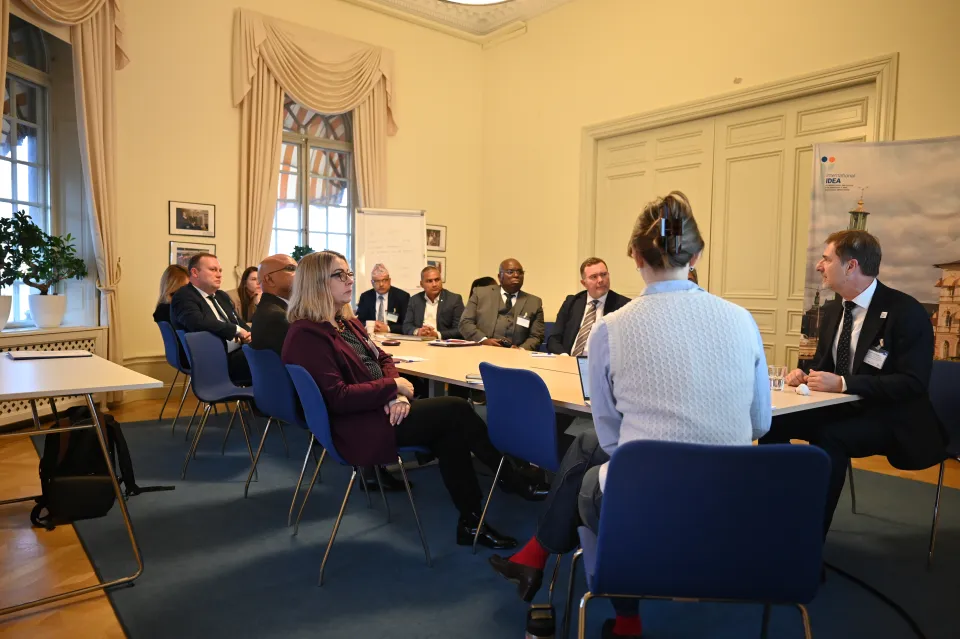
Expert discussion included a mix of iterative sessions.
One block of sessions focused on the main development that shapes and impacts national, regional and global efforts and initiatives to protect elections. These included: responding to an evolving electoral landscape, elections at security crossroads, gender equality and inclusion as means and end of electoral integrity efforts, and electoral integrity as a borderless problem.
A common thread of these discussions was that protecting electoral integrity is becoming more complex and that increasingly requires a whole of society approach. Participants emphasized the importance of translating the knowledge and relationships developed through the project into sustained implementation. Priorities included strengthening cooperation among EMBs and other stakeholders, making greater use of regional and international networks, and enabling useful information-sharing while protecting sensitive information.
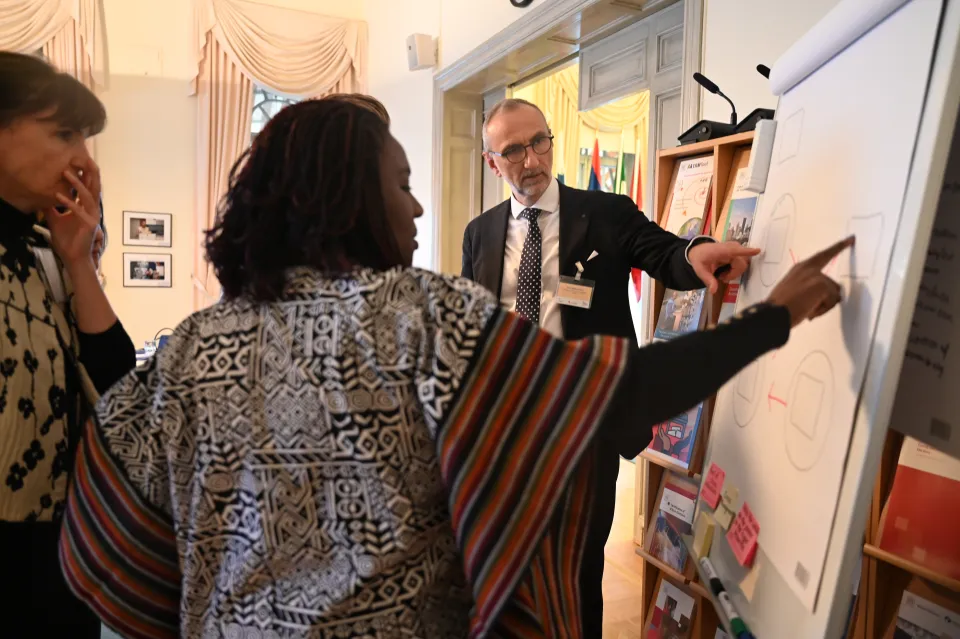
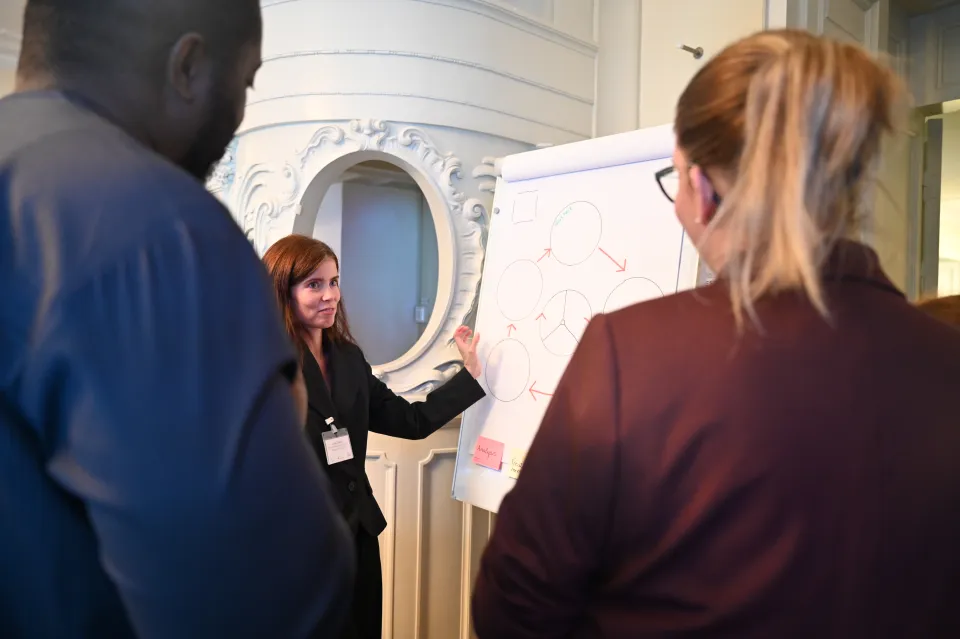
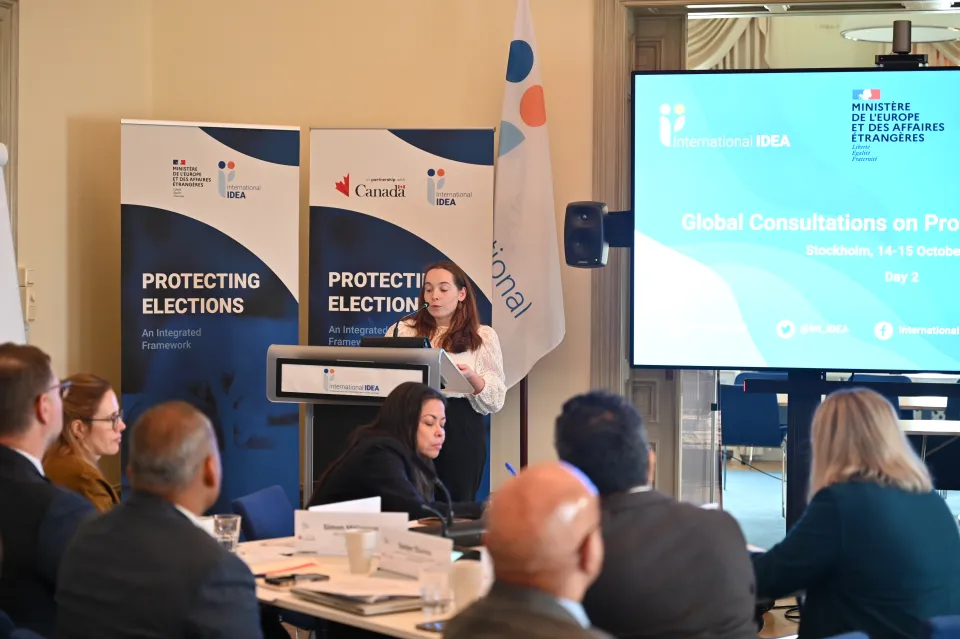
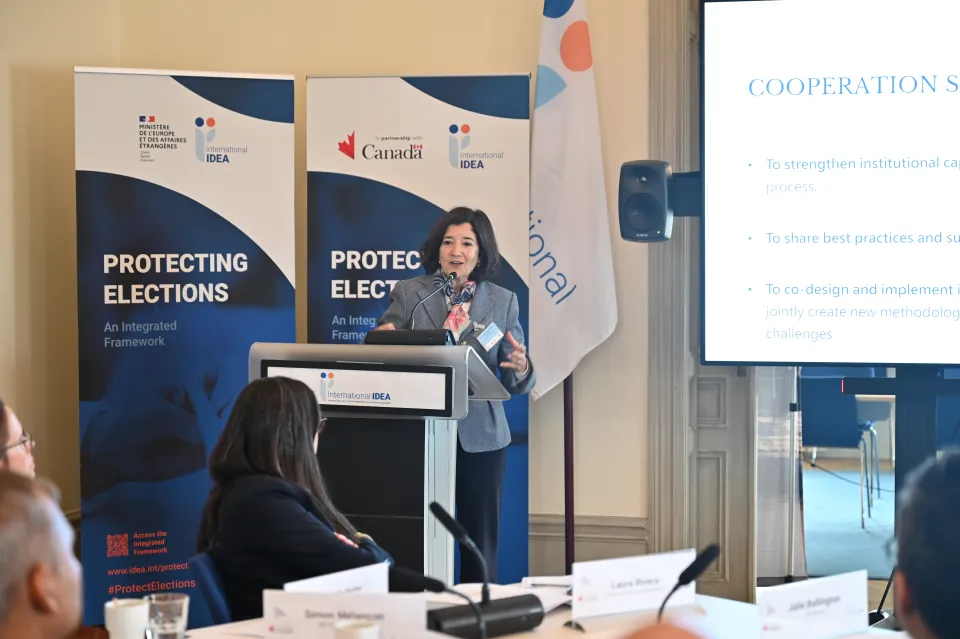
The second block of sessions focused on the next steps in the implementation of the Integrated Framework for Protecting Elections. In this context, existing experiences were shared by representatives from Finland (MoJ), Mauritius (OEC; via video link), India (IIIDEM), Armenia (CEC), Canada (RECEF) and Africa (IDEA). Moreover, the project team provided interactive demo of the Protecting Elections Training Curriculum and the new Electoral Risk Management Tool (ERMTool) software.
As the Protecting Elections project moves into its next phase, the discussions in Stockholm reinforced a central message: protecting elections is a continuous and collective effort. Responding to an increasingly complex electoral environment will require moving beyond isolated interventions towards sustained cooperation, institutionalized risk management and practical exchange across sectors, countries and regions.
International IDEA is committed to continuing supporting these efforts through the continuation of the Protecting Elections Project.


About the authors