Preparing for post-war elections: International IDEA brings together Ukrainian and European partners to advance preparations for out-of-country voting
As Ukraine prepares for its future post-war recovery, ensuring that millions of citizens displaced abroad by Russia's full-scale invasion can participate in democratic elections remains one of the country's most significant electoral challenges. While future elections can only take place once conditions allow and in accordance with Ukraine's legal framework, preparations for ensuring inclusive electoral participation cannot wait until the war ends. Building the legal, institutional and operational foundations for future out-of-country voting requires long-term planning, international cooperation and evidence-based policymaking.
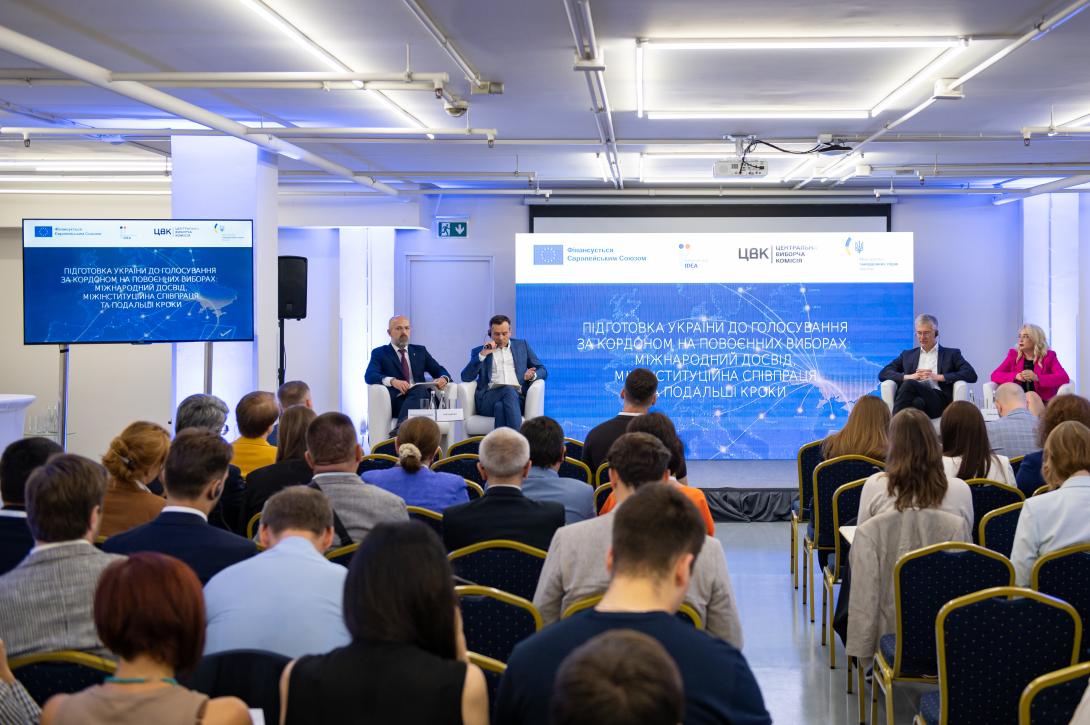
To support these preparations, more than 150 representatives of Ukrainian institutions, European electoral authorities, international organisations, civil society, academia and Ukrainian communities abroad gathered in Kyiv and online on 28 July 2026 for the conference "Preparing Ukraine for Post-War Out-of-Country Voting: International Experience, Institutional Cooperation and Future Priorities." Organised by International IDEA in cooperation with the Central Election Commission (CEC) of Ukraine and the Ministry of Foreign Affairs (MFA) of Ukraine, with the support of the European Union, the conference provided a platform to present findings, exchange practical experience and discuss priorities for Ukraine's future out-of-country voting (OCV) framework.
Over the past three years, International IDEA has worked closely with the CEC, the MFA and European partners to strengthen institutional cooperation and support Ukraine's preparations for future OCV. An important component of this work has been a series of 20 consultative visits, including 14 conducted under the EU-supported INSPIRE UA project. During the consultations, Ukrainian representatives engaged directly with electoral authorities and other competent public institutions in host countries to examine the legal, institutional, security and operational conditions for potentially organising voting for Ukrainian citizens on their territory, should Ukraine take the relevant decisions.

The consultations addressed voter registration, polling station planning, institutional coordination, security arrangements, communication with voters and cooperation between electoral authorities, diplomatic institutions and host-country authorities. Particular attention was given to the conditions under which polling stations could potentially be established beyond diplomatic and consular premises where national legislation permits. The visits also helped establish and strengthen professional links between Ukrainian institutions and their European counterparts, enabling direct discussion of practical challenges and possible forms of future cooperation.
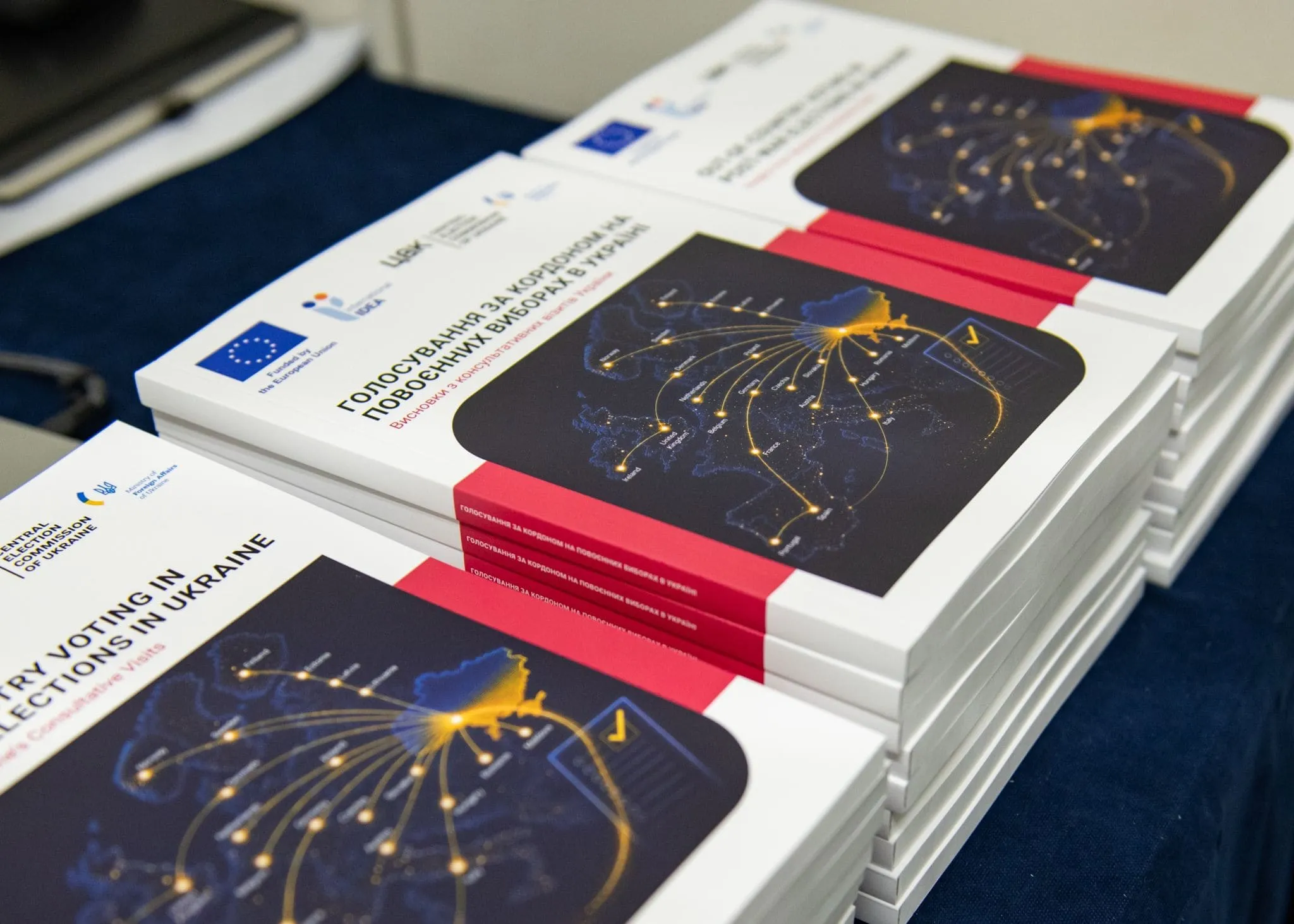
The findings from these consultations, together with desk research and contributions from national stakeholders, informed the Lessons Learned Paper "Out-of-Country Voting in Ukraine's Post-War Elections: Lessons Learned from Consultative Visits," covering experience from 23 European countries. The paper brings together comparative evidence on the legal, institutional and practical arrangements for out-of-country voting across Europe and lessons from consultations with host-country authorities. It is intended to inform Ukraine's future discussions and preparations, rather than prescribe a particular model for organising out-of-country voting.
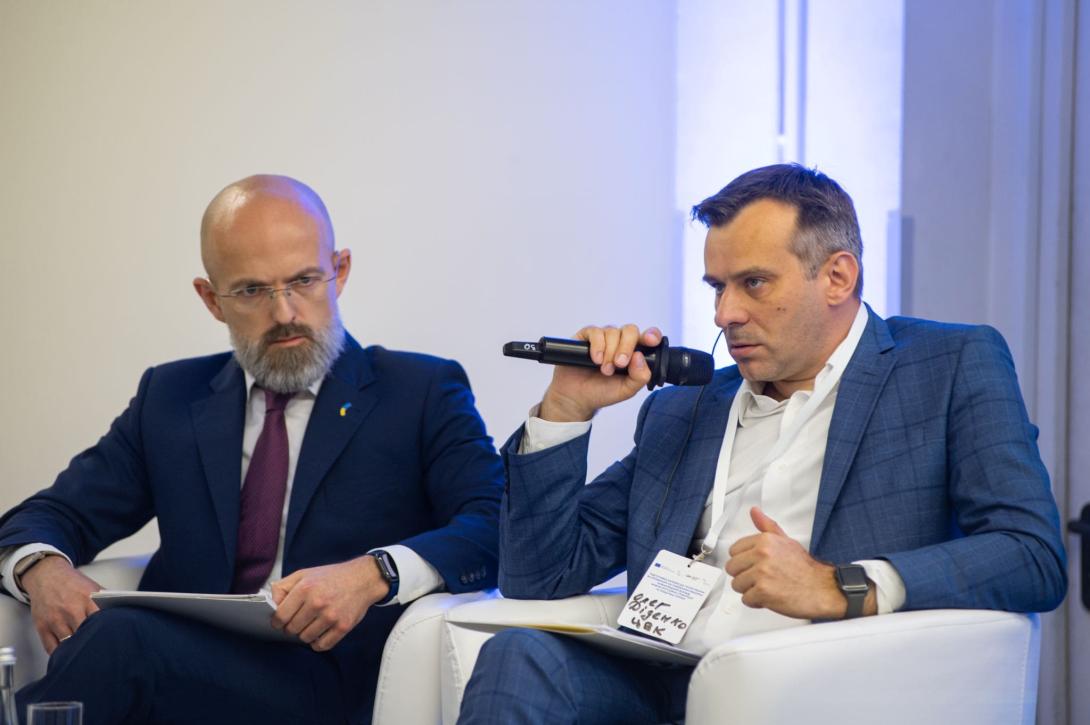
Building on this work, conference discussions focused on four interconnected themes: lessons emerging from European practice; cooperation between Ukrainian institutions and host-country authorities; engagement with Ukrainian communities abroad; and priorities for strengthening Ukraine's legal, institutional and operational preparedness for future post-war elections.
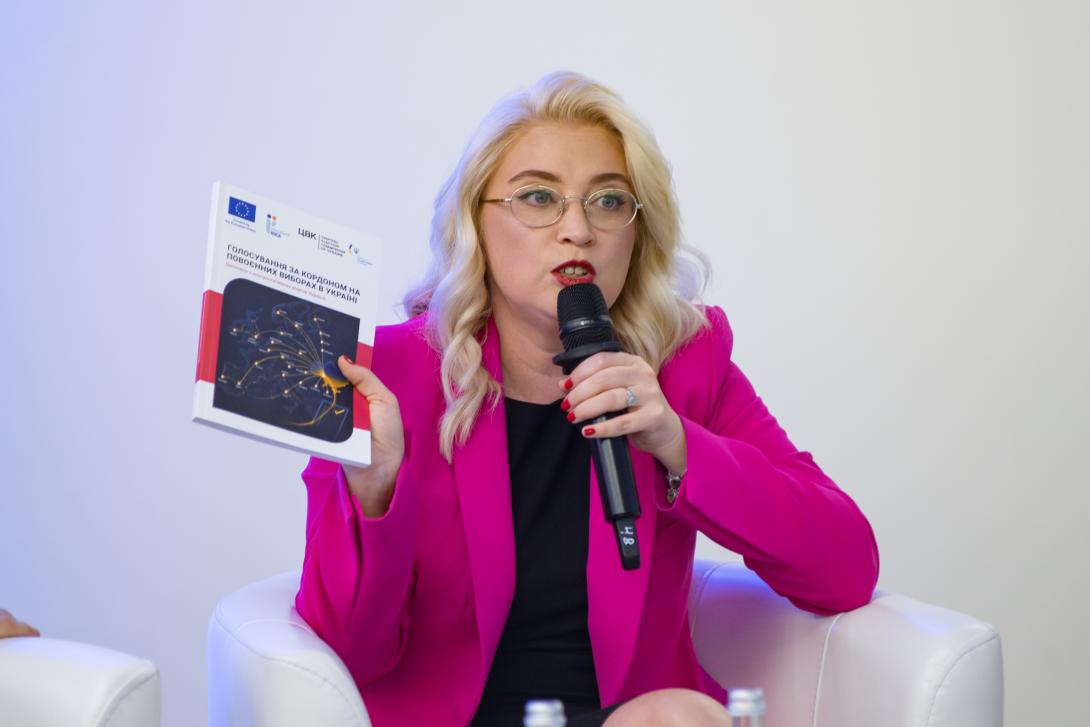
Participants highlighted the importance of early preparation and effective inter-institutional coordination, as well as sustained engagement with host-country authorities. The conference also examined the role of Ukrainian communities abroad in voter outreach, public awareness and identifying practical challenges, while reaffirming that election administration and the provision of official voter information remain the responsibility of Ukraine's competent authorities.
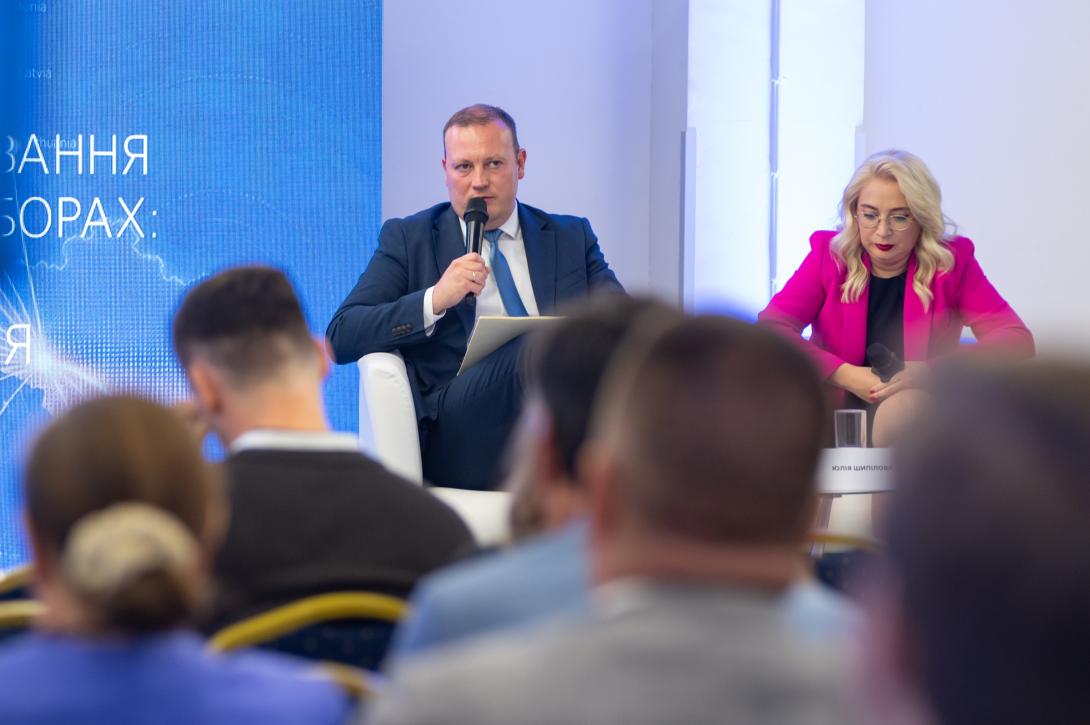
A central message was that European experience offers valuable lessons but does not provide a ready-made model for Ukraine. Approaches to OCV differ across countries according to their constitutional frameworks, electoral legislation, institutional arrangements and political realities. Ukraine's future framework will therefore need to emerge through informed national decision-making, reflecting its own constitutional and legal framework, security environment, institutional capacity and the unprecedented scale of displacement caused by Russia's war.
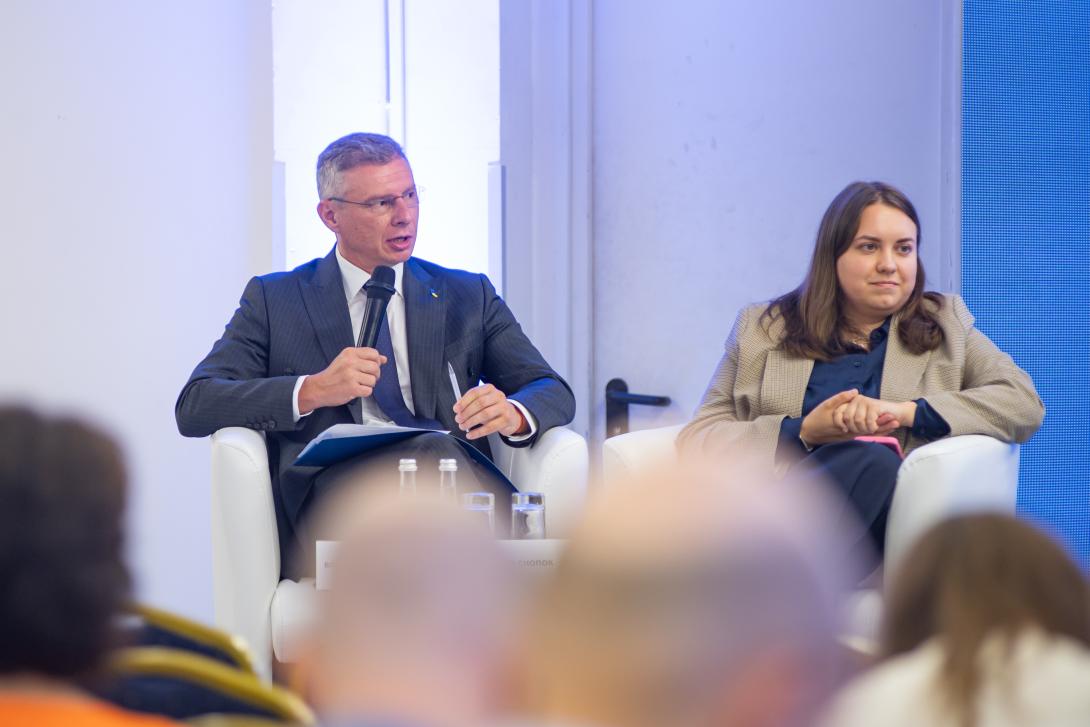
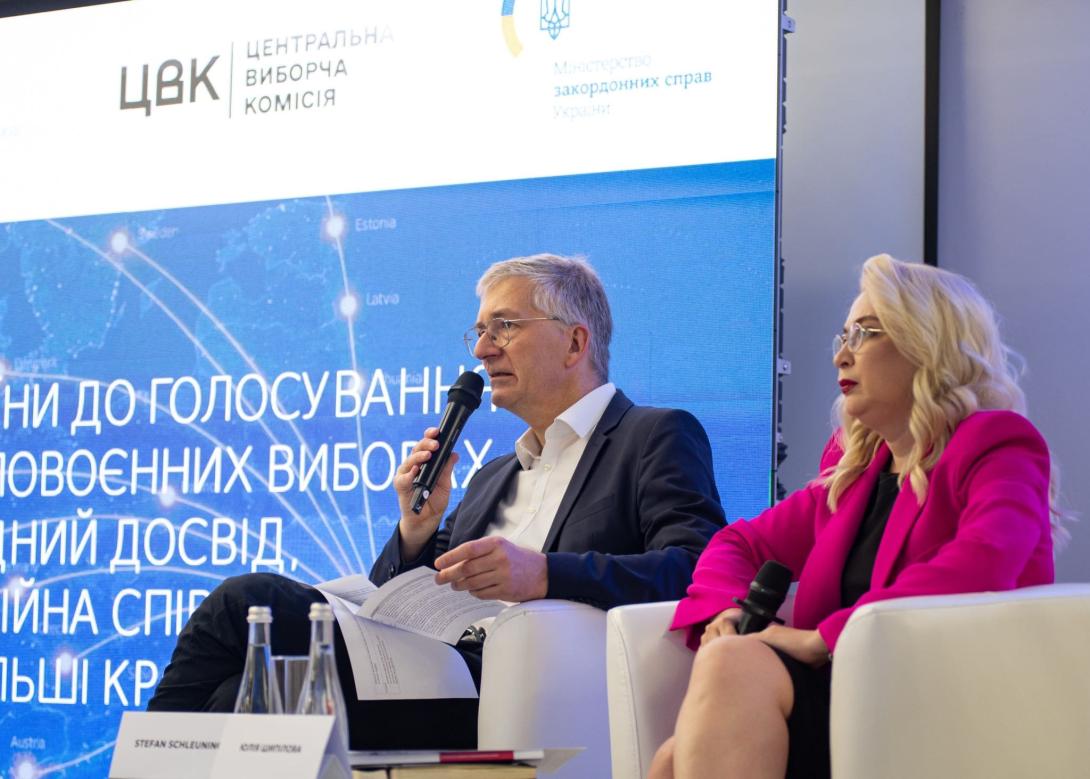
Stefan Schleuning, Head of Cooperation at the Delegation of the European Union to Ukraine, underlined: "The decision on how to organise voting for Ukrainian citizens abroad is a sovereign decision for Ukraine. It must be taken by the competent Ukrainian institutions, through the country's constitutional and legislative processes, following inclusive discussion and careful assessment of public trust, feasibility, security and international electoral standards."
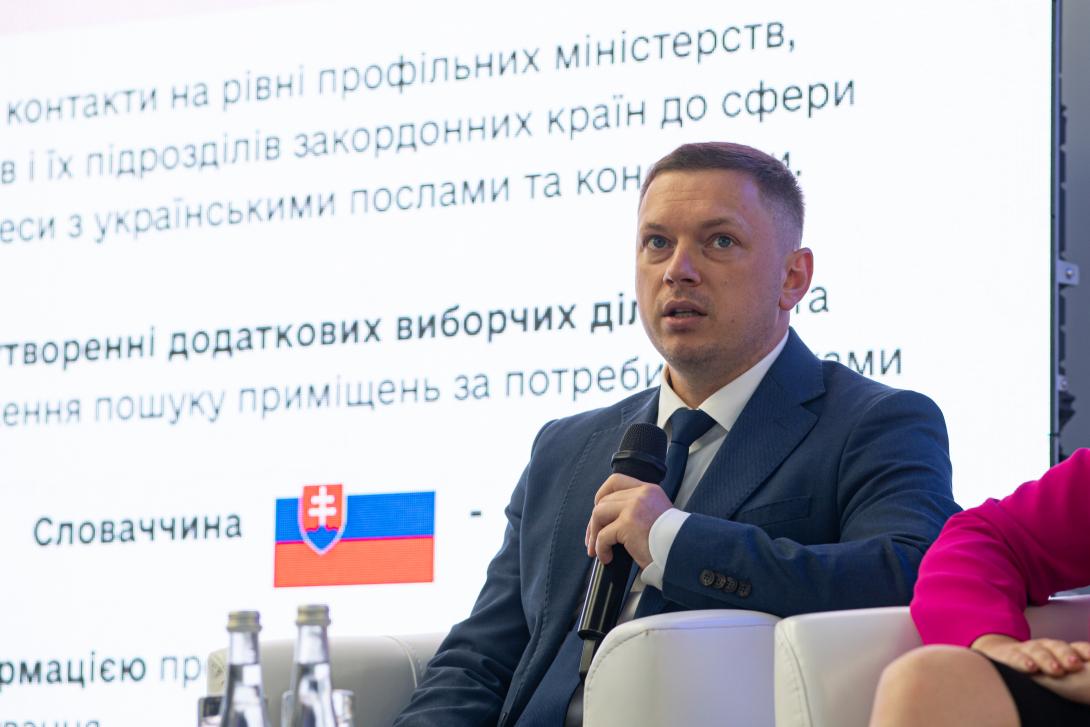
Reflecting on the significance of the project, Yuliya Shypilova, Ukraine Programme Lead at International IDEA, said:
"The purpose of this work was never to identify a model for Ukraine to copy. Every European country has developed its own approach to out-of-country voting, reflecting its legal framework, institutions and political realities. Our objective has been to help Ukrainian institutions build the evidence needed to make informed decisions that respond to Ukraine's own democratic aspirations and the realities created by Russia's war. Preparing for future elections cannot begin once peace is achieved. Legal reforms, operational planning and international cooperation all require time, and that preparation must begin now."
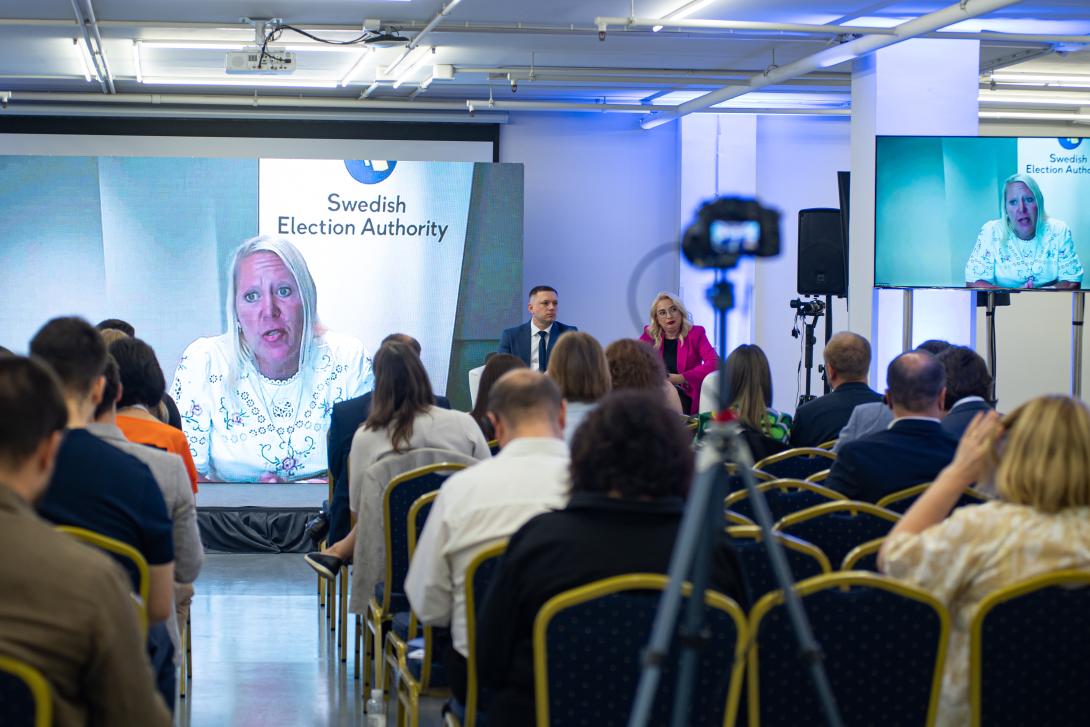
The conference concluded by identifying priorities for the next phase of work, including continued coordination among Ukrainian institutions, stronger cooperation with European partners and host-country authorities, and further legislative, policy and operational preparations for future post-war elections.
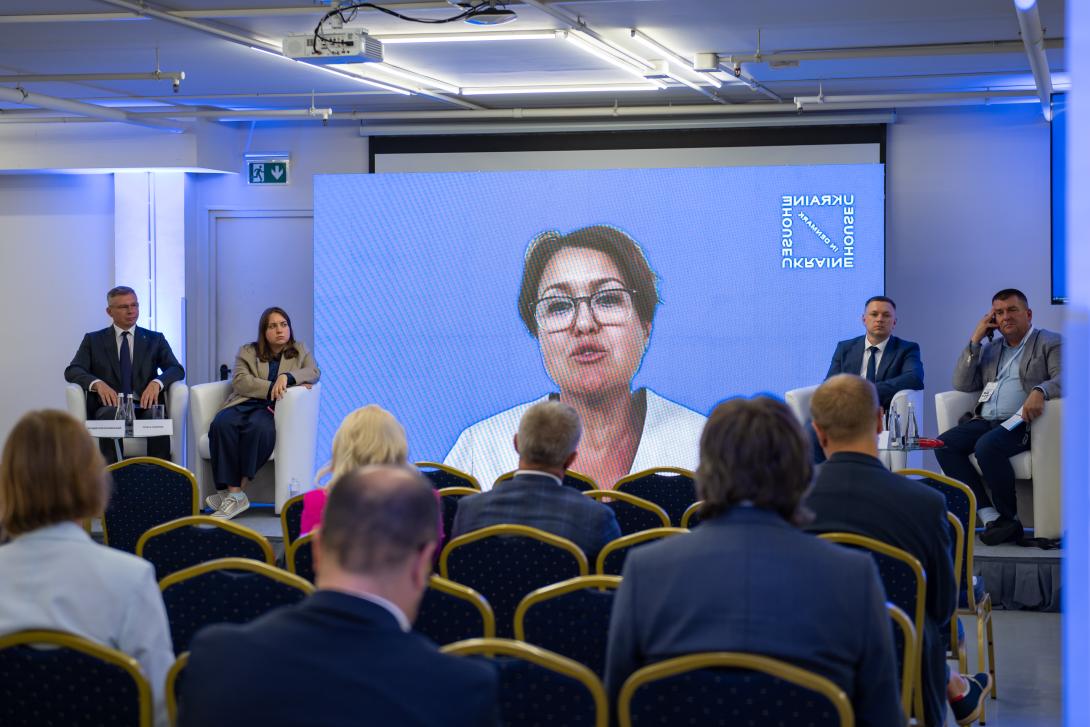
The conference was held within the framework of INSPIRE UA – Inclusive Support for Participation, Involvement, Representation and Engagement of Ukrainians Abroad, implemented by International IDEA with the support of the European Union. Building on International IDEA's broader engagement on OCV over the past three years, the project has contributed to stronger institutional partnerships, comparative evidence and practical recommendations to support Ukraine's preparedness for future elections.


About the authors