Panama examines the impact of disinformation and foreign interference on electoral processes
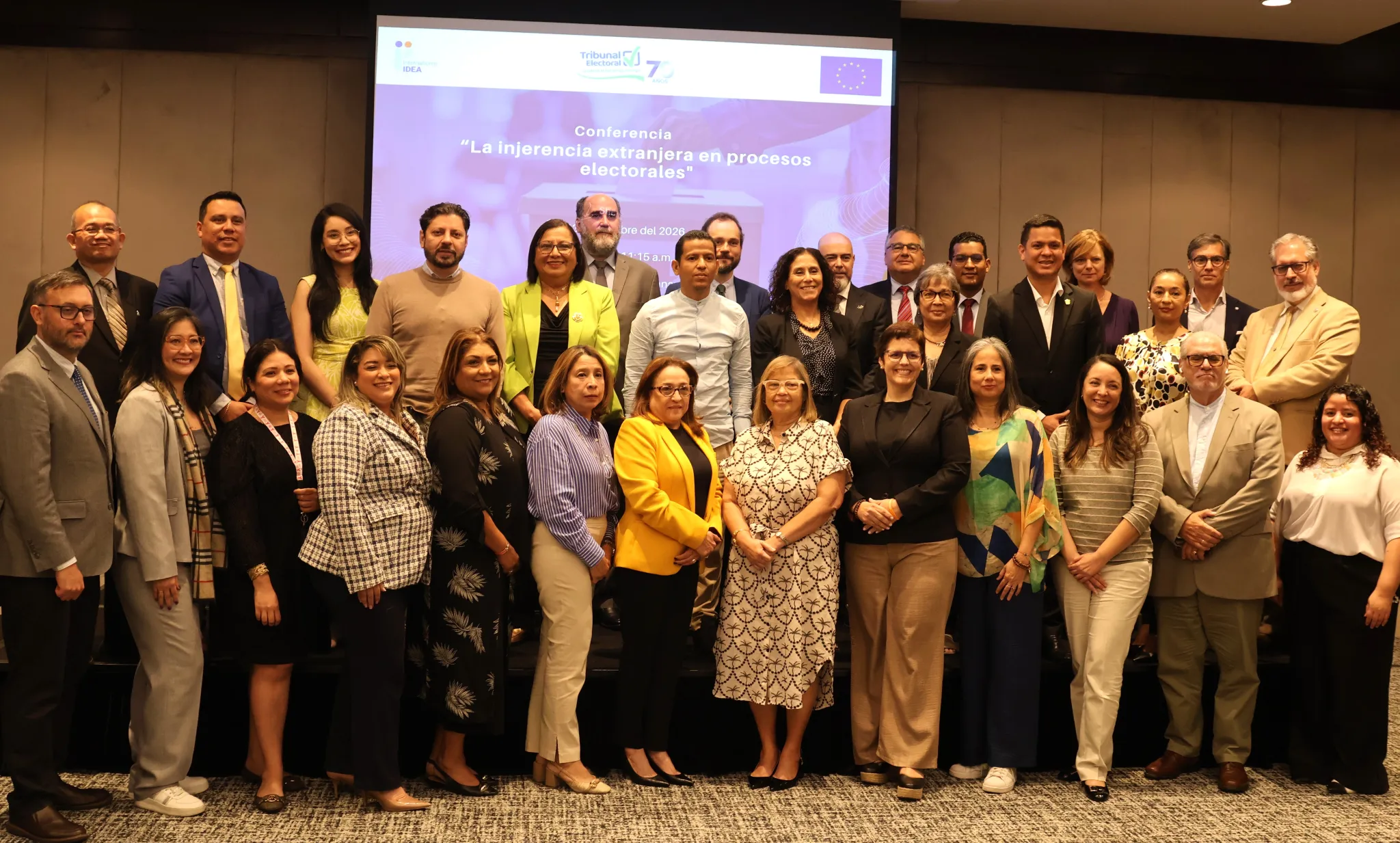
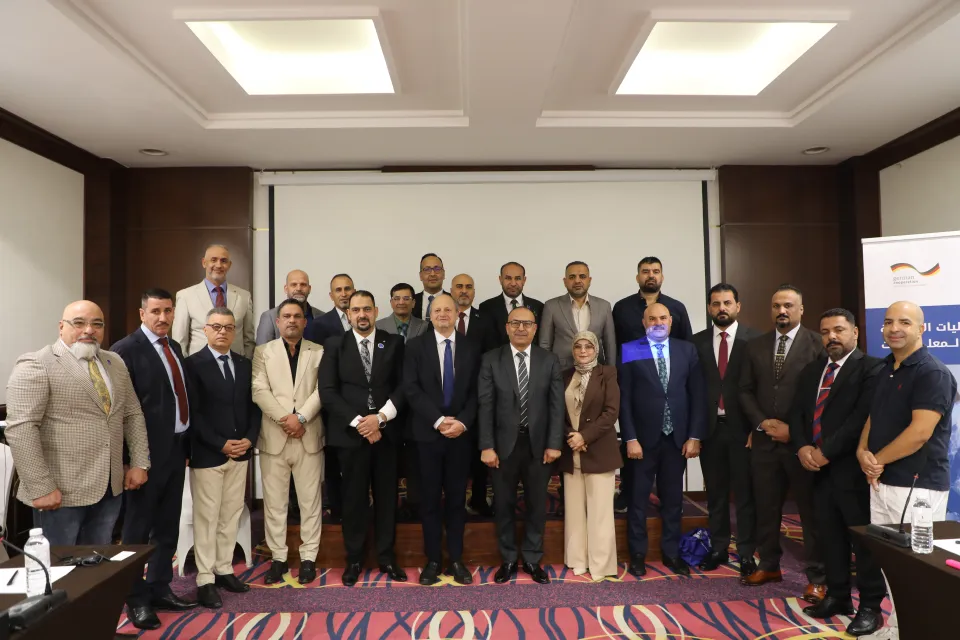
Amid growing concerns over transnational digital influence operations and disinformation campaigns that threaten democratic stability, International IDEA, the Electoral Tribunal of Panama, and the Delegation of the European Union hosted the conference “Foreign Interference in Electoral Processes.”
The event opened with remarks from Yara Campo, Executive Director of the Electoral Tribunal; Jesús Moreno, representative of the European Union Delegation for Latin America and the Caribbean; and Alicia del Águila, Program Manager for International IDEA in Panama.
Speaking as the Electoral Tribunal marks its 70th anniversary, Yara Campo noted that while foreign interference in politics is not a new phenomenon, digitalization has significantly expanded its scale, speed, and opacity, creating new and complex challenges for electoral authorities.
The keynote address was delivered by Alberto Fernández, Head of International IDEA’s Global Digitalization and Democracy Programme. He provided an overview of the global landscape, stressing that foreign interference now operates continuously through social media platforms such as TikTok and Instagram, rather than only during election campaigns.
"In the face of this challenge, democratic resilience requires that government strategies focus not on censoring speech once it has been expressed, but on dismantling illicit content distribution networks before they reach the public," Fernández emphasized.
During his presentation, Fernández highlighted four key challenges facing democracies today:
- The collapse of the traditional information ecosystem: Journalistic verification mechanisms have increasingly been displaced by large digital platforms. Unlike professional journalism, algorithms prioritize user engagement rather than accuracy, often promoting content that fuels outrage, polarization, and confirmation bias.
- Vulnerabilities in citizen decision-making: Citizens increasingly interpret their political environment through manipulated digital spaces, undermining the quality of democratic decision-making.
- Oversight of digital political financing: The most democratic, legal, and effective response to foreign interference is not censorship, but greater transparency and accountability regarding the funding of digital political campaigns.
- Institutionalizing electoral defense: Protecting electoral integrity requires continuous and permanent efforts, moving beyond temporary initiatives established only in the months leading up to elections.
The conference also featured a virtual intervention by Juan Ignacio Zoido Álvarez, Member of the European Parliament, who shared the European Union’s perspective on addressing cyber threats and foreign interference in democratic processes.
A panel discussion brought together Salvador Sánchez, Director of the National Institute for Democratic Studies at the Electoral Tribunal of Panama; Raisa Urribarri, researcher at the International Center for Political and Social Studies (CIEPS); and Nicolás Liendo, Regional Programme Officer at International IDEA. The panelists agreed that digitalization and the rapid development of artificial intelligence have fundamentally transformed both the scale and speed of these threats.
They also emphasized that the effectiveness of foreign influence campaigns lies not only in their technological sophistication, but also in their ability to exploit social polarization and institutional vulnerabilities. As a result, manipulated narratives of uncertain origin can be amplified by citizens and even by members of the media themselves.
The conference concluded with broad participation from representatives of government institutions, international organizations, the diplomatic community, and electoral authorities committed to strengthening democratic resilience and safeguarding electoral integrity.


About the authors