Malaysia explores information environment challenges
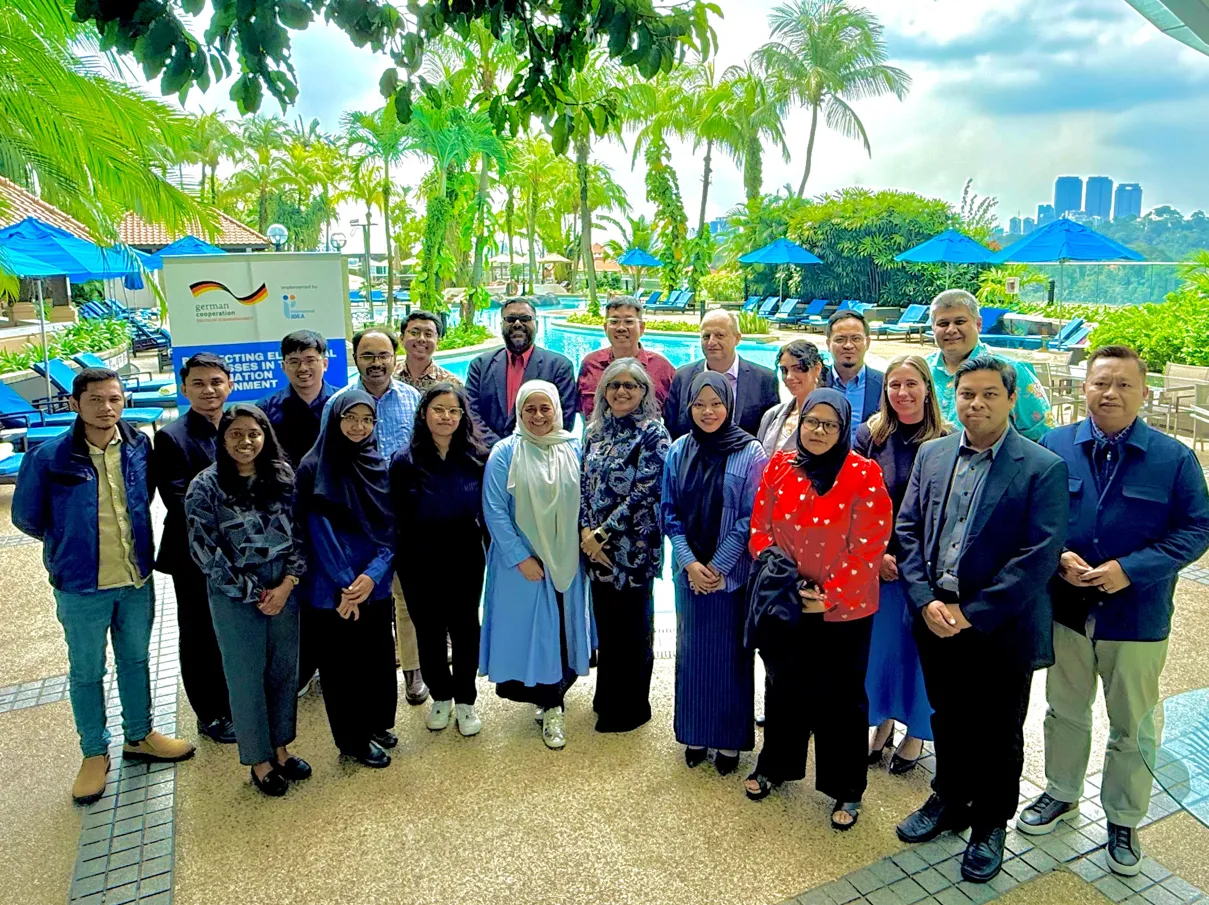
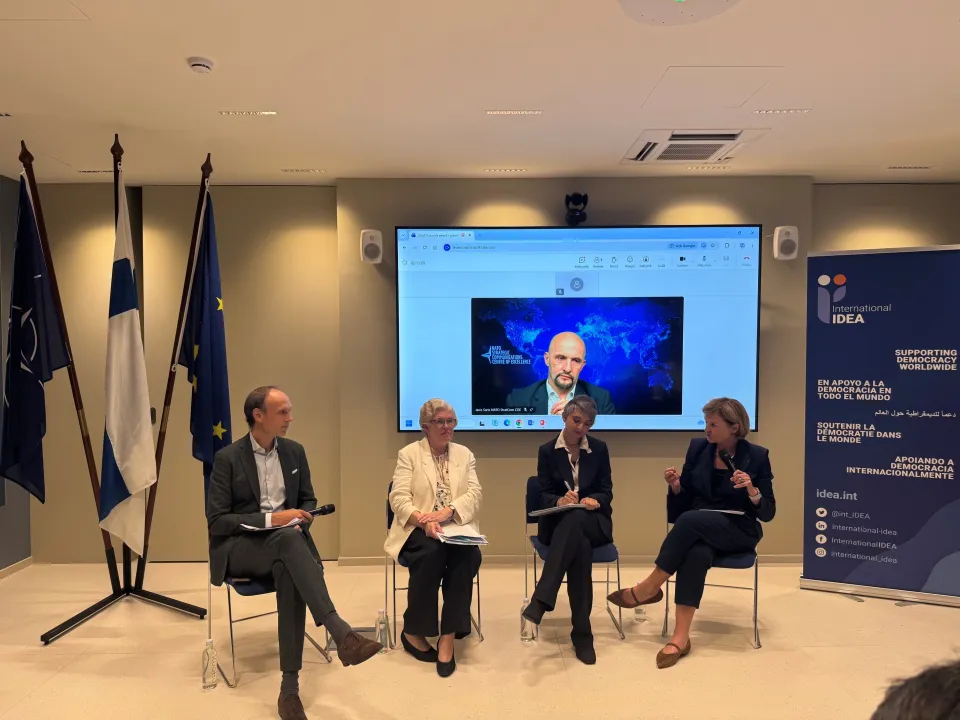
The workshop combined two core components of the project, mapping the information environment and initiating the development of a joint roadmap for action, into a single program. Participants began by examining the information flow across different stages of the electoral cycle, discussing how misleading content, identity-based narratives, and online rumours may influence public perceptions. They also reviewed Malaysia’s existing legal and institutional frameworks, ongoing voter education initiatives, and the role of digital platforms in shaping the information landscape.
Building on the mapping discussions, the workshop then moved toward identifying broad areas that could inform a future roadmap for strengthening information integrity around elections. The group reflected on experiences from their own sectors and considered how different kinds of activities, ranging from voter information efforts to media and digital literacy initiatives, might support clearer public understanding of electoral processes.
The workshop also offered space for comparative insights from other countries participating in the project, allowing Malaysian stakeholders to situate their own experience within a wider global context of evolving information challenges.
Malaysia’s engagement in the workshop contributes to the broader multi-country initiative aimed at improving the understanding of information-related risks around elections, supporting exchanges between electoral practitioners, and strengthening the protection of electoral integrity in diverse contexts.
This workshop is part of a broader project that aims to improve the protection of electoral processes by countering malign influencing practices and learning from evolving discourse and engagement in six different focus countries (Colombia, Fiji, Iraq, Libya, Malaysia, and Paraguay). Informed by global best practices and exchanges between partner countries, the project will enable national actors in focus countries to identify suggestions for the way forward, work towards implementing suggestions, and share lessons learned with global audiences. The project is funded by the German Federal Foreign Office and implemented by International IDEA.


About the authors