International IDEA presents the 2026 Global State of Democracy Report in Panama
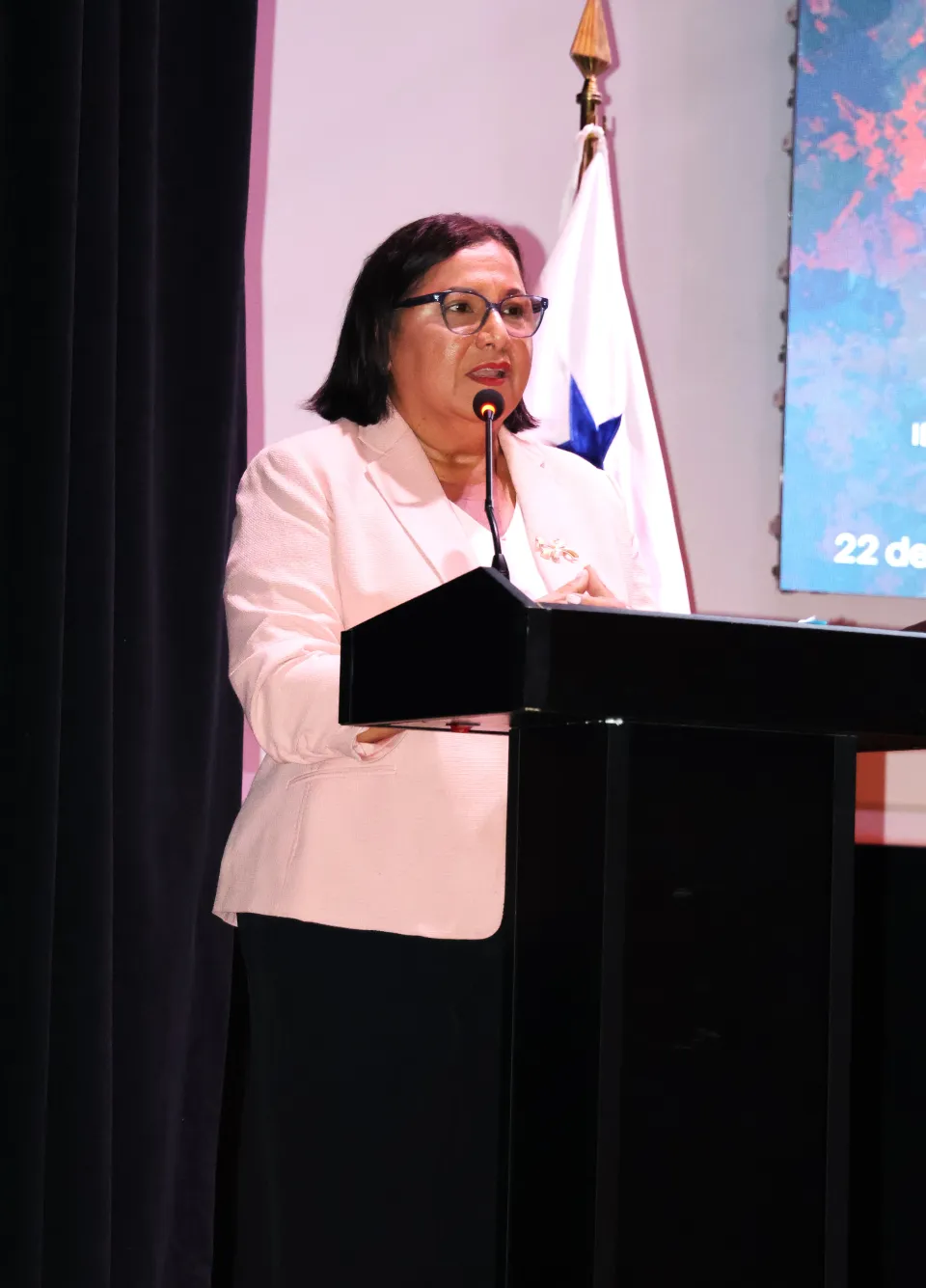
The event opened with remarks by Yara Campo, Institutional Director of the Electoral Tribunal (TE), who underscored the importance of the report as a key resource for electoral practitioners and researchers. She also expressed appreciation for International IDEA’s continued support of the TE through research, publications, and technical cooperation initiatives that strengthen the institution’s day-to-day work.
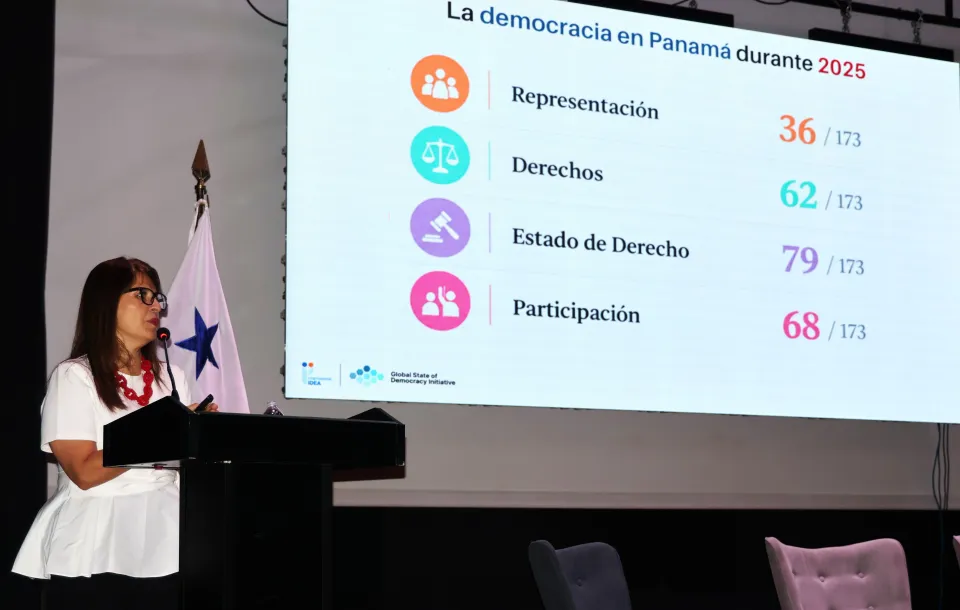
Marcela Ríos Tobar, Director for Latin America and the Caribbean at International IDEA, then highlighted the report’s key findings. She noted that the organization has assessed the democratic performance of 174 countries since 1975 through four broad dimensions: Representation, Rights, Rule of Law, and Participation. These dimensions are measured through 154 indicators drawn from more than 22 official databases maintained by international and peer organizations, as well as selected public opinion surveys.
According to the report, 57 percent of the countries assessed in 2025 (98 countries) recorded a decline in at least one democratic performance indicator compared to five years earlier, while only 32 percent (55 countries) showed improvement.
In Panama’s case, the findings indicate that the country performs above regional averages overall. However, the report highlights significant differences across the four dimensions assessed, with Representation emerging as the strongest area and Rule of Law remaining comparatively weaker. While Panama shows more areas of progress than decline, the report points to emerging concerns regarding economic equality. It also urges policymakers and citizens alike to remain attentive to two broader regional challenges: transnational insecurity and political polarization.
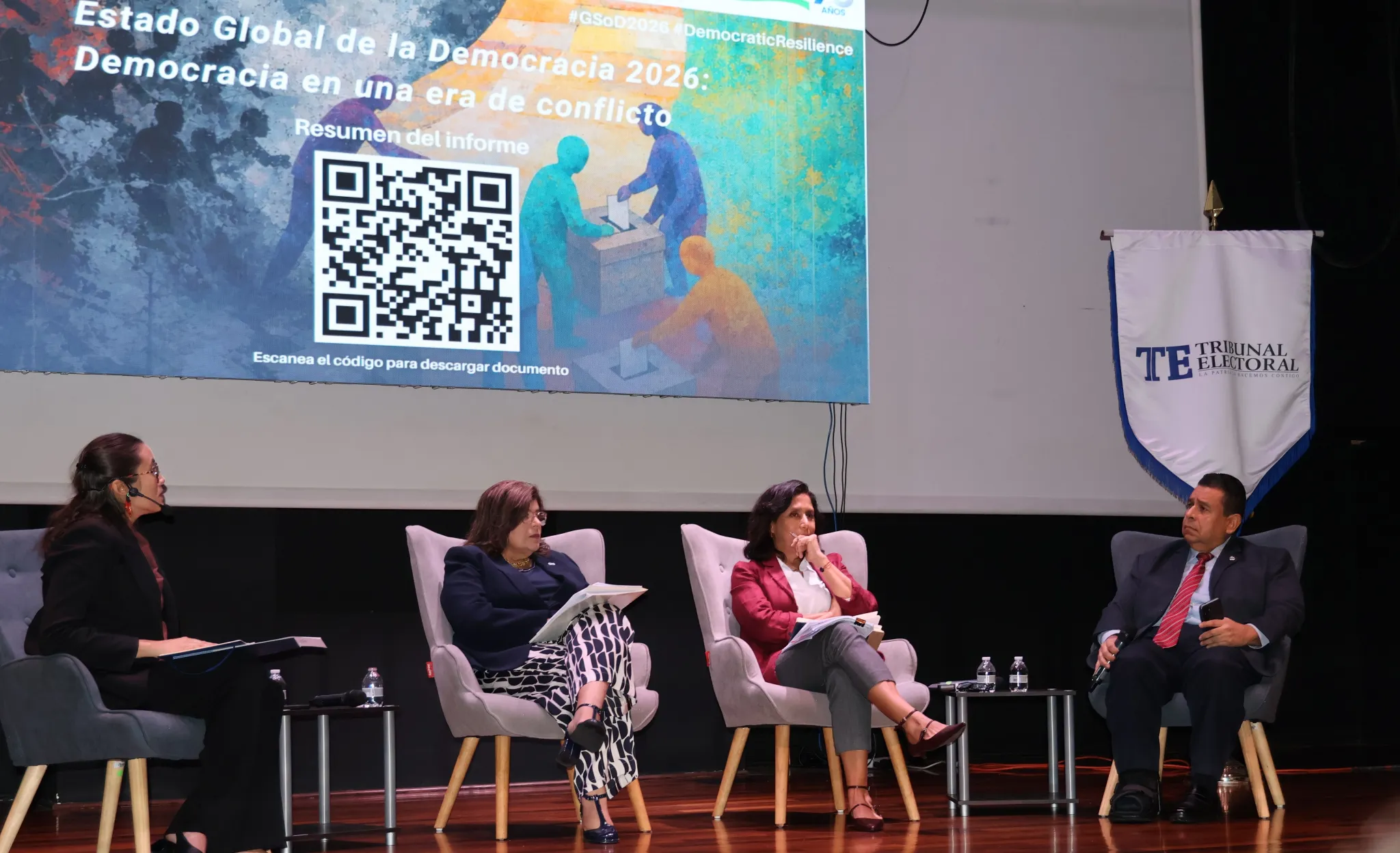
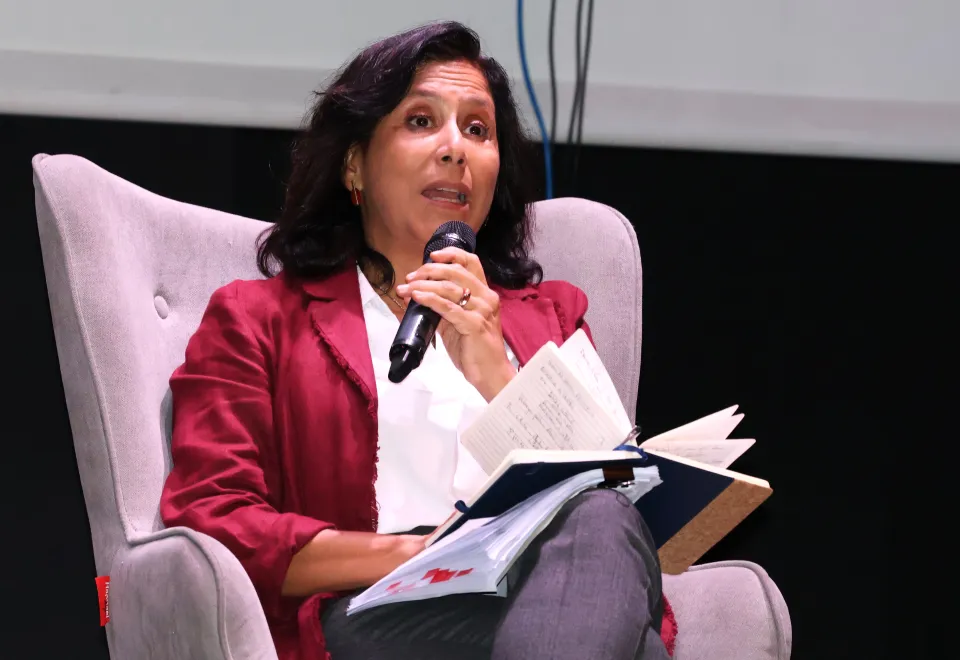
The event, which brought together diplomats, political leaders, academics, and representatives of civil society, concluded with a panel discussion featuring Olga de Obaldía, Executive Director of the Foundation for Civic Freedom; Carlos Díaz, Deputy Director of INED; and Alicia del Águila, Program Manager at International IDEA, moderated by Aluna Serrano, Program Officer at International IDEA’s Regional Office.
Panelists agreed that contemporary democratic backsliding rarely occurs through abrupt ruptures or military coups. Instead, democratic institutions tend to erode gradually through legal and institutional reforms, the concentration of executive power, and the weakening of judicial independence and oversight bodies.
The discussion concluded that democracy is not a static achievement, but a continuous process that must be strengthened and defended every day. Expanding citizen participation, promoting transparency, investing in education, and fostering spaces for institutional dialogue are essential to building democratic resilience.
Presentation of the Global State of Democracy 2026 report, Panama


About the authors