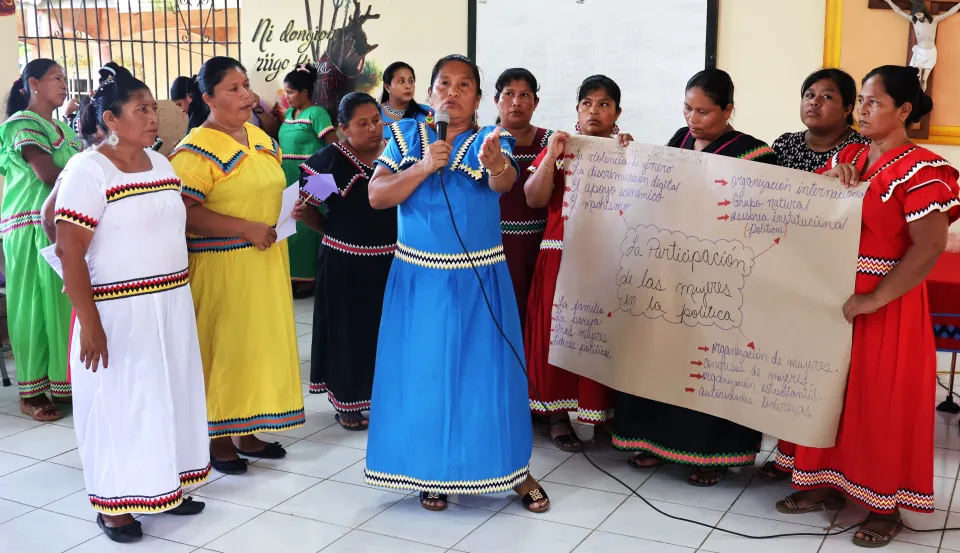
Indigenous young women leading change across Southeast Asia
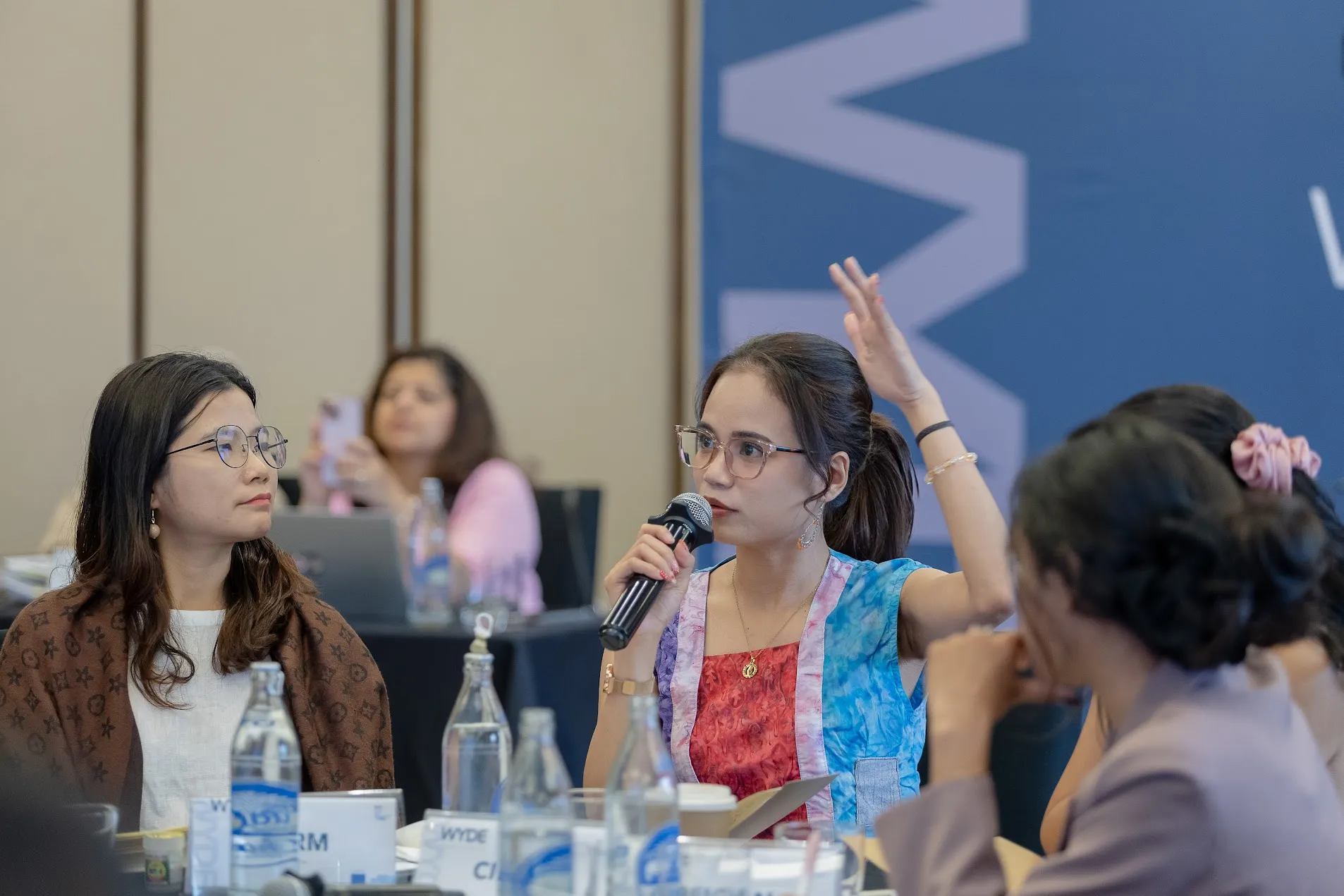
Cindy Yohana, an Indigenous youth leader from the Wairasa community on Sumba Island, Indonesia, and Ricamae Ented, a Tëdurai youth leader from the Bangsamoro Region in the Southern Philippines, joined the Academy as representatives of their communities.
The Academy focused on identifying and challenging negative gender social norms while strengthening positive ones. What stood out were the testimonies of these Indigenous young women, who described being supported and uplifted within their own communities—yet facing challenges when interacting with broader society.
Another shared theme was the strong emphasis placed on food security and food sovereignty. This was not only highlighted by the Indigenous participants but by the Academy’s young women overall. They underscored the importance of community organising, sustainable agriculture, and Indigenous knowledge in ensuring long-term resilience. Their understanding of security extends beyond traditional notions to include the stability and wellbeing of their societies.
Cindy has a background in agriculture and is active in networks including AMAN, the Rights and Resources Initiative, and the Asia Young Indigenous Peoples Network.
The Academy strengthened my belief that Indigenous young women should not have to wait for permission to lead. We are already carrying knowledge, responsibilities, and leadership in our communities. What we need is not simply a seat at the table, but the power to meaningfully influence the decisions that affect our peoples and territories. I want to bring this learning home by creating more spaces for young Indigenous women to learn from our elders, strengthen one another, and step forward as leaders in our communities and beyond.
Indonesia is currently deliberating the long-awaited bill on Indigenous Peoples’ rights—a bill that has been under discussion for nearly twenty years. AMAN has worked persistently to advance the bill through various hurdles, and momentum for its passage is growing.
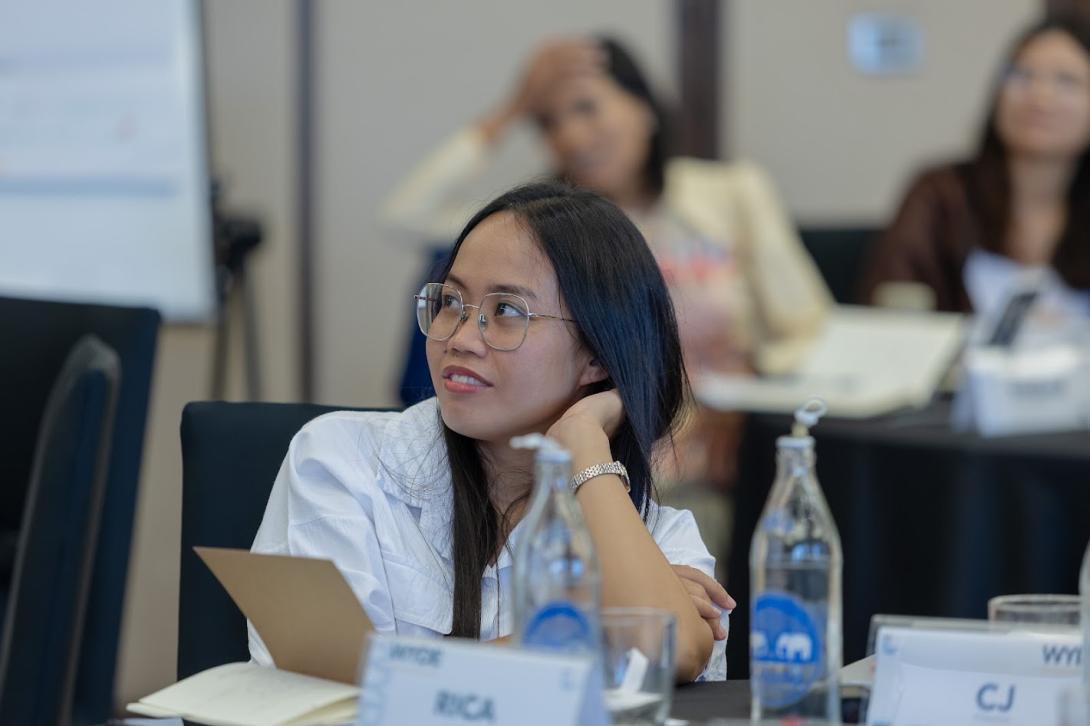
Rica has long been active in Indigenous youth and student movements. She served as a member of the first Technical Working Group that developed the Bangsamoro Regional Action Plan on Youth, Peace, and Security. She is also an alumna of the IP Champions network, which International IDEA helped establish in 2022.
The Philippines has the advantage of having enacted the Indigenous Peoples Rights Act (IPRA), which formally guarantees protection for four bundles of Indigenous rights: ancestral domains and lands; self-governance and empowerment; social justice and human rights; and cultural integrity. However, full implementation remains a challenge. Some aspects of IPRA may offer valuable lessons for Indonesia as it advances its own legislation.
The Bangsamoro Region in Muslim Mindanao (BARMM) is preparing for its long-awaited first elections as an autonomous area following the peace agreement. The elections are now scheduled for 14 September. The organic law provides for two non-Moro representatives to be elected through customary law processes, which limits the likelihood that women or young people from these communities will be able to secure this position. Social norms remain persistent on what it comes to positions of political power.
Resources to analyse constitution and legal frameworks from Indigenous peoples’ rights perspective- see this International IDEA Tool: IPCAT: Indigenous Peoples Rights in Constitutions; Assessment Tool, and EPIC, Environmental Protection in Constitutions.
International IDEA Young Women Empowerment Academy is part of EU funded Women and Youth Engagement in Democracy (WYDE) Project.


About the authors