Inclusion amid crisis: Ensuring the rights of persons with disabilities in post-coup Myanmar
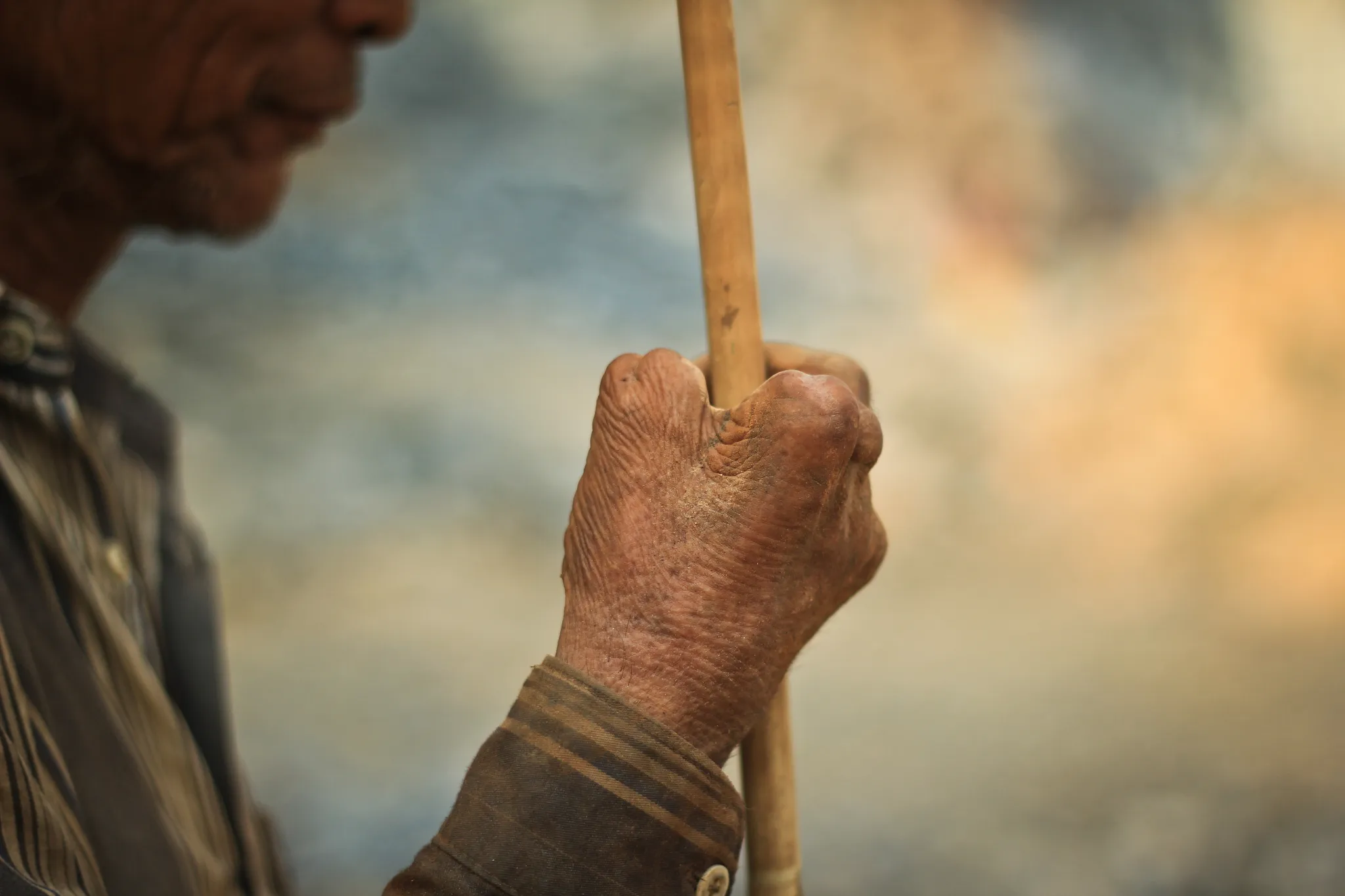
Before the coup, PWD made up an estimated 12.8 per cent of Myanmar’s population and already faced significant barriers to education, employment, and public participation. Since 2021, the situation has worsened. Military attacks and village burnings have endangered those with mobility, hearing, or intellectual impairments—many unable to flee or access emergency information. Reports document cases of ill-treatment because soldiers misinterpreted disabilities as refusal to comply.
Humanitarian access has become increasingly unequal. Assistive devices are scarce, health facilities have been destroyed, and families caring for PWD face growing financial hardship. The March 2025 earthquake further exposed gaps in emergency response, with hundreds of PWD left without rehabilitation, shelter, or medical aid. The number of PWD is expected to rise due to conflict-related injuries and landmine explosions.
Despite these challenges, Myanmar’s interim democratic institutions—including the National Unity Government (NUG) and the National Unity Consultative Council (NUCC)—have shown commitment to disability inclusion. NUG Ministries have partnered with disability organizations to expand rehabilitation services and accessible education.
These efforts reflect genuine political will, even amid insecurity and limited resources. However, much more is needed. Public communications often remain inaccessible to people with visual, hearing, or intellectual disabilities. Relief programs cannot effectively reach PWD without stronger coordination, funding, and inclusive practices. Interim institutions require sustained international support to keep disability inclusion central to Myanmar’s democratic transition.
International IDEA has been working with PWD, civil society, and interim institutions to ensure that persons with disabilities are active participants in shaping Myanmar’s future and can define strategies for their inclusion. Through accessible training, civic education materials, and capacity-building with PWD-led organizations, International IDEA promotes inclusive democratic reform.
“While some persons with disabilities have been able to access education, health, and some services during the revolutionary period, they have had little to no access to employment opportunities. If more job opportunities can be created for persons with disabilities, it will be invaluable for them, and no one will be left behind. This will lead to greater trust in the government and make the federal system more effective. We believe that "nothing about us without us" must not be forgotten” – Participant in IDEA webinar
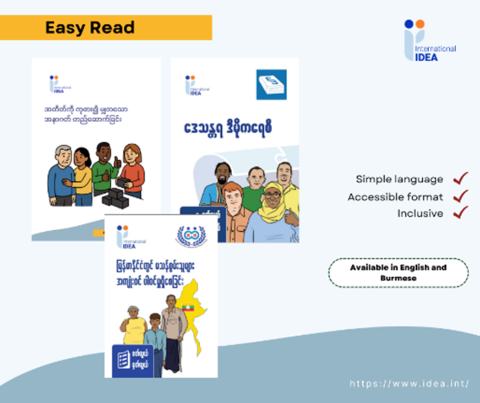
International IDEA’s easy-read resources in Burmese and English help PWD engage in community dialogues and political processes. These booklets use simple language, short sentences, and visuals to make democracy, transitional justice and inclusion themes in post-coup Myanmar more accessible.
Looking ahead, disability inclusion must be a foundational element of Myanmar’s federal democratic framework. Equal rights, non-discrimination, accessibility, and full political participation must be guaranteed at all levels. Involving PWD in drafting constitutional arrangements and establishing consultative mechanisms will be key to lasting change.
On this International Day, solidarity must translate into action. The international community needs to expand financial and humanitarian support for PWD and disability-focused civil society, strengthen engagement with inclusive institutions, and ensure emergency responses prioritize accessibility. Every step toward inclusive governance brings Myanmar closer to a future where PWD can live with dignity, safety, and opportunity. In one of the world’s most neglected conflicts, PWD continue to show resilience and leadership. They deserve nothing less than full inclusion in the rebuilding of their country.


About the authors