International IDEA and the Electoral Tribunal of Panama are examining the measures needed to protect future electoral processes
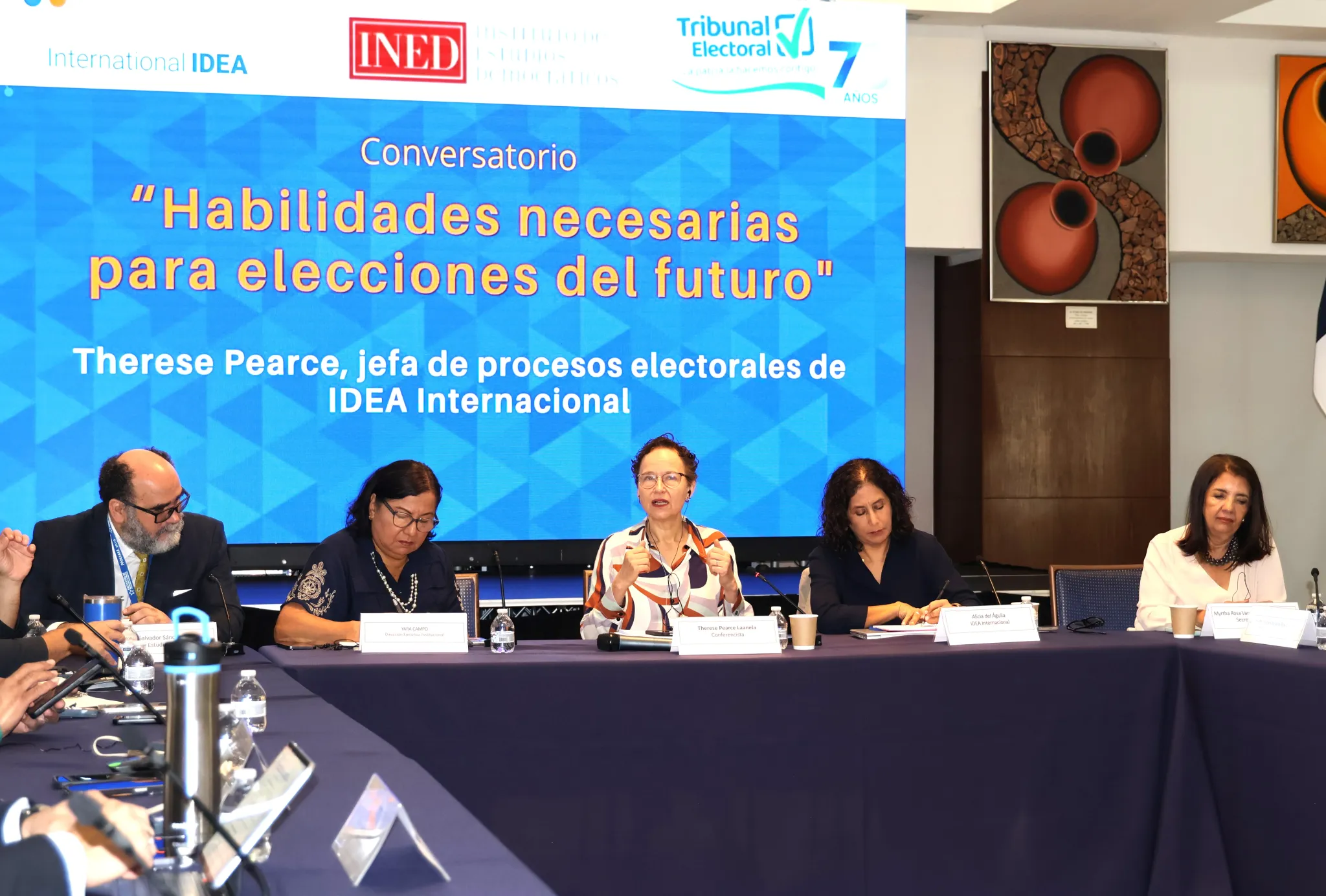
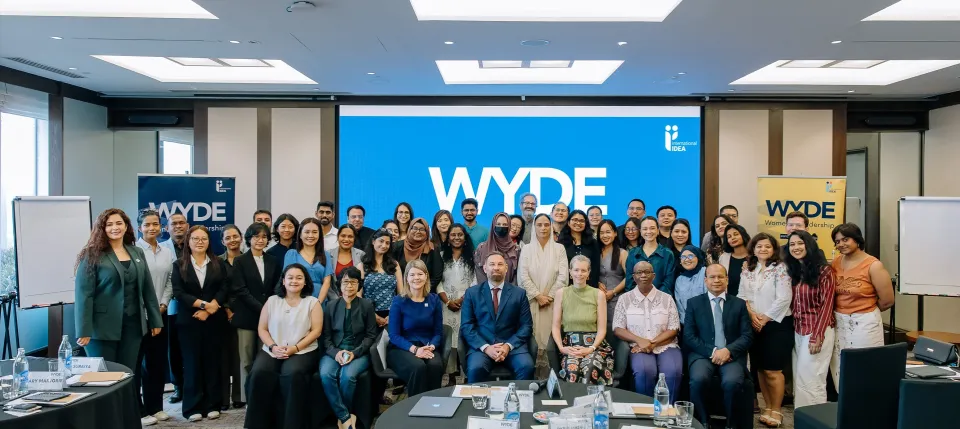
The event featured a keynote presentation by Therese Pearce, Head of Electoral Processes at International IDEA, alongside Yara Campo, Executive Director of the TE; Salvador Sánchez, Director of the Institute for Democratic Studies (INED); Alicia del Águila, Program Manager for International IDEA in Panama; and Raisa Caballero, a project associate with the organization. Also in attendance were directors from various operational areas of the electoral body.
During the event, participants discussed the shift in focus that electoral management has undergone at the international level. While three decades ago the priority lay in designing and establishing democratic and institutional frameworks, today the central challenge is to safeguard the integrity of elections and the reputation of electoral bodies in the face of polarized environments, targeted disinformation, digital violence, and the effects of climate change.
In her remarks, Therese Pearce emphasized that election staff—both permanent and temporary—are the most valuable asset for building public trust. However, she cautioned that they also represent a major vulnerability if they lack adequate institutional support to cope with situations of extreme pressure and stress.
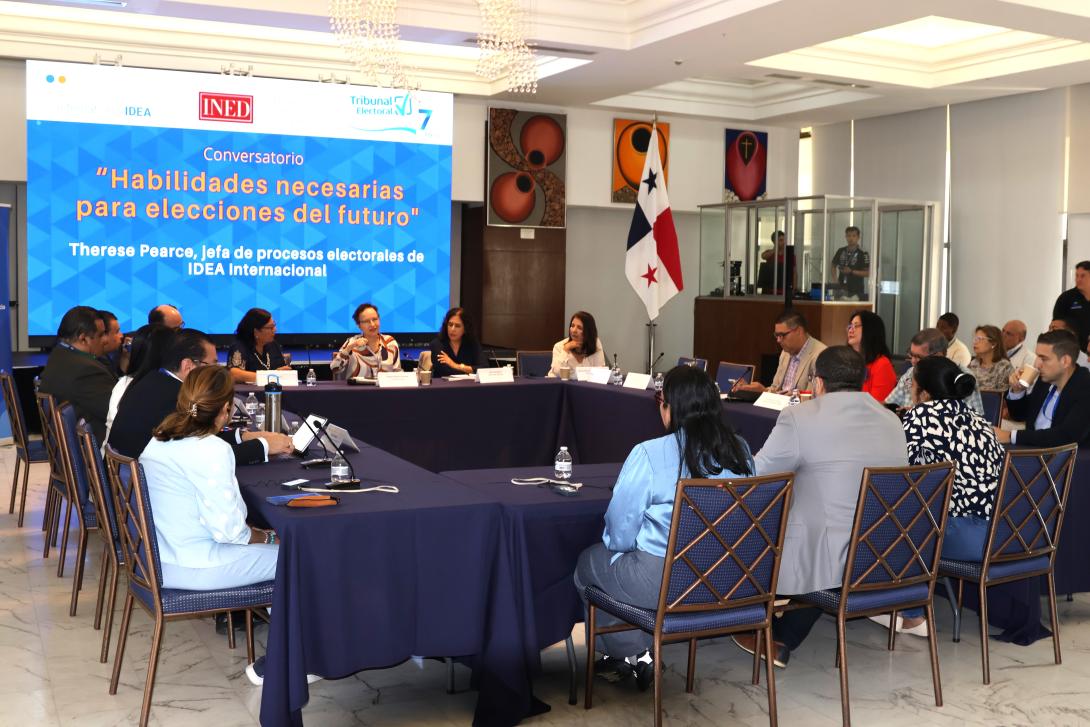
Pearce also noted that, globally, election authorities are facing increasing difficulties in recruiting and retaining temporary staff, which requires a reevaluation of traditional work models.
Given this scenario, participants agreed on the urgency of implementing strategic reforms aimed at modernizing human resources training. These include shifting from theoretical approaches to practical training with role-playing exercises—inspired by emergency and security agency protocols—that allow for rehearsing conflict de-escalation and identifying resilient leaders.
In addition to redesigning forms, packaging, and polling place logistics to make them clearer and more intuitive, thereby drastically reducing the margin for human error during times of high operational stress.
And finally, to promote election administration as a professional career governed by high ethical standards, grounded in international frameworks and initiatives such as the New Delhi Declaration and the BRIDGE project.
Pearce noted that Panama is frequently recognized as a model of best practices in the region, highlighting in particular the post-election evaluation processes that the Electoral Tribunal conducts in a participatory manner with various key stakeholders in society.
This activity is part of the initiatives carried out under the Technical Assistance Project for the Electoral Tribunal of Panama, led by International IDEA to strengthen institutional capacities and consolidate democracy in the country.


About the authors