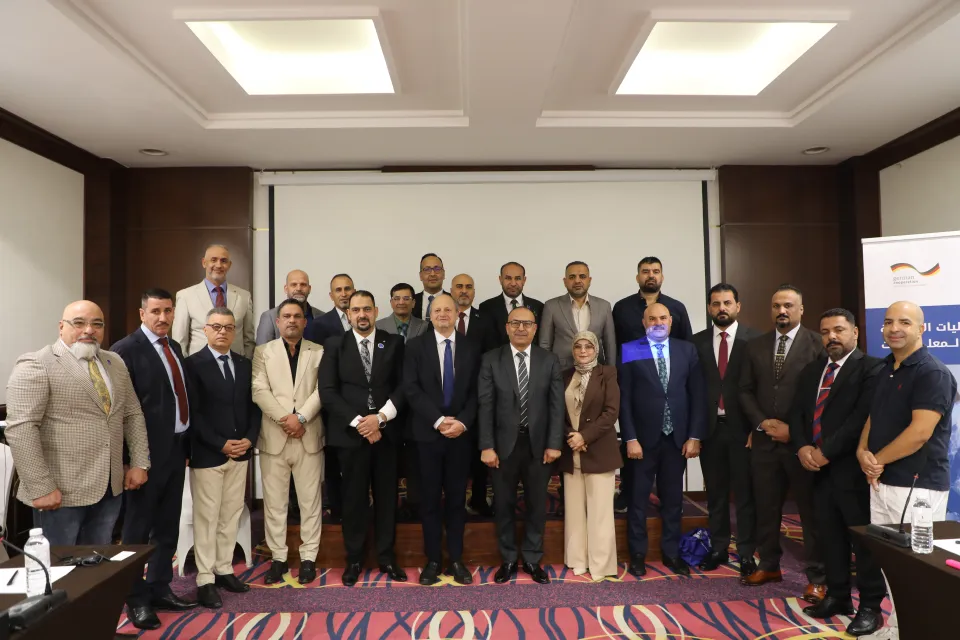
2025 Elections review launch: Inclusion, transparency and trust
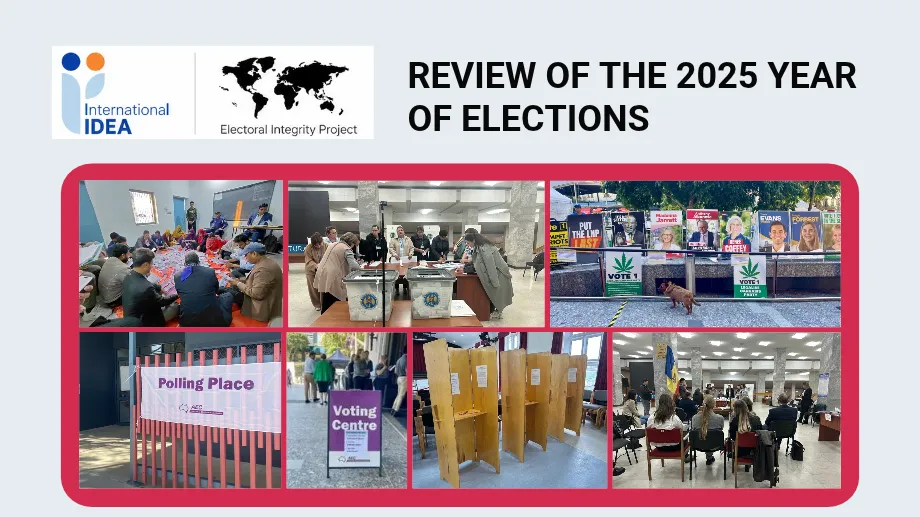
International IDEA and the Electoral Integrity Project (EIP) launched Review of the 2025 Year of Elections: Inclusivity, Transparency and Trust, bringing together electoral experts and practitioners to examine global electoral trends, emerging threats and innovative responses. A central message of the jointly published report was that electoral institutions continue to adapt and innovate despite mounting challenges, including political interference, disinformation, electoral violence, natural hazards and financial inequalities.
Key findings from the report’s analysis of elections held in 2025 include:
- Campaign Finance: 2025 highlighted persistent irregularities involving campaign spending, weak oversight and enforcement of existing laws, and interference by corporate and foreign interests.
- Mis- and disinformation: Instances of mis- and disinformation narratives were recorded in at least 62 per cent of the 39 national elections monitored.
- Gender-based violence: In at least 22 countries monitored, instances of gender-based violence were recorded in national electoral contexts, many of them committed, enabled or amplified through digital technologies.
- Natural hazards: Floods, heatwaves, tropical storms and other natural hazards affected 12 national and local elections in 11 countries monitored, highlighting the growing impact of extreme weather on electoral processes.
The publication was launched at a global webinar on 13 October 2026, hosted by International IDEA and co-sponsored by EIP, with more than 190 registrants from around the world. An in-person event followed in Stockholm, Sweden, on 15 October, bringing together more than 50 participants from electoral management bodies (EMBs), EMB networks, electoral assistance providers and development partners.
Global webinar: Lessons from the 2025 elections
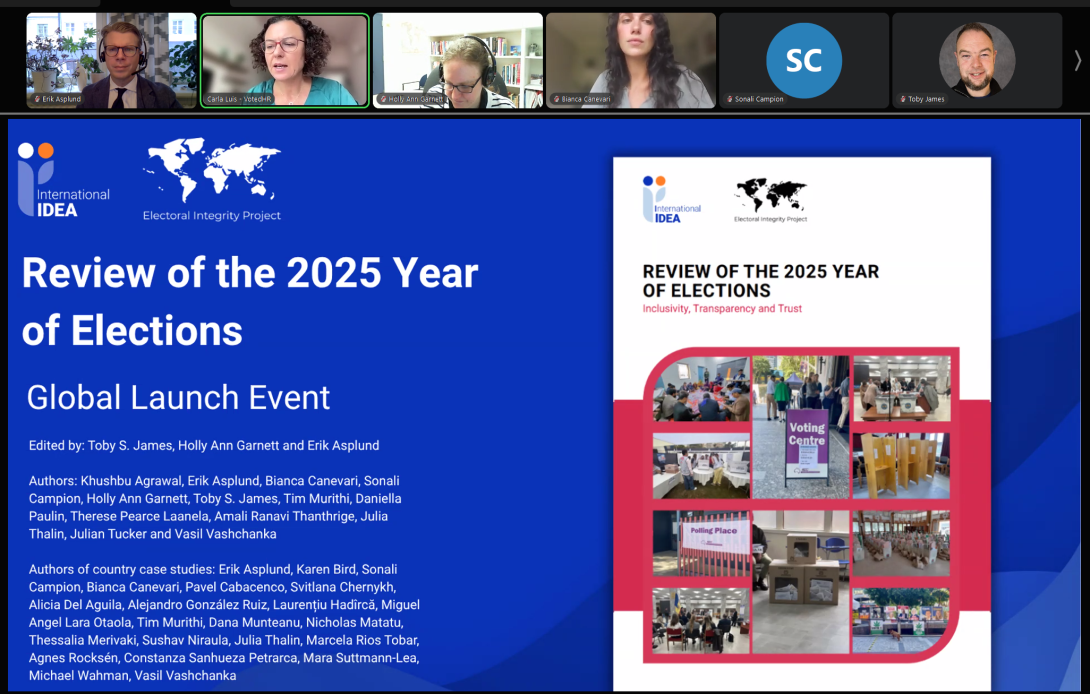
Opening the webinar, Erik Asplund, Senior Adviser at International IDEA, underscored the importance of the report as a follow-up to the Review of the 2024 Super-Cycle Year of Elections report, highlighting its role in identifying lessons from the 2025 electoral cycle to inform and strengthen future elections. Toby S. James, Co-Director of the EIP, introduced electoral integrity as a framework centered on citizen empowerment, emphasizing contestation, deliberation, participation and adjudication. While global electoral quality has not declined overall, campaign finance and media integrity remain particularly vulnerable.
Turning to campaign finance, Khushbu Agrawal, Adviser at International IDEA, identified persistent regulatory gaps, excessive spending, misuse of state resources and the challenges posed by foreign financing and online campaigning. Drawing on examples from Moldova, Ireland and the Netherlands, she stressed the importance of stronger regulations, adequately resourced oversight bodies and effective enforcement.
Later, Vasil Vashchanka, researcher at Radboud University, examined electoral malpractice through three categories: manipulation of electoral rules, voters and votes. Drawing on examples including electoral redistricting in the United States, vote buying in the Philippines and unrest in Cameroon, he warned that longstanding forms of malpractice continue to evolve and threaten electoral legitimacy. Addressing election-related violence, Tim Murithi, Senior Adviser at the Institute for Justice and Reconciliation, highlighted the consequences of authoritarian pressures, excessive police force and political violence, including cases involving youth-led protests in Kenya and Nigeria. He advocated for transitional justice, political dialogue and sustained institutional protection between elections.
Julia Thalin, Associate Programme Officer at International IDEA, then examined gender-based violence in elections, emphasizing the growing prevalence of technology-facilitated abuse. Of 29 cases identified through expanded research in 2025, 25 involved digital technologies. She highlighted promising legal and institutional responses while calling for comprehensive measures to protect women's political participation. As for the information environment, Bianca Canevari, Associate Programme Officer at International IDEA, noted that misinformation, disinformation and polarized media coverage affected at least 62 per cent of the 39 national elections monitored in 2025, according to the Global Election Monitor. She discussed the growing influence of digital platforms and artificial intelligence, highlighting Australia's proactive institutional communication as a promising practice and emphasizing the importance of multi-stakeholder cooperation.
Sonali Campion, a researcher at the University of East Anglia, explored the drivers of electoral management malfunctions, including insufficient resources, inadequate staffing, partisan divisions and external factors such as extreme weather during election events. By contrasting the operational challenges in Kosovo with Australia's risk management approach, she underscored the importance of institutional preparedness, independence and proactive communication.
The webinar concluded with reflections from three international commentators. Carla Luís, from the University of Coimbra, highlighted improvements in electoral inclusivity while calling for stronger regulation of political finance and digital environments, alongside closer cooperation between EMBs and civil society. Jennifer Morrell, CEO of The Elections Group, emphasized the challenges faced by under-resourced electoral authorities and argued that transparency alone does not necessarily generate trust, stressing the importance of institutional relationships and human-centered approaches. Sarah Johnson, from The Carter Center, discussed growing polarization and threats to electoral integrity in the United States, raising concerns about voter registration restrictions, mail voting and misunderstandings surrounding nonpartisan election observation.
In conclusion, Holly Ann Garnett, also Co-Director of the EIP and Erik Asplund, closed the webinar underscoring the increasing complexity of electoral integrity and the importance of coordinated institutional responses to interconnected challenges.
Access the full webinar in this article or on International IDEA’s YouTube channel:
Stockholm launch: Learning across borders
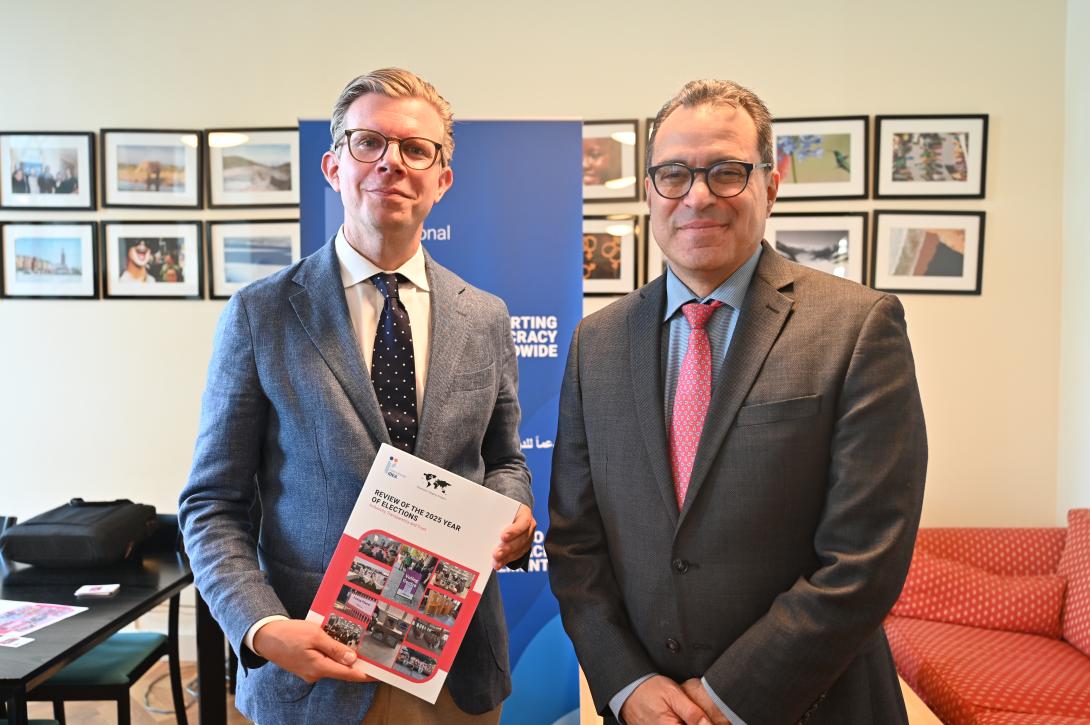
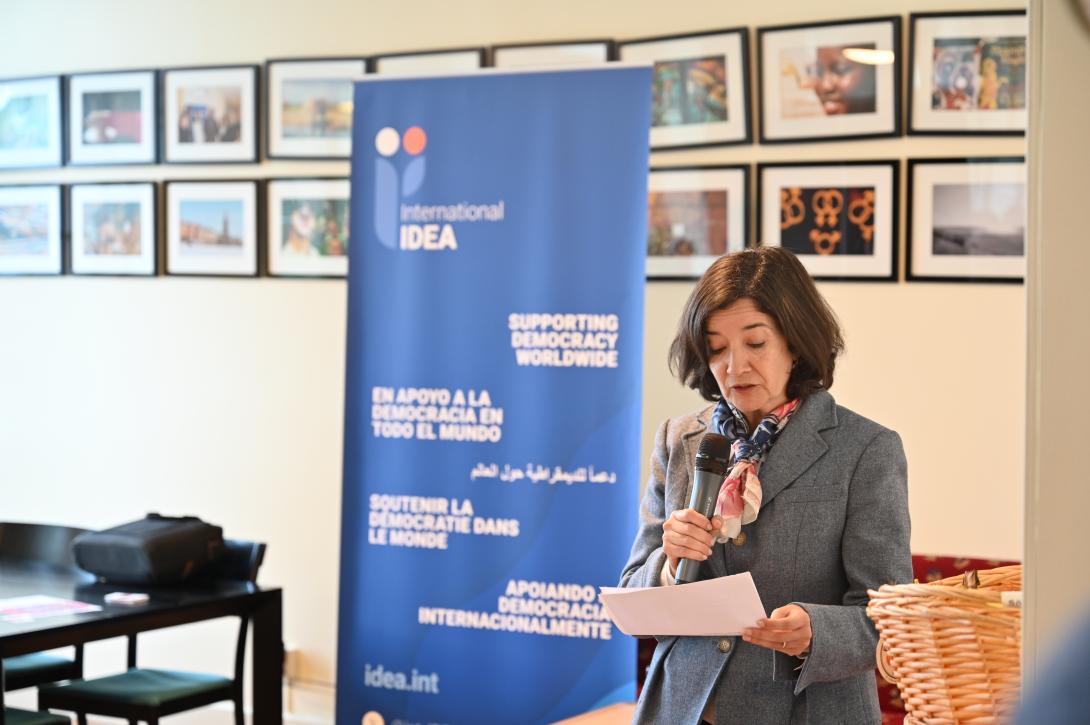
More than 50 participants representing electoral management bodies (EMBs), electoral assistance providers, EMB networks, development partners, government institutions, civil society and academia attended the launch event on 15 October at International IDEA’s headquarters in Stockholm. Participants included representatives from EMBs in Chile, Ukraine, Armenia, Nepal and Peru; international and regional organizations such as UNDP, UN Women, the Commonwealth Secretariat and RECEF; and development partners, including the Swedish International Development Cooperation Agency (Sida), the European Commission, and the governments of Canada and France. The event was moderated by Erik Asplund, Senior Advisor at International IDEA and co-editor of the report, who conducted reflections on the findings of the Review of the 2025 Year of Elections.

Secretary-General Kevin Casas-Zamora delivered welcoming remarks. He highlighted that approximately 40 countries held national elections in 2025 and emphasized the importance of identifying global trends and lessons to strengthen future electoral processes. While acknowledging persistent threats, including electoral violence, disinformation, cyberattacks, natural hazards, and weaknesses in media integrity and political finance, he stressed that overall election quality remained stable in 2025, demonstrating the resilience and innovative capacity of electoral management bodies.
Furthermore, the Secretary-General stressed promising practices from Albania, Chile, Malawi, and Australia, ranging from new overseas voting arrangements to whole-of-society approaches to countering disinformation and online violence. Concluding his remarks, he underscored the report’s value in enabling researchers, practitioners, and policymakers to learn from evidence and exchange good practices, emphasizing that elections are not static or doomed to decline, but can adapt and earn public trust through resolve, creativity, and cooperation.
Maria Cristina Escudero, Councilor, Chile's Electoral Service (SERVEL), then highlighted the report's value as an instrument for mutual learning among electoral institutions. Noting a global average voter turnout of 66 per cent, she emphasized that electoral challenges coexist with significant institutional innovation, such as the Governance Roundtable for Electoral Information Integrity created by SERVEL to prevent disinformation and gender-based digital violence, and stressed the importance of building consensus around long-term, state-level policies for electoral integrity.
Finally, Armen Smbatyan, Secretary of Armenia’s Central Electoral Commission (CEC), praised the report’s quality and value as a complement to International IDEA’s Global State of Democracy (GSoD) report. He also emphasized that cooperation among EMBs must extend beyond technical exchanges to include direct dialogue, institutional relationships and solidarity.

From challenges to innovation
Discussions at both events underscored that safeguarding electoral integrity requires more than responding to immediate threats. It calls for sustained investment in institutional capacity, effective regulation, inclusive participation and cooperation across the electoral ecosystem. The review balances concern with optimism: while electoral challenges are becoming more complex, institutions continue to develop innovative solutions. By documenting these experiences and supporting international learning, the annual review offers lessons for elections in 2026 and beyond.


About the authors