Dialogue on Constitutionalism and Democracy in Latin America
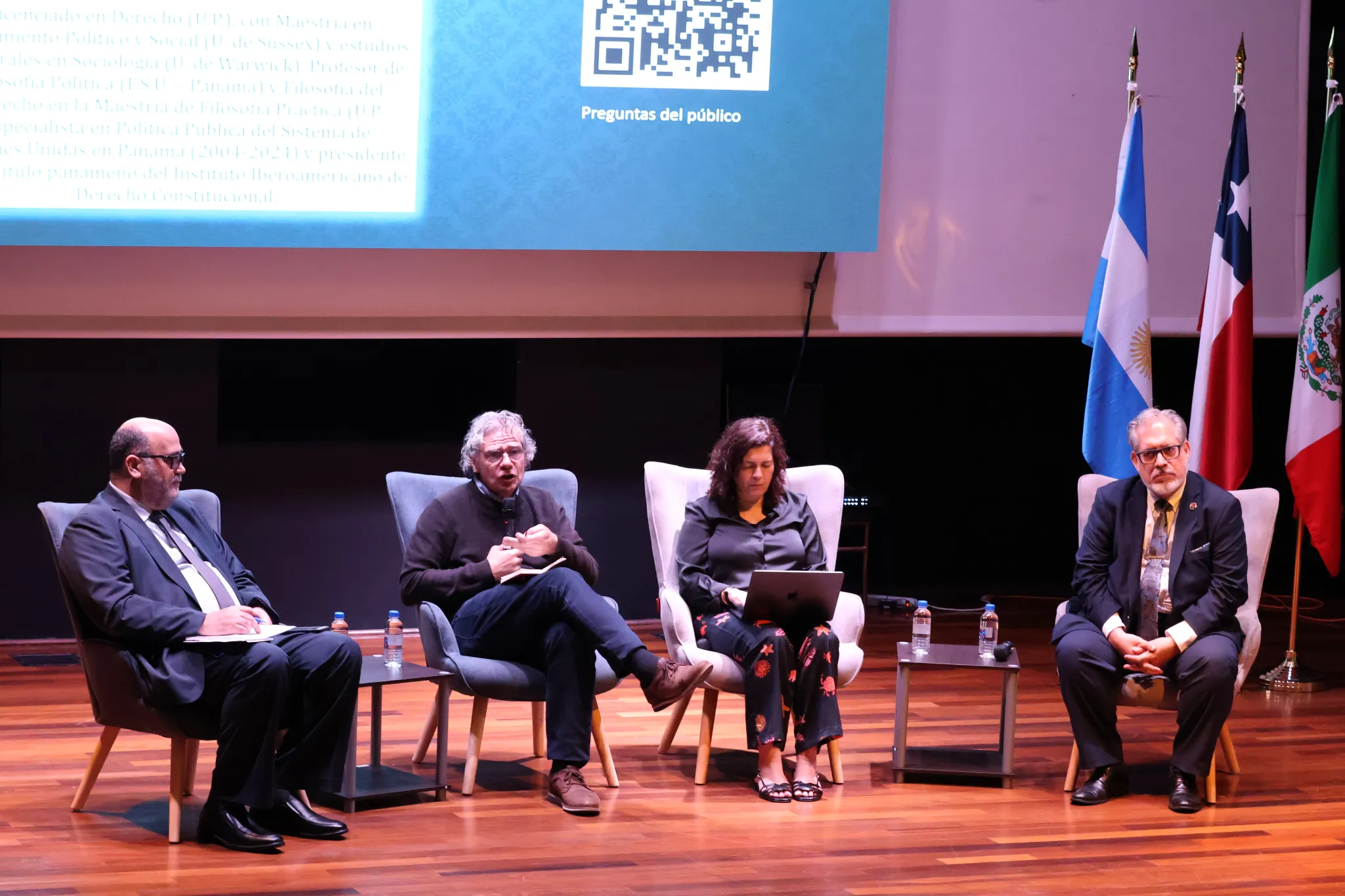
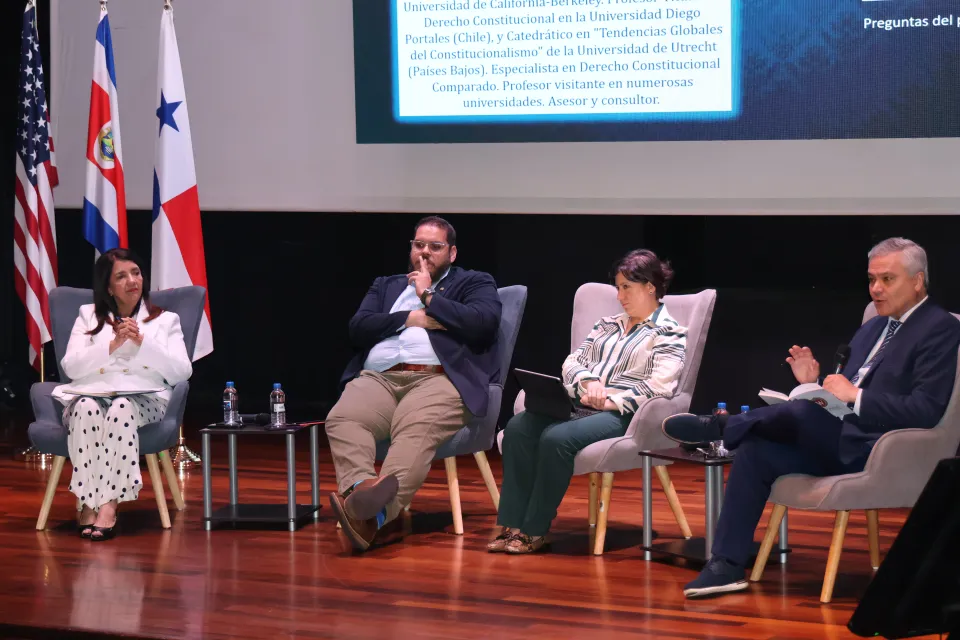
The conference brought together leading constitutional specialists from across the region, including Roberto Gargarella, Francisca Pou, Javier Couso, Montserrat Solano, Jorge Giannareas and Carlos Bichet. Participants examined the challenges facing democratic governance in Latin America, the role of constitutions in safeguarding democracy, constitutional reform processes, and the evolving landscape of constitutional justice in the region.
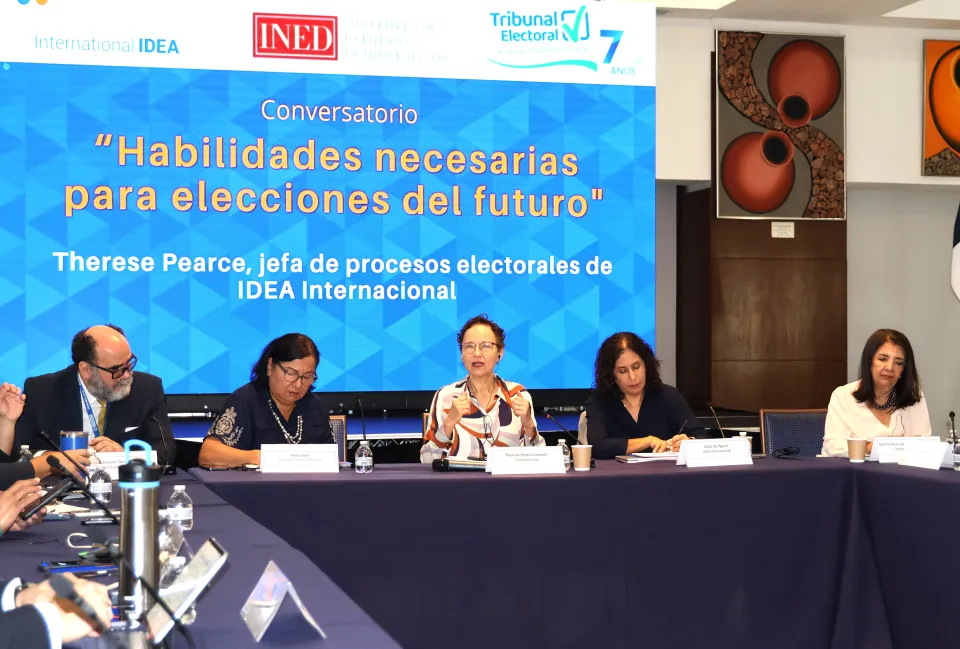
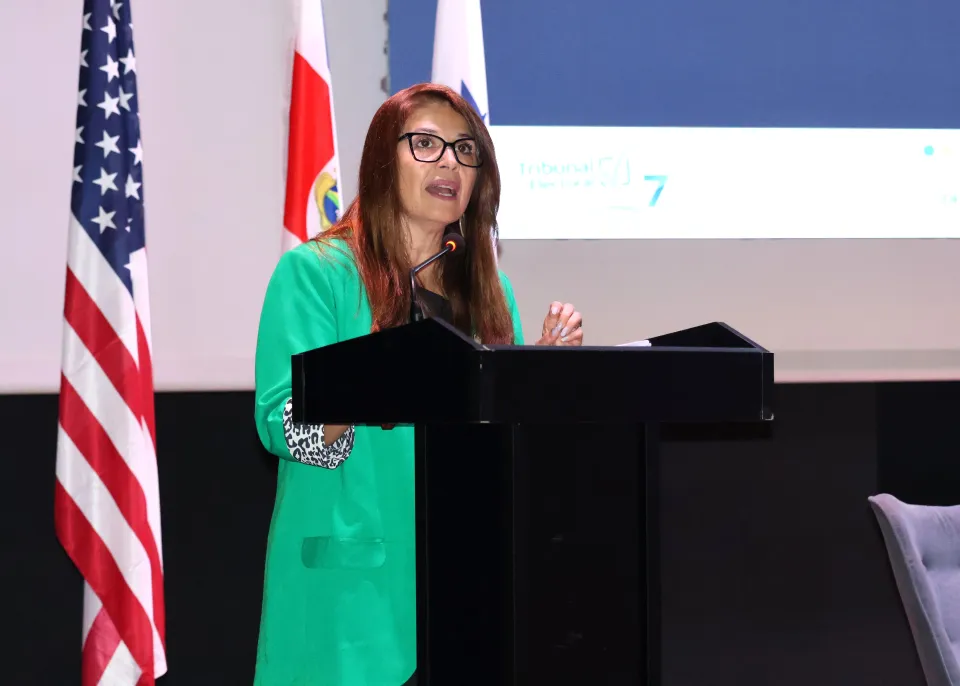
Opening remarks were delivered by Narciso Arellano, President of the Electoral Tribunal of Panama; Daniel Markovits, Professor at Yale Law School and Director of SELA; and Marcela Ríos Tobar, Regional Director for Latin America and the Caribbean at International IDEA.
In her address, Ríos Tobar highlighted that, although military coups have become less common in Latin America, democracies are increasingly threatened by a gradual process of internal erosion, which she described as “authoritarian legalism.” She noted that this phenomenon occurs when elected leaders use legal mechanisms to weaken democratic institutions while maintaining the appearance of constitutional legitimacy.
To illustrate these regional trends, Ríos Tobar referenced findings from International IDEA’s Global State of Democracy report. The data points to a mixed democratic landscape across the Americas: over the past five years, fifteen countries have experienced declines in democratic performance, while only eleven have recorded improvements.
During the discussions, speakers emphasized that the instability of democratic systems in Latin America is not a recent development but reflects longstanding tensions between liberal and conservative political traditions dating back to the nineteenth century. Participants also reflected on the conditions necessary for successful constitutional reform, stressing that new constitutions should emerge from broad and inclusive public deliberation rather than elite-driven negotiations or political imposition.
The discussion underscored three key stages of a legitimate constitutional process: a citizen-backed decision to initiate change, the election of a constituent body under clear and agreed rules, and the ratification of the final text through a referendum. Together, these steps help ensure both democratic legitimacy and public ownership of constitutional reform.
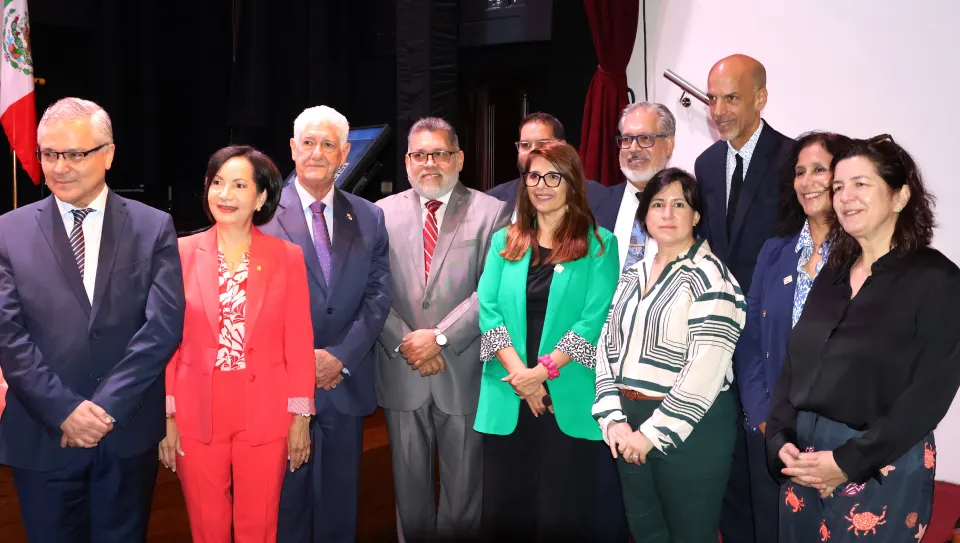
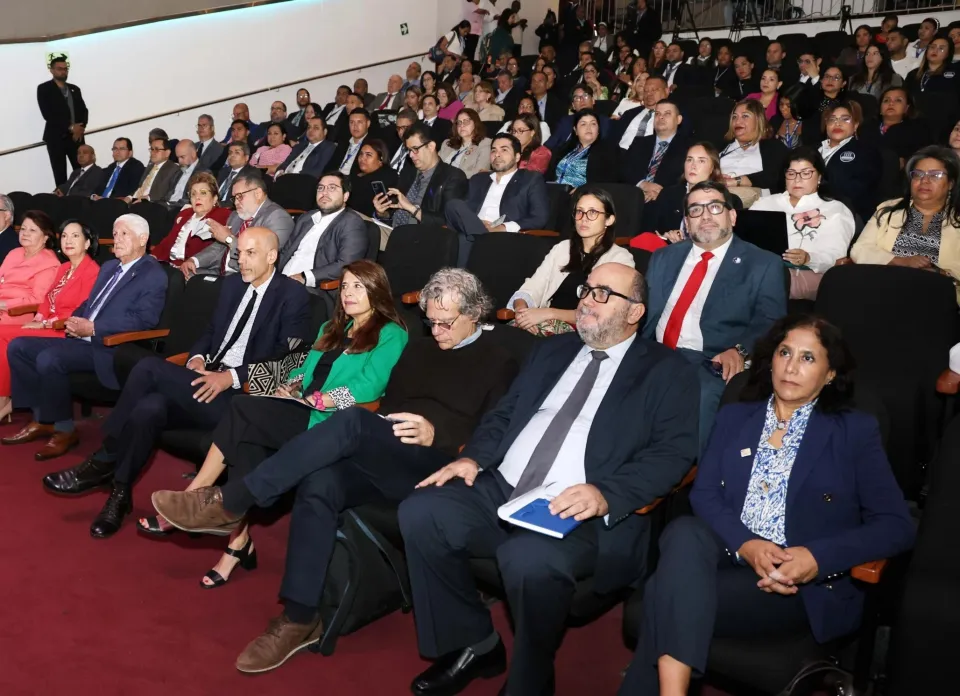
The event brought together women representatives of the judiciary, members of the diplomatic corps accredited in Panama, academics, students, and officials from the Electoral Tribunal, among other participants.


About the authors