#DemoTalk 2: Advancing women’s political participation
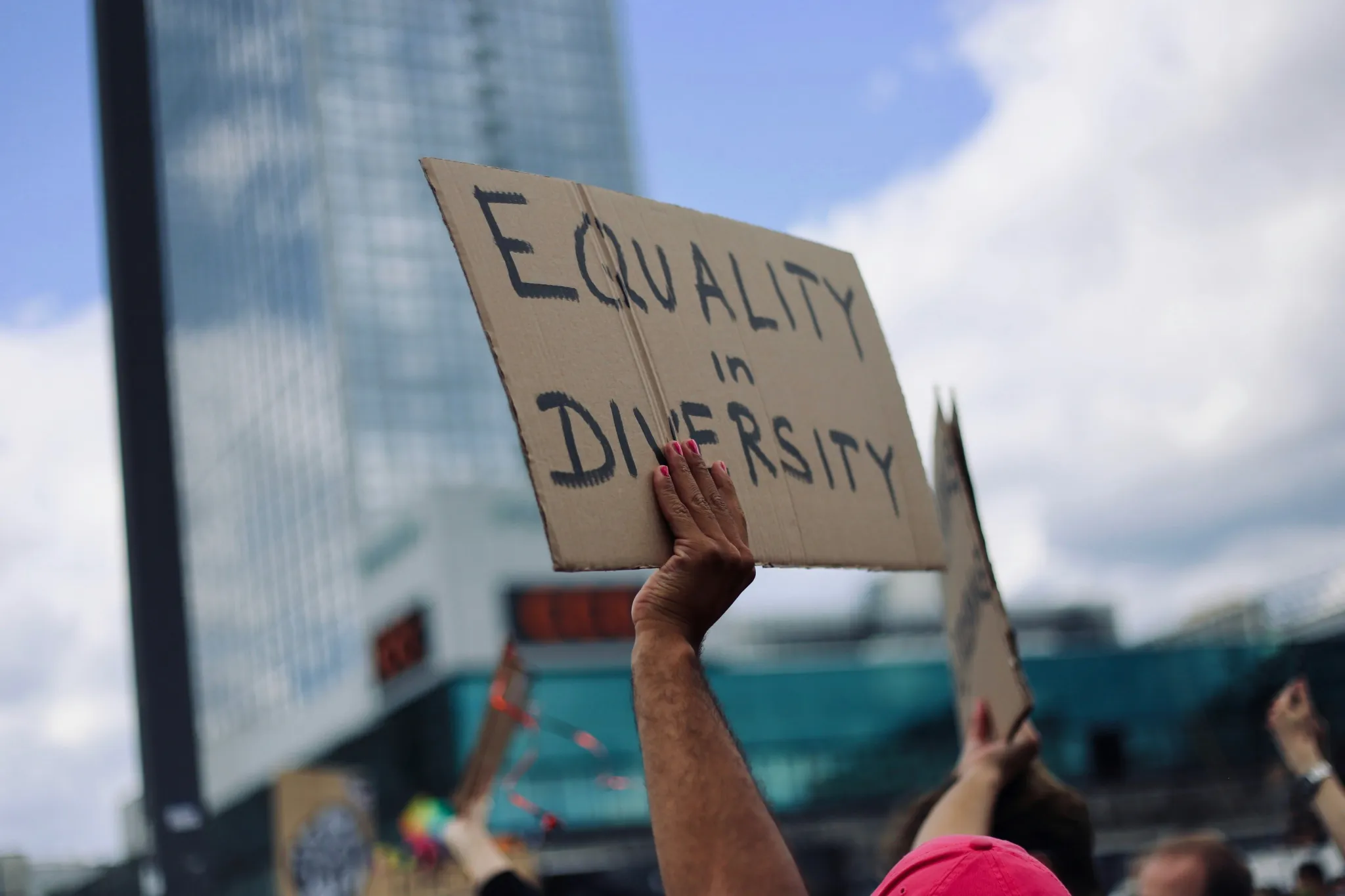
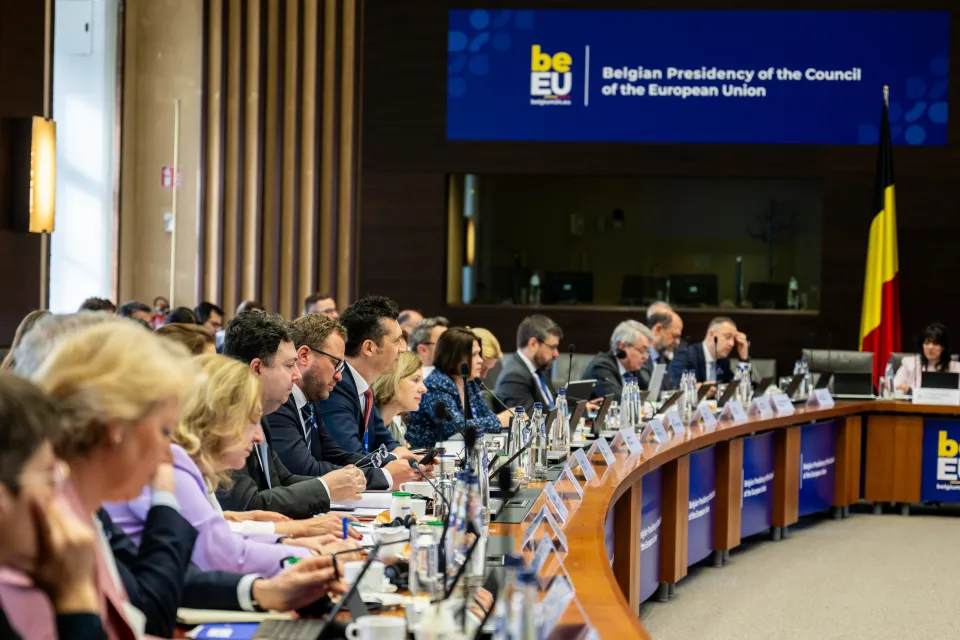
The second 2026 Demo Talk, Democracy in Action: Advancing Women’s Political Participation, was held on 25 March 2026. The event was organised by the Community of Democracies (CoD), International IDEA, and the Open Government Partnership (OGP), in collaboration with the Republic of Guatemala. It convened Member States from IDEA, OGP and CoD to exchange best practices, identify challenges, and advance actionable solutions to strengthen women’s political participation. The discussion was held under Chatham House rules.
Structured around two panel discussions, the event effectively connected theory with practice. The first panel addressed women’s political participation at the national level, while the second examined foreign policy approaches to institutionalising gender-responsive governance, including feminist foreign policy frameworks.
Key takeaways included:
- Integrate gender equality into foreign policy and diplomatic practice to actively promote women’s political participation and representation
- Lead institutional reforms within MFAs, including gender-responsive recruitment, promotion and data-driven accountability measures
- Support and fund international programmes on education, mentorship and capacity building to strengthen women’s leadership pipelines
- Coordinate diplomatic efforts to prevent and respond to gender-based and technology-facilitated violence against women in politics
- Use multilateral platforms and partnerships to advance commitments and translate them into measurable, inclusive outcomes
Discussions underscored that women’s equal participation is fundamental to democratic legitimacy, social cohesion and effective governance. Participants highlighted that inclusive democracies require sustained partnerships and political will, alongside institutional reforms that normalise and value women’s leadership. At the same time, persistent challenges, including gender-based violence, political polarisation and technology-facilitated abuse, continue to hinder women’s engagement in political processes.
Several countries emphasised the importance of translating international commitments into tangible, community-level outcomes and sustained progress. Contributions highlighted key historical milestones, including the recognition of women’s full citizenship in the mid-20th century, alongside ongoing efforts to share national experiences at the international level. Longstanding gender equality frameworks and the need for legal frameworks were also underscored, with examples of women holding a majority of ministerial positions and increased women’s representation in parliament through clear targets. References were made to feminist foreign policies introduced in recent years, aimed at embedding gender parity across government institutions. Approaches combining targeted programmes with comprehensive gender mainstreaming were presented as distinct from broader feminist foreign policies.
Across discussions, education, long-term capacity building, mentorship and institutional accountability emerged as critical drivers of sustainable progress. Participants emphasised that increasing women’s representation must be accompanied by measures to strengthen leadership capacity and ensure meaningful participation. Institutional reforms, supported by legal frameworks, data-driven approaches and affirmative measures, were identified as essential to overcoming structural barriers.
The event also highlighted the importance of international cooperation in advancing gender equality. Multilateral engagement and cross-sector collaboration were seen as key to addressing emerging threats, including digital violence and anti-rights movements, while reinforcing democratic resilience. Participants called for strengthened collective action to advance women’s political participation through sustained political commitment, inclusive policy frameworks, institutional reforms, gender-responsive foreign policy, and coordinated efforts to combat barriers to participation and leadership in democratic systems.


About the authors