Central Africa dialogue on gender social norms transformation
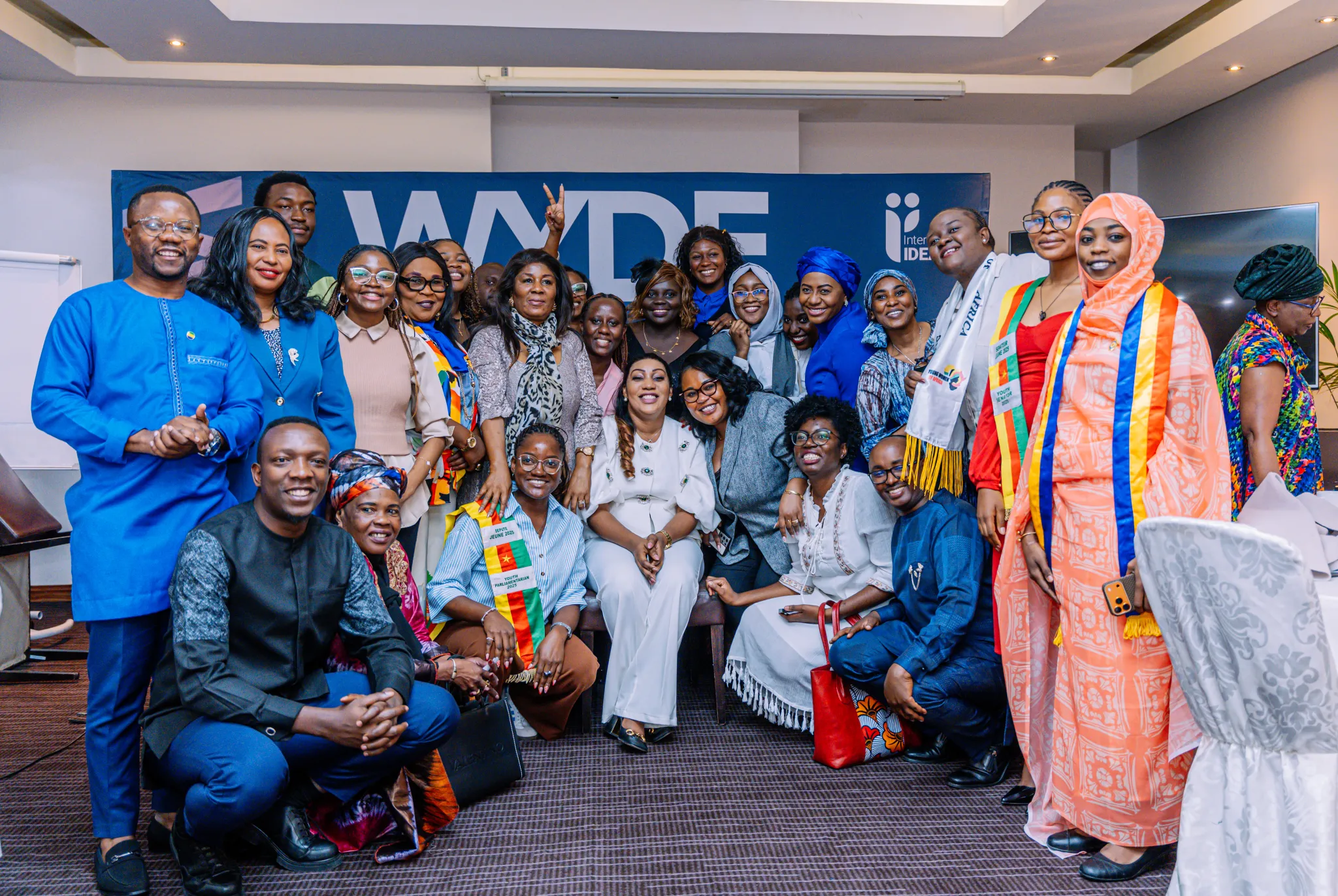
International IDEA convened the Central Africa Dialogue on Advancing the Transformation of Gender Social Norms to Enhance Women and Youth Participation and Representation in Leadership and Decision-Making. The Dialogue was convened within the framework of the European Union (EU)-funded Women and Youth Democratic Engagement (WYDE) Women’s Leadership Initiative, implemented in partnership with UN Women, the Inter-Parliamentary Union (IPU), and United Cities and Local Governments (UCLG), under the overall coordination and leadership of UN Women. The Dialogue was held in in Addis Ababa, Ethiopia and focused on nine countries in the Central Africa region: Angola, Burundi, Cameroon, Central African Republic, Chad, Democratic Republic of Congo, Gabon, Republic of Congo and Rwanda.
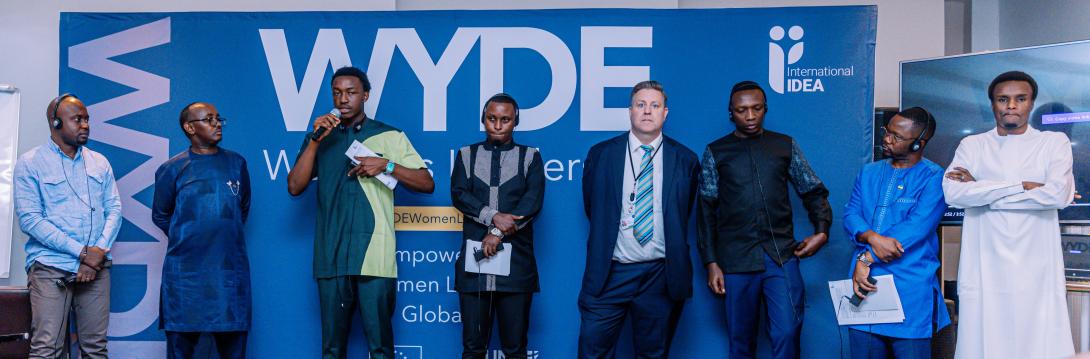
Representatives from the WYDE Women’s Leadership Initiative partners included John Villiers, Programme Officer at the European Union Delegation to the African Union, Michael Steffens, the EU Delegation in Ethiopia, Schadrack Dusabe, Deputy Representative for UN Women in Ethiopia, Desset Abebe, Program Specialist on Leadership and Governance, UN Women in Ethiopia and Jainaba Faye, International IDEA Programme Manger in The Gambia.
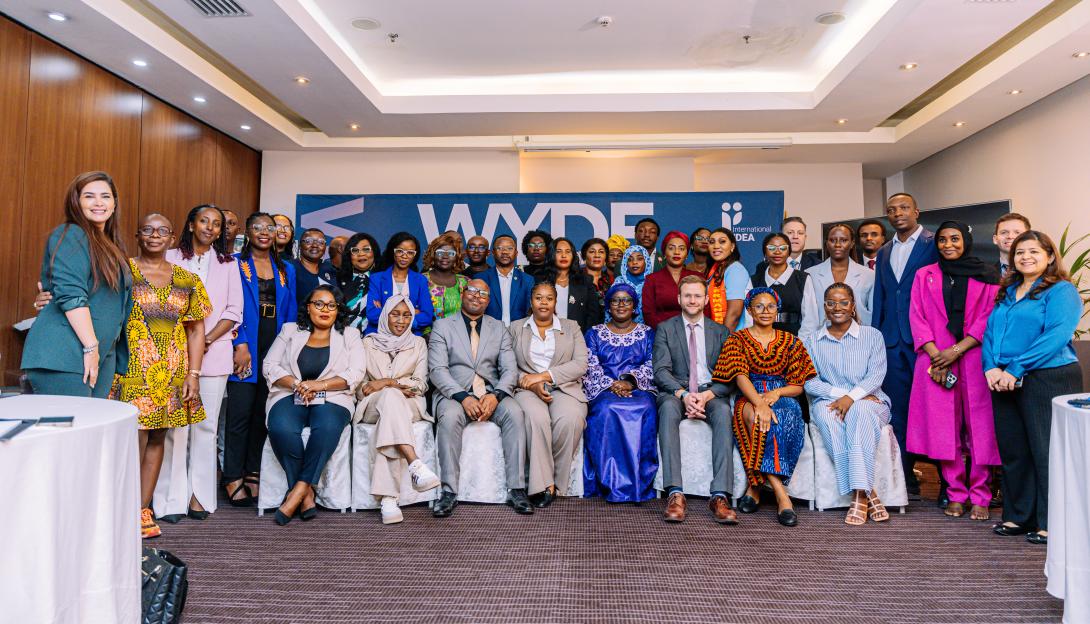
Participants, International IDEA, UN Women and the EU representatives
The Dialogue brought together 32 women and men in politics and leadership (from political parties, parliaments, local governments, Civil Society Organizations/media), including young women leaders and representatives from selected Central African countries. The Dialogue facilitated a space to explore how gender social norms shape leadership, power, and participation. Women shared experiences of exclusion, violence, and resilience, while men reflected on traditional masculinity and the value of vulnerability, opening conversations on transformative masculinities and a shared commitment to #DebunkSocialNorms.
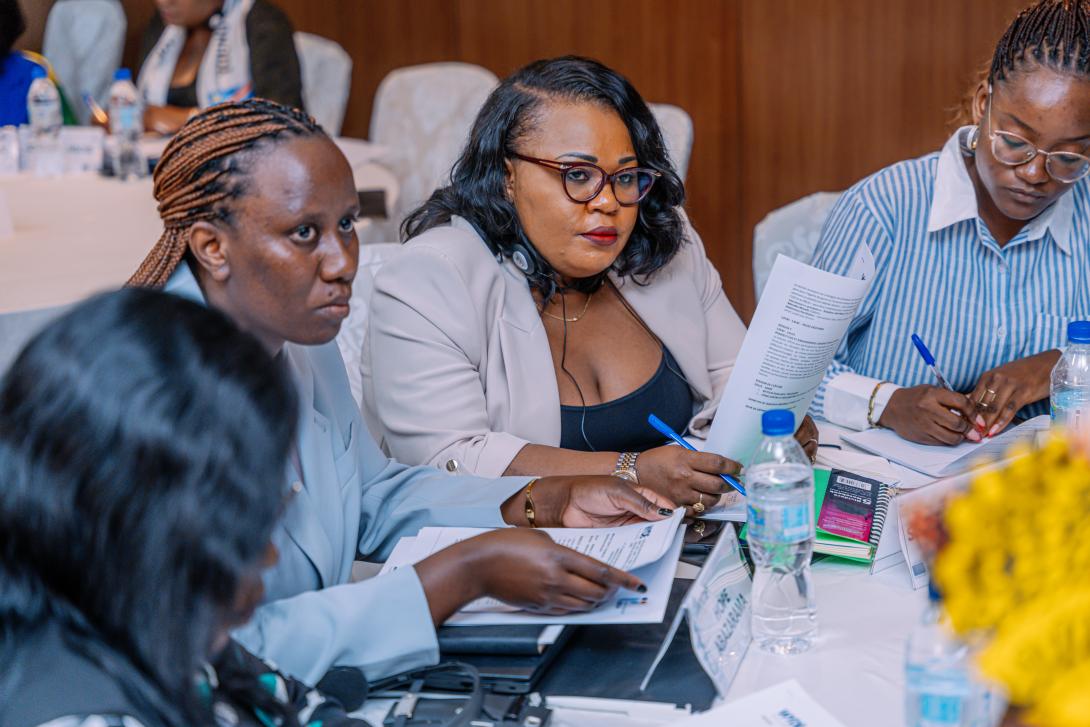
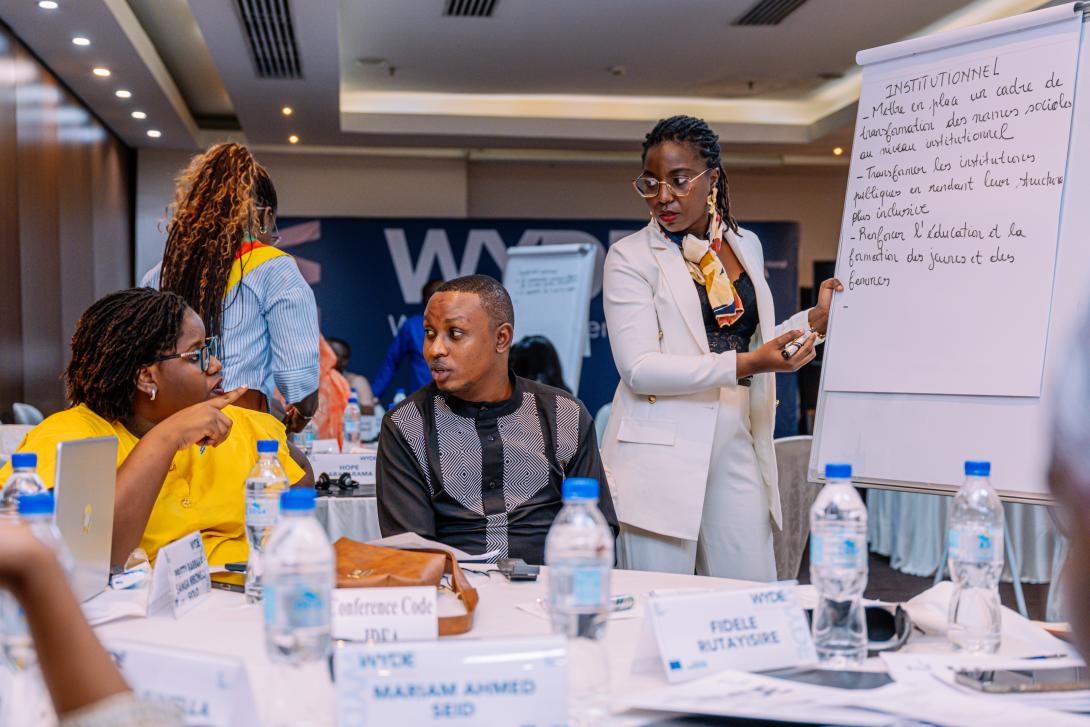
Through group work and discussions in plenary, participants examined the broader context of political participation and representation of women and gender inequalities in the region, the need to transform gender social norms, addressing the root causes of socio-cultural, patriarchal beliefs/mindsets, legal, political and economic structures that perpetuate gender inequalities in all spheres of life. This included factors such as social norms “prescriptions”/expectations manifest in families, communities, political parties, state institutions, schools, media, and online spaces. Participants explored the pathways for the much-needed changes/transformation.
In the context for the commemoration of the 25th anniversary of UNSCR 1325 on Women, Peace, and Security, particular attention was given to the conflict and fragile contexts such as in the Central African Republic, Chad, and parts of the Democratic Republic of Congo. This is because insecurity and traditional patriarchal structures further restrict women’s meaningful participation and representation in leadership and decision making at all levels. Intersectional barriers disproportionately affect young women, rural women, women with disabilities, and marginalized ethnic or linguistic segments of the populations.
Elections and the broader electoral context were highlighted as moments when discriminatory norms become most visible. Participants emphasized obstacles faced by young women, including male-dominated political parties acting as gatekeepers, unequal access to resources, and stereotypes about who is “fit” to lead. These discussions underscored the need for structural reforms and sustained efforts to transform harmful social norms, ensuring more inclusive and fair electoral processes.
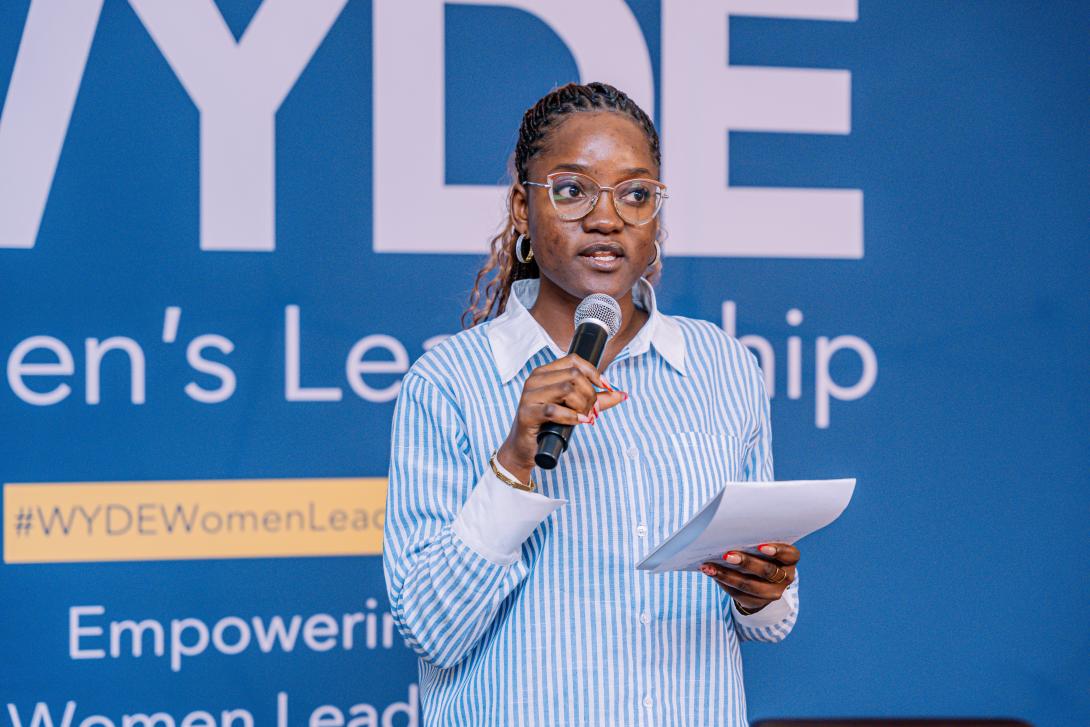
A significant part of the Dialogue focused on violence against women in politics at all levels and in its various forms. Participants shared powerful accounts of gender-based violence, including harassment, intimidation, and targeted campaigns aimed at silencing women. The discussions highlighted technology-facilitated gender-based violence and how digital spaces often reflect and amplify existing inequalities, underscoring the importance of addressing harmful social norms to protect women in public life and create safer digital environments.
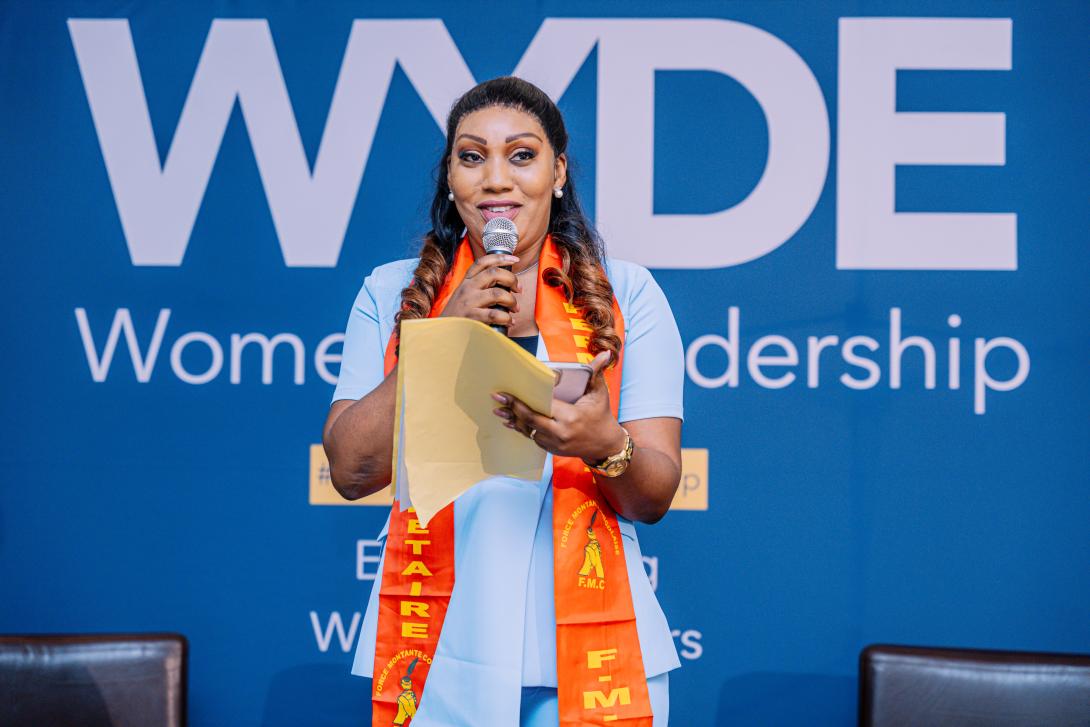
The dialogue also examined the role of men as stakeholders and beneficiaries on transforming gender social norms and advancing gender equality in all societies. Participants discussed strategies to encourage men to step up in roles in all spheres -homes, workplaces, institutions and public life.
The dialogue concluded with collective reflections on lessons learned and commitments participants plan to carry forward, including personal efforts to unlearn harmful social norms, institutional initiatives to support inclusive practices, and community-level actions to shift public narratives and strengthen gender equality advocacy. The Dialogue ended with a renewed sense of purpose and a strong call to promote inclusive and representative governance across Central Africa.


About the authors