Acción Ciudadana: 30 years promoting transparency and democratic resilience in Guatemala
As highlighted in International IDEA’s Global State of Democracy 2025, the number of countries experiencing democratic backsliding now outnumbers those making progress, in a context marked by the co-optation of judicial systems, selective enforcement of justice, the restriction of civic space and the weakening of the opposition. Guatemala clearly reflects these trends: attempts at electoral delegitimisation, judicial persecution and high levels of public distrust coexist with signs of resilience, such as social mobilisation, the persistence of democratic actors and improvements in certain areas of the rule of law and anti-corruption efforts. The crisis lies not so much in a lack of public support for democracy, but in disillusionment with its performance.
Against this backdrop, democratic resilience emerges as the capacity of systems not only to resist, but also to adapt and renew themselves in the face of sustained processes of erosion. This resilience is necessarily multi-level: it depends on institutions capable of holding their ground under pressure, but also on an active civil society that demands accountability, an independent media ecosystem, and the political system’s capacity for openness and inclusion.
In Guatemala, civil society organisations, independent media, and spaces for multisectoral dialogue have been fundamental in monitoring and exposing abuses, promoting transparency, and rebuilding the social fabric, even in adverse contexts.
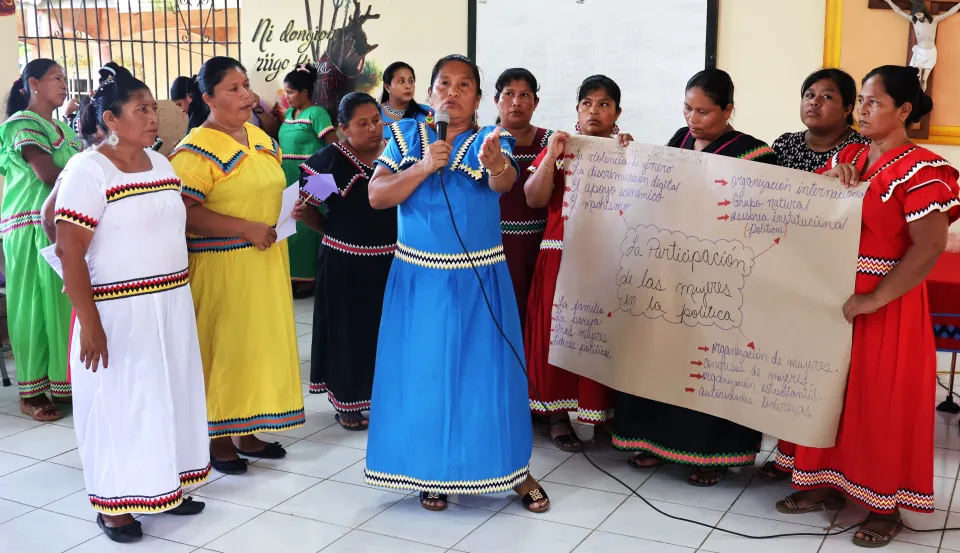
Historically key actors such as women, indigenous peoples and young people play an increasingly visible role. Strengthening these actors—through funding, capacity-building, and legitimacy—not only bolsters accountability but also keeps alive the possibility of democratic renewal, recognising that democracy is sustained by the actions of those who actively defend it.
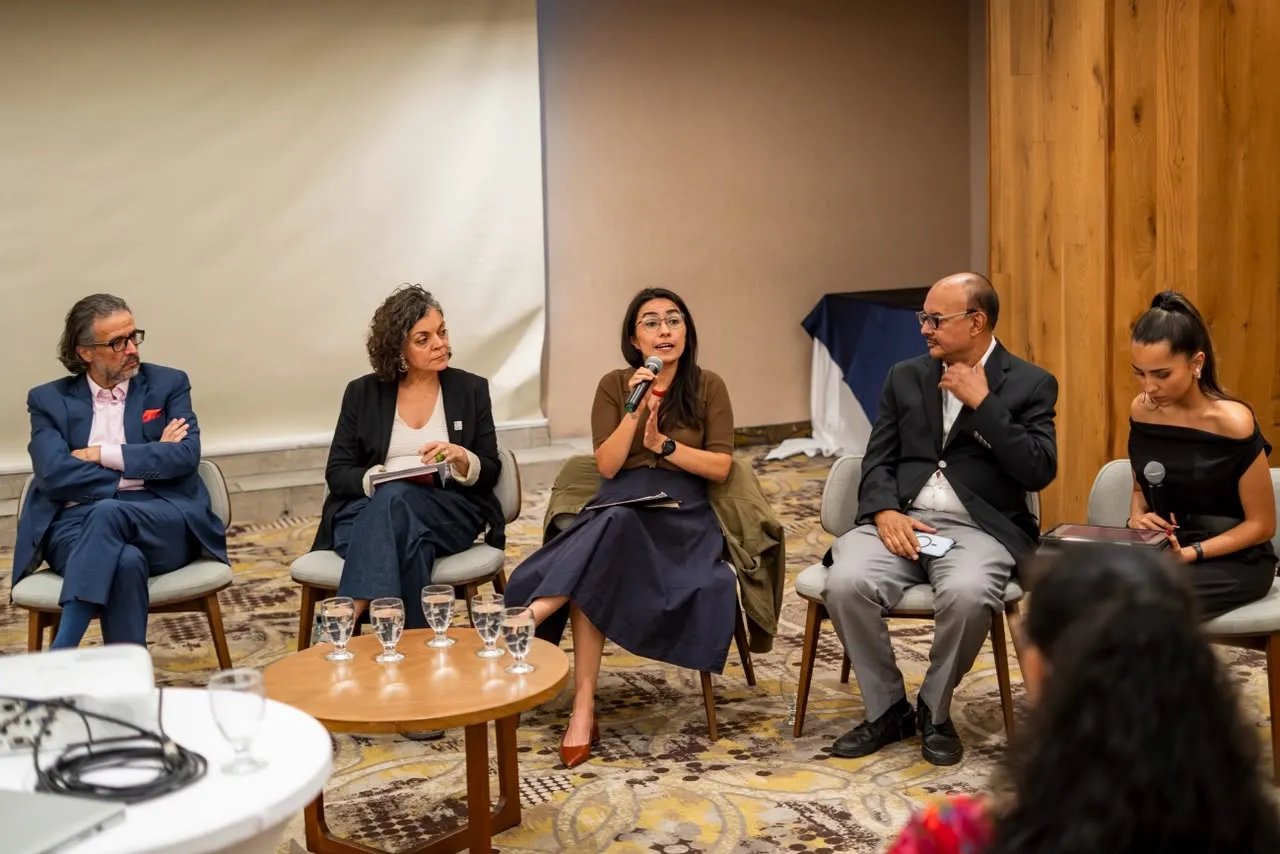
As part of the project Improving the Resilience of Democracy in Central America, funded by the Government of the Grand Duchy of Luxembourg, we supported Acción Ciudadana, our partner organisation in Guatemala—the national chapter of Transparency International—in commemorating its 30 years of work towards a fairer, more transparent and democratic Guatemala. It was a fitting occasion to reflect on the challenges facing democracy in the region and the role of citizens in the face of institutional setbacks. The discussion included a comparison of experiences in second-tier elections, recent lessons from these electoral processes, and the challenges looming ahead of the next electoral cycle.
Over three decades, Acción Ciudadana has evolved in step with the country’s needs, establishing itself as a key player in promoting transparency, accountability, and civic participation. Since its inception, it has been a pioneer in driving the fight against corruption, forming networks of social auditors at the national level, and supporting fundamental frameworks such as the Law on Access to Public Information. Its leadership is also reflected in innovative initiatives such as the Mirador Electoral, the first national election observation programme. Beyond its influence on public policy, its legacy is also reflected in human talent: a generation of professionals—including young leaders and representatives from indigenous communities—who were trained within its ranks and who today lead organisations and processes of change, amplifying its impact on society.
At International IDEA, we recognise and commend the work of Acción Ciudadana over these 30 years of sustained commitment to democracy in Guatemala. At a time when democracy demands constant vigilance, active participation, and effective advocacy, we reaffirm the importance of Acción Ciudadana’s work in continuing to foster an informed citizenry committed to transparency and accountability as fundamental pillars of democratic life.


About the authors