South Sudan - 2011 - South Sudanese Referendum
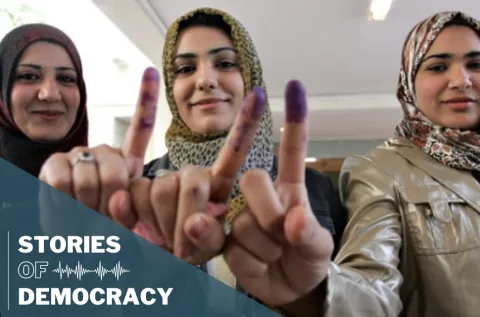
The 2011 South Sudanese independence process represented the culmination of decades of civil war, marginalization, and demands for self‑determination by the predominantly non‑Arab, non‑Muslim south against successive governments in Khartoum. The 2005 Comprehensive Peace Agreement ended the Second Sudanese Civil War and granted southern Sudan six years of autonomy, after which a binding referendum on independence would be held. In January 2011, southerners voted overwhelmingly in favor of secession, easily surpassing the required 60 percent turnout and confirming their desire to form a separate state.
On 9 July 2011, South Sudan formally declared independence, becoming the world’s newest country and Africa’s 54th state. This landmark achievement unfolded against a backdrop of unresolved issues with Sudan over borders, oil revenue sharing, and disputed regions such as Abyei, as well as South Sudan’s own profound governance, security, and development challenges.
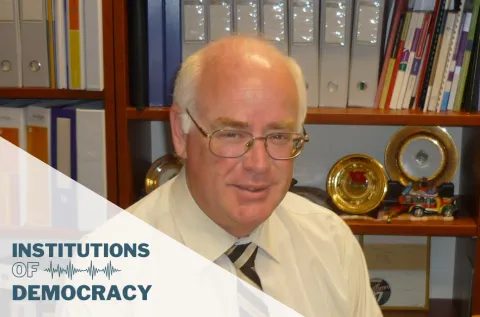
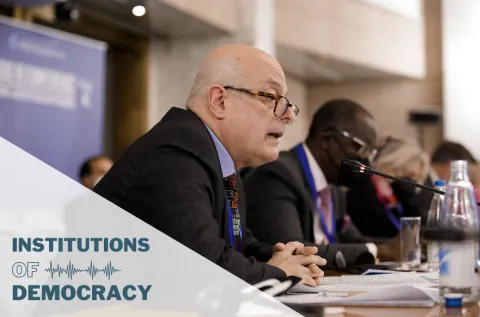
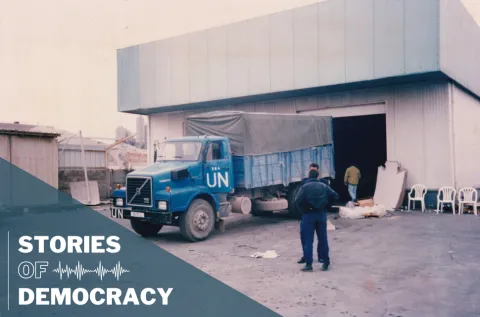
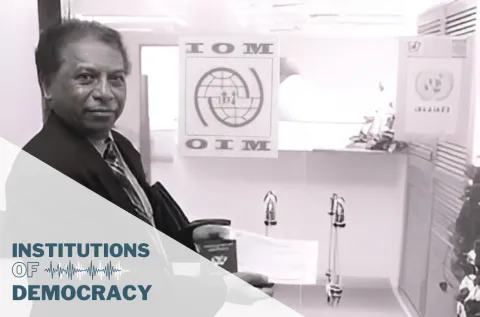
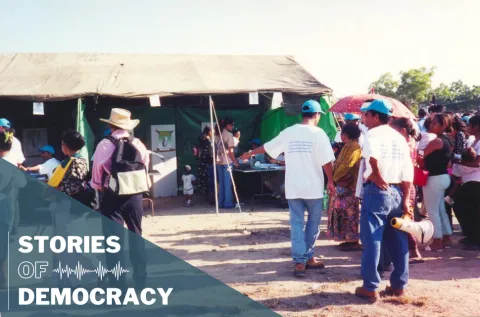
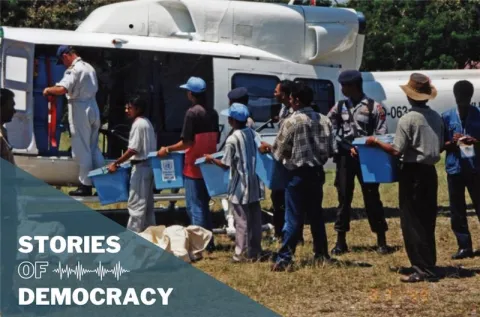
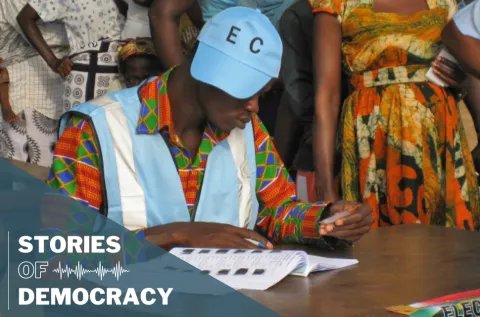
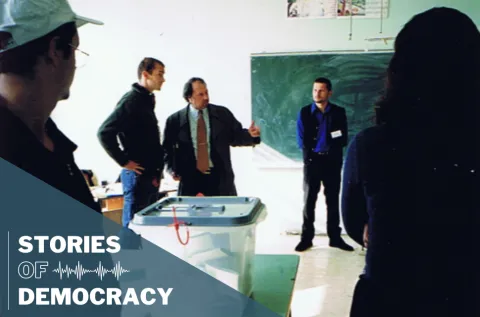
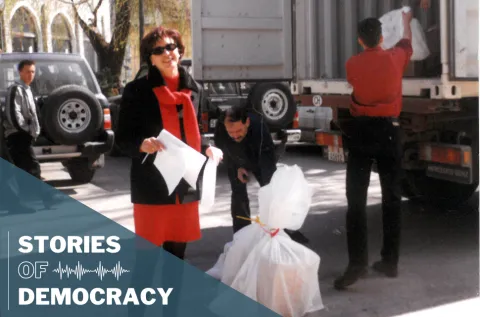
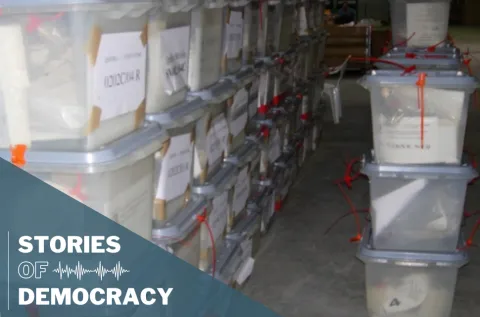
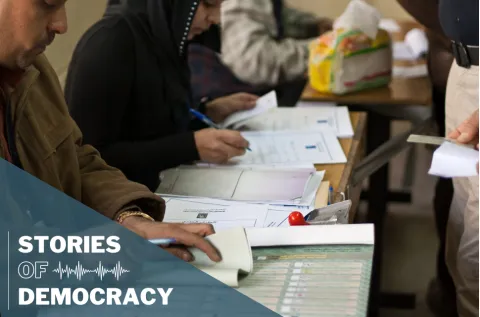
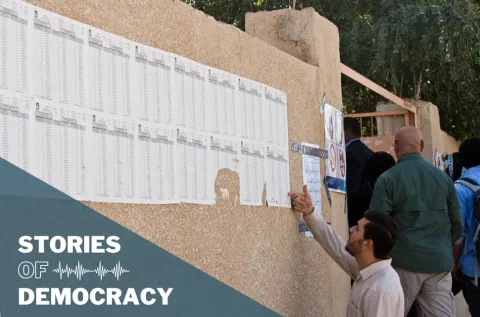
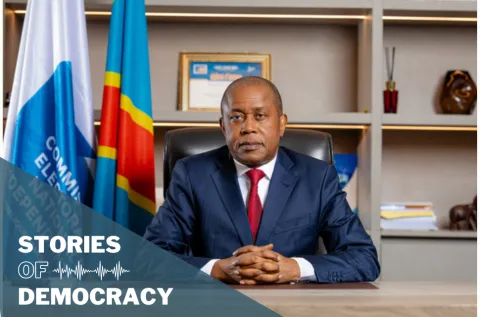
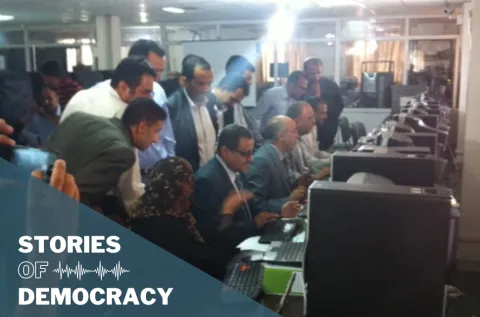
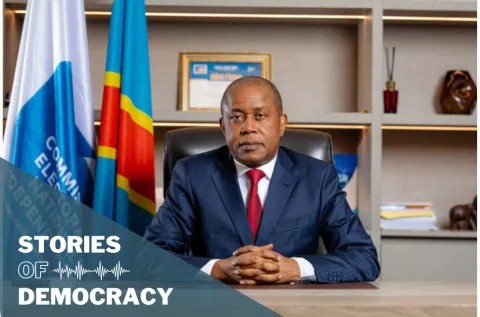
In this recording, Denis Kadima discusses his role as Director of the United Nations Integrated Referendum and Electoral Division leading up to and during the South Sudanese referendum for independence in January 2011, including the many logistical, legal, and personal challenges the election team faced in holding the referendum.
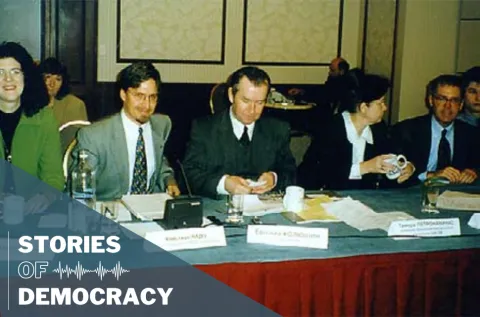
Denis K. Kadima is one of Africa’s most respected experts in elections, democracy, and governance, with thirty-five years of professional experience. Over the course of his career, he has supported nearly 100 electoral and political processes across Africa and beyond, working with national institutions, regional organizations, and international partners.
He previously served as Executive Director of the Electoral Institute for Sustainable Democracy in Africa (EISA) in Johannesburg, Director of the United Nations Integrated Referendum and Elections Division for the self-determination referendum in South Sudan and residual elections in some of the country's states. He was also the Chief Technical Advisor for UNDP electoral assistance in Tunisia's first polls following the Arab Spring.
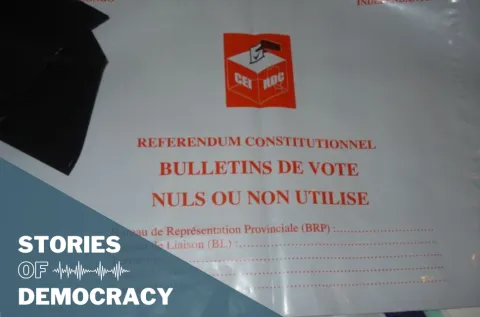
Since October 2021, Denis K. Kadima has been the President of the Independent National Electoral Commission (CENI) of the Democratic Republic of Congo. Under his leadership, the CENI has implemented major innovations, including the creation of the BOSOLO Electoral Center, a transparency and electoral information hub. The 2023 elections organized under his mandate were the most inclusive in the country’s history, with over 100,000 candidates and, for the first time, the participation of Congolese voters abroad through a pilot program in five countries.
In June 2025, he was elected President of the Network of Election Management Bodies of Central Africa (ROGEAC), reflecting his recognized leadership in the field of electoral governance. He also serves as Vice President of the Electoral Commissions Forum of SADC Countries (ECF-SADC).
Media