The democracy challenges of climate change
Disclaimer: Opinions expressed in this interview are those of the authors and do not necessarily represent the institutional position of International IDEA, its Board of Advisers or its Council of Member States.
As the international community prepares for COP31, talks remain focused on climate finance, technology, clean energy and keeping 1.5°C within reach. Yet from Nepal's flood plains and the melting Hindu Kush glaciers to the Pacific's low-lying atolls, the climate crisis is increasingly a crisis of rights, representation and accountability.
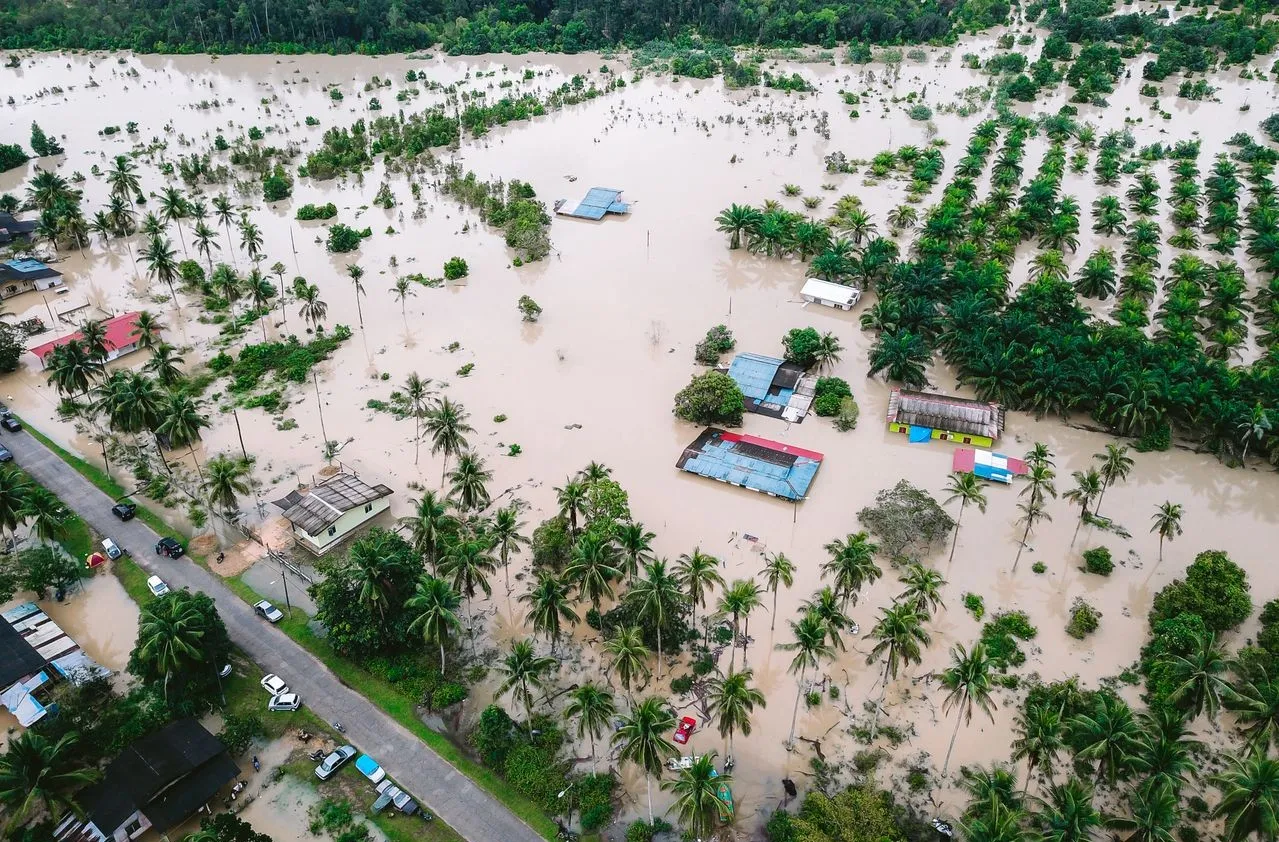
Recent floods and landslides in Nepal show that climate change is no distant threat. In August, flooding killed more than 1,300 people and affected hundreds of thousands. A strengthening El Niño is expected to intensify drought, extreme heat, food insecurity and flooding across Asia and the Pacific into 2027. More than 100 Philippine municipalities have declared a state of calamity, while Pacific communities face cyclones, rising seas and coastal erosion. The region remains the world's most climate-vulnerable, although many of its communities contributed least to the crisis.
Effective climate action depends on whose voices are heard, how decisions and resources are managed, and whether institutions deliver. Technology, infrastructure and finance matter, but so do public trust, rights and accountability.
Climate litigation is therefore becoming an important tool for climate justice. Citizens and civil society are using courts to test whether governments and corporations meet their legal obligations. Litigation cannot replace political action, but it can narrow the gap between promises and implementation by strengthening accountability and public debate.
International IDEA's research in Bangladesh and South Korea shows that courts can encourage action and protect rights, but progress still requires political leadership, public participation and implementation.
As we look ahead to COP31, I see three priorities that deserve far greater attention.
First, we must put people and future generations at the centre of climate decision-making
Frontline communities—especially women, young people, Indigenous Peoples and marginalized groups—must have access to information during crises and a meaningful role in shaping climate policies. This also means confronting a fundamental democratic challenge: future generations will live with the consequences of today's decisions but have little influence over them.
In South Korea, youth-led litigation challenged the lack of a quantified emissions pathway beyond 2030. The Constitutional Court found that this placed an excessive burden on future generations, influencing legislative debate and efforts to represent young people in decisions on Korea's long-term emissions pathway.
Second, we must strengthen accountability for climate commitments.
Across the world, climate ambition is growing. However, the gap between commitments and implementation remains wide.
Citizens have a right to know how climate financing impacts affected communities, whether national adaptation plans are being delivered, whether emission targets are being met and who is responsible when they are not.
Closing this gap requires parliaments to scrutinize climate policy and finance, oversight bodies to monitor delivery, and citizens to have avenues for accountability. Elections allow people to assess policy choices and hold leaders responsible, while electoral institutions must become more resilient to extreme weather, displacement and other climate disruptions.
Third, we must make climate justice the foundation of climate action.
Countries must work together on climate action, while recognizing their different responsibilities and capacities. Those who contributed least to climate change should not bear its greatest burdens with the fewest resources. This principle should guide climate finance, adaptation, capacity development, and loss and damage.
This is clearest in the Pacific, where communities face rising seas and stronger storms despite contributing little to global emissions. Yet Pacific countries have become influential advocates for climate justice: a campaign led by island students helped bring climate obligations before the International Court of Justice, showing how civic action can shape global governance.
The costs of transition should not fall disproportionately on those with the least power or the fewest resources. Climate investments should respond to locally identified needs, and adaptation efforts should reduce inequalities rather than deepen them.
Climate justice also extends across generations. Policies that delay action may ease political pressure today, but they transfer greater risks and costs to younger people and future generations. The climate crisis demands institutions that can look beyond electoral cycles and act before irreversible harm occurs.
As governments prepare for COP31, we must not lose sight of the following factors:
- The climate crisis requires participation that gives communities a meaningful voice.
- It requires accountability that turns commitments into action.
- And it requires justice that ensures no country, community or generation is left to shoulder an unfair share of the burden.
- It is all a reminder that the climate crisis is testing not only our ecosystems and economies, but also the strength of our institutions
It is all a reminder that the climate crisis is testing not only our ecosystems and economies, but also the strength of our institutions


About the author