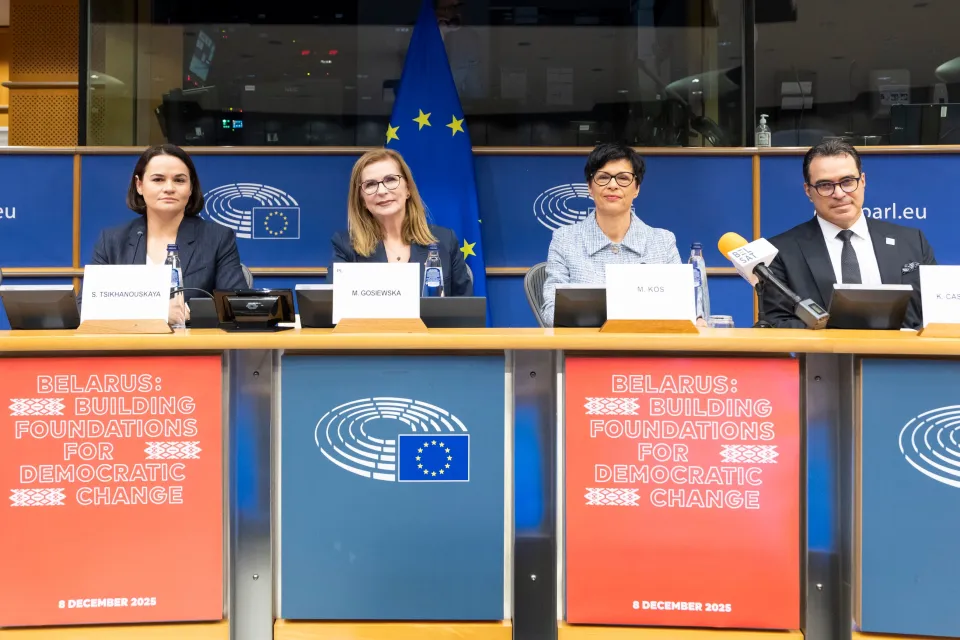
Opening remarks at the High-level conference on 'Belarus: Building foundations for democratic change'
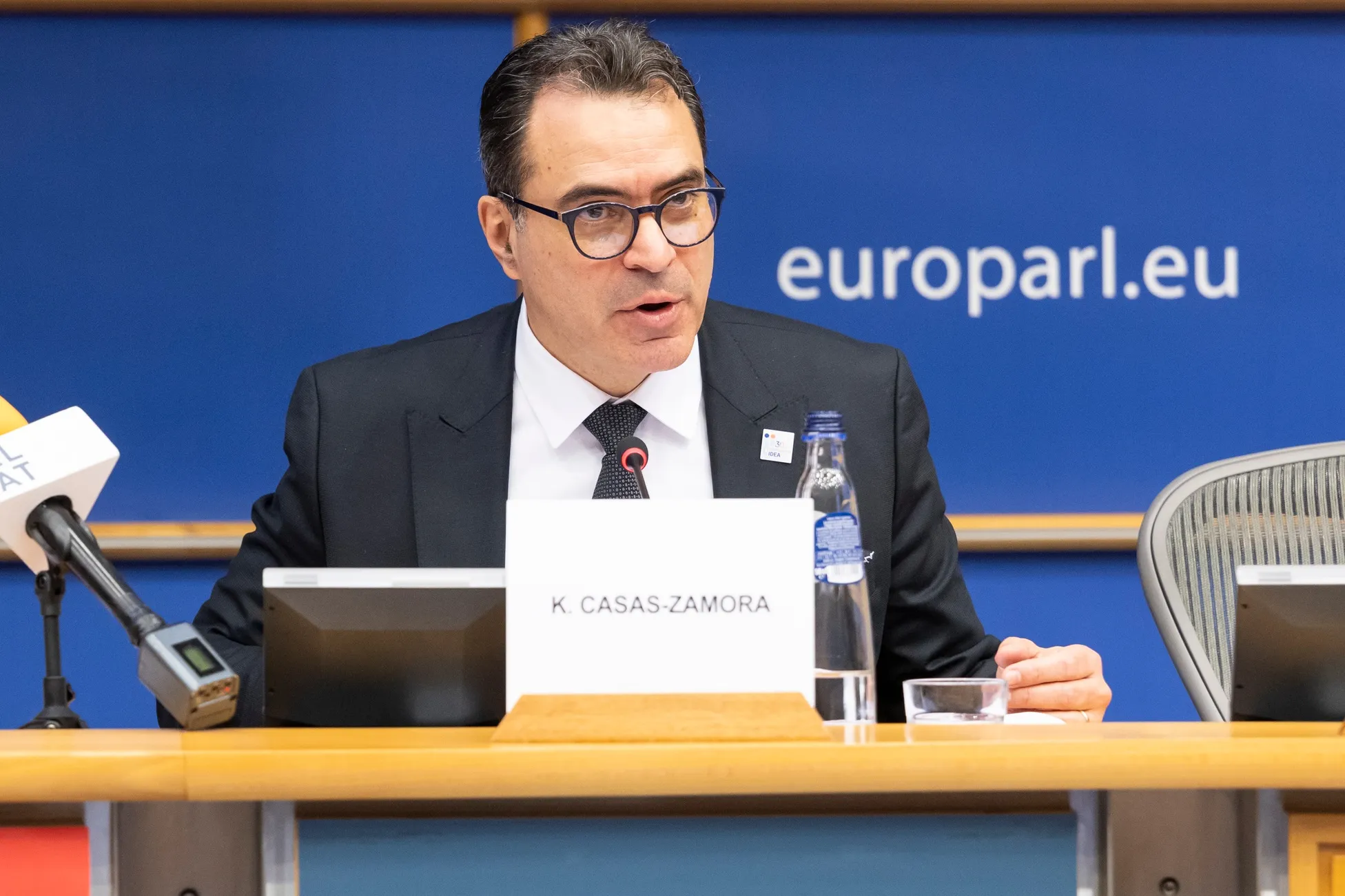
Opening remarks by Dr Kevin Casas-Zamora, International IDEA Secretary-General
Excellencies, colleagues, distinguished guests, dear partners and friends,
On behalf of International IDEA, let me also begin by thanking you all for being here to share in the important conversations that will take place in this room, and for offering your diverse perspectives, experiences and ideas. Your contributions will help to build the basis for structured, strategic and well-prepared future democratic changes in Belarus.
As I was kindly introduced, I’m Kevin Casas-Zamora, the Secretary-General of International IDEA, an intergovernmental organization with 35 Member States from all regions of the world and an exclusive mandate to support sustainable democracy globally. Over the past 30 years, we have become a leading global source of expertise and capacity development in electoral processes, constitution-building, and democracy assessments, as well as a trusted, pillar-assessed partner of the European Union’s support to democracy worldwide.
This conference stands as a key opportunity this year for Belarusian democratic actors, EU institutions, and the expert community to reflect on the path forward. The event offers a unique platform for dialogue, bringing diverse voices together at a time when further high level engagement on Belarus is needed. Taking place just ahead of International Human Rights Day on 10 December, it serves as a timely reminder of the importance of solidarity and continued commitment to democracy and human rights in Belarus. We are thus immensely grateful to the European Parliament, including Vice-President Ewa Kopacz and the Delegation for relations with Belarus led by Chairwoman Małgorzata Gosiewska, for hosting this important event here in the Parliament. Similarly, we are grateful to the European Commission and the European External Action Service, who supported the preparation of this event, and especially to the High Representative and Vice-President of the European Commission Kaja Kallas, who will join us later today, and the Commissioner for EU Enlargement and Eastern Neighbourhood Marta Kos. Your presence proves that Belarus remains high on the EU agenda.
I would also like to acknowledge and thank Sviatlana Tsikhanouskaya, the Leader of the Democratic Belarus, whose fearless leadership and unwavering commitment play a central role in shaping an inclusive and democratic vision for her country. I am grateful to have had the honour of her presence at several of our events over the past years – most recently at the 2025 Belarus Women’s Empowerment & Democracy Forum in Stockholm in June, where we discussed issues related to gender equality and the importance of ensuring equal opportunities for all those working toward a free and inclusive Belarus.
Let me say just a few more words on the context for this event. As we all know, Belarusians both inside the country and in exile face a deliberate negation of their human rights. The judiciary has been stripped of its independence. Civil society has been dismantled. Free media has been eliminated. Exiled Belarusians continue to endure politically choreographed trials in absentia, digital surveillance, and intimidations of their families. There are no remaining domestic avenues for justice or protection. The regime’s strategic use of disinformation and anti-extremism narratives has eroded social trust and isolated exiled voices.
Meanwhile, we have witnessed an alleged opening of the regime in response to the recent US diplomatic initiative, including the release of a limited number of political prisoners. Of course, we are all happy to see these people reunite with their loved ones. At the same time, this is a symptom of an increasingly transactional global environment, one which encourages authoritarian regimes to fabricate bargaining chips out of occupied territory, raw materials, transport corridors, and even the health and dignity of individuals. And in this challenging environment, the EU now stands with a few allies to defend the rules-based order, human rights, democracy and rule of law.
So, this is the context in which we convened this conference. Today’s event is the fifth, and for now the last, in a series of events held over the past two years to reflect the reform package that has been developed by Belarusian democratic actors and the international community, with our support. These legislative frameworks outline an institutional governance architecture for a democratic Belarus, including blueprints on a human rights protection mechanism, transitional justice and lustration laws, a prosecutor’s service, an ethics and anti-corruption committee, a control chamber and audit mechanism – all important pieces of democratic governance.
We are grateful to the European Commission for enabling us to support this consensus-building process on the future democratic architecture and pathways for the transformation of Belarus. I look forward to further exchange of ideas on these blueprints. We hope that these collective efforts will be sustained and expanded, with the EU continuing to play a vital role in supporting the democratic actors and people of Belarus in their courageous struggle for democracy.
These are the people whose cause our work advances. People who are active on the frontlines of democracy. People who truly believe in it. They deserve our support.
But let’s be clear: this work matters not just for their sake, but for ours. Over the past two decades, all over the world, the erosion of democracy and the increase in conflict and insecurity have been parallel processes. Nowhere is this connection clearer than on this continent, which is now seeing the biggest land war in 80 years, something which would never have happened if Russia were a democracy. When we join the struggle for democracy, in Belarus and globally, when we lend our voice and our resources to this cause, we reaffirm our belief in a peaceful future. A future that is not just peaceful and democratic, but a future that is peaceful because it is democratic.
Finally, I want to reiterate that this event would not be possible without the energy, commitment and work of many of you in this room, including my own colleagues at International IDEA. Thank you all. I take this gathering as a powerful sign of your commitment to a democratic future for Belarus, a commitment that has never been more important than now.
Thank you.
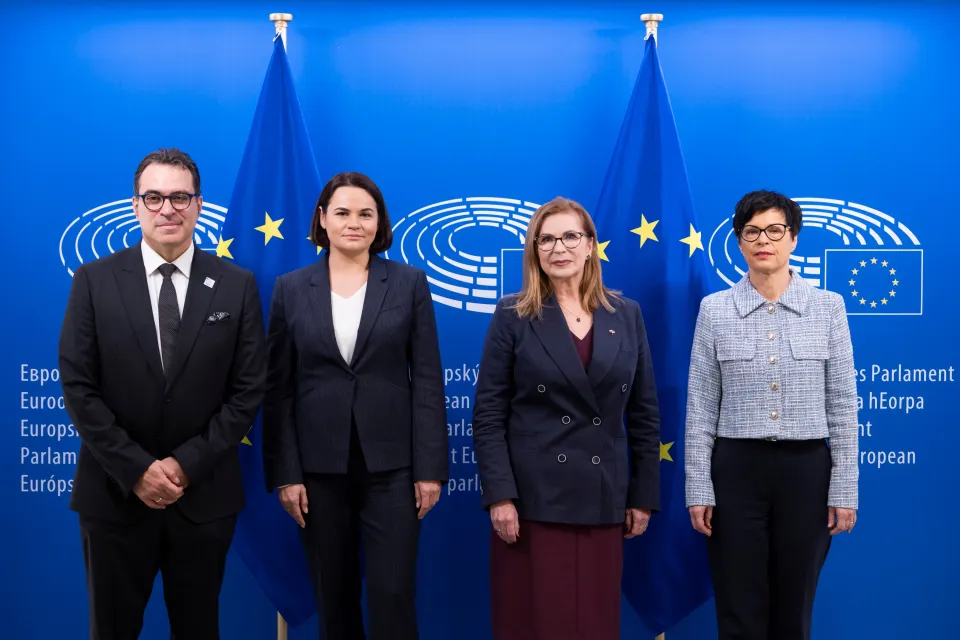
Photos of the opening session speakers