Ukraine discusses risks of virtual assets in political financing ahead of post-war elections
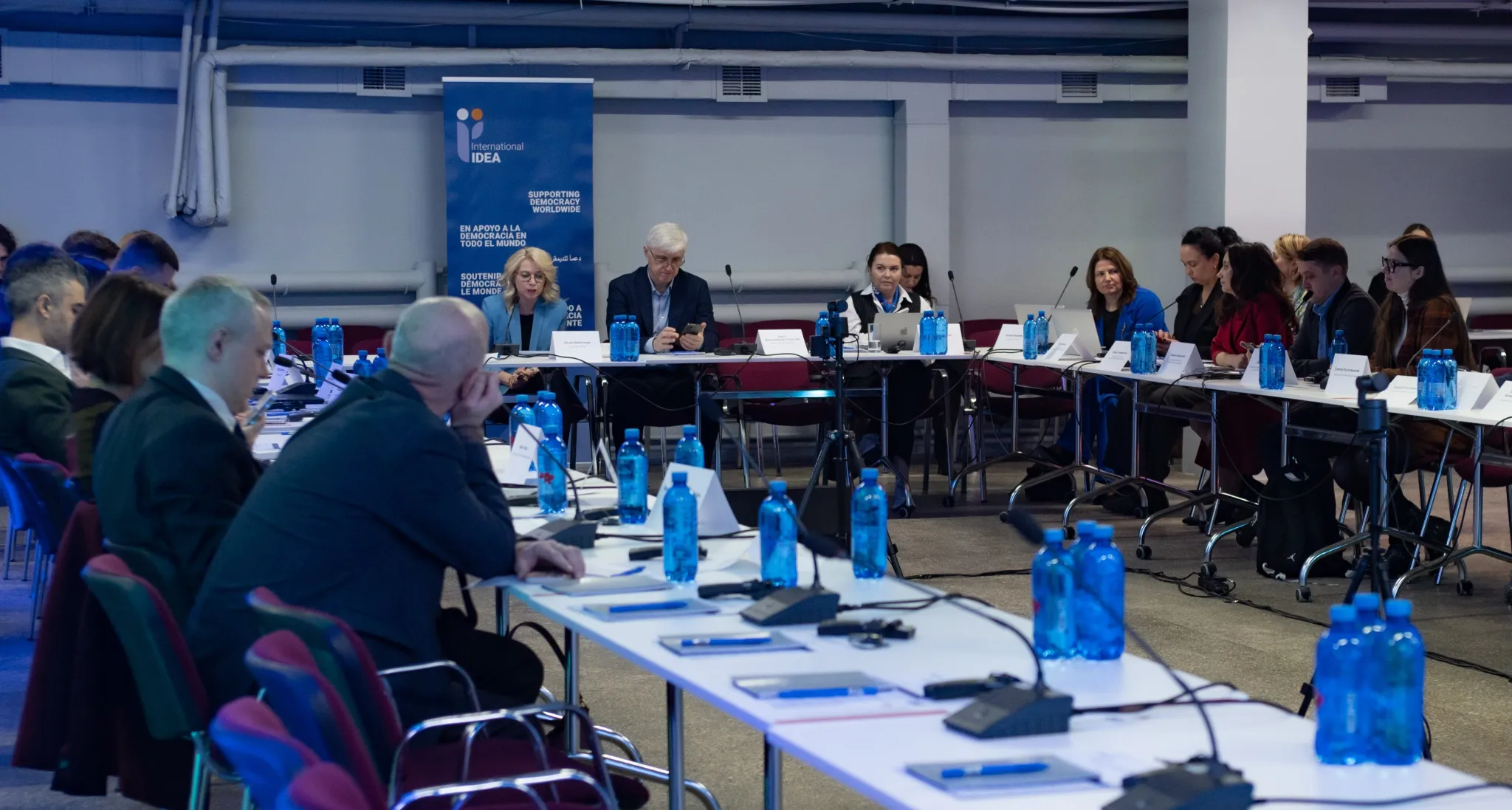
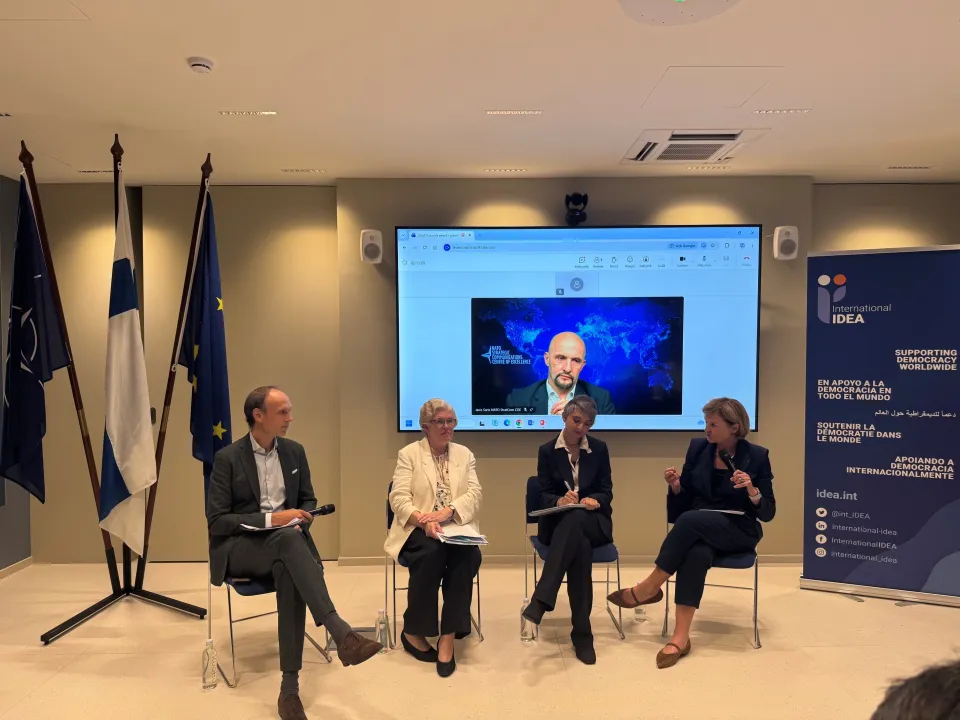
The discussion, organised by International IDEA within the framework of the U-VOTE project supported by Norway, focused on how new financial technologies are changing the way political finance can be used and regulated.

Participants noted that virtual assets, including cryptocurrencies, are becoming increasingly widespread. While they offer legitimate benefits, their features, such as anonymity and cross-border transactions, can make it more difficult to track financial flows and ensure transparency in political financing.
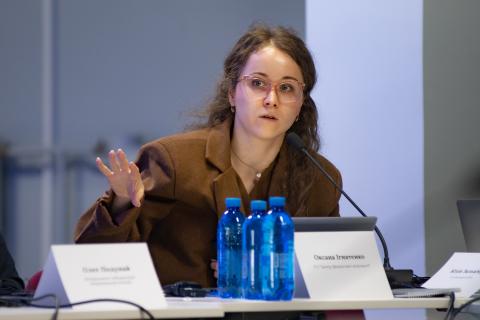
International experience shows that these risks are already emerging. Experts referred to recent developments in Moldova, where illicit political financing schemes have evolved from cash-based methods to more complex systems involving crypto assets and intermediaries. Similar concerns have been observed in Romania and other countries in the region.
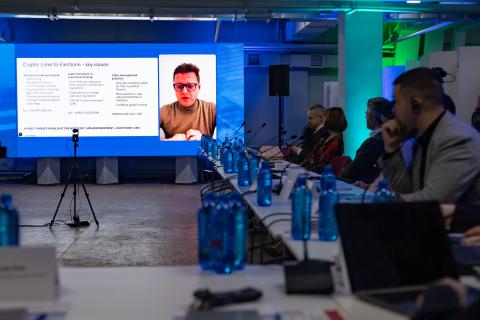
Although no confirmed cases of such practices have been identified in Ukraine, participants stressed that this does not mean the risks are absent. Given the country’s high level of digital asset use, preventive action is considered essential.
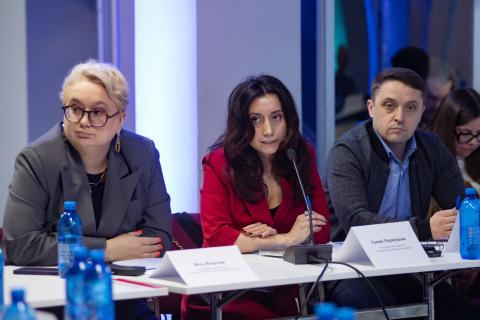
The discussion brought together representatives of the Verkhovna Rada of Ukraine, the National Agency on Corruption Prevention, the Central Election Commission, financial monitoring bodies and law enforcement agencies.
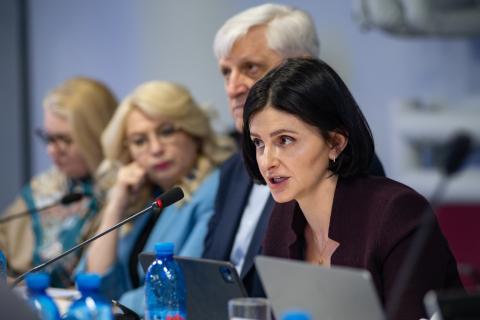
Participants emphasised that addressing these challenges requires close cooperation between institutions, as well as engagement with international partners and the private sector. Key areas for further work include improving transparency requirements, strengthening monitoring tools, and enhancing coordination across countries.
The event marked an important first step in building a shared understanding of emerging risks and identifying possible directions for future policy development. As Ukraine prepares for post-war elections, ensuring transparent and accountable political financing remains essential for maintaining public trust in democratic processes.


About the authors