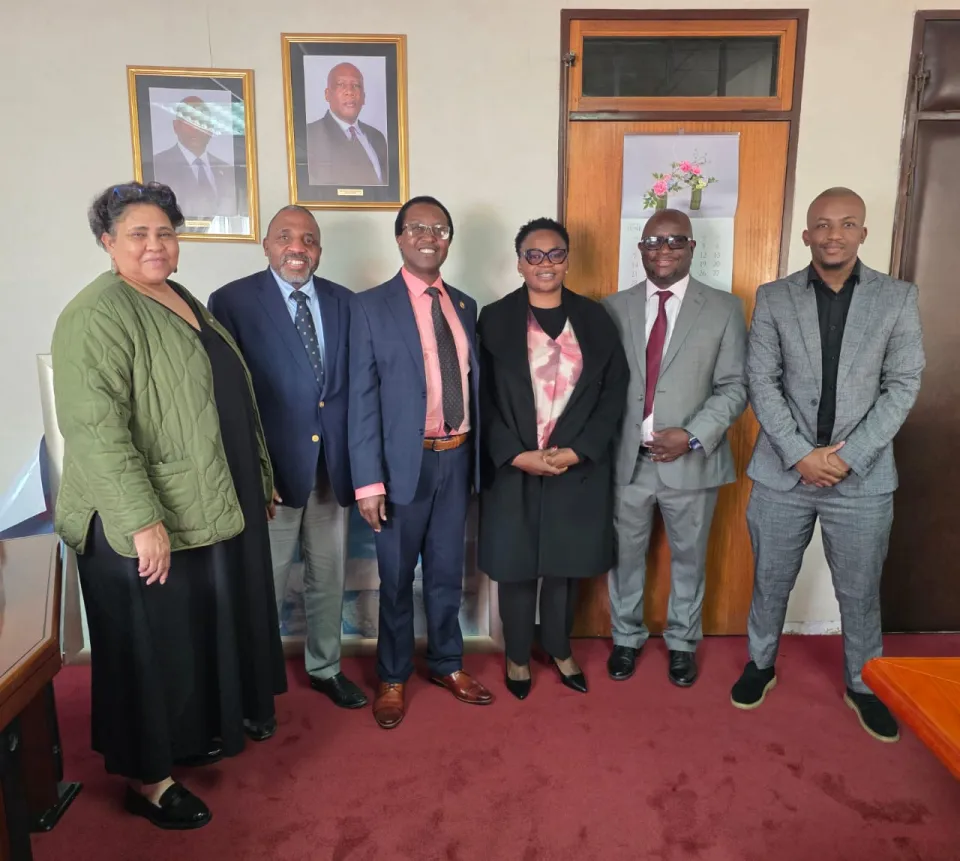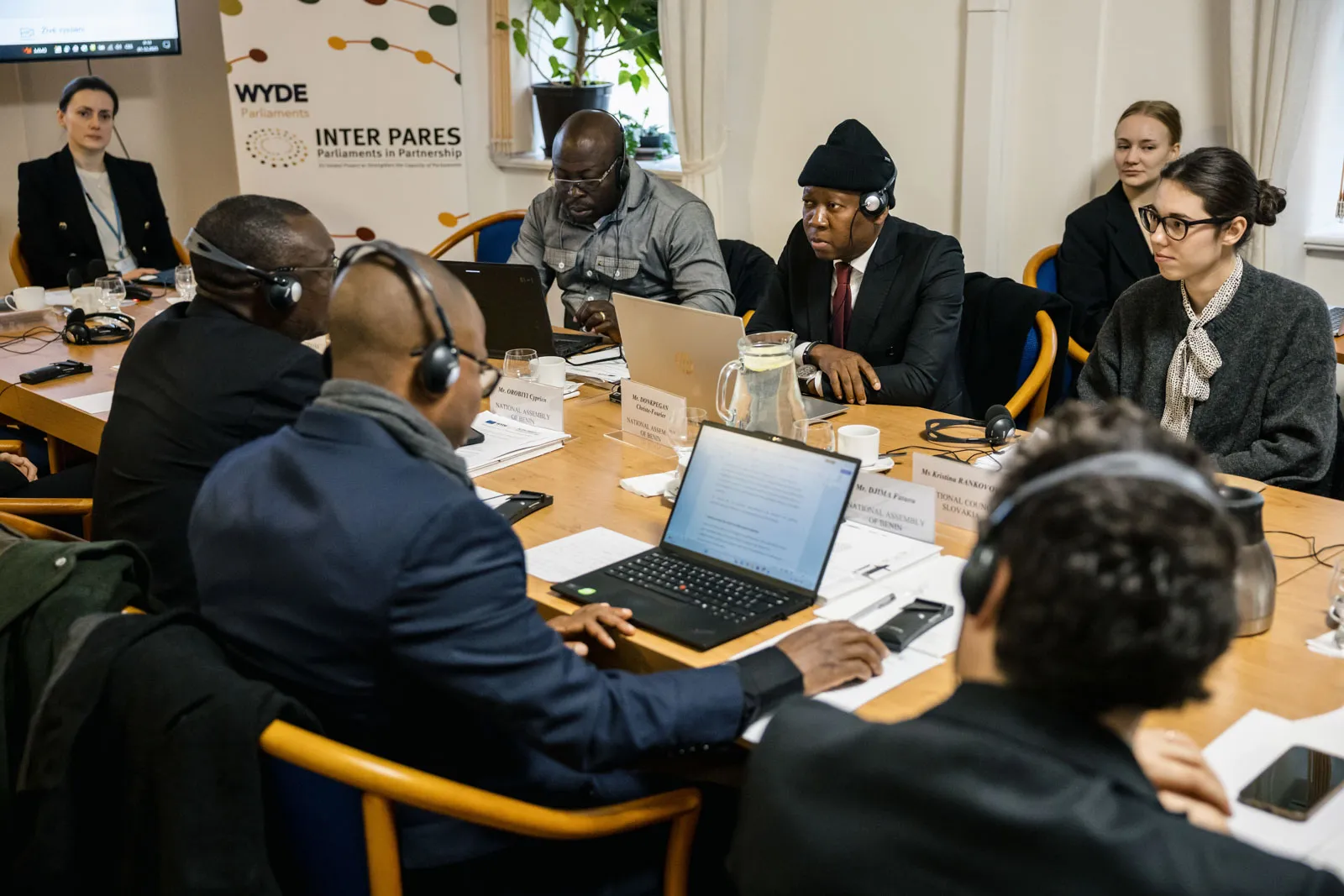
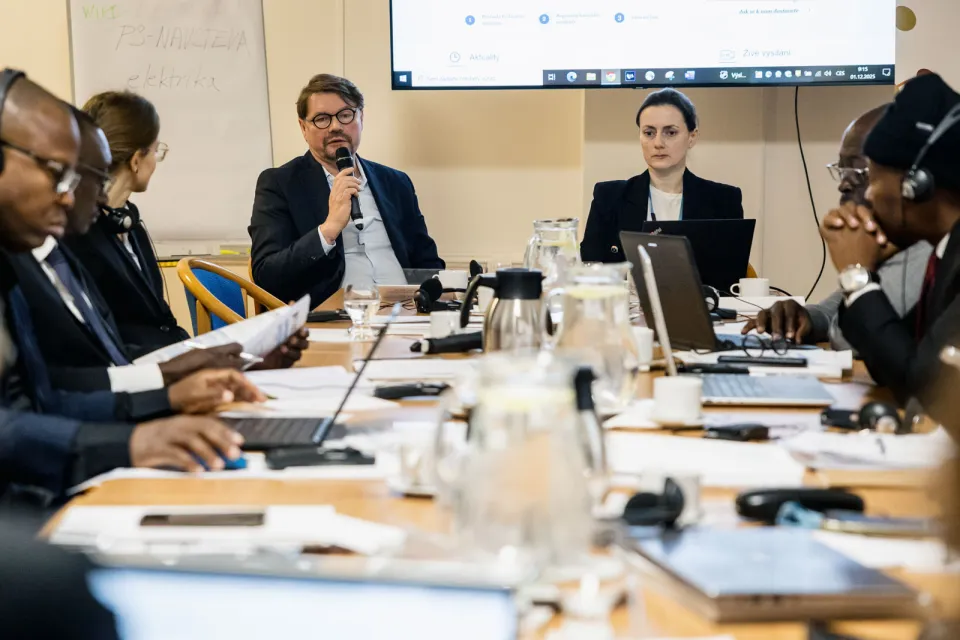
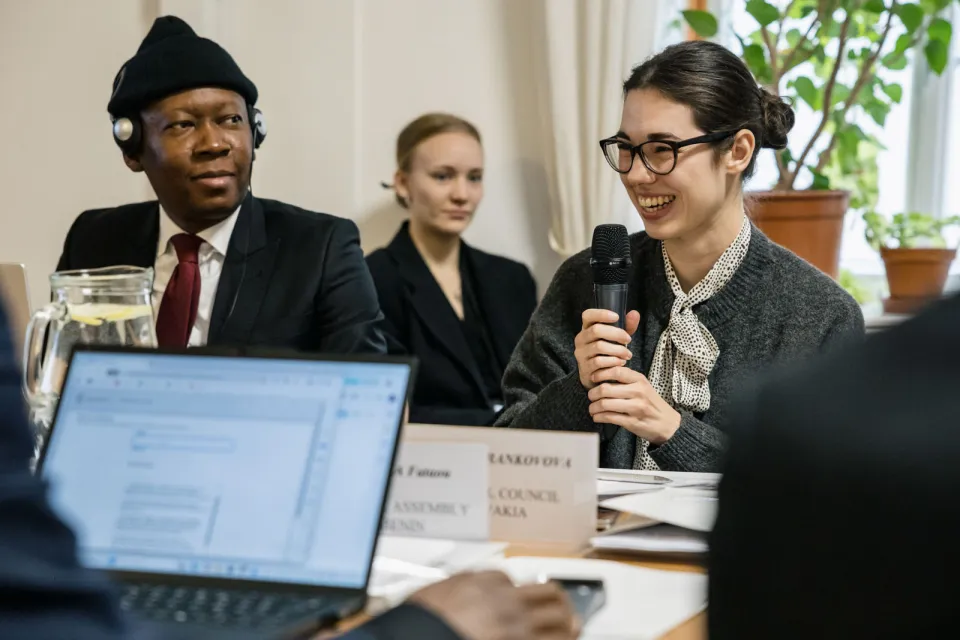
Over the course of the week, the Beninese delegation engaged in intensive exchanges with peers from the Czech Republic, Germany, Italy and Slovakia – partners committed to strengthening informed and evidence-based parliamentary work.
A study visit offers something you can't replace online – meeting in person, talking openly about shared issues and leaving with new perspectives. Those exchanges are what make inter-parliamentary cooperation grow strongest. – Klara Ibrahim, Researcher and Coordinator for interparliamentary cooperation and parliamentary development activities, Parliamentary Institute, Czech Chamber of Deputies
The programme began with discussions on how parliaments structure, govern and safeguard the independence of their research services. The delegation from the National Assembly of Benin presented the priorities of its Parliamentary Institute (IPAB), while European counterparts outlined their own models, mandates, funding arrangements and approaches to recruitment and communication with Members of Parliament (MPs).
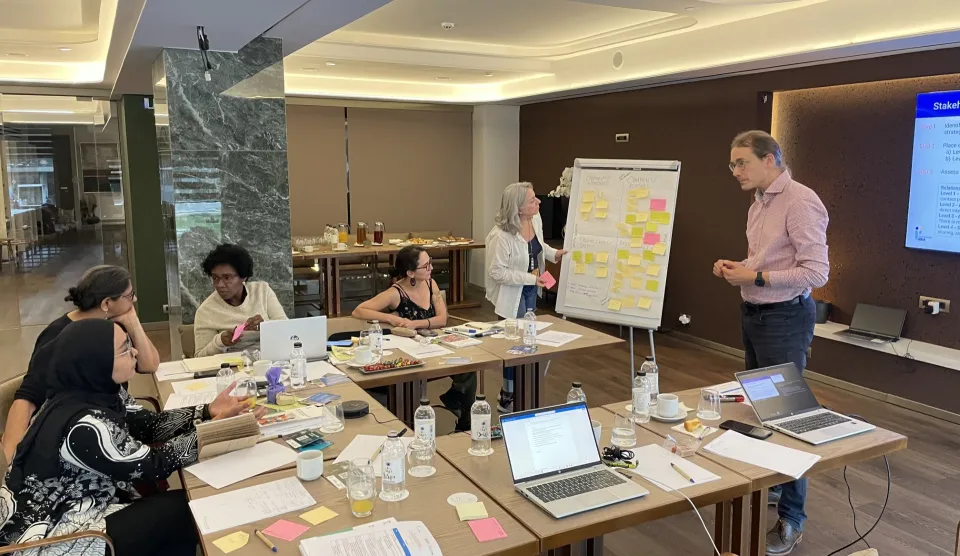
Participants then explored the practical dimensions of parliamentary research. Sessions examined how research products are designed, standardized and quality-controlled, as well as how digital tools – and emerging applications of artificial intelligence – can support efficiency while maintaining accuracy and impartiality. The importance of internal coordination among research services, legal units, archives, libraries and committees also emerged as a recurring theme.
I learned a great deal about the structure of European parliamentary research institutes, their operating methods, and the architecture of the tools they use. The key lesson drawn from this week was that parliamentary research is a dynamic and constantly evolving process that requires continual updating and capacity building. The interaction between parliaments initiated by Inter Pares is fundamentally useful and deserves to be continued in order to effectively contribute to institutional performance. – Ms. Dèkpètin Imelda Katia Yetongnon, Head of the Sustainable Development Research Unit at the Parliamentary Institute (IPAB), National Assembly of Benin
The week also highlighted the central role of external partnerships. Benin shared its experience collaborating with regional and international networks, civil society organizations, universities and ministries. European partners discussed their engagement in networks such as the European Centre for Parliamentary Research and Documentation, mechanisms for liaising with government institutions and efforts to connect academic expertise directly to the policymaking process.
The study visit concluded with joint planning for the coming year. Partners identified opportunities for future exchange visits, including piloting joint research studies, organizing training sessions on AI and research methodologies, and webinars aimed at helping researchers translate scientific evidence into concise, policy-relevant analysis for MPs.
Several overarching lessons emerged from the week. For example: strengthening parliamentary research services requires clear mandates, effective internal coordination, standardized workflows and sustained professional development. Offering a diverse range of research products allows services to respond more effectively to MPs’ changing needs. Digital transformation – including modern document-management systems and the careful use of AI – can enhance research processes without undermining independence and credibility. International peer-to-peer partnerships broaden comparative insight and reinforce non-partisan expertise, while collaboration with academia and initiating internship programmes supports knowledge sharing and cultivates future parliamentary talent.
What this week made unmistakably clear is that even though our research services operate differently and face different challenges, our mission is the same: to provide our parliaments with objective, reliable, and timely knowledge. The real strength of our cooperation lies in the exchange itself. When parliamentary research services come together, we gain something none of us could build alone – as a shared pool of experiences, methods, and solutions that enrich our own practices. – Ms. Kristina Rankovova, State advisor and analyst at the Department of the Parliamentary Institute, Slovak National Council.
Above all, the ability to translate complex analysis into accessible, actionable formats remains essential for helping MPs make informed, evidence-based decisions that directly impact the lives of citizens.
This study visit marks an important step in strengthening parliamentary research capacity in Benin and further deepening cooperation between European and African parliaments – momentum that will carry forward into 2026 and beyond.
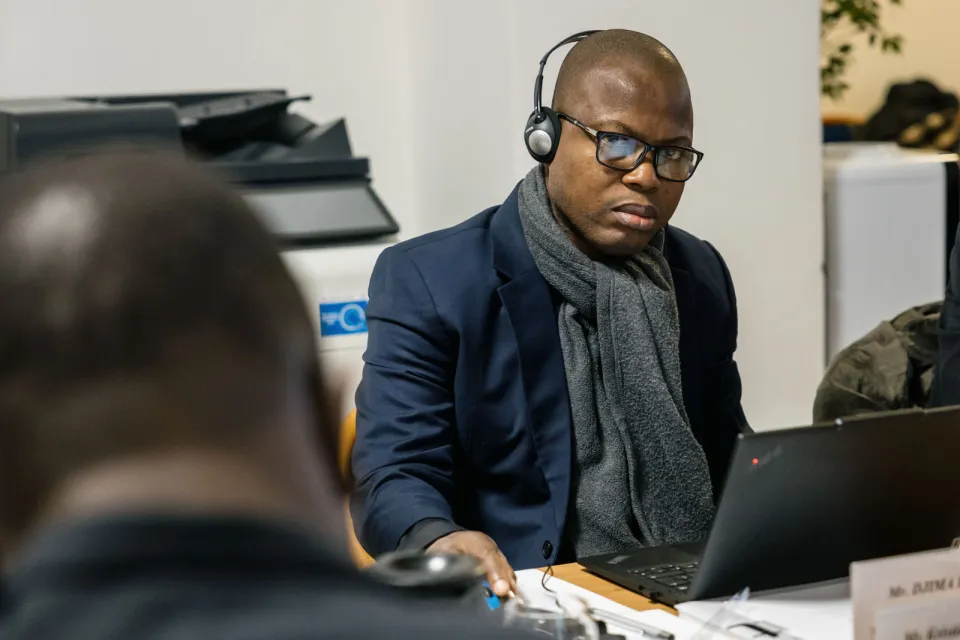
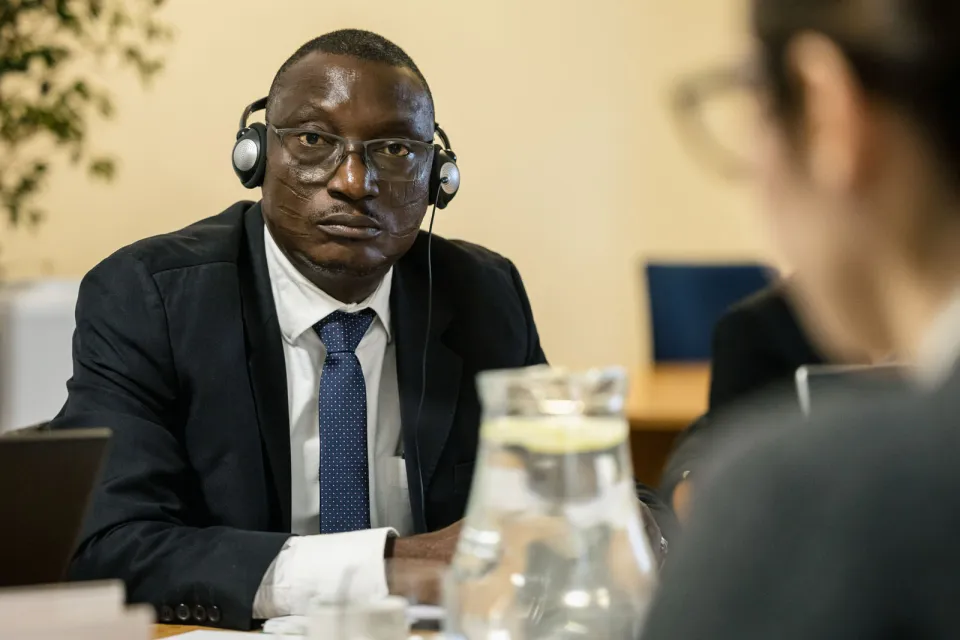
To reflect on the week’s discussions and share perspectives from the delegation, two Members of Parliament offered short video statements on the importance of strengthening parliamentary research services and international cooperation.





About the authors
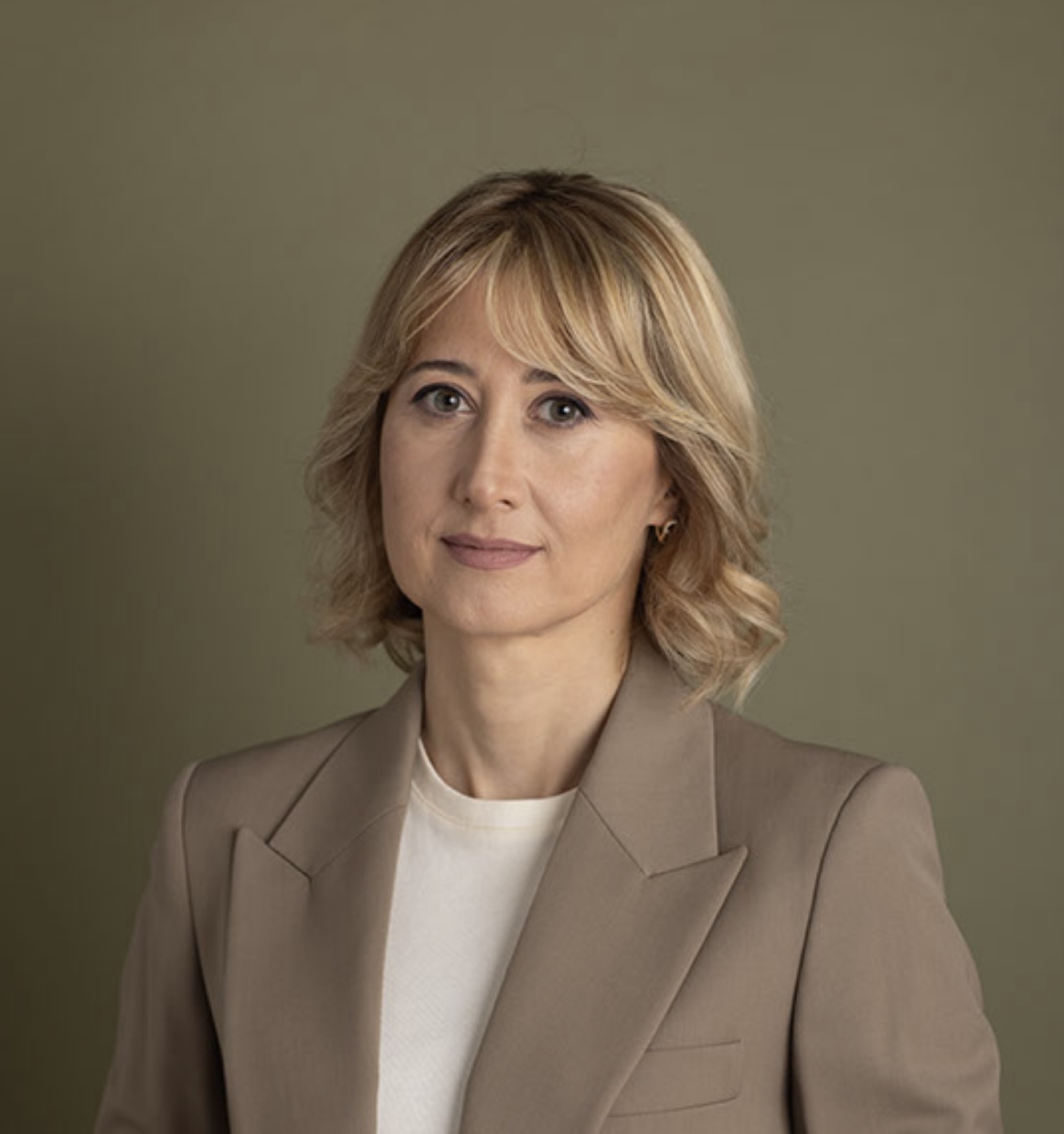

Andrea has thirty years of experience in parliamentary development, focusing on projects designed to enhance legislative effectiveness, transparency, and accountability. At the State University of New York Center for International Development, she served as the technical lead for a long-term partnership with the Kenya National Assembly and later managed support to 22 sub-national assemblies during the country's devolution. Her work as Chief of Party in post-conflict Mozambique and Morocco involved establishing non-partisan research services, new committee procedures, and systems for citizen consultation.
Currently, she manages several peer-to-peer partnerships and also develops M&E systems and parliamentary capacity assessment tools to support institutional learning.