In this context, ensuring electoral integrity requires heightened vigilance from election administrators, with a stronger focus on anticipating and managing risks and building institutional resilience across all levels of election administration.
To support this effort, International IDEA is working with the Central Election Commission of Armenia to introduce and institutionalise Electoral Risk Management (ERM) across all levels of election administration ahead of the 2026 parliamentary elections.
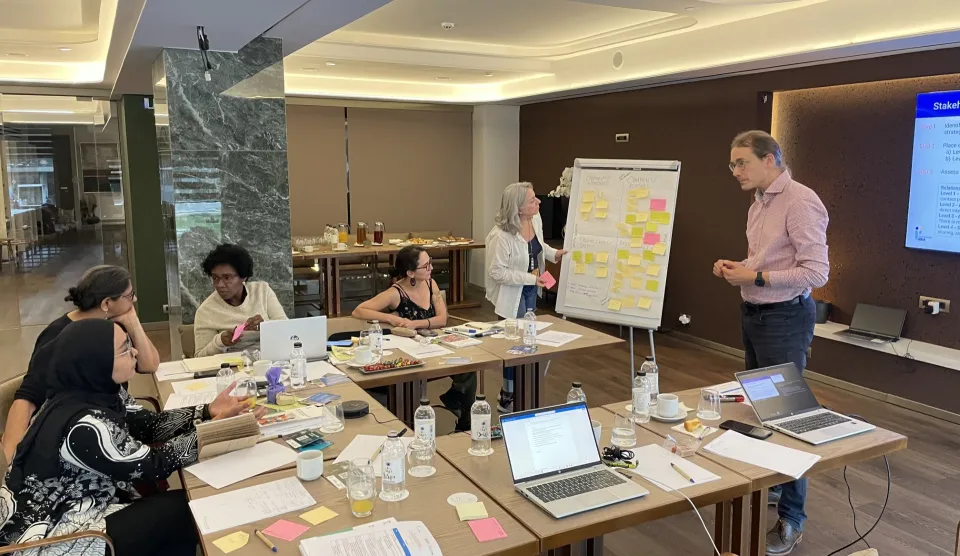
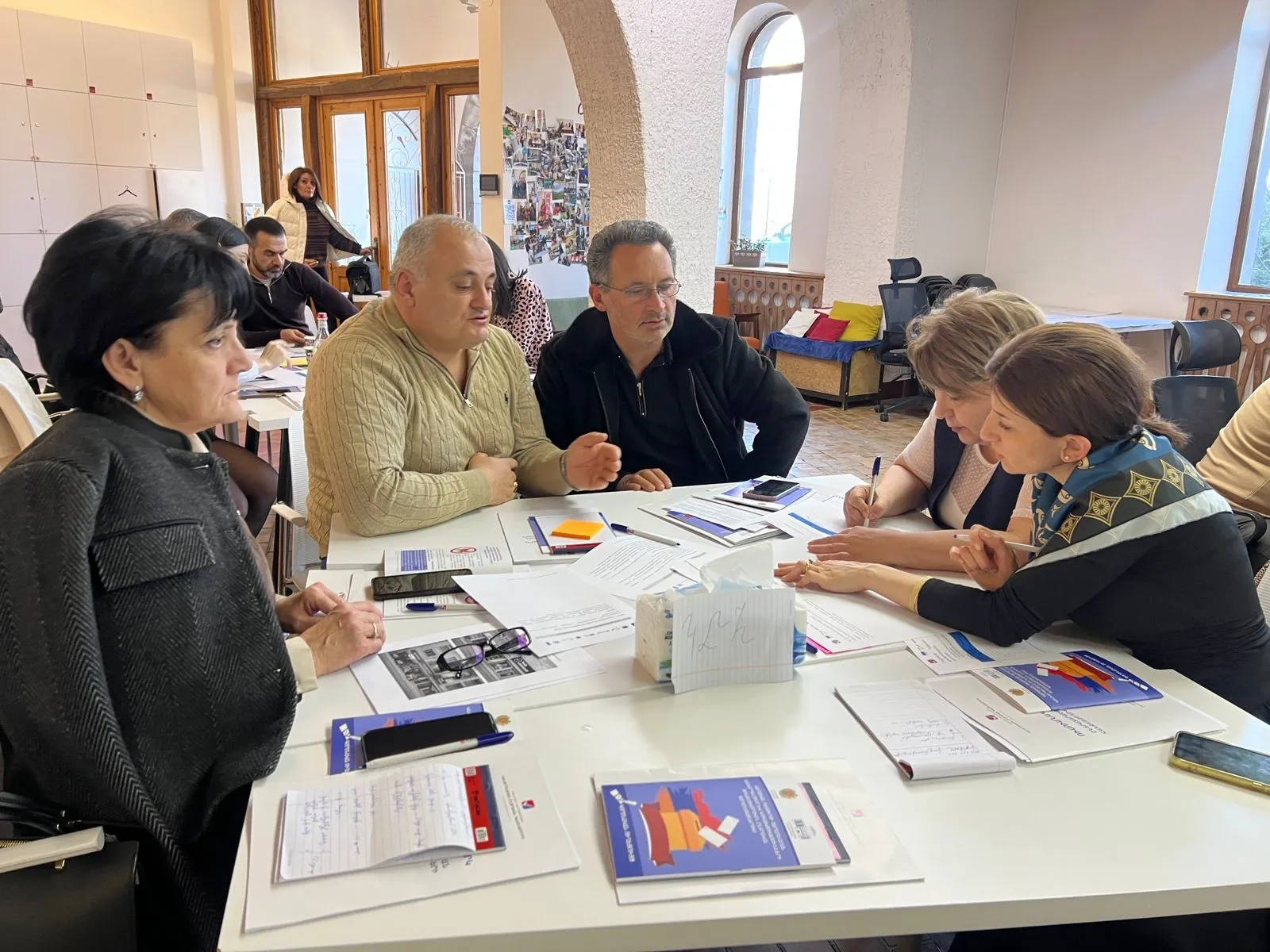
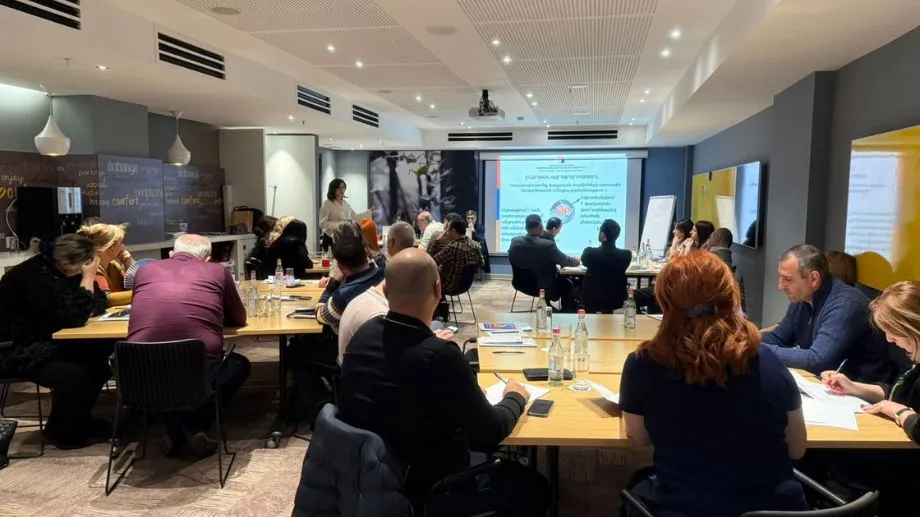
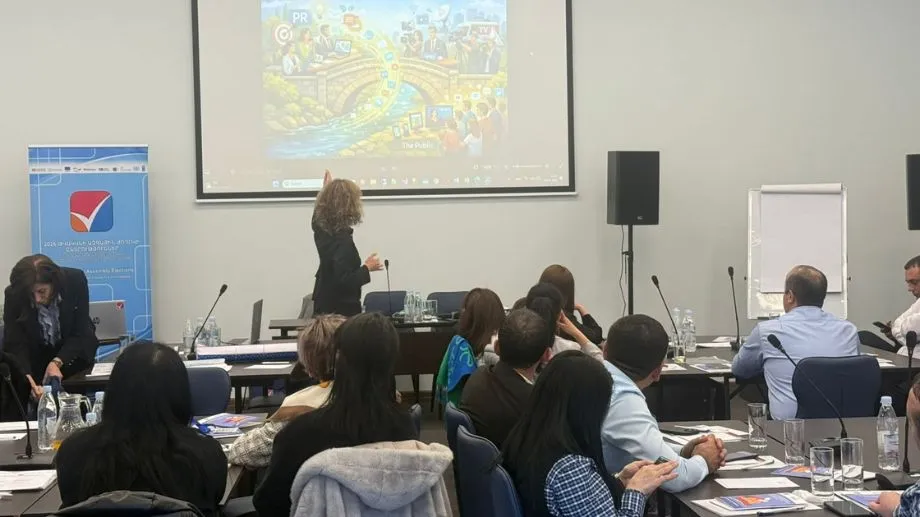
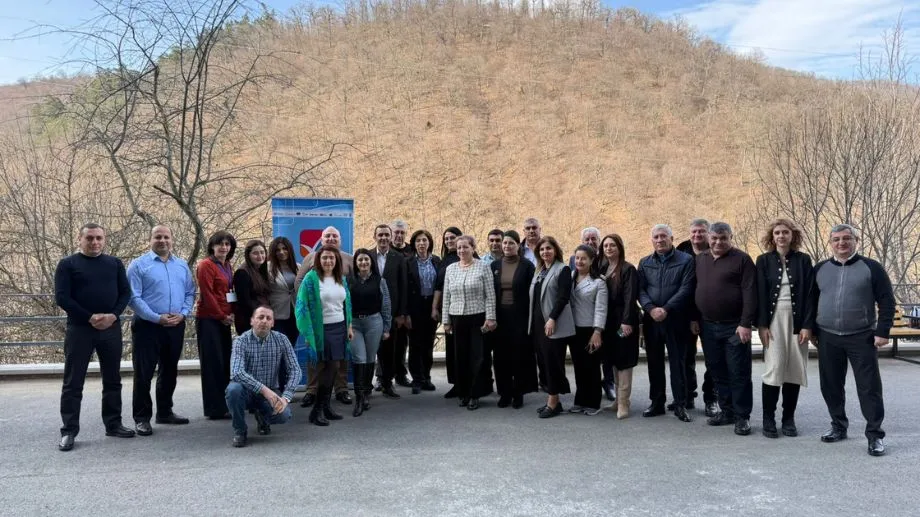
Building on prior cooperation, and in partnership with IFES, International IDEA delivered a Training of Trainers (ToT) programme on 16–18 January 2026 in Tsaghkadzor. The programme equipped selected CEC trainers with ERM materials, handouts, presentations, and practical exercises, strengthening the CEC’s internal training capacity and enabling a regional rollout of ERM training for Territorial Election Commissions (TECs).
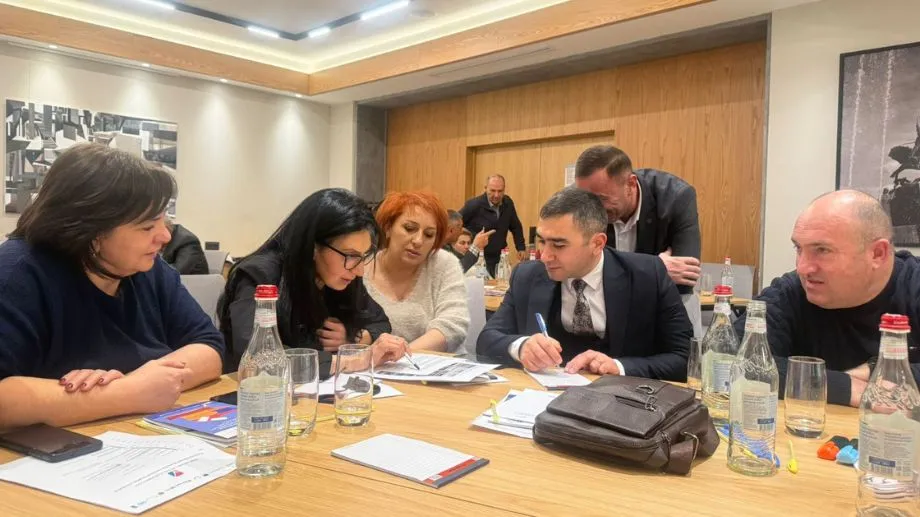
For the first time, ERM was integrated into the CEC’s official electoral training curriculum. Throughout January and February, International IDEA provided methodological, technical and organisational support to CEC trainers as they independently delivered ERM modules within the CEC’s three-day TEC training cycle across Armenia, covering all Territorial Electoral Commissions.
The training courses organized for CEC members are important [...] because it is a priority for us to continuously enhance the professional skills of representatives of the electoral system. Therefore, we are grateful to our international partners—International IDEA, UNDP, and IFES Armenia—for their ongoing collaboration and for providing support that meets our needs. Vahagn Hovakimyan, Chair of the Central Election Commission of Armenia.
This work builds on an earlier two-day ERM workshop conducted in December 2025 in Yerevan for senior CEC staff, which established a shared conceptual foundation on risk identification, assessment and mitigation, and introduced key analytical tools adapted to Armenia’s electoral landscape.
Conducting three-day training sessions ahead of the elections was essential, particularly given recent legislative changes. The strong engagement from participants confirms the effectiveness of the training, and the introduction of risk management has been especially valuable. Armen Smbatyan, CEC Secretary & Trainer.
These interactive sessions, enriched by simulation exercises, deepen TECs’ operational readiness and strengthen their ability to navigate complex electoral realities, ranging from logistical challenges to information-related risks, security considerations, and unforeseen disruptions. By integrating ERM into the TEC training cycle, the initiative also reinforces inter-institutional cooperation between relevant state institutions involved in election preparation.
The speakers not only present legislation but also various scenarios that may arise on election day, for which we need to be prepared. For me, as a newly elected member, it is important to participate in such training sessions and to hear both theoretical questions related to legislation and more practical exercises that enhance our capabilities. Mkhitar Gasparyan, CEC Member.
International IDEA and the CEC of Armenia have advanced a set of foundational steps that enable the sustainable internalisation of ERM practices. Together, these efforts represent a major step forward in strengthening Armenia’s electoral resilience. During this process:
- Two foundational ERM guides and the Self-Assessment Survey were translated into Armenian, enabling CEC members and staff to access core ERM concepts in their working language and preparing the institution for the 2026 parliamentary elections.
- Following the initial training in December 2025, ERM components were formally integrated into the CEC’s official training curriculum for the first time.
- A full cycle of 13 TEC trainings sessions was conducted across Armenia (Yerevan, Gyumri, Ankavan, Dilijan, Vanadzor, Goris), reaching 331 TEC members and covering all Territorial Electoral Commissions, strengthening their capacity to identify, assess, and mitigate election-related risks.
- TEC trainings were featured on national television, contributing to public transparency and reinforcing trust in electoral institutions by demonstrating their commitment to preparedness and professionalism.
- International IDEA advanced preparations for the introduction of the ERM Tool, including training on its practical use, marking a shift from general awareness to structured risk logging, tracking, and mitigation.
Beyond supporting the introduction of the Electoral Risk Management policy, International IDEA supports the CEC through several additional components. These include strengthening the protection of elections through enhancing oversight of campaign finance and campaign standards related to online platforms and contributing to civic education initiatives aimed at improving public awareness and resilience. Together, these components form a comprehensive package of electoral assistance designed to reinforce Armenia’s institutional preparedness ahead of the 2026 parliamentary elections.
The project is funded by the European Union and is implemented in the framework of a larger electoral assistance programme administered by UNDP Armenia, and funded by the Government of Germany, Norway, Sweden, and UN DPPA.


About the authors

Press contact