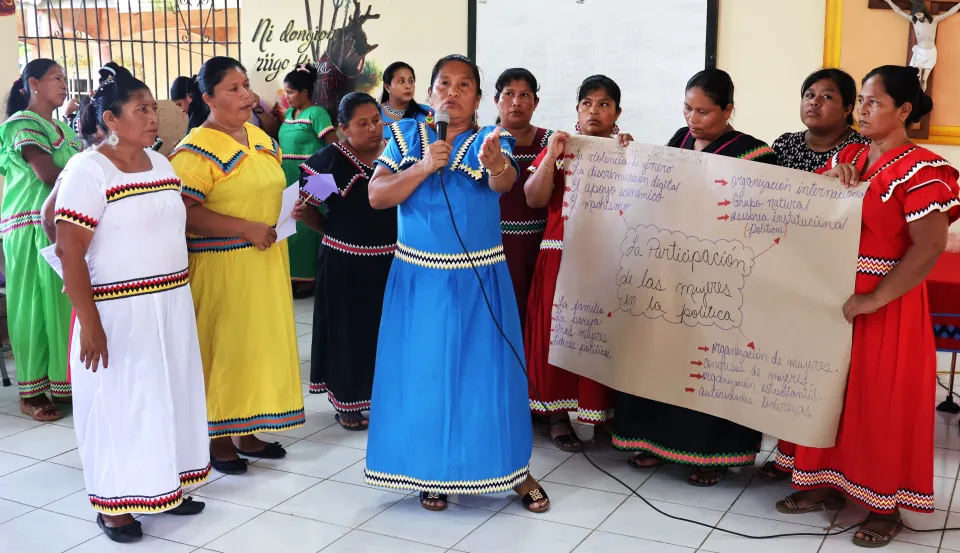
Findings on voter turnout among temporary indigenous migrants from the Ngäbe-Buglé Comarca in Panama
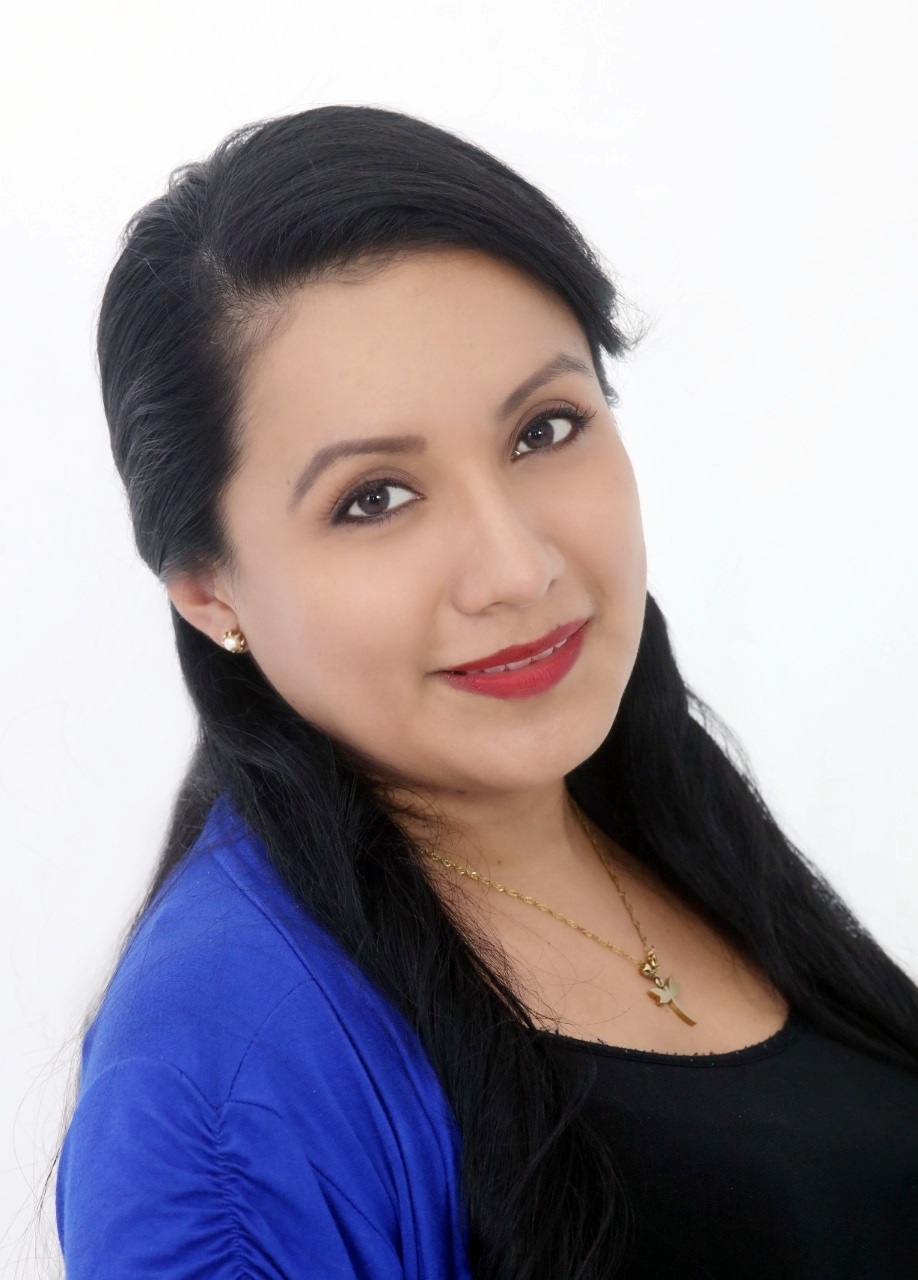
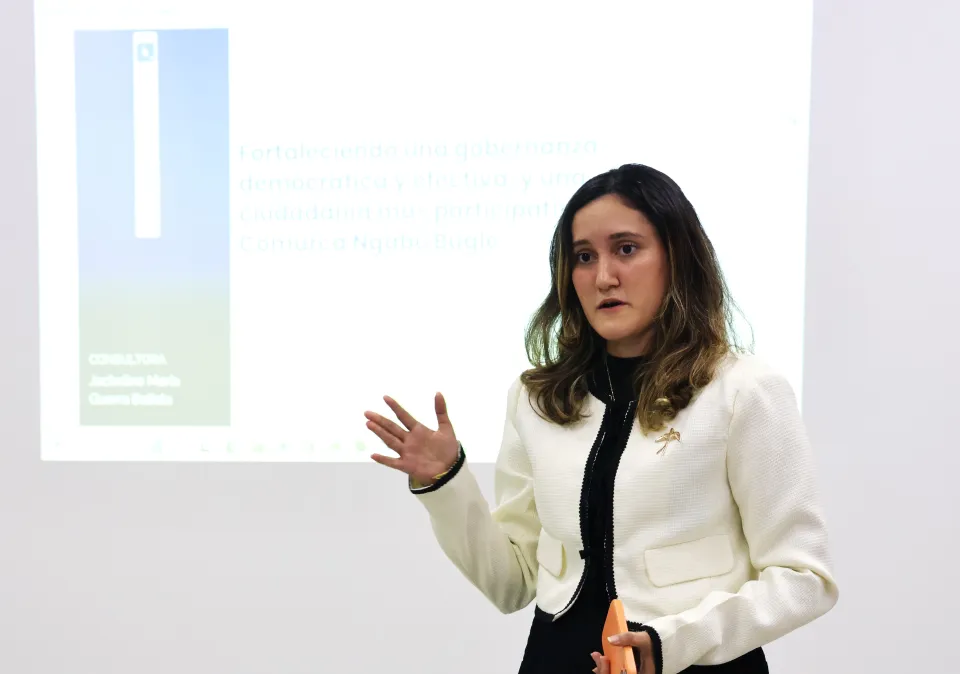
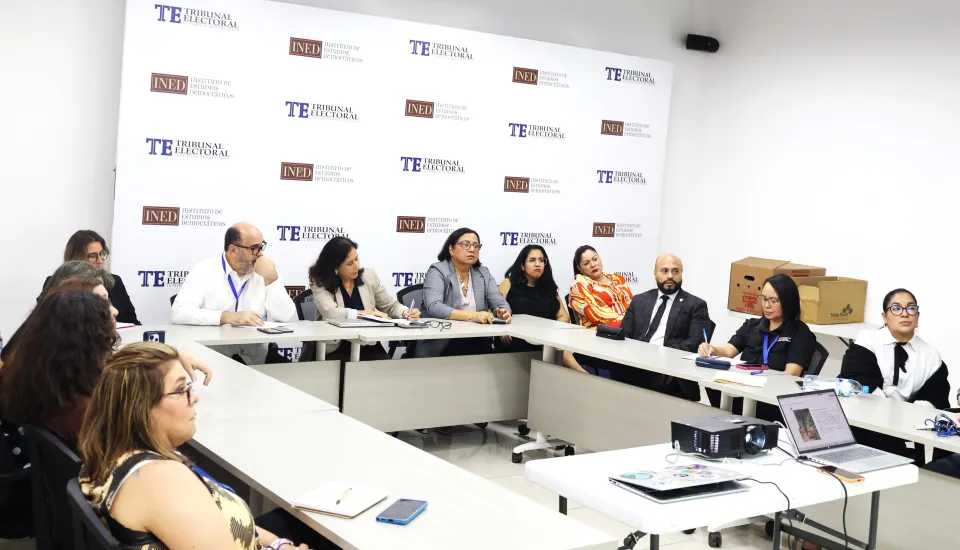
International IDEA presented the results of the study “Electoral Participation of Temporary Indigenous Migrants from the Ngäbe-Buglé Comarca: Findings and Recommendations.” The study was conducted as part of the project “Strengthening Democratic and Effective Governance and a More Participatory Citizenship in the Ngäbe-Buglé Region,” funded by the Spanish Agency for International Development Cooperation (AECID) and prepared by consultant Jackeline Guerra.
The presentation is part of the joint initiatives conducted under the projects “Technical Cooperation for the Electoral Tribunal of the Republic of Panama” and “Strengthening Democratic and Effective Governance and a More Participatory Citizenship in the Ngäbe-Buglé Region,” both implemented by International IDEA.
During the session, Guerra presented the results of the field research, providing a detailed analysis of the structural, geographic, and socioeconomic barriers that limit the exercise of political rights among temporary migrants from the Ngäbe-Buglé Comarca.
Among the study’s key findings, 73 per cent indicated that they do not clearly distinguish between the roles, jurisdictions, and mandates of traditional Indigenous authorities and national government authorities. Participants in the interviews also highlighted the long distances to polling stations and the high transportation costs associated with voting. According to the study, the districts with the highest rates of temporary migration are Kankintú, Kusapín, Mironó, Besikó, and Muná.
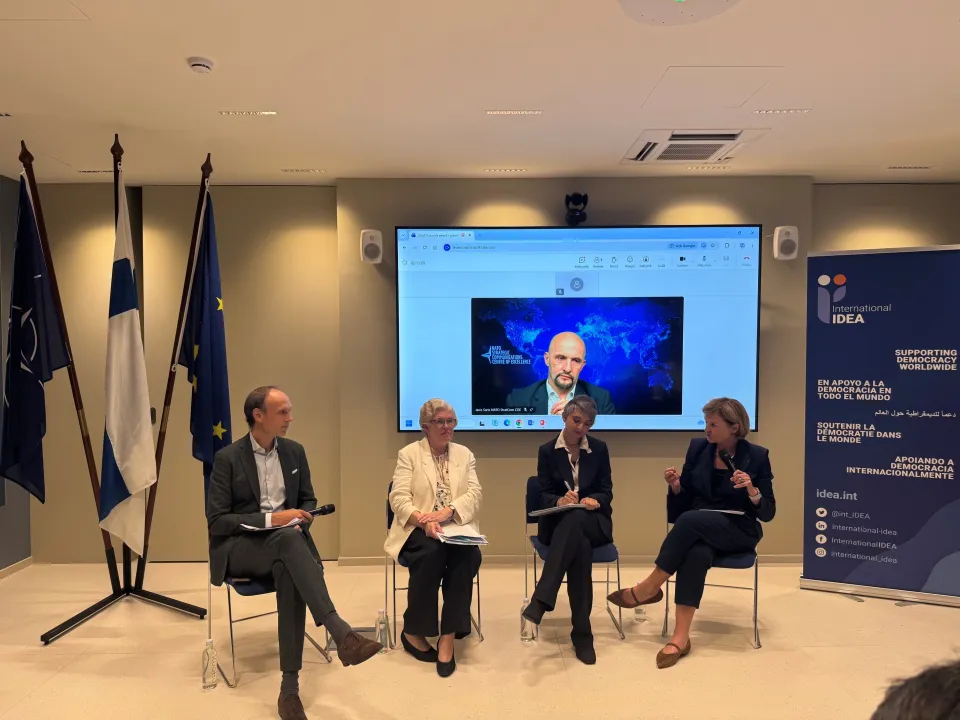
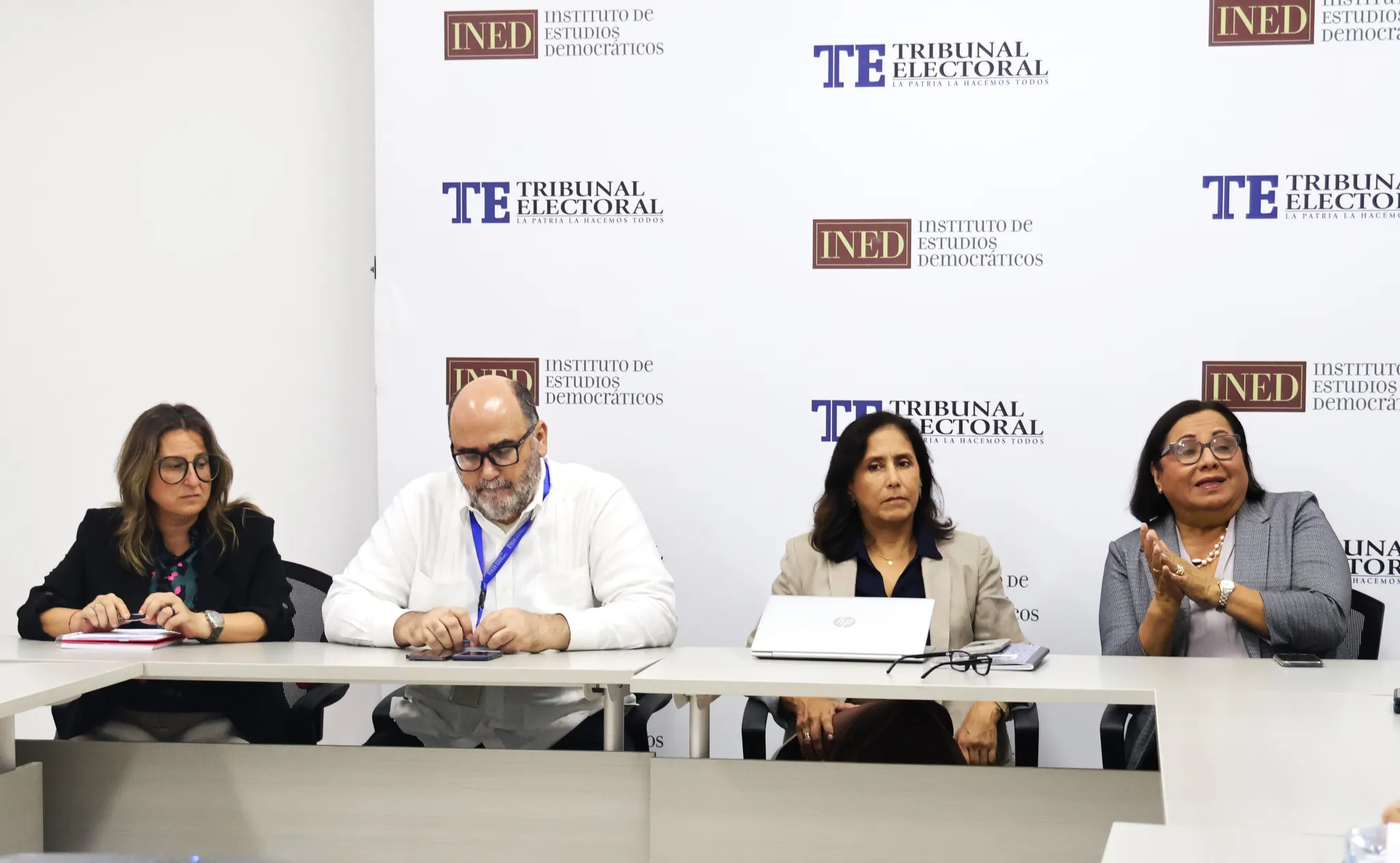
In response to the findings, Yara Campo, Institutional Director of the Electoral Tribunal, emphasized that the study provides valuable evidence to inform future actions and support efforts to improve political inclusion within these communities. She noted that the findings could serve as an important input for future electoral reform discussions.
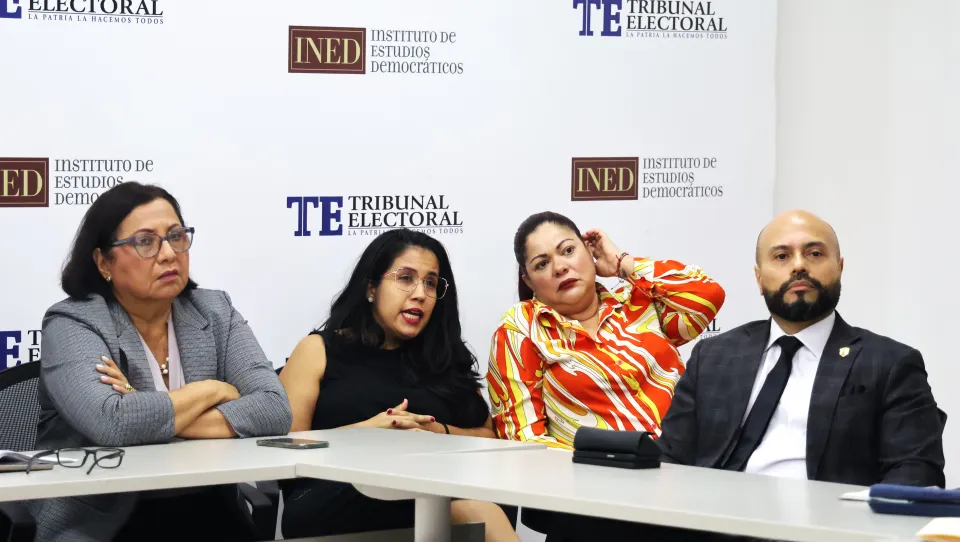
The event was attended by Vanessa Ortiz, AECID Project Manager in Panama, along with more than 15 officials from Panama’s Electoral Tribunal, including Yara Campo, Institutional Director; Salvador Sánchez, Executive Director of the Institute for Democratic Studies (INED); Rubén González, Director of Electoral Organization; Erika Ortiz, Head of Organization and Institutional Development and Coordinator of the General Election Plan (PLAGEL); and Magda Ceballos, Head of the Political Parties Department, among other.
Representing International IDEA were Alicia del Águila, Programme Manager for Panama; Raisa Caballero, Project Officer for the Electoral Tribunal project; and Susana Araúz, Project Officer for the AECID-funded project.


About the authors