Protecting elections in Ghana: Addressing gender-based discrimination and violence
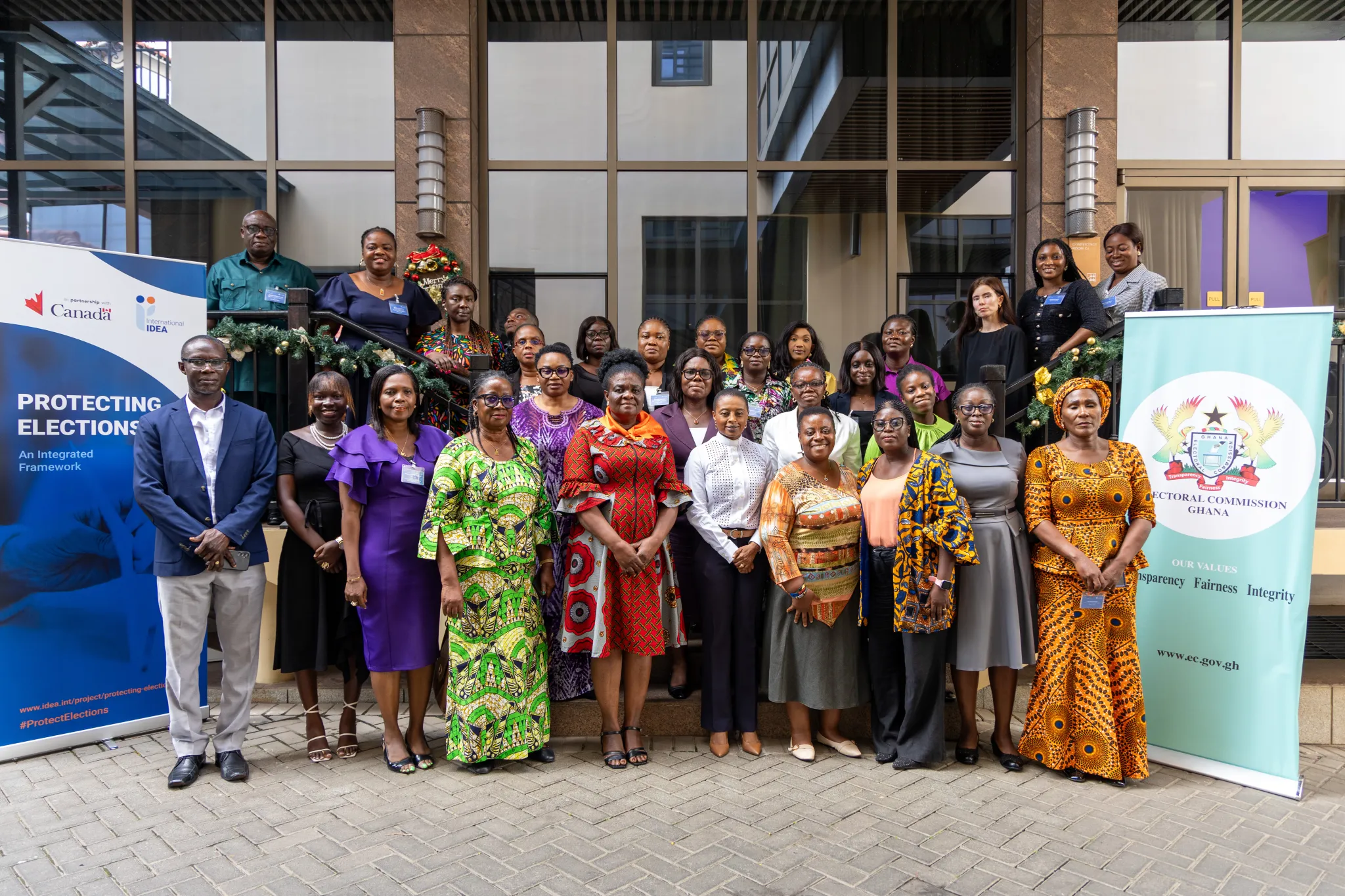
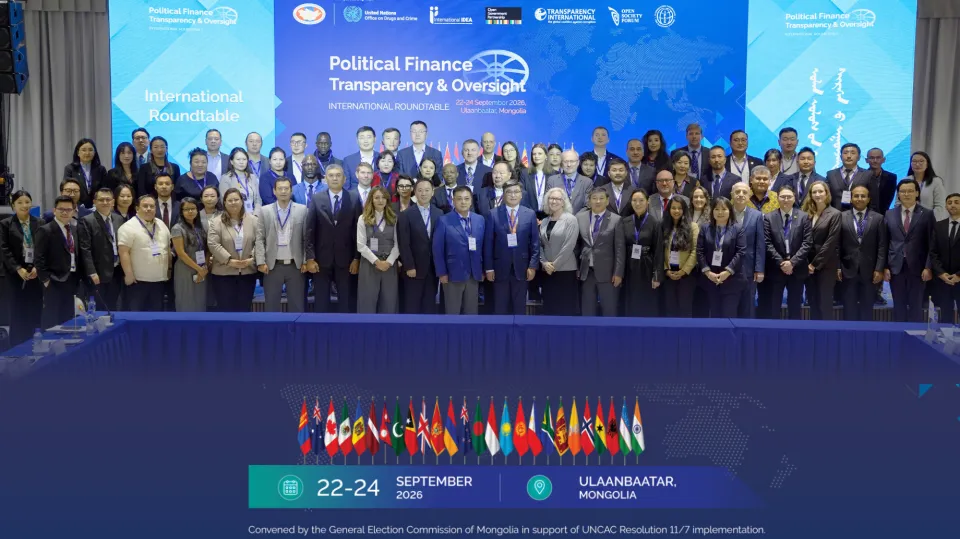
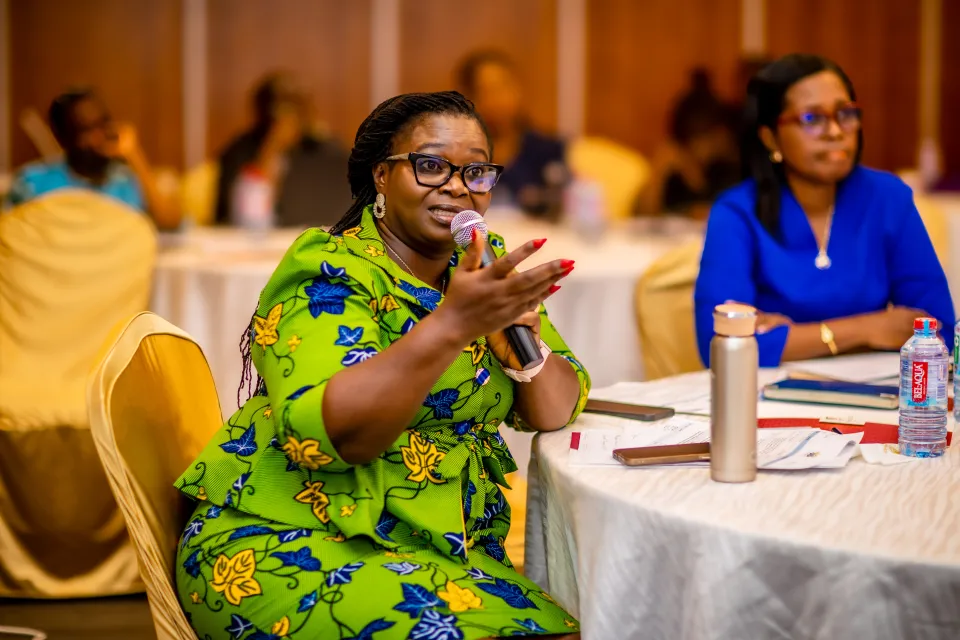
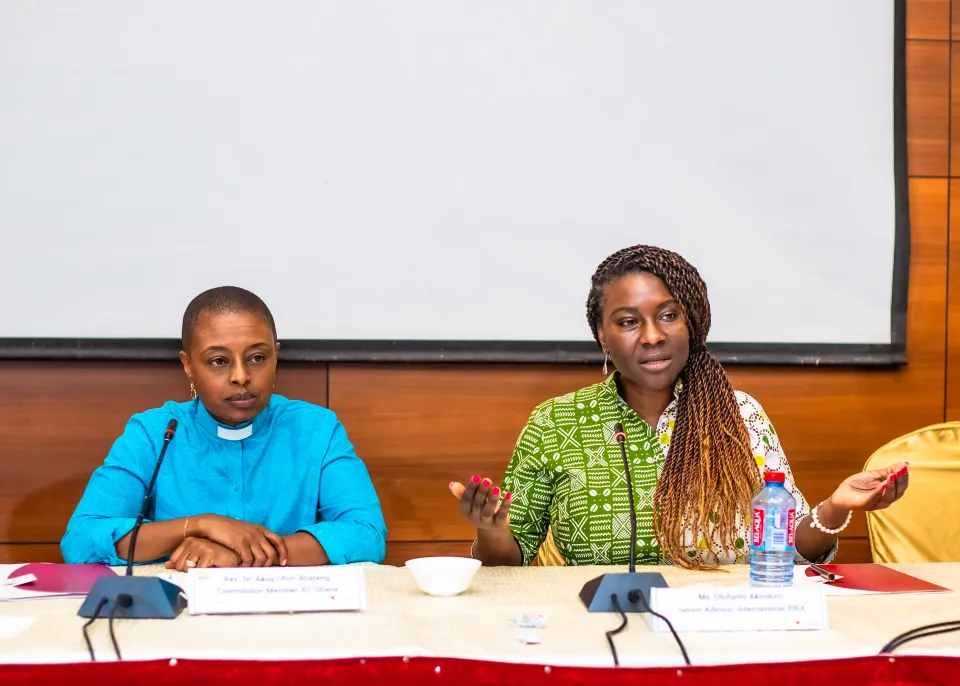
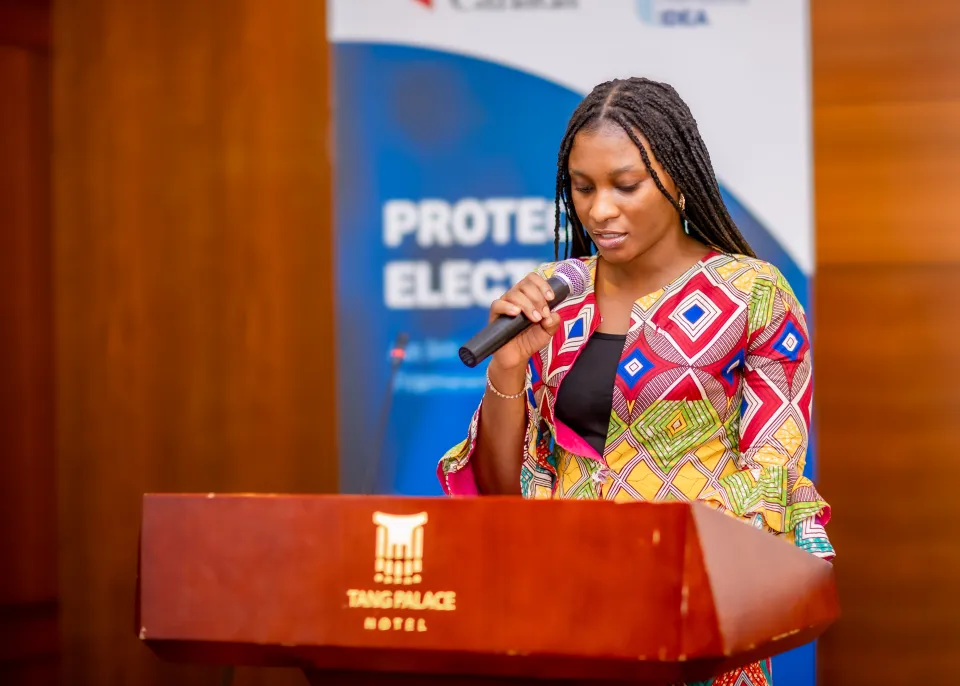
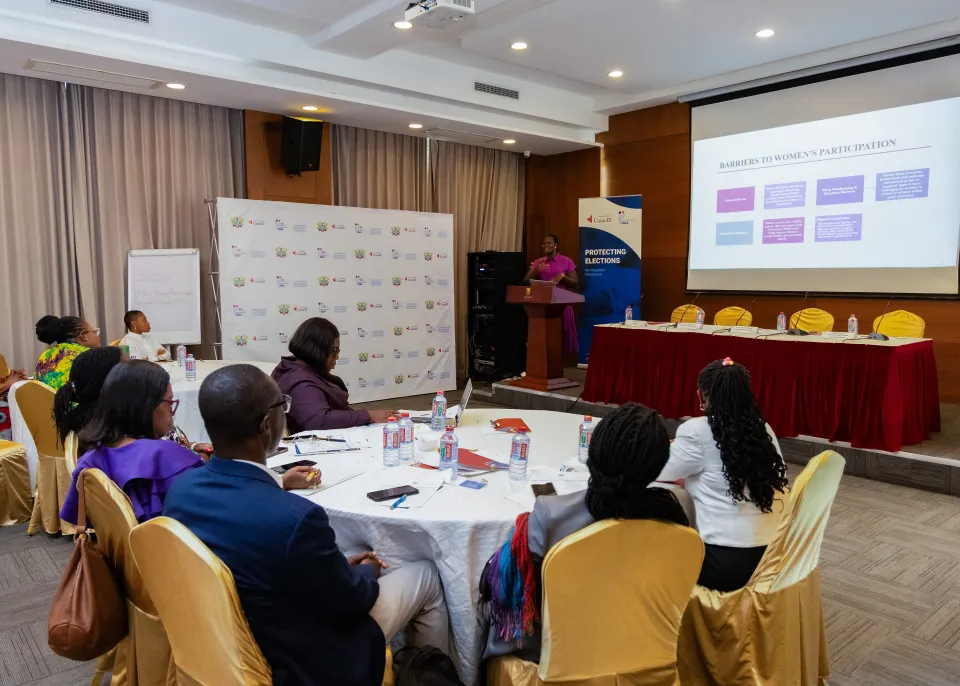
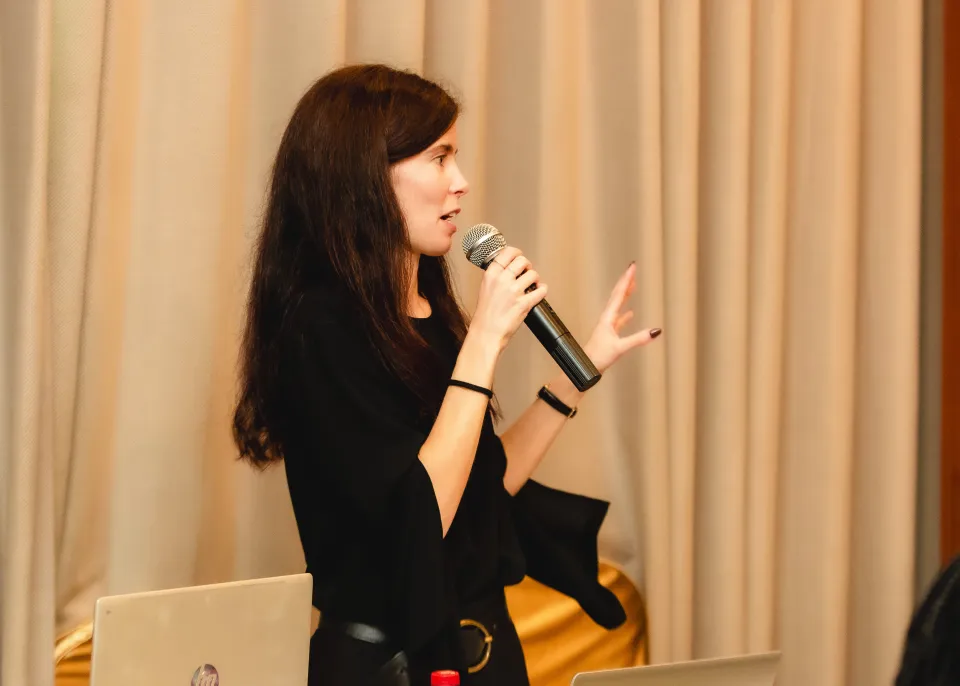
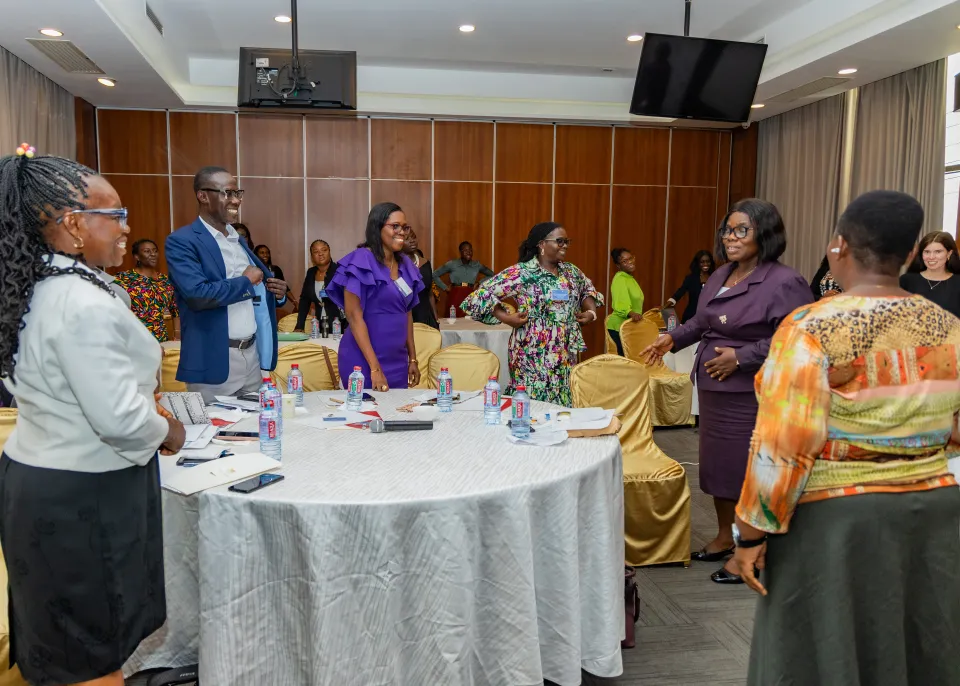
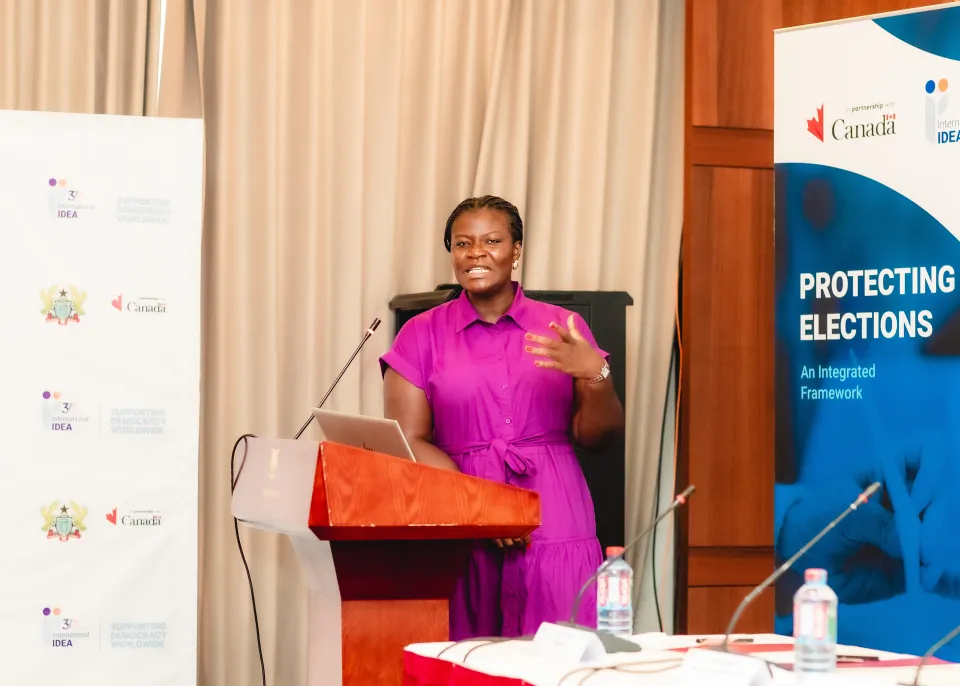
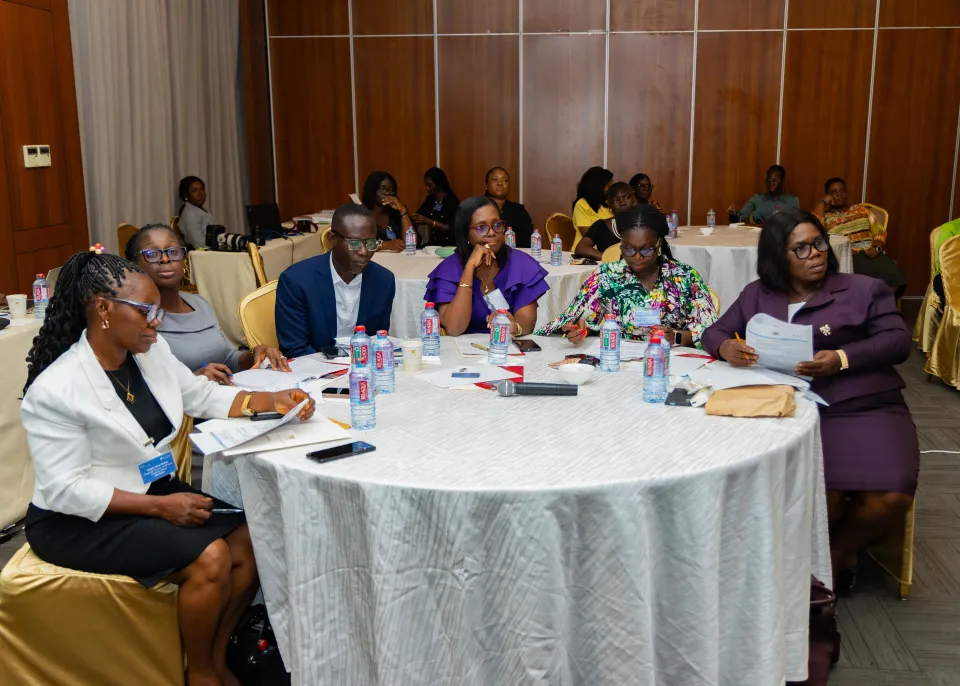
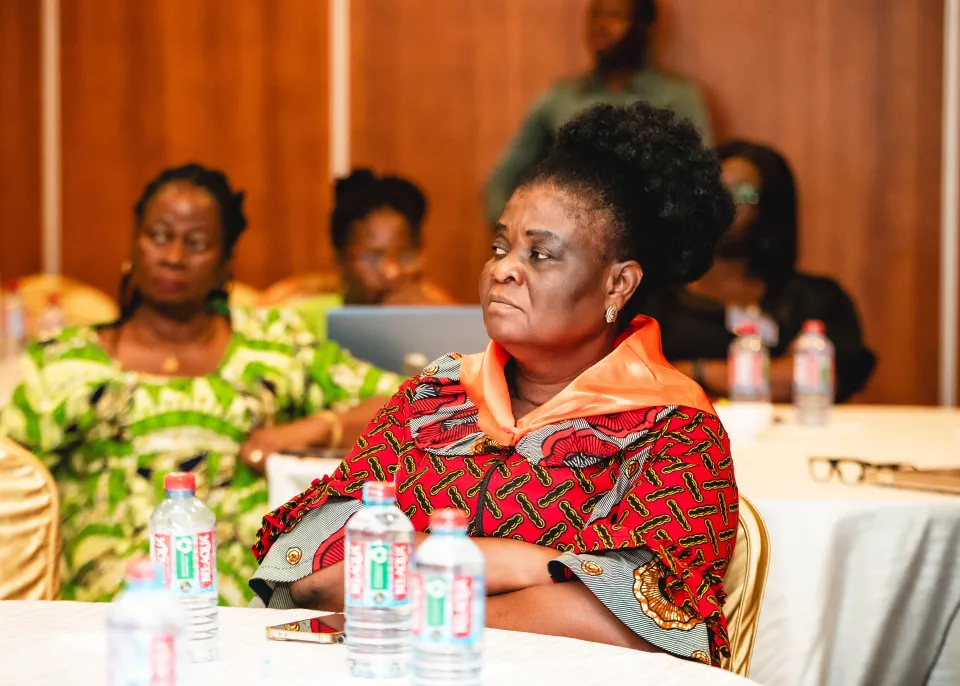
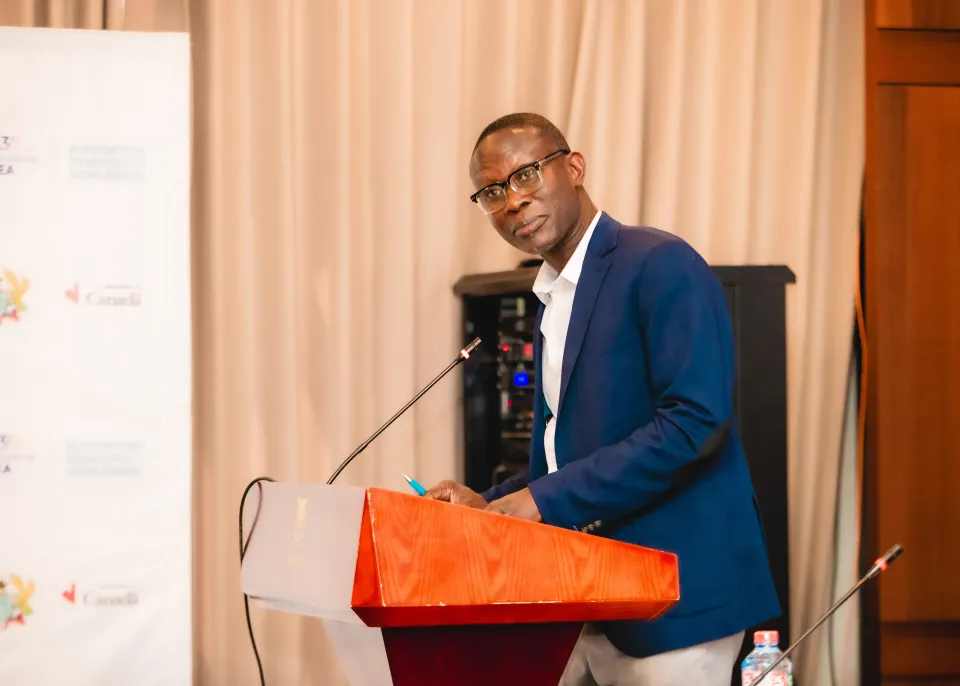
The workshop brought together nearly 30 participants representing the Electoral Commission, political parties, civil society organisations, including women’s rights organisations, disability inclusion organisations and youth-focused groups, academia and the media. Discussions emphasized that preventing and mitigating gender-based discrimination and violence (GBDV) is essential not only to protect individuals, but also to safeguard electoral integrity as a whole.
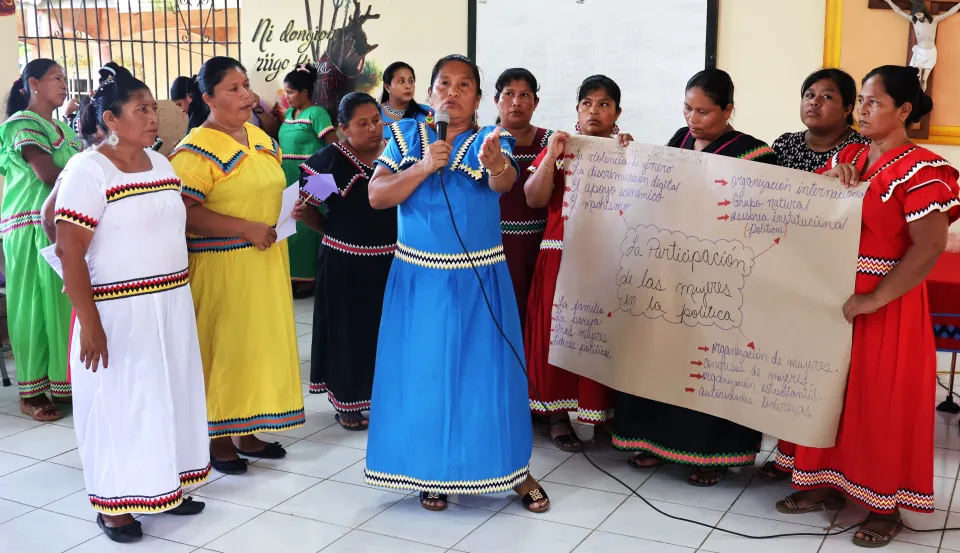
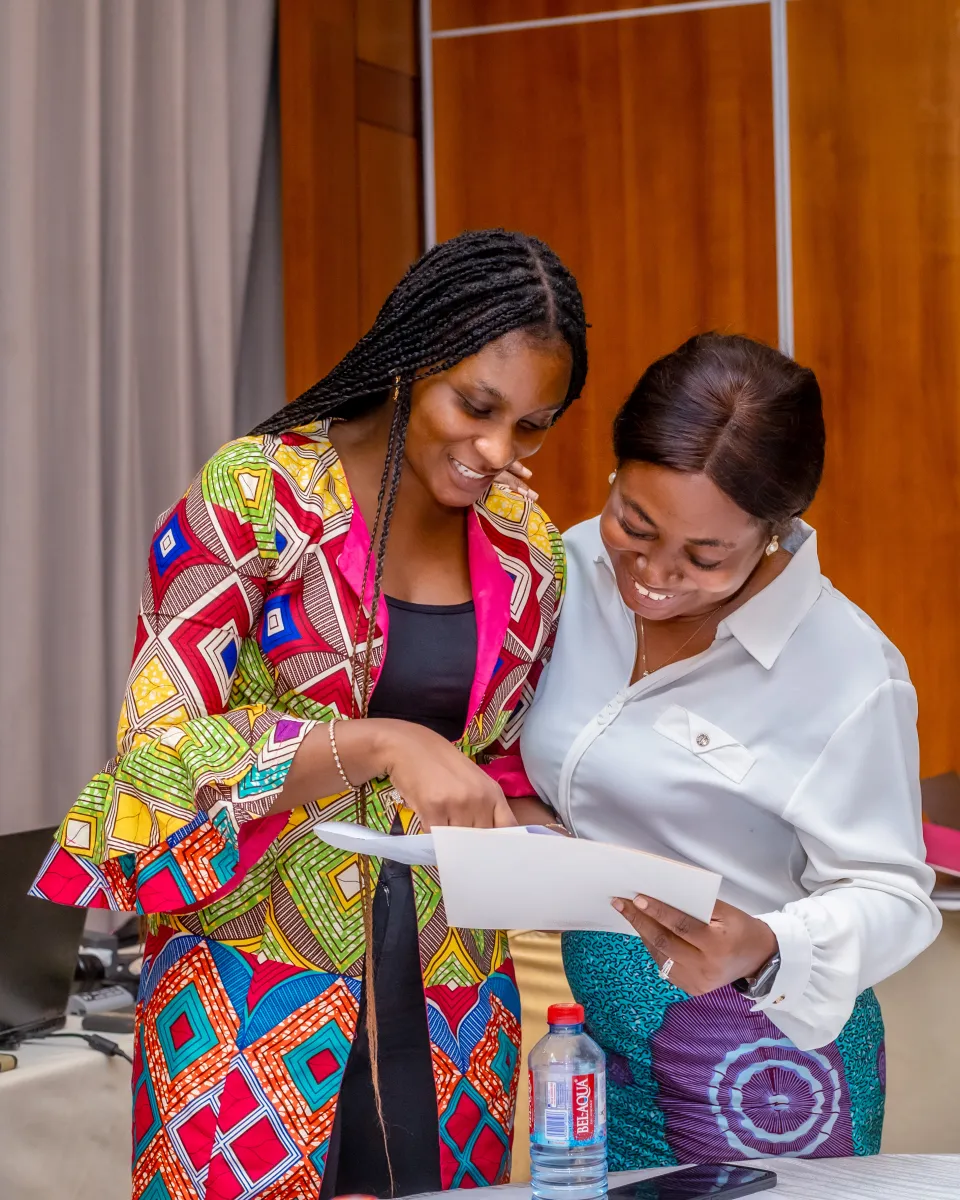
Over the course of two days, participants explored how harmful gender norms, discriminatory practices and targeted violence can discourage women and marginalized groups from participating in political and public life—as voters, candidates, election officials and observers. Using tools and approaches from International IDEA’s Integrated Framework for Protecting Elections, they identified key risk factors for gender-based discrimination and violence across the electoral cycle, mapped existing safeguards, highlighted critical gaps, and proposed practical, context-specific solutions.
Discussions stressed the importance of mapping risk factors at every stage of the electoral process—from legal frameworks and institutional composition, to campaigns, media coverage, observer reporting and election-day activities—and of coordinating responses among electoral stakeholders. Participants also emphasized an intersectional approach, recognizing the diverse needs and experiences of women, young people and persons with disabilities.
By ensuring that women and marginalized groups can engage freely and safely in all aspects of electoral processes, Ghana can strengthen an inclusive and credible democratic system that reflects the voices of all citizens.
This initiative forms part of International IDEA’s ongoing work to support electoral management bodies and partners in protecting elections from emerging and persistent challenges, including discrimination and violence rooted in gender inequality.


About the authors